



Bathroom Floor Plans
Single Wall Bathroom Layout: Pros, Cons, and Tips
07.22.2026
04.27.2026


In This Article
A 6x9 bathroom is 54 square feet. That's the size where every real decision fights for space, and where every decision has a dollar sign attached, usually a bigger one than homeowners expect.
The same footprint can deliver a spa-leaning primary bath or an efficient guest bath depending on three decisions: tub or shower, one sink or two, and whether plumbing runs along one wall or two. Four layouts, priced out below, show how those choices play out.
Bathroom renovation costs in 2026 run roughly $180 to $280 per square foot for mid-range work, $300 to $450 per square foot for high-end, and $500 to $800-plus per square foot for luxury. For a 54-square-foot bathroom, that puts the numbers at roughly:
Labor typically accounts for 40% to 65% of the total bathroom remodeling cost. Skilled-trade rates have risen 6% to 10% from 2025 as shortages persist. The numbers to know:
A bathroom renovation in 2026 typically runs two to five weeks from demo to final inspection. Skilled-labor shortages have stretched the front end of that window in most markets, with contractors booking projects two to three months out. Pre-construction (design, permitting, material ordering) usually adds another four to eight weeks before the demo even starts. A homeowner who wants a finished bathroom by a specific date (before a baby arrives, before guests come, before a sale closes) should start the conversation at least three months earlier than feels necessary.
Most 6x9 bathroom layouts are variations on three choices. Each has a predictable cost range you can estimate before picking a single tile.
The fixture itself is close to a wash on cost. The real difference shows up in waterproofing and tile labor, since showers typically demand more square footage of membrane and more tile work than a tub surround.
A second sink means a second set of plumbing connections, a wider countertop, and a vanity that's at least 60 inches wide. That minimum rules out double sinks on short walls or in tight corners.
The biggest line-item swing in a bathroom budget is also the one nobody sees once the project is done. Keeping all the plumbing on one wall (a "wet wall" is a wall containing supply and drain lines) minimizes rough-in work. Spreading fixtures across two or three walls means longer pipe runs, more wall-opening, and more inspection points.
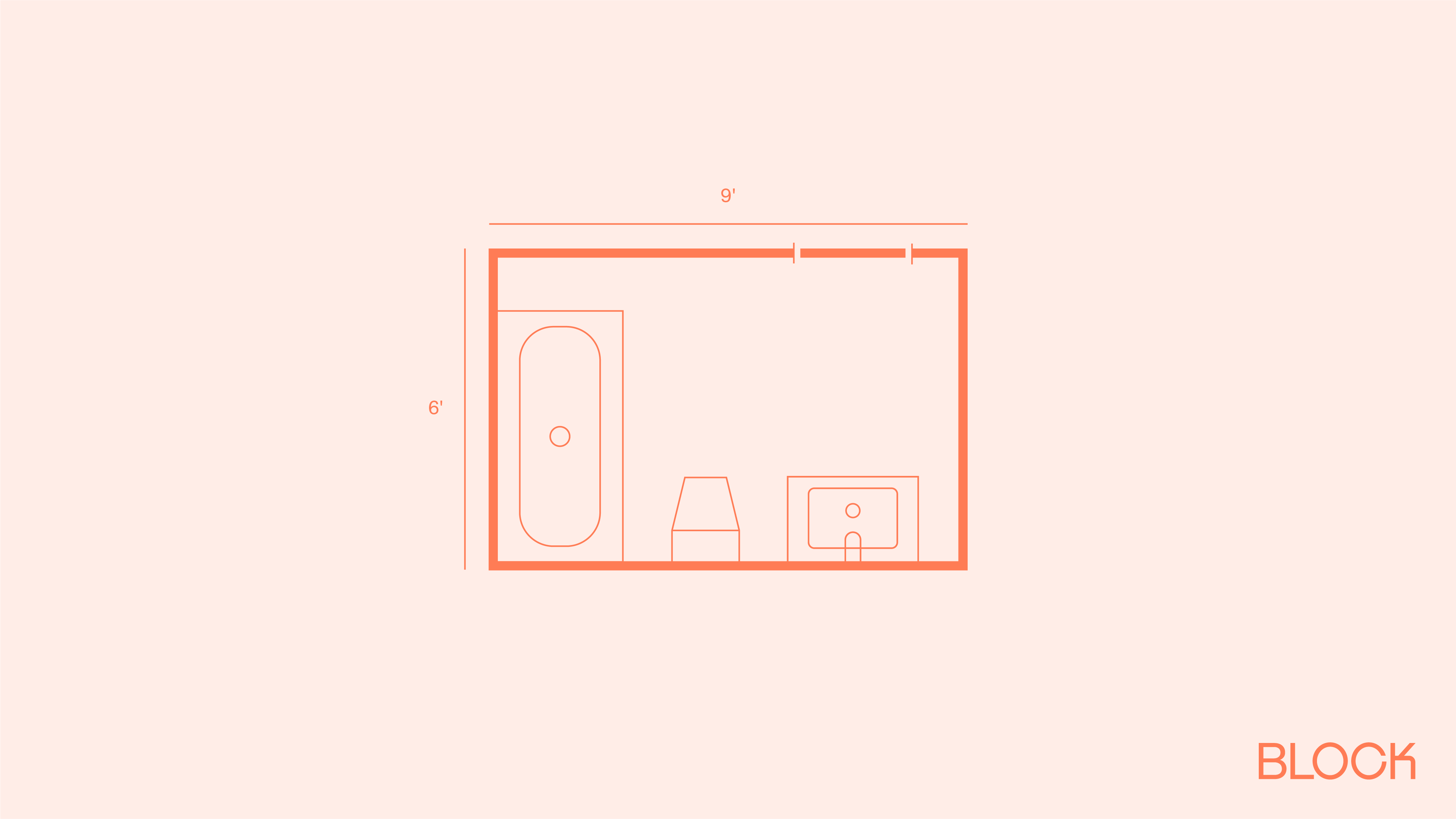
All three fixtures line up along one wall. Cheapest full bathroom to build, because plumbing, drain, and venting share a single chase. Mid-range cost: $10,000 to $14,000. The same fixtures spread across two walls would run closer to $13,000 to $17,000. It's the right layout for a secondary bath, a kid's bath, or any home where keeping the tub matters more than making the room feel special.
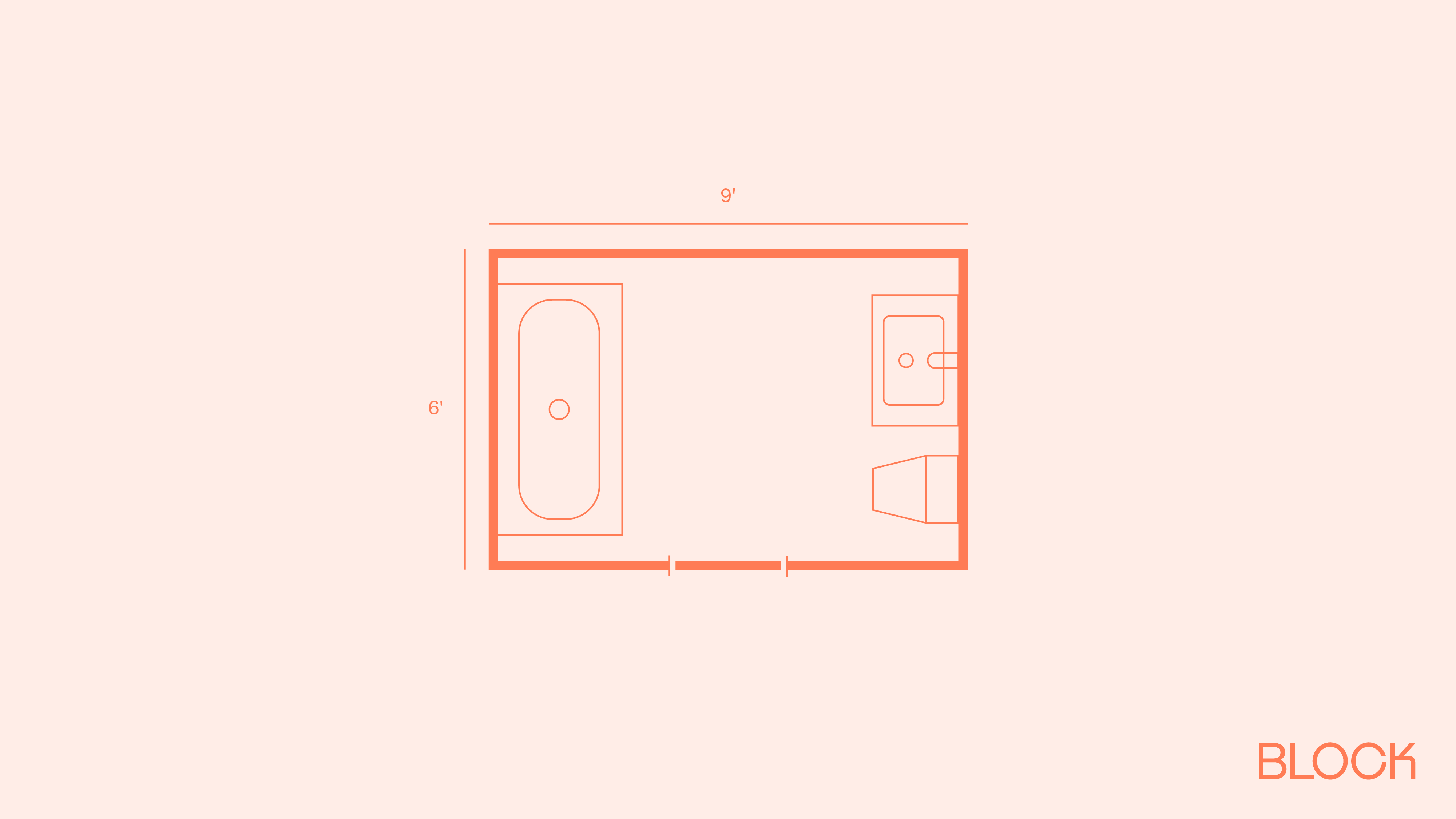
Mid-range cost: $13,000 to $17,000. The premium over Layout 1 is almost entirely the second wet wall, which means running supply and drain to the opposite side of the room. In a home with a slab foundation, the upper end of the range is more realistic because drain lines have to be chased under concrete.
What you get for the extra plumbing: the tub takes one wall on its own, toilet and single vanity share the opposite wall, and the door sits at the short end. The tub becomes a focal point instead of being squeezed between two other fixtures, and the vanity gets its own zone. It's a better-feeling room than Layout 1 without jumping to a double vanity.
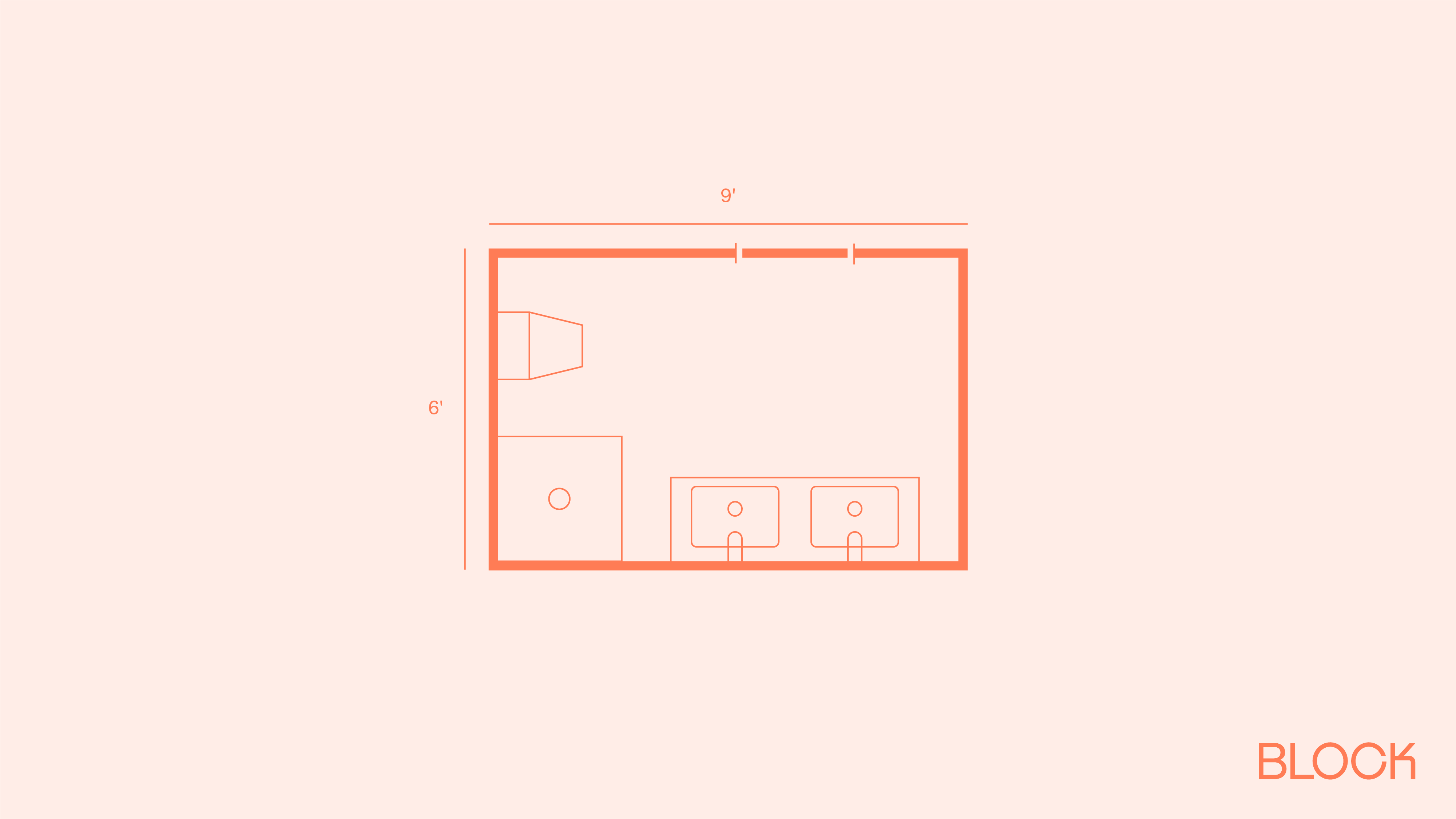
No tub. A walk-in shower and the toilet share the left wall. A double vanity runs along the opposite long wall. Mid-range cost: $14,000 to $20,000. The shower runs higher than a tub on the tile side, the double vanity adds $1,000 to $2,000 over a single, and the two wet walls carry their usual plumbing premium. The 50% tariff on imported vanities hits this layout hardest because the vanity is bigger and already more expensive.
The resale question matters here. A mid-range tub-to-shower conversion typically returns around 74% ROI, but only if another tub exists elsewhere in the home. National Association of Home Builders research shows over half of buyers still prefer a primary bath with both a tub and a shower. In family-heavy neighborhoods, buyers with young children specifically look for at least one tub. For a two-bath house where the other bathroom keeps a tub, Layout 3 is often a strong decision. For a one-bath house, think hard before committing.
Removing the tub is what makes the double vanity possible at all, since a double vanity needs at least 60 inches of width to function. The tradeoff is the whole point of the layout.
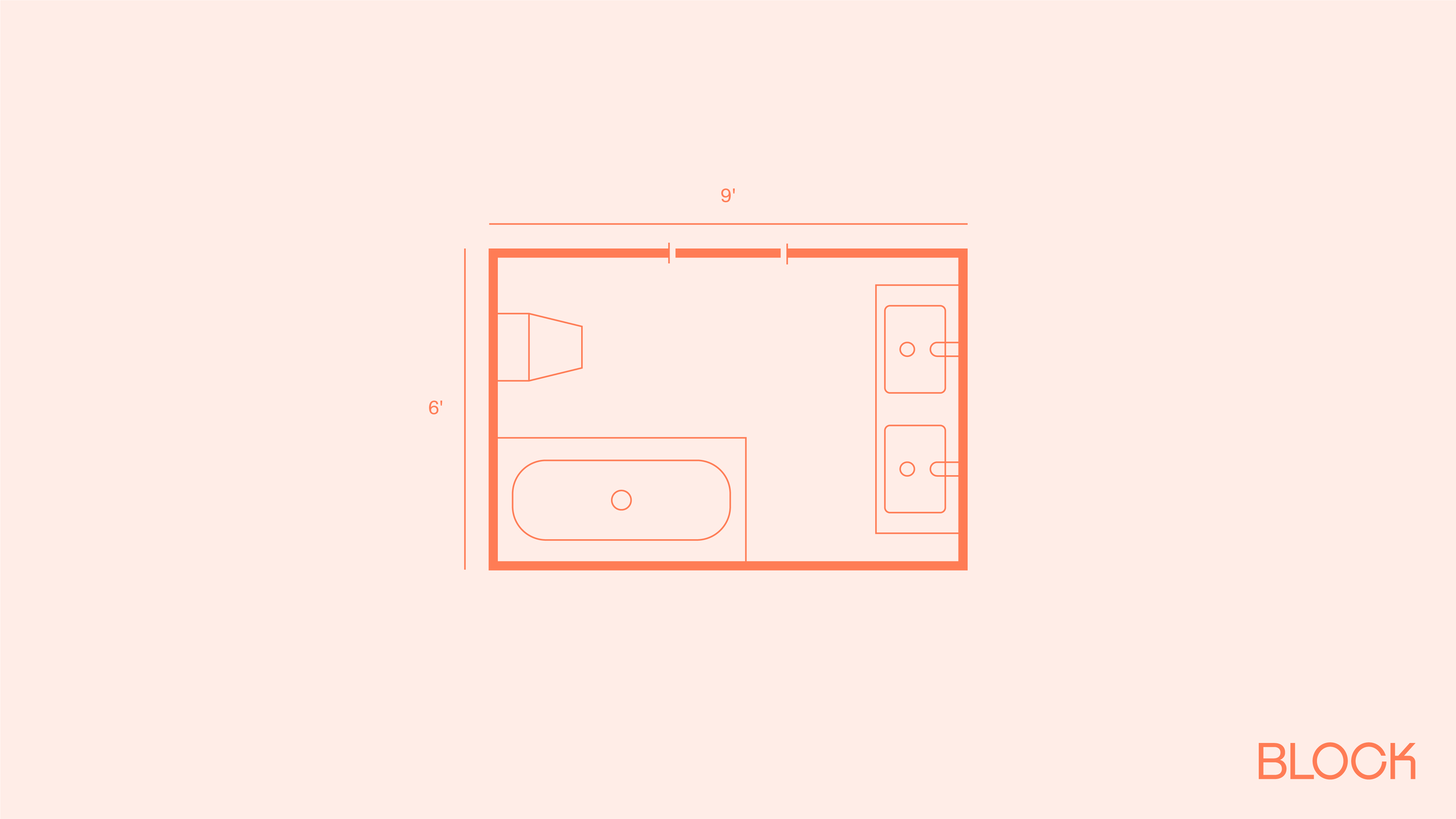
Tub on one long wall. Double vanity and toilet share the opposite wall. Mid-range cost: $15,000 to $22,000, which makes this the most expensive of the four. It combines two wet walls with a double vanity and a full tub, and every one of those adds cost.
The ambition here is the point: tub plus two sinks in 54 square feet. Clearances are tight. The double vanity and the toilet both need to fit within 9 feet of wall, which works if the vanity stays at 60 inches and the toilet keeps its required 15 inches of clearance from centerline to any adjacent fixture. Oversize the vanity and the room starts to feel cramped.
What justifies the cost is resale performance. Layout 4 checks the most boxes for the widest range of buyers: tub for families, double vanity for couples, two wet walls for the modern look that photographs well in listings. Work with a contractor who checks the clearances at rough-in, before tile goes up.
Block Renovation's free Renovation Studio lets homeowners draw the bathroom, swap between a tub and a walk-in shower, test a single vanity against a double, and watch cost estimates update in real time as the layout changes. The point is to see what each decision costs before the demo crew arrives, not after.
Once the layout is set, Block matches the project with vetted local contractors who bid on your exact scope. Every scope gets reviewed by Block experts and AI-enabled tools before bids go out, which catches the missing line items that cause most of the change orders in bathroom renovations (undersized hot water lines, missing waterproofing membrane, wrong venting for the exhaust fan). Payments flow through Block's secure system and release to the contractor as work progresses, so the budget stays tied to actual progress. For bathroom projects, where hidden water damage shows up in roughly one in three renovations, that structure is what keeps a $12,000 project from becoming a $20,000 project.
Remodel with confidence through Block
Connect to vetted local contractors
We only work with top-tier, thoroughly vetted contractors

Get expert guidance
Our project planners offer expert advice, scope review, and ongoing support as needed
Enjoy peace of mind throughout your renovation
Secure payment system puts you in control and protects your remodel

Renovate confidently with Block
Easily compare quotes from top quality contractors, and get peace of mind with warranty & price protections.
Bathroom Floor Plans
Single Wall Bathroom Layout: Pros, Cons, and Tips
07.22.2026
.jpg?width=640&name=5301c89b-3165-4f83-af34-a6b02eaa6c48%20(2).jpg)
Bathroom Floor Plans
Long, Narrow Bathroom Floor Plans: Layouts That Work
07.21.2026
.jpg?width=640&name=2a430d6c-5cf0-4596-9a89-601f3d2d6391%20(7).jpg)
Bathroom Floor Plans
Square Bathroom Floor Plans & Layout Tips
07.18.2026
Bathroom Floor Plans
300 Sq Ft Bathroom: 7 Large Master Bath Layouts
06.05.2026
Bathroom Floor Plans
100 Square Foot Bathroom Layout: Make It Work
06.02.2026