





Alaska
Custom Home Building in Anchorage, AK | Costs & Tips
03.26.2026
03.26.2026


In This Article
Anchorage sits at the base of the Chugach Mountains with sweeping views of Cook Inlet, giving residents front-row access to some of the most dramatic landscapes in North America. The city is home to roughly 290,000 people and serves as the economic, cultural, and transportation hub of the entire state. Outdoor enthusiasts enjoy hundreds of miles of trails, world-class fishing, and skiing within minutes of their front door, while Alaska's lack of state income and sales tax makes the region financially attractive.
Building a custom home here, however, comes with a unique set of hurdles that mainland buyers rarely encounter. Glacial soils, frequent seismic activity, and winter temperatures that plunge well below zero demand specialized construction techniques. The compressed building season, limited skilled labor pool, and elevated shipping costs push timelines and budgets higher than the national average.
Turn your renovation vision into reality
Get matched with trusted contractors and start your renovation today!
Find a Contractor
Understanding the financial landscape before you commit to a build helps you set realistic expectations and avoid mid-project surprises. Here is what current data tells us about custom home construction costs in Anchorage.
The average cost to build a custom home in Anchorage ranges from roughly $250 to $350 per square foot for mid-range construction, with luxury builds exceeding $400 per square foot. A modest 2,000-square-foot home can start at $500,000 and climb significantly depending on design choices and site conditions. Alaska ranks among the five most expensive states for residential construction, and Anchorage reflects that reality despite offering better access to labor than the state's remote regions.
Several factors drive costs up in Anchorage compared to most lower-48 cities. Shipping materials from Seattle via barge adds a freight premium, skilled tradespeople command higher wages due to the limited labor pool and elevated cost of living, and foundation work can account for up to 30 percent of total project cost when difficult soil conditions are present. Conversely, choosing a lot with existing utility connections, stable soil, and straightforward zoning can keep your budget closer to the lower end of the range.
Lot choice has an outsized impact on total cost in Anchorage. A parcel that requires extensive site grading or a specialized foundation for glacial soils can add tens of thousands of dollars before framing begins. Lots in established neighborhoods with municipal water and sewer will generally cost less to develop than hillside or semi-rural parcels in Chugiak or Eagle River, even though those locations offer more space and privacy.
Foundation and site preparation represent a disproportionately large share of the budget because glacial soils, liquefaction zones, and seismic design requirements often call for deep pilings or engineered foundations rather than simple slab-on-grade. Framing and roofing must meet stringent snow-load and seismic standards, which means heavier connections and more hardware throughout the frame. Labor costs typically consume 30 to 40 percent of the total budget, with specialty trades such as plumbing running $91 to $100 per hour. Insulation and energy systems are another major line item because Anchorage homes require R-38 to R-60 in ceilings and R-21 to R-40 in walls to meet Alaska's Building Energy Efficiency Standards. Permits, geotechnical reports, and engineering fees can total $15,000 to $30,000 or more depending on site complexity.
Every custom home involves choices that balance aspiration with affordability, and the following upgrades are among the most common budget-stretchers in Anchorage.
A reputable local builder can be invaluable during lot selection because they understand the hidden costs that certain Anchorage parcels carry. They can evaluate soil reports, assess slope stability, and flag permitting complications before you close on a purchase. Working with your builder early turns lot selection into a strategic decision rather than a guessing game.
The most desirable building sites in Anchorage combine stable soils, full utility access, and a location that balances convenience with Alaska's natural beauty. Neighborhoods like Huffman-O'Malley, Mid-Hillside, and South Anchorage attract custom home builders who want proximity to top-rated schools, low crime rates, and easy access to both urban amenities and backcountry trails. Evaluating a lot thoroughly with your builder and a geotechnical engineer is one of the smartest investments you can make before breaking ground.
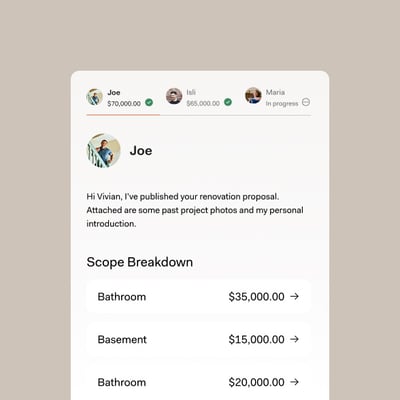
Compare Proposals with Ease
Every region has its construction quirks, but Anchorage packs several significant challenges into one location. Understanding these issues early allows you to budget accurately and design a home that performs well for decades.
Alaska experiences more large earthquakes than the rest of the United States combined, and the Anchorage area was rocked by a magnitude 7.1 event as recently as 2018. Unlike many parts of rural Alaska, the Municipality of Anchorage enforces residential building codes that include seismic provisions based on the International Building Code and International Residential Code. These codes require specific connections between the roof, walls, and foundation to resist uplift and lateral shear forces. Your structural engineer will assign a Seismic Design Category based on site-specific soil data, which dictates the hardware, hold-downs, and bracing throughout the frame.
Anchorage winters regularly bring temperatures below zero and blanket the city in months of snow, making energy efficiency a central design priority. Alaska's Building Energy Efficiency Standards call for ceiling insulation of R-38 or higher, wall insulation between R-21 and R-40, and floor insulation of R-25 to R-30. Heating typically represents over half of total household energy consumption, so selecting an efficient boiler or heat pump and incorporating a heat recovery ventilator are critical decisions. Air sealing around windows, doors, and penetrations is equally important because even high R-value insulation underperforms when infiltration goes unchecked. The upfront cost of premium insulation and efficient mechanical systems pays dividends every winter through lower utility bills.
Anchorage's construction window effectively runs from May through September, when the ground has thawed enough to excavate and temperatures support concrete curing. A delayed material shipment or stretch of wet weather during this narrow window can push your project into the following year, adding carrying costs on your construction loan. Builders who work in Anchorage year-round plan schedules months in advance, securing materials and subcontractors before the season opens so every workable day counts. Prefabrication and modular components are growing in popularity because assembly can happen indoors during winter, allowing rapid installation once conditions allow.
Anchorage is one of the few major cities in the world where brown bears, black bears, and moose are permanent residents. Roughly 1,500 moose roam the Anchorage Bowl, frequently browsing through yards, damaging landscaping, and occasionally becoming aggressive, especially cows with calves in spring. Bears are attracted to unsecured garbage, pet food, and bird feeders, and the municipality can levy fines against homeowners who fail to secure attractants. Landscape design that avoids dense shrub plantings near entryways and uses bear-proof garbage containers is a practical necessity.
A well-managed custom home project comes down to preparation and communication. The following tips reflect lessons learned by Anchorage homeowners who have been through the process.

“Being too hands‑off during construction leads to regrets. Catching issues early prevents costly rework later.”
Finding the right contractor for a custom home in Anchorage can be overwhelming, especially if you are new to the area or building for the first time. Block matches homeowners with vetted, qualified builders who have proven experience in the specific type of project you are planning. Our matching process considers your budget, design preferences, and timeline to connect you with contractors who are the best fit for your Anchorage build.
Every builder in the Block network has passed a rigorous vetting process that includes license and insurance verification with a minimum of $2 million in coverage. Homeowners who build through Block receive protections at no cost, including Price Assurance, progress-based payments tied to completed milestones, a workmanship warranty, and ongoing support. These protections are completely free for homeowners and designed to give you confidence from groundbreaking through move-in day.
Even with a trusted matching service, doing your own due diligence strengthens your decision and builds a stronger working relationship with your chosen contractor. Here are four areas to evaluate when interviewing Anchorage builders.
Building a custom home in Anchorage is a significant investment that rewards you with a residence designed for your lifestyle and built to withstand one of the most demanding climates on earth. The right builder, thorough site evaluation, and realistic budgeting will set you up for a smooth experience from permit to punch list. Reach out to qualified Anchorage builders today to begin turning your vision into a home that stands strong against earthquakes, cold, and time.
Lay the groundwork for a successful custom home
Match with vetted builders
Receive quotes from experienced contractors aligned to your vision.

Hire with confidence
Partner with Block experts to review quotes and timelines for end-to-end clarity.

Stay in control
Avoid surprises with Block Protections and a progress-based payment system.


Renovate confidently with Block
Easily compare quotes from top quality contractors, and get peace of mind with warranty & price protections.