



Architectural Styles
Raised Ranch Remodel Ideas: Challenges & Tactics
07.16.2026
05.01.2026


In This Article
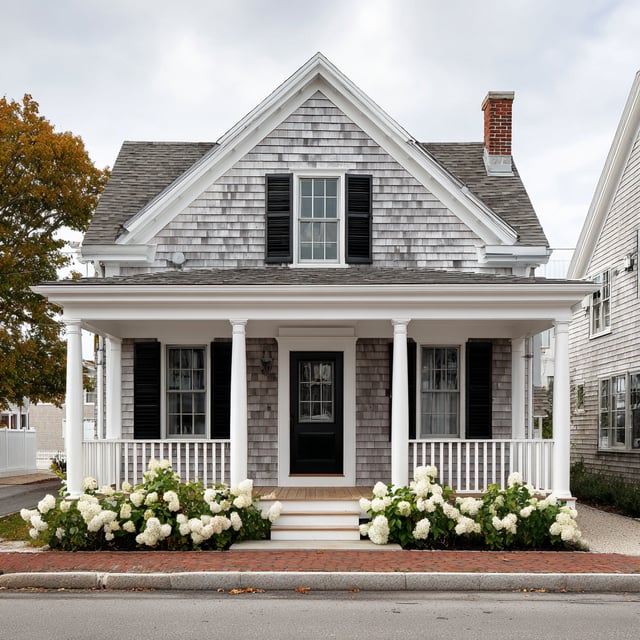
Cape Cods are the most common house in New England and one of the most common postwar houses in the country. The original version (steep pitched roof, central chimney, small windows, shingle or clapboard siding) dates to the 1600s. The version most people own was built between 1945 and 1960, when developers put up tens of thousands of 1,000 to 1,400-square-foot Capes for returning GIs.
Those houses are still great. They're sturdy, they're cheap to heat compared to almost anything newer, and the footprint is the right size for one or two people. What they aren't is bright, open, or well-suited to how anyone lives in 2026. The rooms are small. The ceilings are low. The dormers feel like closets. The kitchens were designed for a single cook doing one task at a time.
A good Cape Cod remodel works around those constraints instead of against them. What follows is a set of before and after pictures from Cape Cod remodels, each one paired with a single principle that most of these houses benefit from.
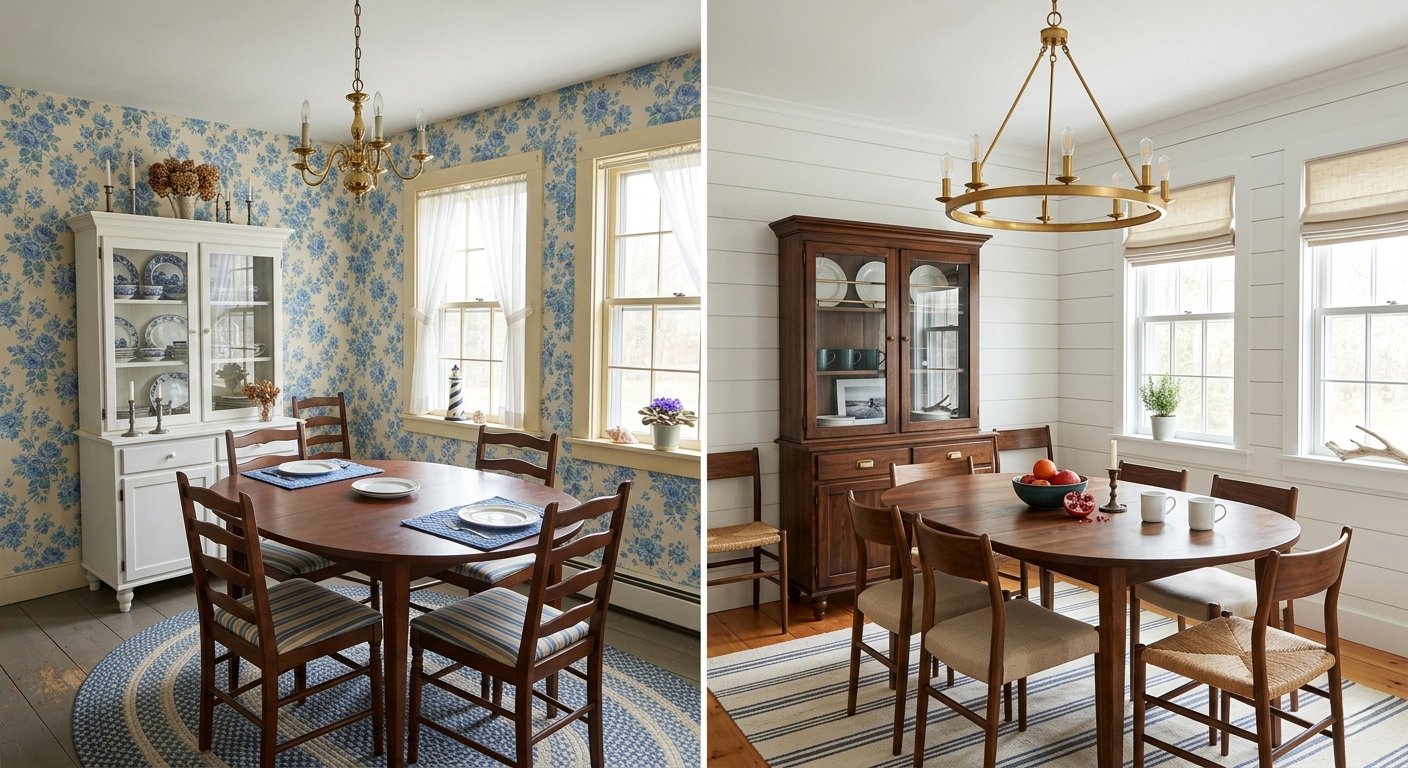
1950s Capes were often papered in large-scale florals, toile, or repeating botanicals. That wallpaper is almost always the first thing your eye snags on, and it flattens everything else in the room. Strip it. In a small dining room with low ceilings, the walls should recede, not compete. Horizontal shiplap, smooth plaster, or a quiet paint color all work. The room you already have will look twice as big once you stop fighting with the walls.
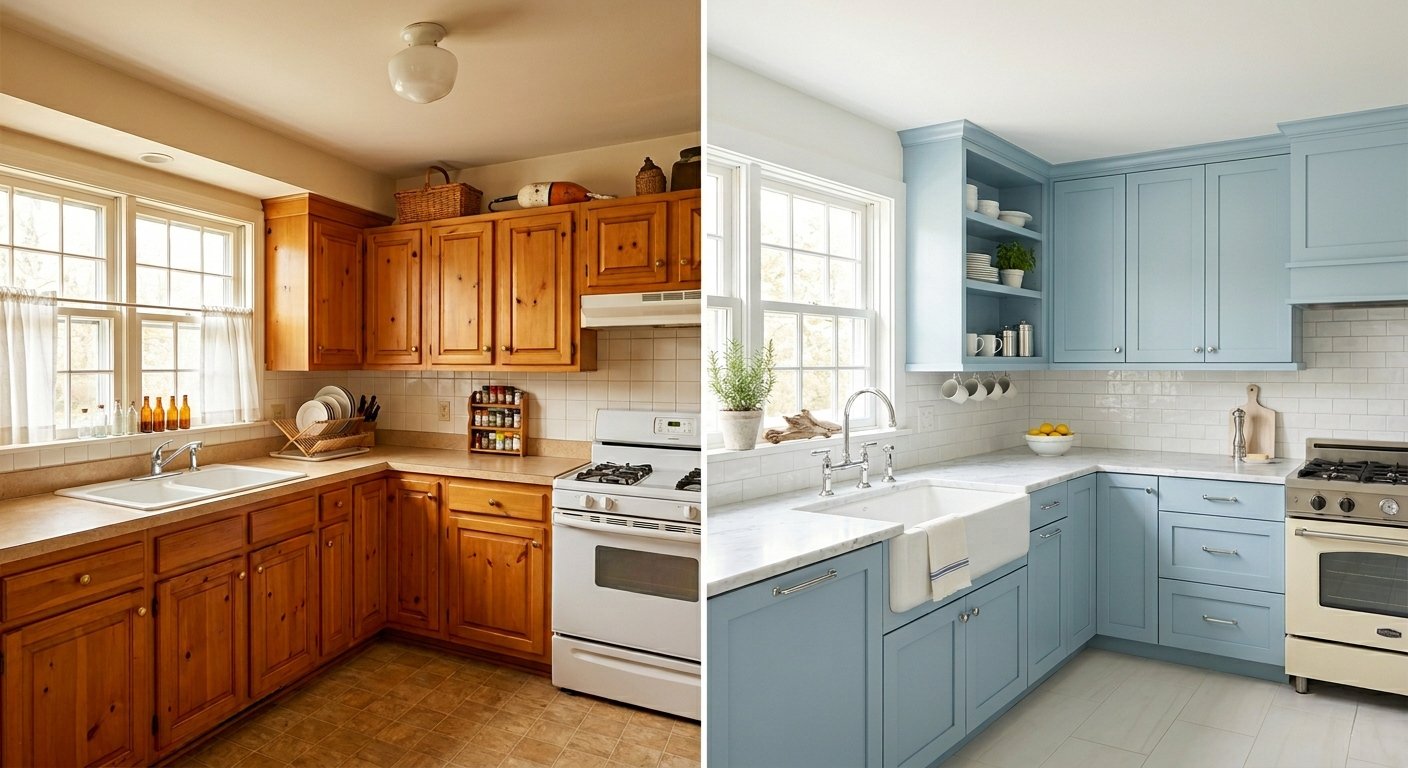
The original 1950s Cape Cod kitchen is usually 80 to 110 square feet, with honey-stained pine or oak cabinets, a single window over the sink, and almost no counter space. Most people don't have the footprint to expand, and they don't need to. Painted cabinets, a lighter countertop, and a real backsplash are the three moves that carry the whole room. Budget roughly $8,000 to $15,000 if the cabinet boxes are sound and just need doors, paint, and hardware. A full gut on the same footprint runs $35,000 to $60,000.
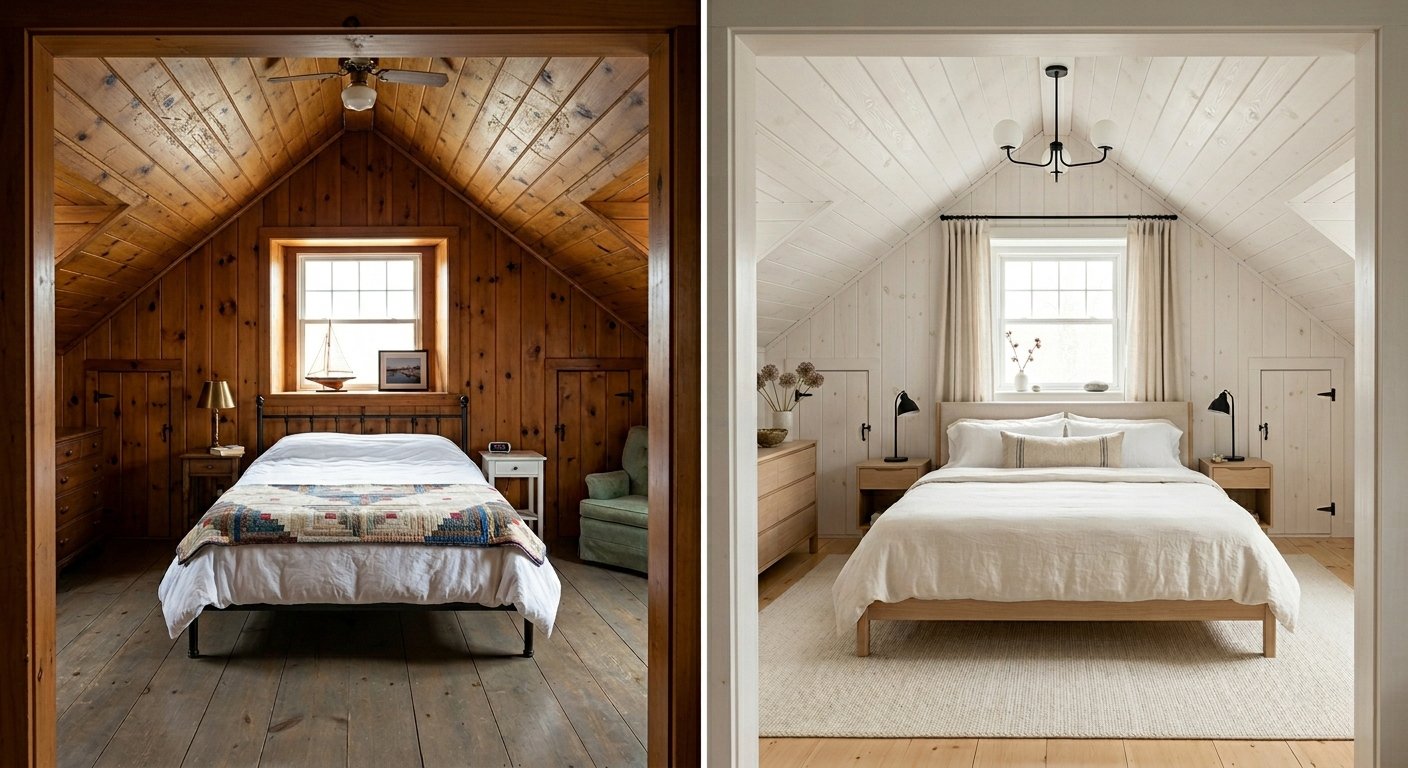
The finished-attic bedroom is a hallmark of the postwar Cape. The knotty pine feels charming for about a week after you move in, and then it starts feeling like a sauna. Whitewash, limewash, or a proper paint job will keep the character of the tongue-and-groove boards without swallowing the light. Dark paneling makes a small room feel smaller, and in a Cape you cannot afford that.
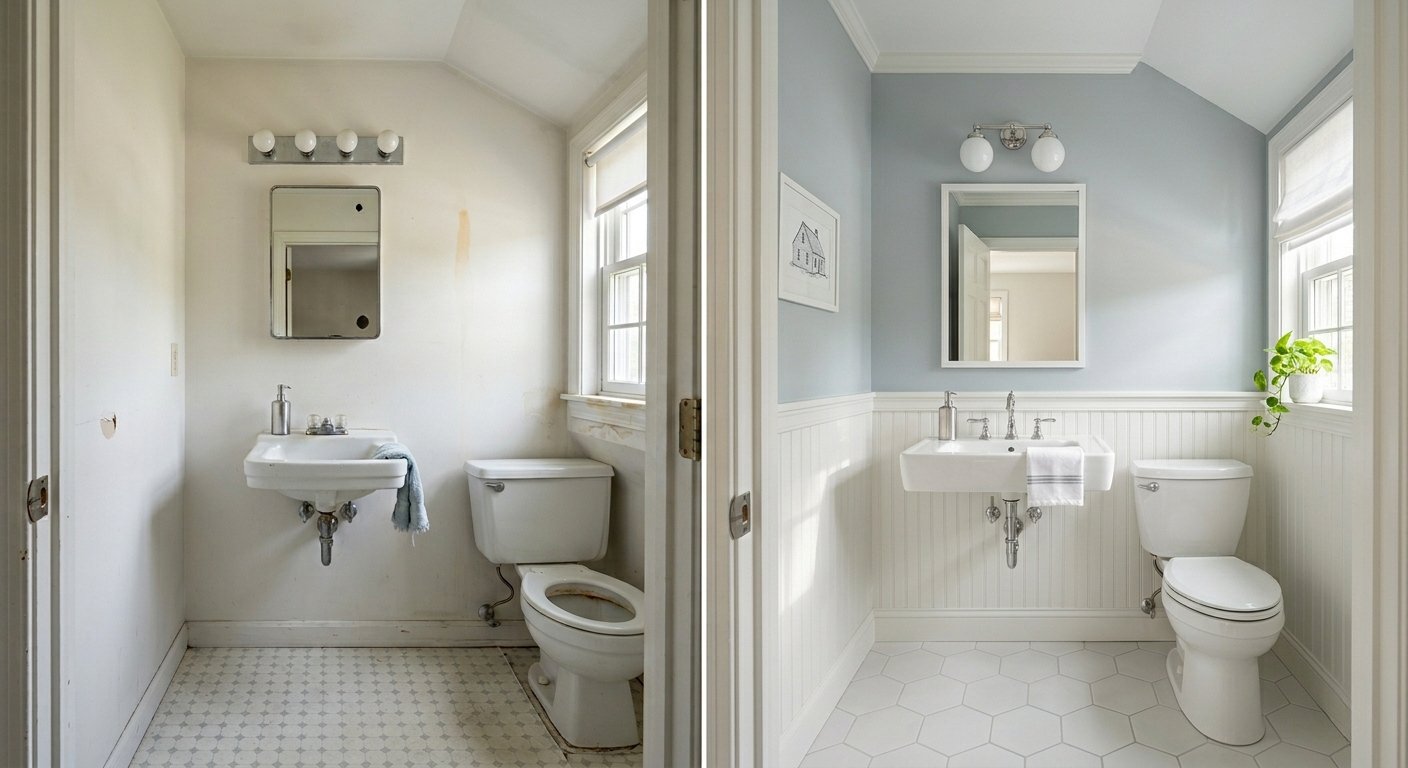
Hall bathrooms in a Cape Cod are typically 30 to 45 square feet. You can't make one bigger without moving walls, and moving walls in a Cape is expensive because the roof framing depends on them. The good news is you don't have to. Paint, beadboard wainscoting to about 42 inches, new floor tile, a better light fixture, and a cleaner mirror will do 80% of the work. Total cost for that kind of refresh is usually $6,000 to $12,000, versus $25,000-plus for a gut.
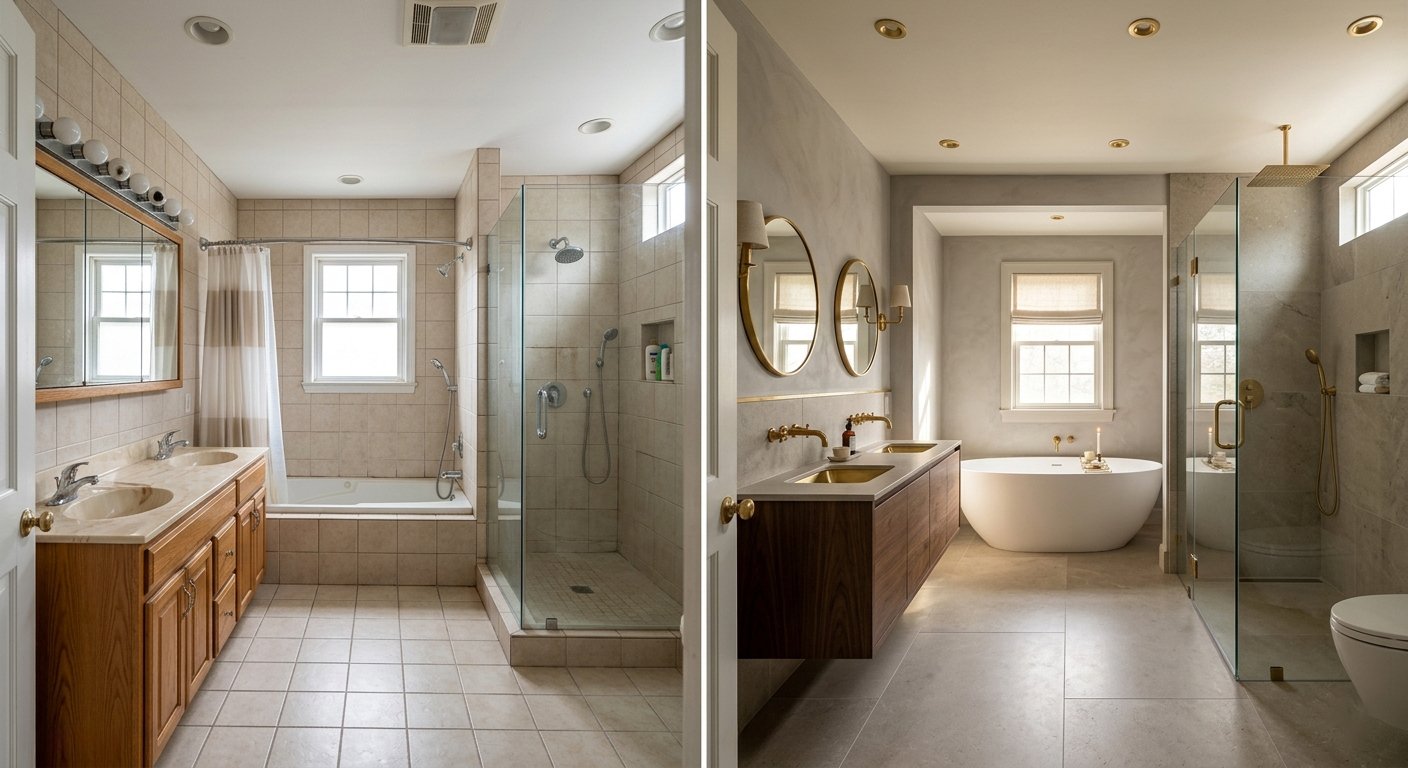
A lot of postwar Capes were built with only one bathroom. When they were expanded, a primary bath was often added with whatever fixtures were on sale that year. If you're remodeling that room, the question worth asking first is whether you actually want a tub. Separating the tub and shower is a significant footprint expense, and it's worth it if you take baths. If you don't, a big walk-in shower and no tub is almost always the better call. A full primary bath gut in a Cape runs $35,000 to $75,000.
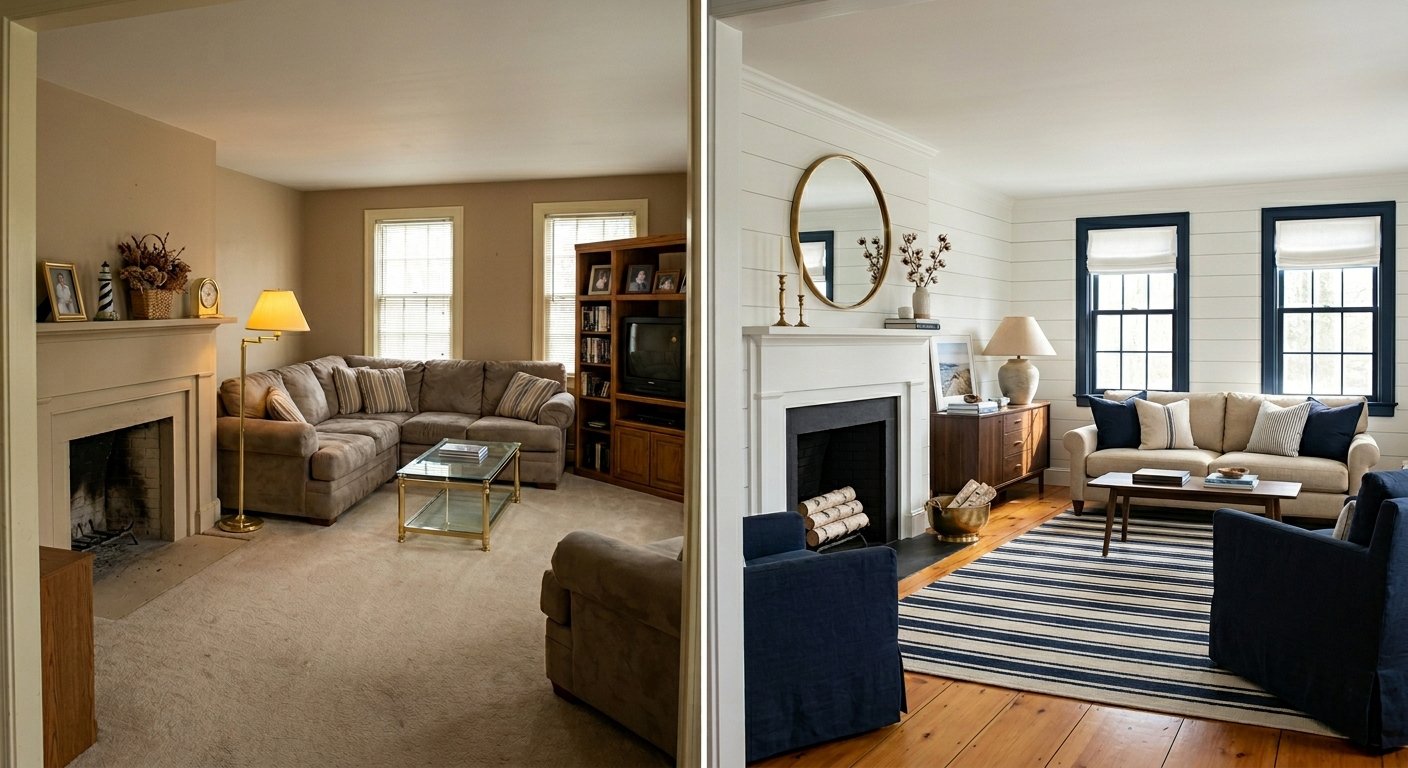
The living room in a 1950s Cape is usually the biggest room in the house, and it tends to carry the most visible wear. Wall-to-wall carpet hiding a perfectly good oak floor. A fireplace surround that's been painted the same beige as the walls for forty years. Brass-and-glass coffee tables from 1987. Pull the carpet first, before you do anything else. There is almost always a usable floor underneath, and seeing it changes how you think about the rest of the room. From there, paint the fireplace, clear the top of every cabinet, and stop. The architecture of a Cape is simple, and the living room is at its best when you let it be simple too.
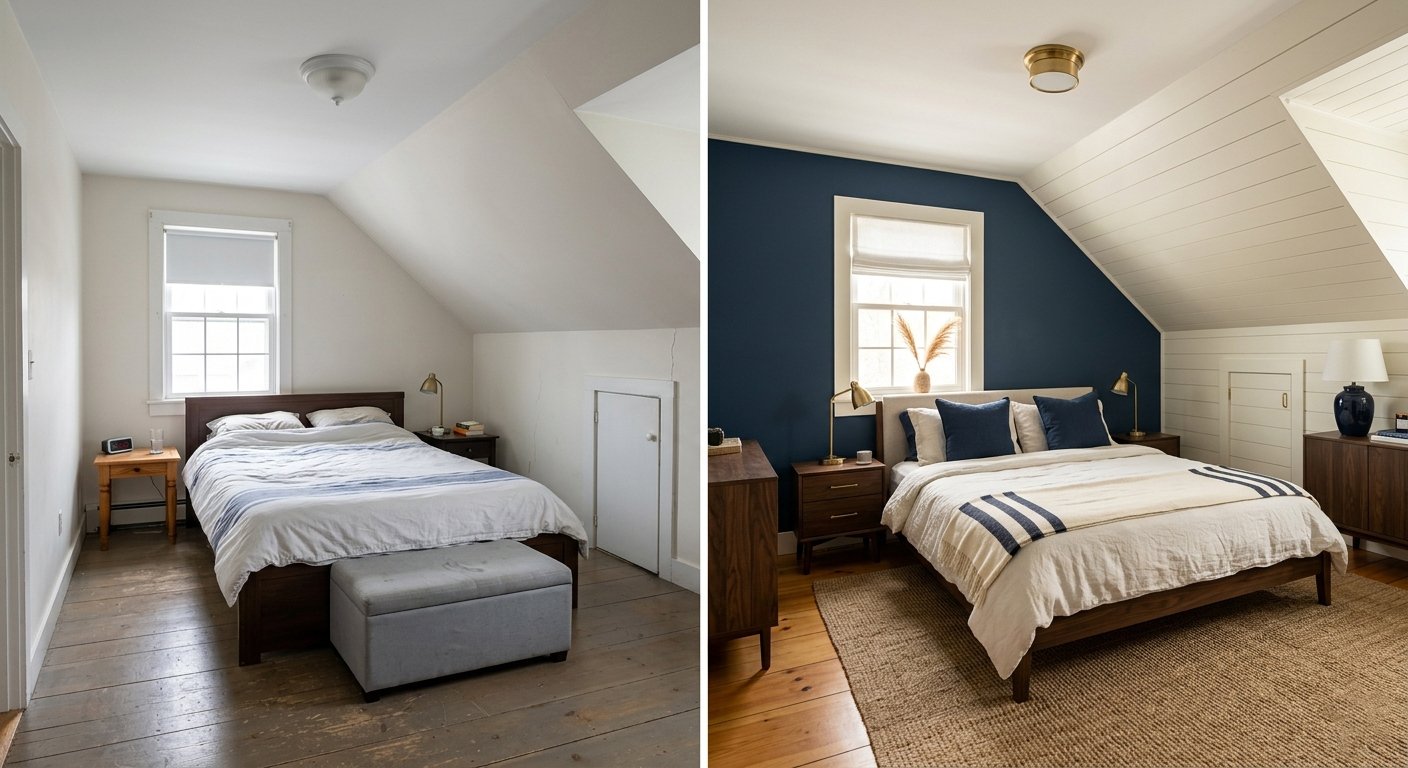
Second-floor Cape bedrooms have sloped ceilings, small windows, and usually a single straight wall where the bed can go. The instinct is to paint everything white to make the room feel bigger. It doesn't work. A room that small will always read as small, and white paint just makes it feel clinical. Commit to a real color on at least one wall (navy, forest green, or a deep ochre all work with the shape of the room) and let the ceiling stay light. It's a small room. Treat it like one.
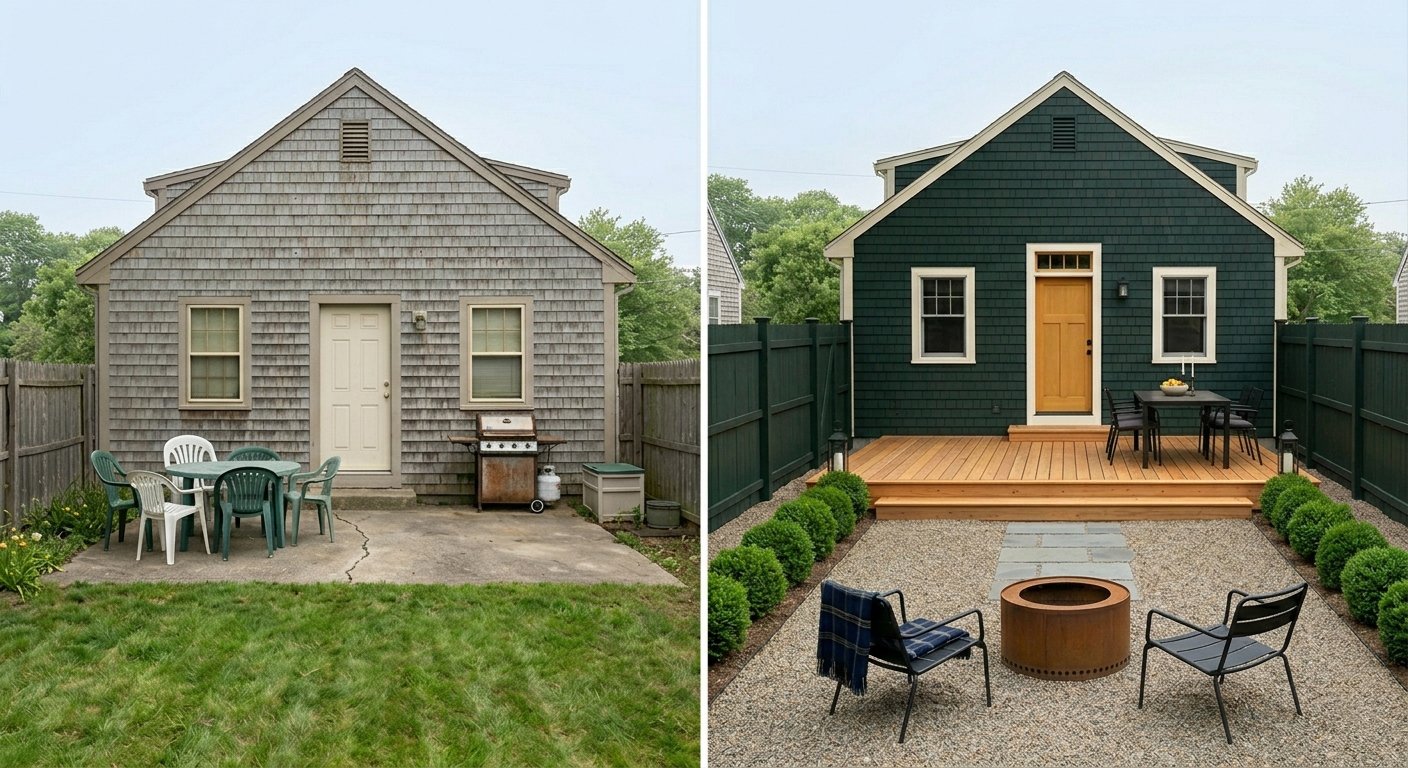
Cape Cod exteriors get tired in ways that interiors don't always show. Cedar shingles gray out. Concrete patios crack. Aluminum storm doors yellow. An exterior refresh that includes new stain or paint on the shingles, a real front door, better landscaping, and usable outdoor space at the back of the house is one of the highest-ROI projects you can do on a Cape. Budget $15,000 to $40,000 depending on the scope, and plan the work in spring or early fall. New England winters are brutal on fresh exterior finishes.
Before and after pictures illustrate what's possible. They won't tell you what your particular Cape actually needs. Every house of this era has its own issues hiding behind the finishes: knob-and-tube wiring, a knee wall with rot, a roof one winter away from leaking, an electrical panel that can't support a new kitchen without a full rewire.
Getting the right contractor on the project is the single most important decision you'll make. Block Renovation matches homeowners with vetted local contractors who have worked on houses of this era specifically, and every scope is reviewed by Block experts before bidding starts, so the issues that hide in a Cape get caught before they become change orders.
If you're still in the planning stage, Block's guide to Cape Cod remodeling ideas and how-tos is a useful place to start. If you're considering expanding the footprint, the guide to Cape Cod additions covers the framing, permitting, and roofline questions that get complicated fast on a house this size. For those looking for a less costly way to expand their footprint, look to our ideas for adding porches to cape cods.
Remodel with confidence through Block

Connect to vetted local contractors
We only work with top-tier, thoroughly vetted contractors

Get expert guidance
Our project planners offer expert advice, scope review, and ongoing support as needed
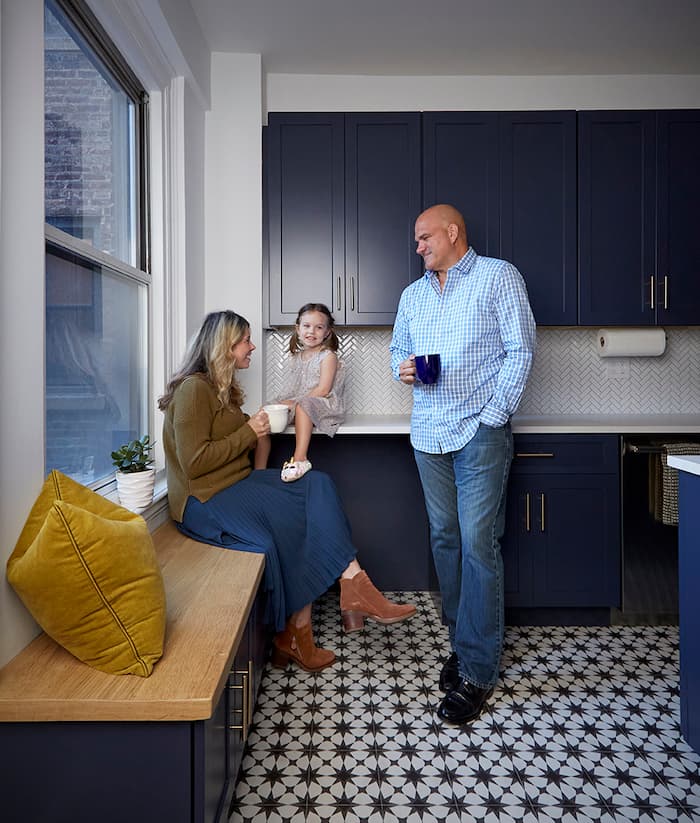
Enjoy peace of mind throughout your renovation
Secure payment system puts you in control and protects your remodel

Renovate confidently with Block
Easily compare quotes from top quality contractors, and get peace of mind with warranty & price protections.
Architectural Styles
Raised Ranch Remodel Ideas: Challenges & Tactics
07.16.2026
Architectural Styles
Craftsman Bungalow Renovation Ideas & Practicalities
07.09.2026
Architectural Styles
Remodeling a 1920s House Without Losing Its Style
07.07.2026
Architectural Styles
Colonial Home Renovation: What to Modernize & Preserve
07.05.2026

Before and After
Kitchen Island Remodel: Before and After Inspo
06.26.2026