


Kitchen Remodel In Charleston, SC: Costs, Permits, & Local Design Tips

Budget your upcoming Charleston kitchen remodel with help from Block
How we get your estimate
Fill out the form above to either connect with contractors for a personalized quote or estimate your costs with Block's Renovation Studio.
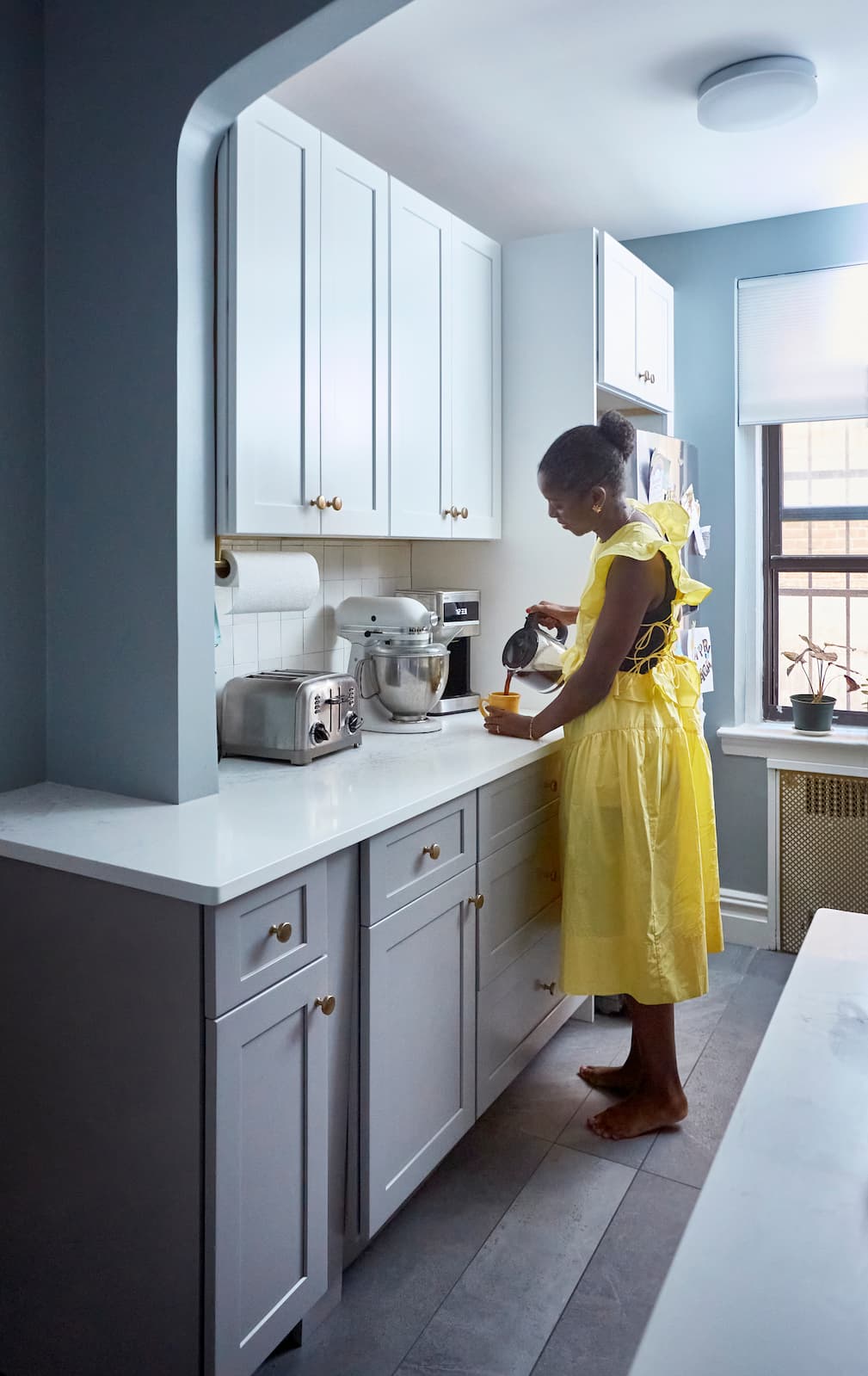
Newly remodeled kitchen with a light green color palette.

In This Article

    Kitchen renovations in Charleston have evolved into thoughtful updates that balance Lowcountry charm, coastal resilience, and everyday livability. In neighborhoods from Wagener Terrace and Park Circle to James Island and Mount Pleasant, you see everything from cottage kitchens getting opened up to downtown condos gaining smarter storage. For many Charleston homeowners, the goal is not just a pretty space, but a hardworking room that stands up to humidity, busy family schedules, and regular entertaining. A kitchen remodel in Charleston, SC, can mean easier weeknight cooking after a long commute over the Ravenel Bridge, more comfortable hosting during Spoleto season, or simply feeling good every time you walk in the door.

    Design a Home That’s Uniquely Yours

    Block can help you achieve your renovation goals and bring your dream remodel to life with price assurance and expert support.

    Get Started

    Budgeting kitchen remodeling costs in Charleston

    While design choices and square footage will be the largest influence in cost, geography plays a role. Overall, kitchen renovations Charleston typically run a bit higher than the national average because of coastal construction standards and a strong renovation market. Higher labor rates, the complexity of working in older and sometimes protected historic homes, and intense demand from both year-round residents and second-home owners all contribute to elevated pricing.

    Project size

    Approximate square footage

    Typical all-in cost range in Charleston

    Small kitchen remodels

    70–120 square feet

    $28,000–$55,000

    Medium-sized kitchen remodels

    130–220 square feet

    $45,000–$90,000

    Larger kitchen remodels

    230–350+ square feet

    $80,000–$160,000+

    Those ranges assume a full-gut remodel with new cabinetry, countertops, appliances, lighting, and finishes, plus necessary updates to electrical and plumbing. If you are in a historic single house south of Broad or a flood-prone area where you must bring systems up to current codes, you may find yourself on the higher end. In newer houses west of the Ashley or in planned communities in Mount Pleasant, you may be able to stay closer to the middle of these numbers because the building envelope and utilities often require less rework.

    Where to save vs. splurge in your Charleston kitchen

    Deciding where to stretch and where to pull back is what keeps a kitchen remodel Charleston feeling both special and financially sane. The trick is understanding which elements you interact with constantly, and which ones you barely notice once the dust settles.

    • Consider saving on stock or semi-custom cabinetry lines. You can still get durable boxes with upgraded hardware while avoiding the premium of fully custom millwork.
    • Opt for saving on a simple subway or ceramic backsplash tile. Classic tile in a thoughtful layout looks timeless and lets you spend elsewhere instead of blowing the budget on imported stone or intricate mosaics.
    • Implement saving on mid-range appliance packages. Unless you are a serious home chef cooking all weekend, mid-range brands perform well in Charleston’s climate without the maintenance expectations of professional-grade equipment.
    • Introduce splurging on high-quality countertops. In a coastal environment with lots of entertaining, resilient materials like quartz or dense granites reduce staining, etching, and daily frustration.
    • Equip splurging on great lighting and electrical planning. Layered lighting with generous outlets, under-cabinet strips, and dimmers makes your kitchen safer, more comfortable, and easier to adapt from early-morning coffee to late-night cleanups.
    • Set up splurging on durable flooring. Spend more on materials that tolerate sand from Sullivan’s Island, muddy paws, and humidity, whether that means engineered wood rated for moisture or porcelain tile with a bit of texture for grip.

    Typical kitchen remodeling labor costs in Charleston

    For most full kitchen renovations Charleston, labor alone commonly runs between $18,000 and $45,000, depending on scope and complexity. That figure bundles together general contractor oversight, demolition, installation, and coordination of trades. Specialty work like complex tile patterns, custom venting, or reframing in older homes downtown usually sits at the higher end. Homes in HOA communities may also require extra site protection and tighter schedules, which can nudge labor costs up slightly.

    Permitting costs for kitchen renovations

    In Charleston, expect typical permitting costs for a kitchen remodel to fall roughly between $500 and $2,000, with more involved structural or historic projects landing at the higher end of that range.

    • Develop permits for structural changes. Moving or removing load-bearing walls, enlarging windows, or altering exterior openings usually requires plan review and structural documentation.
    • Create permits for mechanical, electrical, and plumbing updates. Any work that changes wiring, panel capacity, gas lines, or plumbing layouts generally needs dedicated MEP permits pulled by licensed trades.
    • Build permits for work in historic districts. Projects in downtown historic areas may require additional review by the Board of Architectural Review, especially if anything visible from the street changes.
    • Establish permits related to flood and elevation regulations. If your kitchen is below current flood-elevation requirements or in a designated flood zone, you may need extra documentation to confirm compliance.

    Strategies to preventing delays and overruns

    Even the best-planned Charleston kitchen renovation can bump into surprises, especially in older homes with layers of past work. You cannot control everything, but you can stack the deck dramatically in your favor.

    • Introduce locking key design decisions before demolition begins. Finalizing layouts, cabinet lines, and appliance specs early helps your contractor order long-lead items so they arrive when needed, not months later.
    • Implement building a realistic contingency fund. Setting aside 10–20 percent of your construction budget gives you breathing room when old wiring, undersized ductwork, or water damage appears.
    • Opt for confirming lead times on critical materials. Items like custom cabinets, specialty backsplash tile, and certain appliance finishes can take weeks, and knowing that timeline allows your contractor to phase work around deliveries.
    • Equip clarifying building access and HOA rules upfront. If you live in a condo downtown or a gated community in Daniel Island, getting clarity on work hours, elevator use, and parking avoids last-minute schedule changes.
    • Set up scheduling regular, quick check-ins with your contractor. Short weekly conversations keep decisions moving, catch misunderstandings early, and limit costly rework that can snowball schedules.
    Danny Wang-Block Renovation copy-Mar-03-2026-03-40-56-0956-PM

    “Cabinet lead times—and replacement delays—can significantly extend a kitchen renovation timeline if materials arrive damaged.”

    Find greater budgeting clarity with Renovation Studio

    Renovation Studio from Block is a digital planning experience that helps you understand how different choices actually affect your budget before you commit. You can compare layouts, finishes, and fixture options, and see how moving a wall or upgrading to higher-end cabinetry might impact the overall cost of your kitchen remodel Charleston. The tool lets you visualize design directions like adding a peninsula, expanding pantry storage, or upgrading new cabinets, while keeping an eye on what those decisions mean financially. Because pricing models draw from real project data, it gives you a grounded starting point for conversations with contractors in Charleston, SC.

    Bringing your older Charleston kitchen into the 21st century

    Charleston’s housing stock ranges from 19th-century single houses and Freedman’s cottages to mid-century ranches west of the Ashley and early 2000s builds in newer suburbs. In many of these homes, kitchens were originally designed as workrooms, tucked away from entertaining spaces and not sized for today’s appliances. That history can leave you with awkward layouts, outdated plumbing or electrical, and finishes that simply are not built for modern family life or coastal humidity.

    Design-forward ideas to modernize an older Charleston kitchen

    • Develop rethinking the circulation and sightlines. Opening a wall between a narrow back kitchen and the dining room, or widening an existing cased opening, can bring in light and connect spaces while still respecting historic trim details.
    • Create blending period details with streamlined cabinetry. Pairing Shaker-style cabinets and clean-lined hardware with original heart-pine floors or exposed brick keeps the soul of the home while making storage and maintenance far easier.
    • Build layering coastal-friendly materials. Finishes like quartz counters, porcelain tile that mimics stone, and moisture-resistant paints handle Charleston’s humidity and salt air better than softer, more delicate surfaces.

    What to watch out for with an older kitchen remodel

    • Develop outdated or unsafe electrical systems. Knob-and-tube wiring, ungrounded outlets, or limited circuits often cannot support modern appliances and code-required small-appliance circuits.
    • Create aging plumbing and slow drains. Galvanized pipes, poorly vented lines, or makeshift past repairs can add cost if you discover them only after opening the walls.
    • Build hidden moisture damage and past leaks. In humid Charleston, slow leaks around old sinks, windows, or roofs can mean compromised subfloors or framing that must be addressed before new finishes go in.
    • Establish asbestos and lead paint concerns. Older vinyl flooring, mastics, or painted surfaces in pre-1978 homes may need professional abatement or specialized handling that adds time and expense.

    Ways to bring Charleston flavors into your kitchen remodel

    Charleston, SC, is beloved for its layered history, pastel facades, live oaks, and the way the marshes shift color with every change in light. The culture here is a rich blend of Gullah Geechee traditions, contemporary food scenes, and long-time families who have weathered hurricanes and heat waves together. Your kitchen can quietly echo that sense of place without turning into a theme room. Small inspired touches and material choices help your kitchen feel like it belongs here, not in a generic catalog.

    • Consider soft coastal color palettes. Think pale blues, sea-glass greens, and warm sandy neutrals on walls or cabinetry, rather than stark white everywhere, to reference the harbor and nearby beaches while still feeling calm and timeless.
    • Develop incorporating natural textures that handle humidity. Materials like white oak cabinets with a matte finish, woven barstools, and seagrass-look rugs create warmth, but choose versions rated for indoor durability so they do not feel soggy or worn after a single humid summer.
    • Create framing views of live oaks, marsh, or courtyards. When possible, orient sinks or seating toward the most peaceful outlook your property offers, even if it means a slightly unconventional cabinet run or window swap.

    Compare Proposals with Ease

    Easily compare contractor quotes with intuitive layouts, and side-by-side comparisons to help you make the best choice.
    Get a Quote

    Taking design cues from your Charleston home’s architecture

    Charleston’s architectural mix is part of what makes kitchen renovations here both exciting and challenging. You will find slender single houses downtown, Victorian-era homes in Hampton Park Terrace, Craftsman bungalows, and low-slung ranches west of the Ashley. Each style nudges your kitchen toward certain layouts, window placements, and finish choices, whether you lean modern or stay more traditional.

    Ideas for Charleston single house kitchens in Charleston

    Charleston single houses are typically one room wide with a long, narrow footprint and side piazzas, which often means kitchens end up at the back of the house with limited width but generous length. Those proportions push you toward galley or one-wall-plus-island layouts, and make thoughtful window placement, door swings, and circulation to the piazza doors essential.

    • Consider using a galley layout with parallel runs. Long, narrow rooms often work best with two efficient lines of cabinetry, leaving a central walkway that aligns with doors to the piazza or backyard.
    • Opt for tucking tall storage on interior walls. Pantries, fridge enclosures, and tall cabinets sit more comfortably away from exterior windows, preserving precious natural light and framing views to the garden.
    • Implement aligning finishes with historic trim details. Quiet cabinet profiles and simple, high-quality hardware complement original baseboards, transoms, and fireplace surrounds without feeling like a reproduction museum.
    • Introduce creating a subtle connection to the piazza. If possible, glazed doors or larger openings toward the porch let breezes and light filter into the kitchen while maintaining the linear flow of the single house.

    Ideas for Craftsman bungalow kitchens in Charleston

    Craftsman bungalows in areas like North Central or parts of James Island often feature deep eaves, tapered columns, and cozy front porches, with interiors that emphasize built-ins and strong wood trim. Kitchens in these homes tend to be modest in size but well proportioned, and they respond well to designs that highlight craftsmanship and tactile materials.

    • Equip highlighting warm wood elements thoughtfully. Quarter-sawn oak accents, simple Shaker doors, or a single wood island can nod to original trim without making the space feel dark or dated.
    • Set up keeping upper cabinets somewhat lighter. Glass-front uppers or lighter paint colors near windows keep compact rooms feeling open while lower cabinets carry richer hues or wood tones.
    • Develop echoing Craftsman lines in cabinet details. Proportioned rails and stiles, subtly framed panels, and bracketed open shelves mirror the geometry of existing columns and built-ins.
    • Create coordinating lighting with simple, solid forms. Schoolhouse pendants or metal shades in muted finishes fit the architecture while still accommodating modern LED technology and dimming.

    Ideas for coastal cottage kitchens in Charleston

    Coastal cottages clustered near Folly Beach, Sullivan’s Island, and the creeks around Mount Pleasant often prioritize breezes, light, and sandy feet coming in from the shore. These kitchens must straddle a line between easygoing vacation energy and serious durability, especially if homes are elevated or used as short-term rentals.

    • Build leaning into easy-to-clean surfaces. Non-porous countertops, cabinet fronts with durable finishes, and flush toe-kicks simplify sweeping up sand, shells, and drips from beach coolers.
    • Establish planning generous circulation around islands. Wider pathways handle multiple people cooking, kids snacking, and guests drifting in from the porch without bottlenecks.
    • Develop balancing open shelving with closed storage. A few open shelves for pretty pottery or glassware feel casual and airy, but most everyday items should live behind doors to keep visual clutter in check.
    • Create acknowledging flood and moisture realities. Elevated homes or those in flood zones may benefit from tile floors, water-resistant base cabinet materials, and mechanical systems placed higher than in typical construction.

    Ideas for suburban ranch kitchens in Charleston

    Post-war and mid-century ranch homes in West Ashley, North Charleston, and parts of Mount Pleasant usually have single-level floor plans, lower-pitched roofs, and compartmentalized living spaces. Their kitchens were often built small and enclosed, but the structure generally lends itself well to opening walls and creating more contemporary, open layouts.

    • Consider opening sightlines to adjacent living or dining rooms. Removing a non-load-bearing wall or converting it to a half wall can let light flow while maintaining some definition between spaces.
    • Opt for introducing a peninsula instead of a full island. Peninsulas often work better with existing structural beams and traffic flow in these houses, giving extra counter space without overcrowding.
    • Implement straightening out appliance placement. Rationalizing the work triangle, relocating a lonely wall oven, or grouping refrigerator and pantry zones improves functionality dramatically without adding square footage.
    • Equip updating finishes with a clean, modern edge. Slab or simple Shaker cabinets, composite kitchen flooring, and understated hardware can gently modernize a ranch while respecting its mid-century roots.

    Local businesses to support in Charleston

    Supporting local businesses during your kitchen remodel keeps more of your budget circulating in the Charleston economy and often gives you access to products better suited to our climate. From tile showrooms to lighting shops, local pros understand what holds up in humidity, how flood regulations work, and which finishes resonate with buyers here.

    • Indigo Home: Indigo Home is a design-forward local shop where you’ll find stylish barware, linens, tabletop pieces, and decor that instantly elevate a newly renovated kitchen. It’s a go-to for those finishing touches that make your space feel polished, personal, and pulled together.
    • GDC Home: GDC Home is a longtime Charleston favorite for kitchen upgrades, offering everything from stylish barstools and dining tables to lighting and decor that pull your whole space together. It’s a great stop for layering in coastal‑inspired finishes, textiles, and accents that make a renovated kitchen feel warm, modern, and lived-in.
    • Hausful: Hausful is a modern design shop in Charleston where you’ll find sleek bar stools, sculptural lighting, and streamlined storage that instantly elevate a newly renovated kitchen. It’s a go-to for finishing touches that make your space feel both intentional and beautifully lived-in.
    • Kirkland's Home: Kirkland’s Home in Charleston is a go-to for finishing touches in a newly renovated kitchen, with stylish bar stools, countertop decor, wall art, and functional accents like canisters and serveware. It’s a great spot to layer in personality and warmth once your cabinets, counters, and layout are set.
    • Terrace Oaks Antique Mall: Terrace Oaks Antique Mall is a treasure trove for character-rich kitchen accents, from vintage barstools and farmhouse tables to one-of-a-kind serving pieces and lighting. It’s the spot to source those unique, storied finds that give a newly renovated kitchen warmth and personality.
    • Architectural Antiques & Design: Architectural Antiques & Design is a go-to Charleston source for character-rich kitchen updates, offering everything from reclaimed architectural elements to distinctive hardware and lighting. It’s where you’ll find the one-of-a-kind details—like vintage fixtures and statement accents—that give a renovated kitchen real soul.

    Upgrade your kitchen with Charleston contractors found by Block

    Finding the right contractor in Charleston can feel overwhelming, especially when you are juggling work, family, and tight renovation windows between busy seasons. Block’s matching process connects you with vetted contractors who are experienced with kitchen renovations and comfortable navigating everything from small condos to historic homes. You get a team that is already familiar with Block’s planning tools and expectations, which can help keep communication clearer.

    Remodel with confidence through Block

    Happy contractor doing an interview

    Connect to vetted local contractors

    We only work with top-tier, thoroughly vetted contractors

    Couple planning their renovation around the Block dashboard

    Get expert guidance

    Our project planners offer expert advice, scope review, and ongoing support as needed
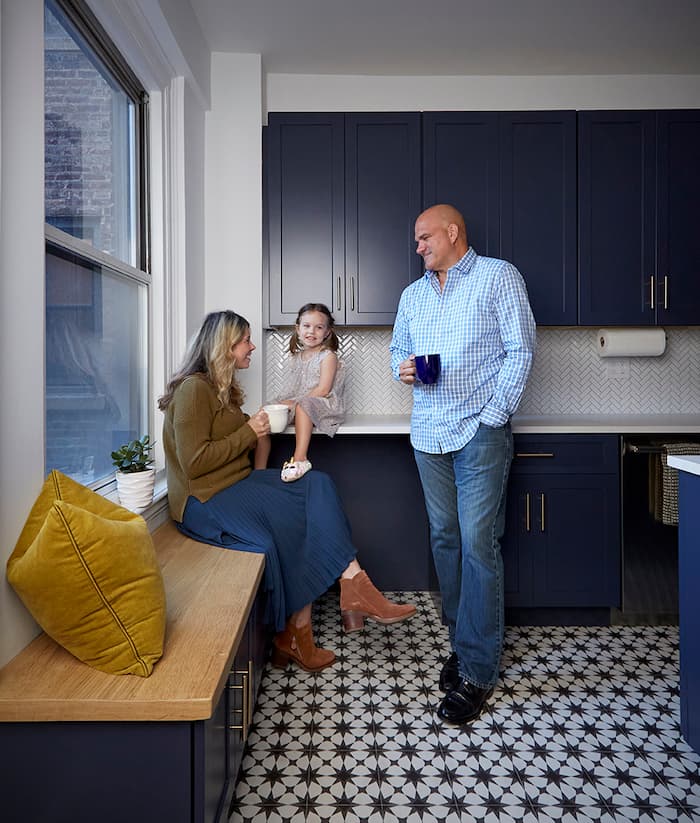
    Familty enjoying coffee in their newly renovated modern ktchen

    Enjoy peace of mind throughout your renovation

    Secure payment system puts you in control and protects your remodel

    Get Started

    Frequently asked questions

    Are certain seasons better than others to renovate kitchens in Charleston?

    Charleston’s humid summers, hurricane season, and busy tourism calendar all play into renovation timing, so it is smart to think through how each season affects your household. Late fall and winter can be ideal because temperatures are milder, afternoon thunderstorms are less frequent, and contractors may have slightly more flexibility between larger exterior projects. Spring can also work well, but you will want to build in some weather-related buffer, especially if your remodel involves exterior venting or window changes. Summer is often the trickiest thanks to extreme heat, more intense storms, and hurricane preparedness, but if that is when you can live without a kitchen most easily, your contractor can plan around it.

    What options are available in Charleston for the removal and disposal of old appliances?

    Most full-service contractors in Charleston will coordinate appliance removal as part of demolition, hauling units to appropriate disposal or recycling facilities, which is usually the simplest path for homeowners. If your appliances still work, you might explore donation to local nonprofits or building-materials resale stores that accept gently used ranges, fridges, or hoods. For non-working units, many municipalities around Charleston offer bulk pickup days or special drop-off centers for metal and refrigerant-containing items, but you will need to follow their prep guidelines closely. In any case, confirm in your contract who is responsible for removal fees so you are not surprised by line items later.

    Is it better to buy materials myself or to rely upon my Charleston contractor?

    It is tempting to try to save money by buying your own appliances, tile, or plumbing fixtures, especially when online deals look attractive, but there are trade-offs. When your contractor sources materials, they typically handle ordering, tracking, and verifying that everything arrives undamaged and correct, and they often have relationships with suppliers who can resolve issues faster. If you purchase items yourself, you might save a bit upfront, but you assume responsibility for delays, wrong sizes, and damage in transit, which can ripple through the schedule. Many Charleston homeowners ultimately choose a hybrid approach, letting the contractor handle critical pieces like cabinets, countertops, and rough materials, while personally selecting a few visible items like pendants or cabinet hardware.

    When does it make sense to use an interior designer for a kitchen remodel?

    Bringing in an interior designer can be especially valuable if your Charleston home has challenging architecture, competing historic and modern elements, or if you feel overwhelmed by decisions. Designers can help you create a cohesive vision that respects the house, balances your wish list with budget, and avoids costly missteps like picking countertops that clash with your flooring. They are also skilled at smaller details that massively affect daily comfort, such as outlet placement on an island or the exact height of shelving. If your kitchen remodel involves significant investment or you are hoping to boost long-term resale value, professional design guidance often pays for itself in smarter choices and fewer regrets.

    What kinds of kitchen remodeling projects can actually hurt my resale value in Charleston?

    In Charleston, buyers generally appreciate updates that respect a home’s character, so projects that erase charm or make layouts less flexible can backfire. Removing a dining room completely in favor of an oversized kitchen may turn off future buyers who host holidays or prefer a more traditional floor plan, especially in older neighborhoods. Ultra-specific features, such as highly themed tile work, extremely bold cabinet colors that are hard to repaint, or unusually high-end appliances in a modest neighborhood, can also limit your pool of buyers. Finally, cutting corners on ventilation, waterproofing, or permits may not show up immediately, but savvy buyers and inspectors will notice, potentially reducing offers or complicating the sale.