




Kitchen
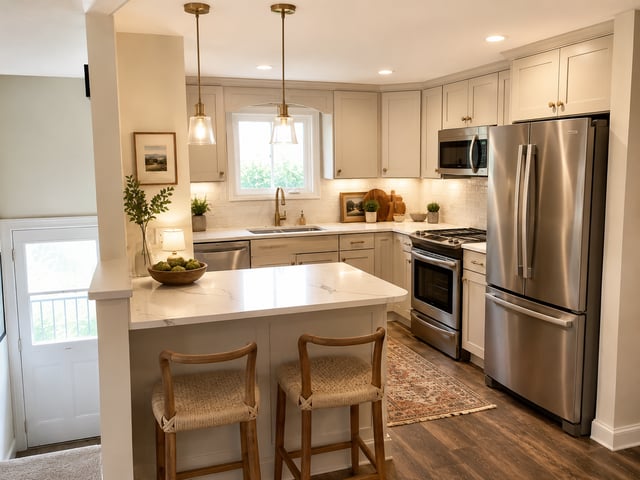
20k Kitchen Remodel: What $20,000 to $30,000 Buys
09.07.2026
05.04.2026


In This Article
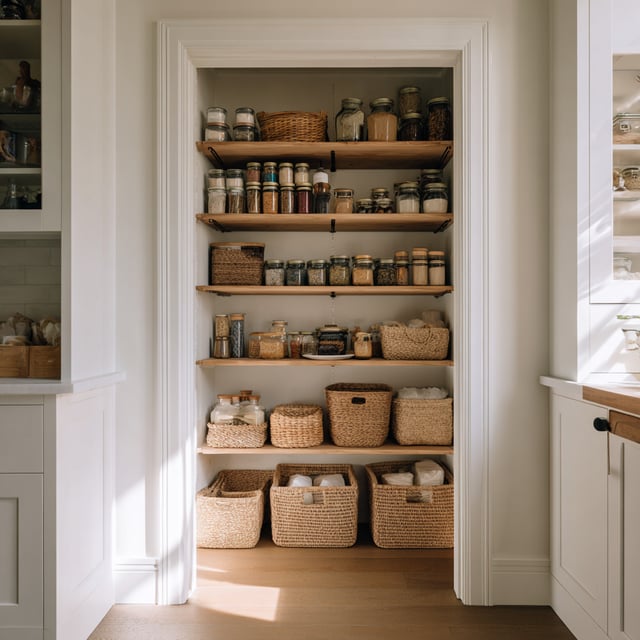
A coat closet that sits five feet from the kitchen is some of the most underused square footage in the house. Converted into a pantry, it can absorb the small appliance overflow, the warehouse-club run, and the spice collection that's been living on top of the refrigerator. The conversion itself can be a weekend project or a small renovation, depending on the closet, the wiring, and the ambitions. Here's how to think it through.
The closet you're starting with shapes most of the decision, but the pantry you actually want comes down to how you cook and shop.
Before going further, answer three questions:
Costs vary by region and by how much of the work is finish-grade versus functional. The ranges below assume a closet between 15 and 35 square feet of floor area.
Basic conversion: $200 to $600. Repaint, adjustable wire or melamine shelving from a big-box store, battery-powered LED puck lights, an over-door rack. No electrical, no flooring changes, no door swap. A weekend of work for someone comfortable with a stud finder and a drill.
Mid-range conversion: $1,500 to $4,000. Custom-cut wood shelving on adjustable standards, two or three pull-out drawers below waist height, new LVT flooring, a hardwired light with a door-jamb switch, an outlet inside, fresh trim and a repainted door. One to two weeks of evenings as a DIY project, or a few days with a handyman.
High-end built-in: $5,000 to $15,000+. Cabinet-grade millwork, integrated lighting, a counter surface with backsplash, a swap from bifold to French doors or a pocket door, sometimes a beverage fridge. This is a small renovation and usually involves a contractor, an electrician, and possibly a cabinetmaker.
A few line items that catch people off guard:
Set aside 10 to 20% of the total budget as a contingency. For a $3,000 conversion, that's $300 to $600 in reserve. Old closets surface old surprises: knob-and-tube wiring, a stud bay that's only 12 inches wide, a floor that turns out to be three layers of vinyl over plywood.
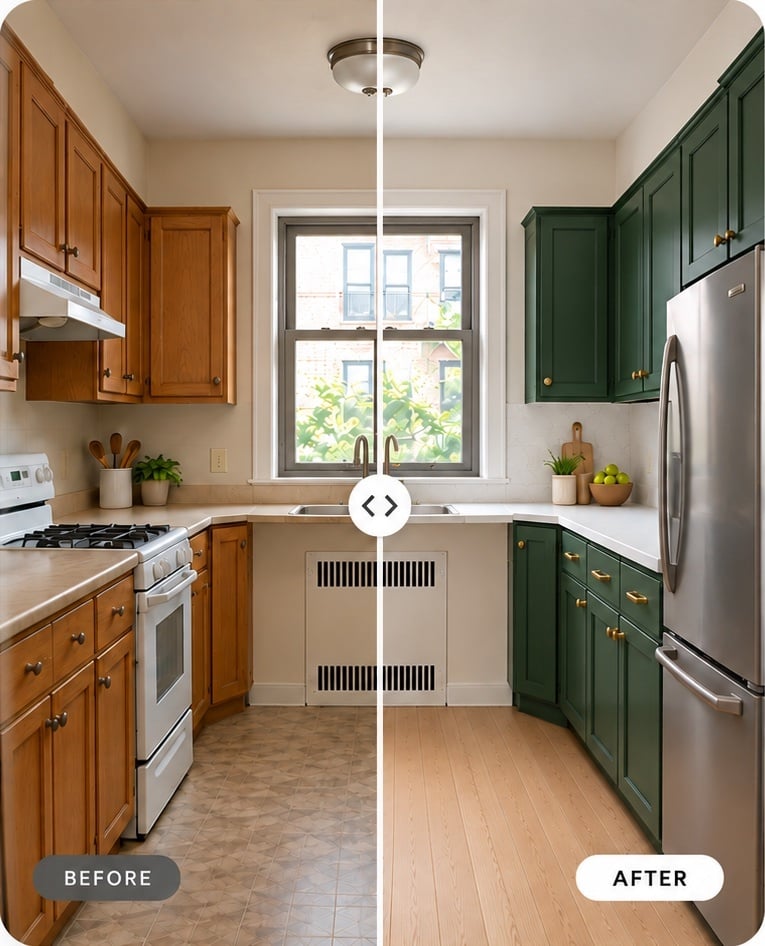
Handier homeowners with free time may genuinely enjoy the project. But a contractor is the smart choice for most folks, and you'll end up with a much better end product. The difference between a weekend DIY pantry and a contractor-built one shows up in the trim, the door alignment, the way the shelves sit perfectly level, and whether the lighting works the way it should five years from now.
The painting, shelving installation, over-door storage, peel-and-stick flooring, and door hardware swap are all reasonable DIY work for someone with basic tools and a free weekend. A stud finder, a level, a drill, and the patience to tape out shelf heights on the wall before you commit to anything will cover most of it.
Where the project gets harder, fast:
Most people, planning a pantry, draw shelves on every wall, floor to ceiling. Then the 24-pack of paper towels, the case of sparkling water, the dog food bin, and the stand mixer have nowhere to go. Leave one wall, or at minimum a corner, with floor clearance for bulk and bins.
The other reason to hold back on shelving: deep shelves swallow inventory. Anything deeper than 12 to 14 inches creates a back row that's effectively invisible. Two shallow shelves beat one deep shelf.
For more on minimum dimensions, clearances, and the math behind reach-in versus walk-in layouts, see Block's guide to pantry sizing.
A stationary lower shelf becomes archaeological within a month. The cans in front get used, the cans in back get forgotten, and at some point you find an unopened jar of capers from three apartments ago.
Pull-out drawers solve this. Pull, see everything, grab what you need, slide it back. The hardware costs $40 to $120 per drawer, and after living with them, most homeowners wish they'd put one in every lower bay. Use them for canned goods, root vegetables, snack overflow, and anything heavy that you don't want to crouch and dig for.
Above waist height, fixed shelves are fine. The visibility problem only applies when you're looking down into something.
The back of a pantry door can hold spices, wraps and foils, snack packets, measuring cups, and a small whiteboard for the running grocery list. An over-the-door rack adds roughly 30% more usable storage to a small pantry for around $40, with no tools required.
A few things to know:
A cool damp pantry is worse than a warm dry one for most food. Flour, nuts, whole grains, dried fruit, and anything in cardboard packaging all degrade faster in humid air, and humidity is what makes pantry moths viable in the first place.
Aim for under 60% relative humidity. A $20 hygrometer will tell you where the closet sits. If it's high, the easy fixes are passive: a container of DampRid on a low shelf, leaving the door cracked when the kitchen runs hot, or a louvered door for airflow. If the closet shares a wall with a bathroom, a dishwasher, or an exterior wall in a humid climate, assume humidity will be an ongoing project.
A related point: pantry moths come in with the groceries, not from neglect. Their eggs are already in flour, rice, birdseed, and dried fruit when those products leave the warehouse. A warm closet hatches them. Bay leaves on the shelves help, freezing flour and grains for three to four days before shelving them helps more, and once anything's been open more than a month it belongs in glass or thick plastic.
Block Renovation pairs homeowners with vetted local contractors who compete for the project, so the quotes you get back are competitive and the scope is real. Every scope is reviewed by Block experts to catch the missing line items and the red flags that drive change orders later. Payments run through Block in stages as the work gets approved, which keeps contractors moving and keeps the homeowner's money where it belongs until the work is done.


Renovate confidently with Block
Easily compare quotes from top quality contractors, and get peace of mind with warranty & price protections.
Kitchen
20k Kitchen Remodel: What $20,000 to $30,000 Buys
09.07.2026
Kitchen
Best Time to Remodel Your Kitchen Plumbing & Other Projects
09.05.2026
Kitchen
Kitchen Remodel Mistakes to Avoid When Planning
08.13.2026
Kitchen
Rental Kitchen Renovation: Smart Materials & Design Choices
08.08.2026
Kitchen
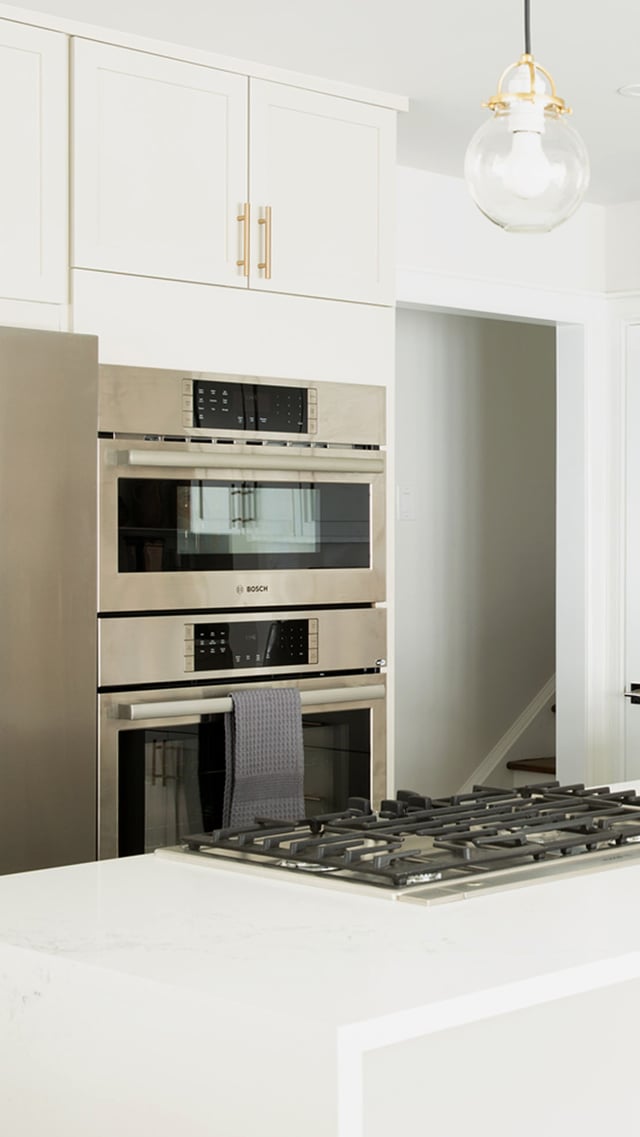
Wall Oven Installation Cost & Are Wall Ovens Worth It?
08.07.2026