



Kitchen
A Galley Kitchen Remodel in NYC - Adding a Breakfast Bar
07.02.2026
04.24.2026


In This Article
There's a reason ranch-style homes have endured as one of America's most beloved residential styles. Single-story living, wide footprints, and a natural connection between indoor spaces make them genuinely functional. When it comes to the kitchen specifically, that translates into a distinct set of opportunities that colonial homes, split-levels, and townhouses simply don't offer. The scale is different. The proportions are different. And the best ranch kitchen remodels are the ones that recognize that and design accordingly.
Design a Home That’s Uniquely Yours
Block can help you achieve your renovation goals and bring your dream remodel to life with price assurance and expert support.
Get Started
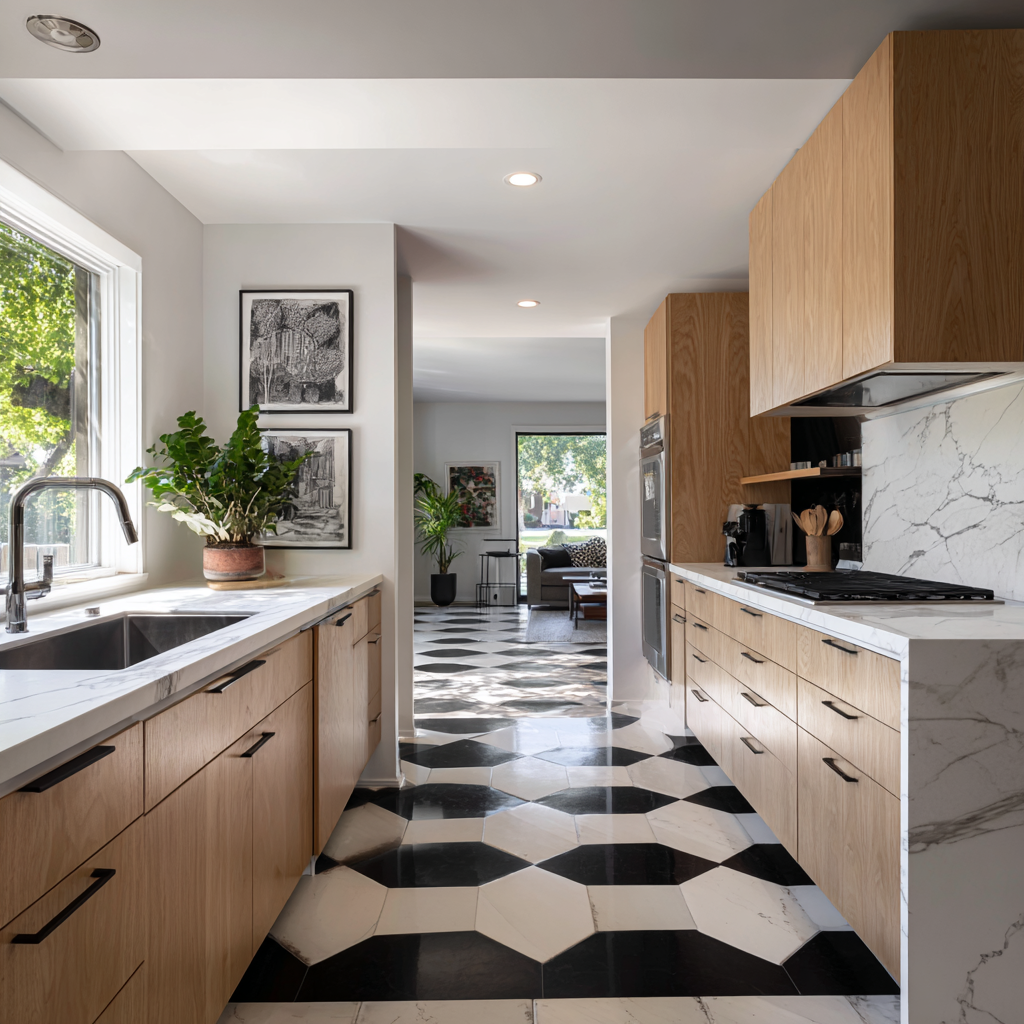
Most homeowners treat the floor as a background. In a ranch home, it deserves to be foreground. It's one of the few elements that runs without interruption from the kitchen through the dining and living areas, and that continuity is a design tool that no cabinetry choice or countertop selection can replicate. A bold checkerboard or geometric pattern in a large format matte tile anchors the whole plan and makes the layout feel designed rather than just open. The budget should reflect how much work this surface is doing.
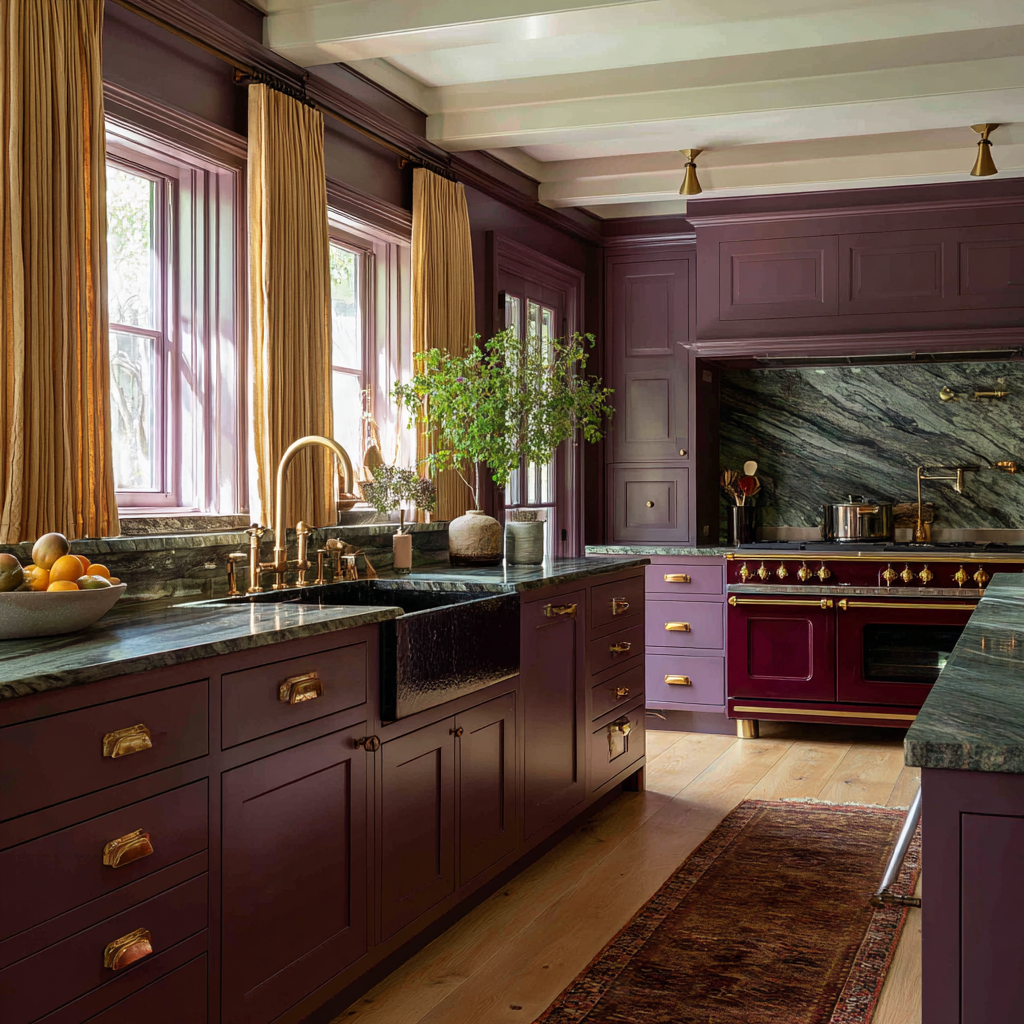
Ranch kitchens often have long, uninterrupted cabinet runs. Sometimes eight, ten, or twelve feet of cabinetry on a single wall without a break. In a smaller kitchen, that much cabinetry in a bold color could feel relentless. In a ranch, it becomes the point.
Running a single deep, saturated color fully to the ceiling on one long wall gives the kitchen a sense of intention that a more cautious approach can't match. The horizontal scale of a ranch kitchen is exactly what a color like plum, forest green, navy, or burgundy needs to breathe. Pair it with a complementary stone countertop with strong veining and the long wall stops being a design challenge. It becomes the room's defining feature.
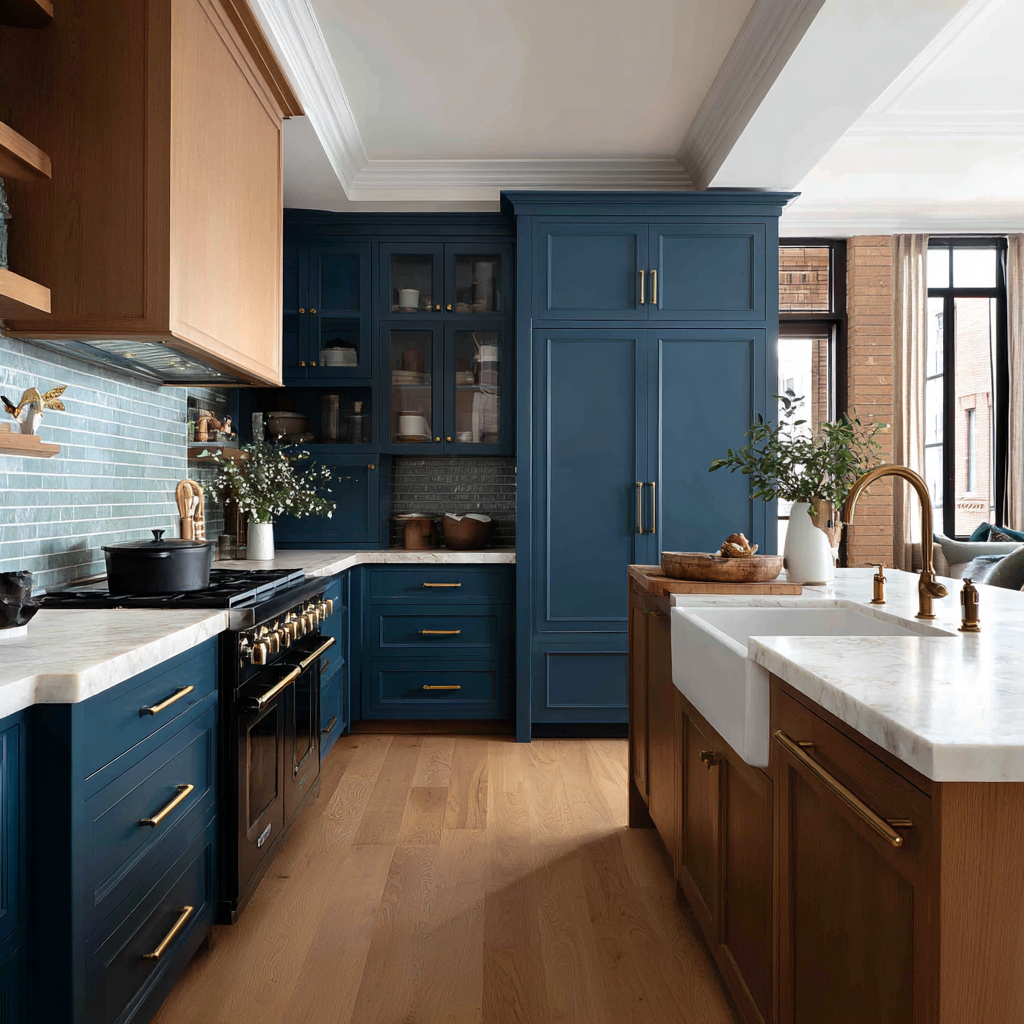
Standard eight-foot ceilings are common in ranch homes. It's one of the most frequent complaints from ranch homeowners: the kitchen feels low, or boxy, or both. The instinct is to fight it: taller cabinets, removed soffits, anything to add height. That instinct is usually expensive and often unconvincing.
Two-tone cabinetry is a more effective solution. A saturated or dark color on the lowers grounds the space and gives it visual weight at the base. A lighter, warmer tone on the uppers draws the eye upward and makes the ceiling feel higher than it is. You can also combine painted doors with those featuring a natural wood stain.
The key detail is running the upper cabinets all the way to the ceiling with no gap. That continuous vertical line is what actually does the work. A soffit or a gap between cabinet top and ceiling undermines the whole effect.
This is one of the more reliable proportional tricks available to ranch homeowners, and it costs nothing beyond the cabinet finish choice itself.
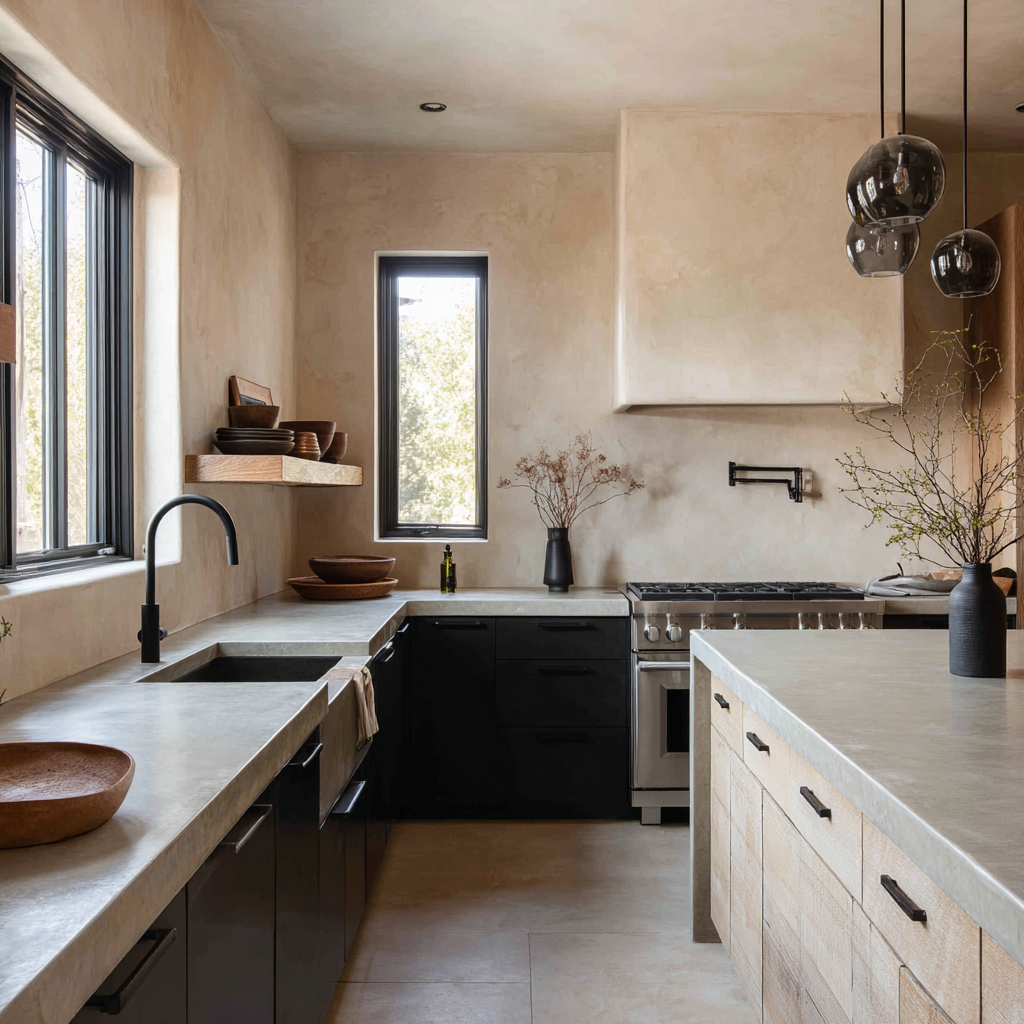
Here's a perspective that doesn't get said enough: large ranch kitchens do not need upper cabinets on every wall. The wide footprint gives you enough lower storage to function comfortably without lining every surface with cabinetry. The kitchens that free up at least one wall from uppers almost always look better, feel more spacious, and read as more intentional.
Cabinets added purely because the wall space exists are not a design decision. They're the default. And in a ranch kitchen, that default costs you something real: the opportunity to treat the wall as a material. A smooth troweled plaster in a warm sand tone, a limewash finish with natural variation, a large format tile carried from countertop to ceiling. Any of these reads completely differently when it has the full wall to itself. In most kitchen types, a treatment like this gets fragmented by cabinetry into strips too narrow to register. In a ranch kitchen, you can give it room to breathe. The result is a kitchen that feels considered and personal rather than just well-stocked.
If your lower cabinets give you the storage you need, let the walls do something else.
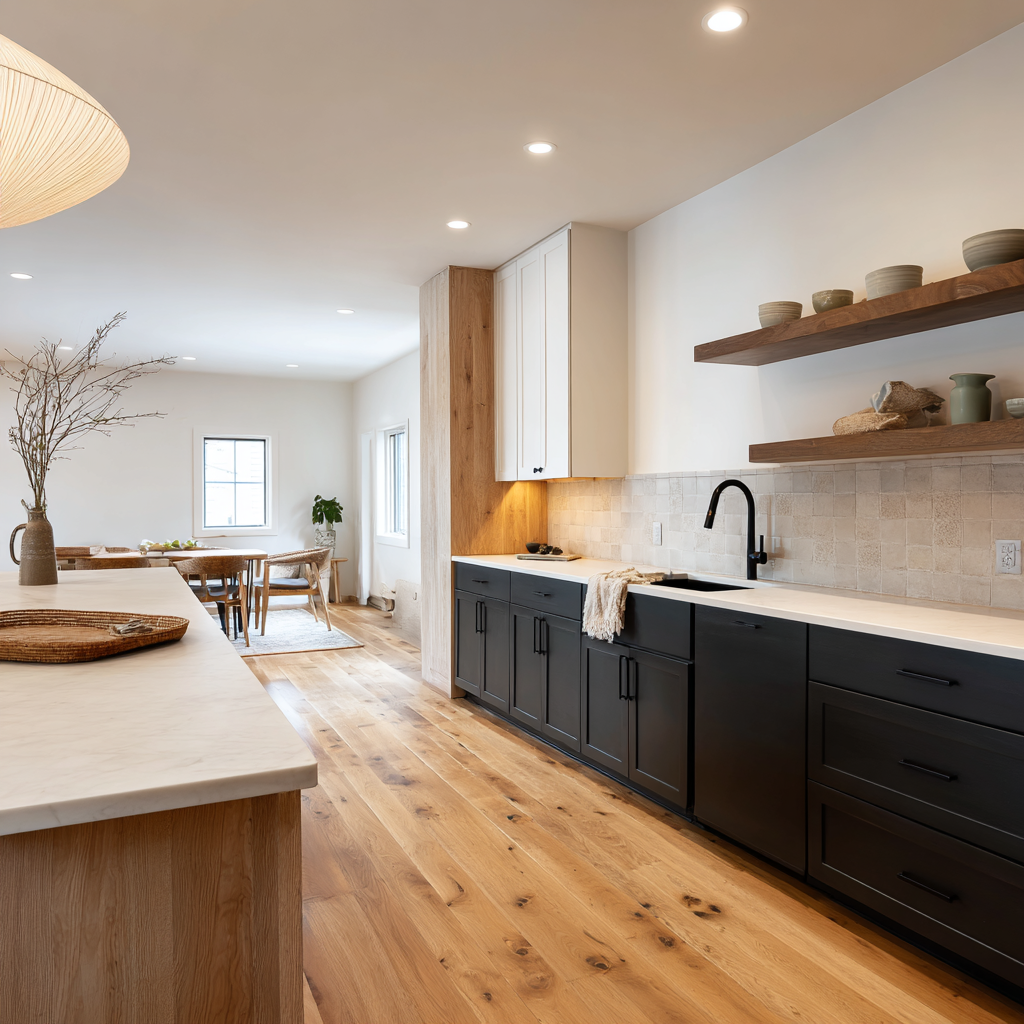
Ranch homes from the 1950s through the 1970s have a built-in mid-century character that a surprising number of homeowners try to renovate away, and then spend money trying to recreate later. Flat-panel cabinet doors, simple hardware profiles, clean horizontal lines: these are native to the architecture. A kitchen that leans into those qualities reads as tailored to the home. One that fights them tends to look like a renovation that happened to a ranch house rather than one that belongs to it.
This is especially worth considering in homes where original details are still intact: a low wood-beam ceiling, a wide clerestory window, original terrazzo flooring. A Japandi-influenced direction pairs naturally with mid-century ranch bones because both share a commitment to clean lines, honest materials, and restraint. The design language is already there. The remodel just has to honor it.
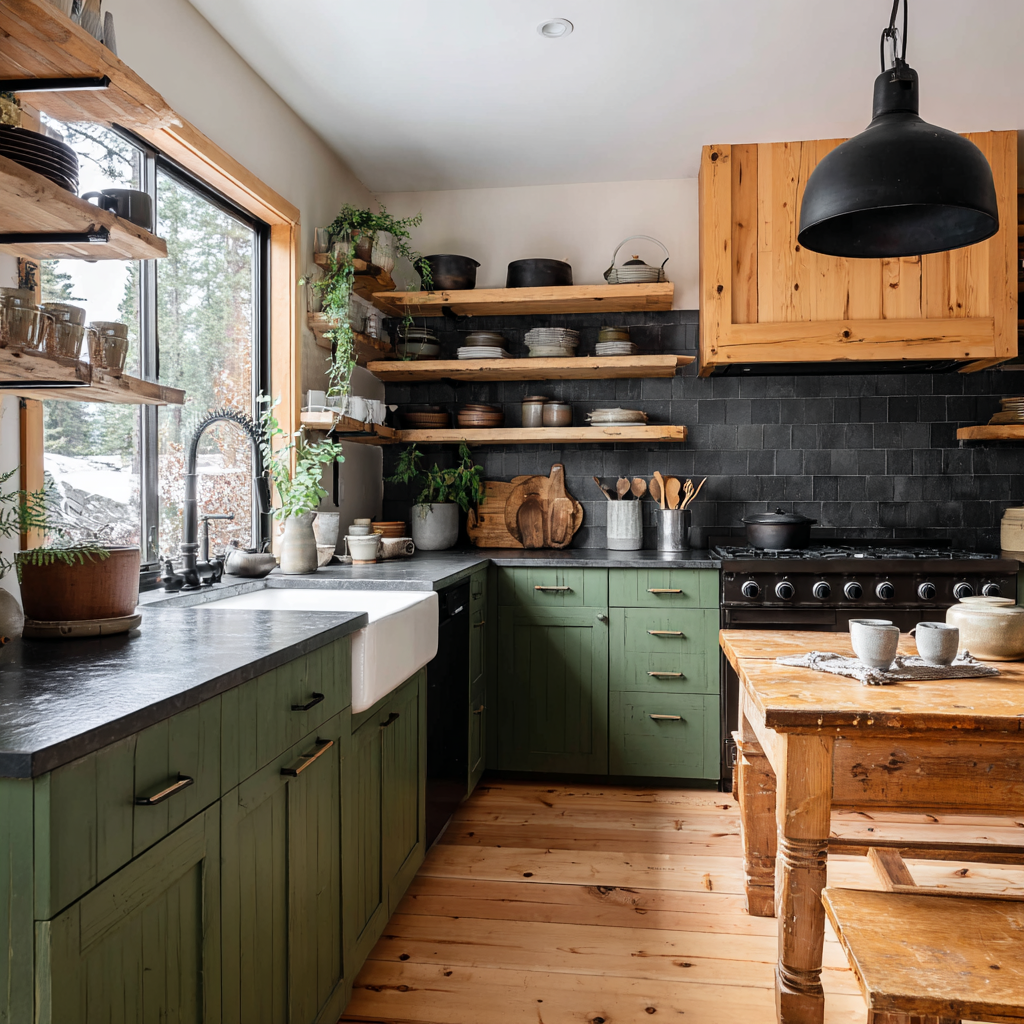
The knee-jerk response to a low ceiling in a ranch kitchen is to spend money trying to make it feel taller. Raise the cabinets. Remove the soffit. Find ways to add vertical inches. Sometimes that's the right call. More often, it produces a kitchen that looks like it's trying to be something it isn't.
Dark or richly colored backsplash tile, pendants hung low over an island, a ceiling treated in warm wood or painted a deep tone: these choices lean into the intimacy rather than apologizing for it. The ranch homes that handle this best aren't the ones that achieved the illusion of height. They're the ones that stopped caring about height and designed for atmosphere instead.
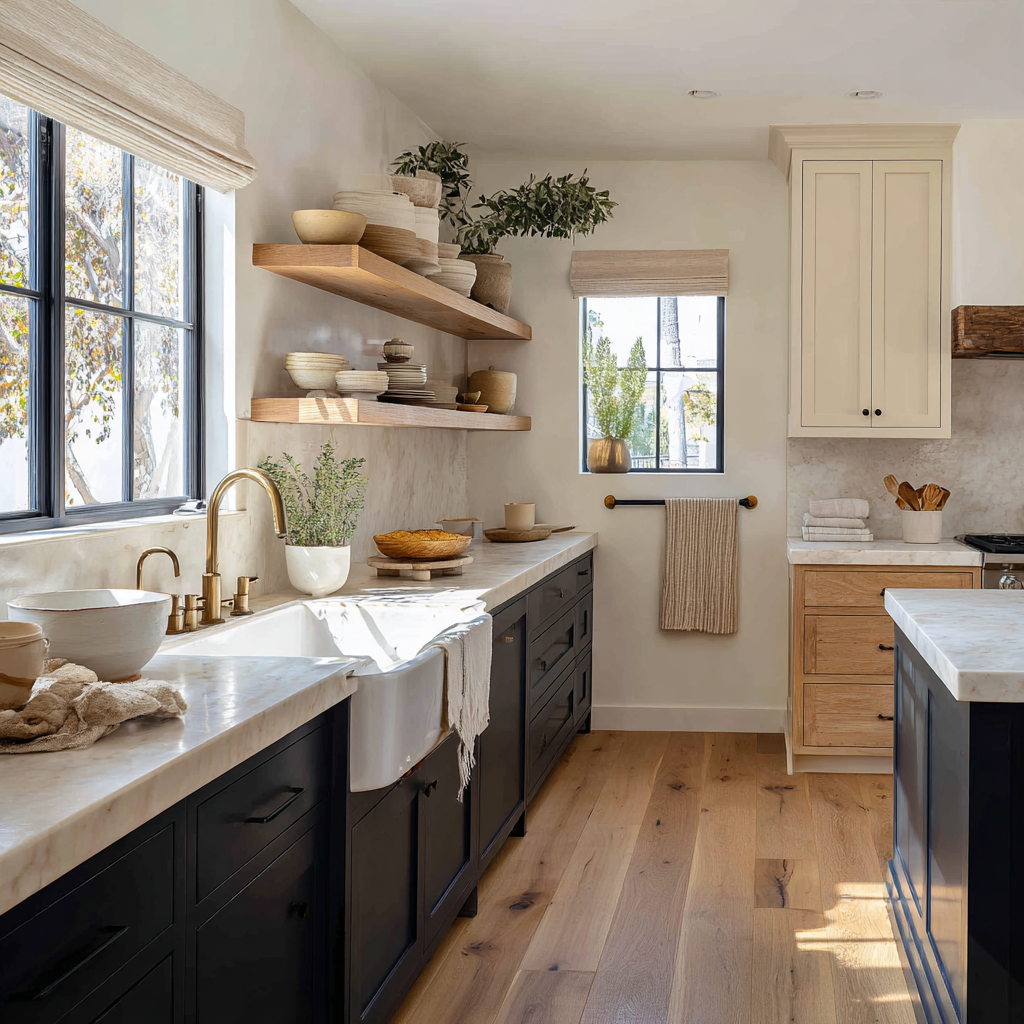
In a colonial or townhouse kitchen, counter runs get interrupted constantly: by windows, doorways, changes in wall direction. In a ranch kitchen, it's common to have eight, ten, or twelve feet of uninterrupted countertop on a single wall. That scale changes what the material can do.
A heavily veined quartzite or soapstone that would feel busy in a smaller kitchen becomes a feature at this length. The veining reads as a composition. It gives the wall a visual anchor that backsplash tile, however well chosen, can't replicate. The practical advice here is specific: choose a slab rather than tile, and ask to see the full slab before committing. What the veining does across a ten-foot run is what you're actually buying, and that's not something you can evaluate from a sample.
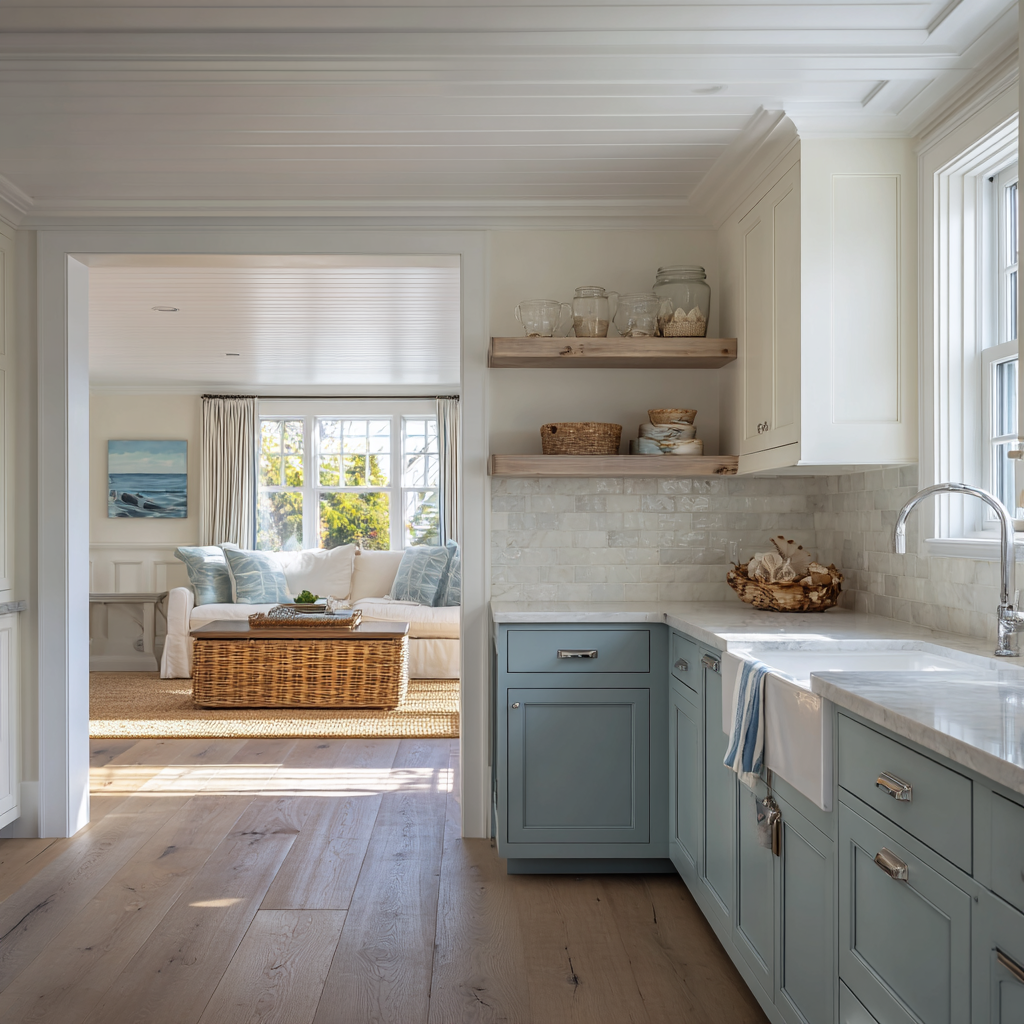
Almost every ranch kitchen has a window above the sink. Almost every ranch kitchen under-treats it.
Because ranch windows tend to sit low and run wide, the window above the sink is more prominent here than it would be in a taller home. A simple cafe curtain on a brass rod keeps the light while adding softness. A bare window with a deep sill and a single potted plant makes a different kind of statement. A Roman shade in a fabric that connects to the adjacent living space ties the rooms together in a way that's easy to underestimate. Whatever you choose, treat it as a design decision rather than a finishing detail. In a ranch kitchen, that window is a focal element whether you approach it that way or not.
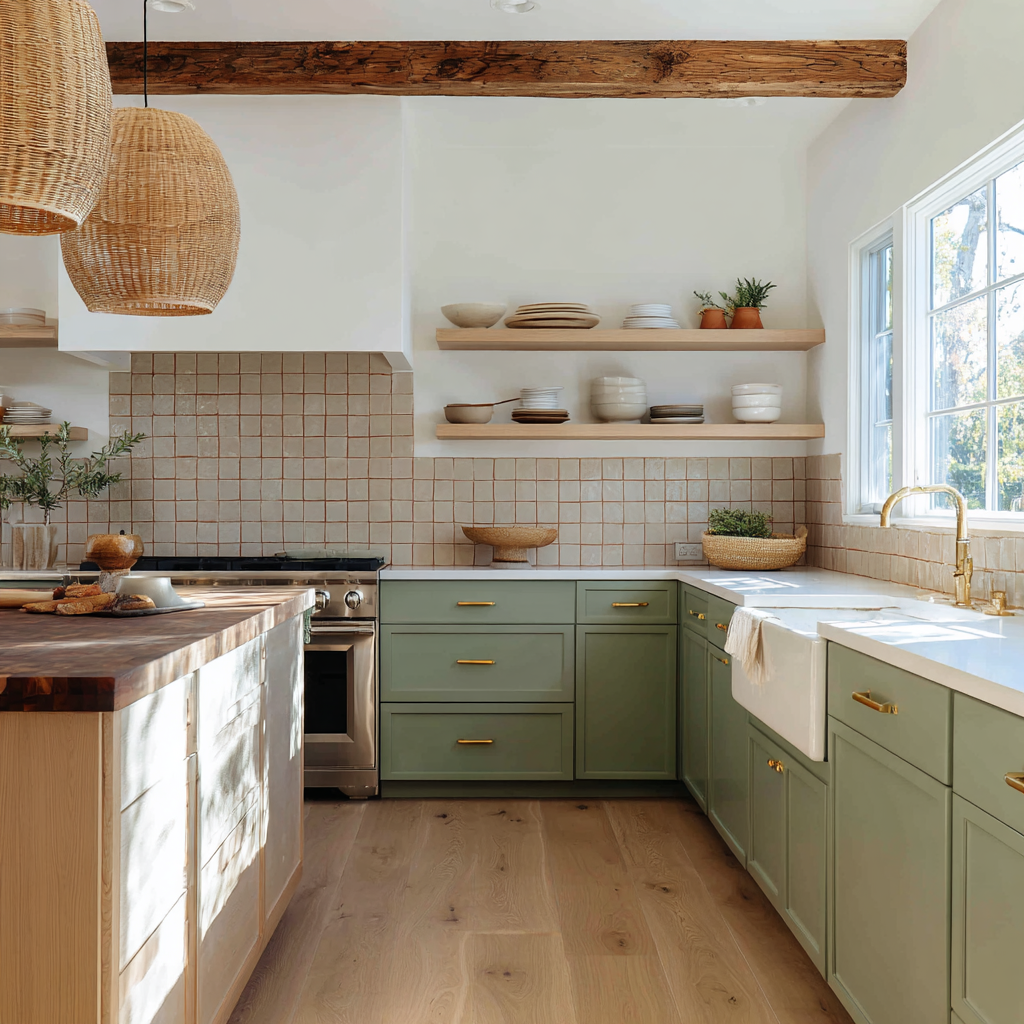
In a ranch home, the range wall is often visible from the living area. That makes it the kitchen's most public-facing surface and the wall anyone sitting in the adjacent room will look at most. Most homeowners treat it like every other wall. It should be treated like a composition.
A hood surround built out in painted wood with clean molding detail, flanked by full-height cabinetry in a rich color, with a backsplash material that has real depth and variation: that's a range wall worth looking at. The homeowners who get this right tend to spend their money here first and work outward from there. That's usually the right order.
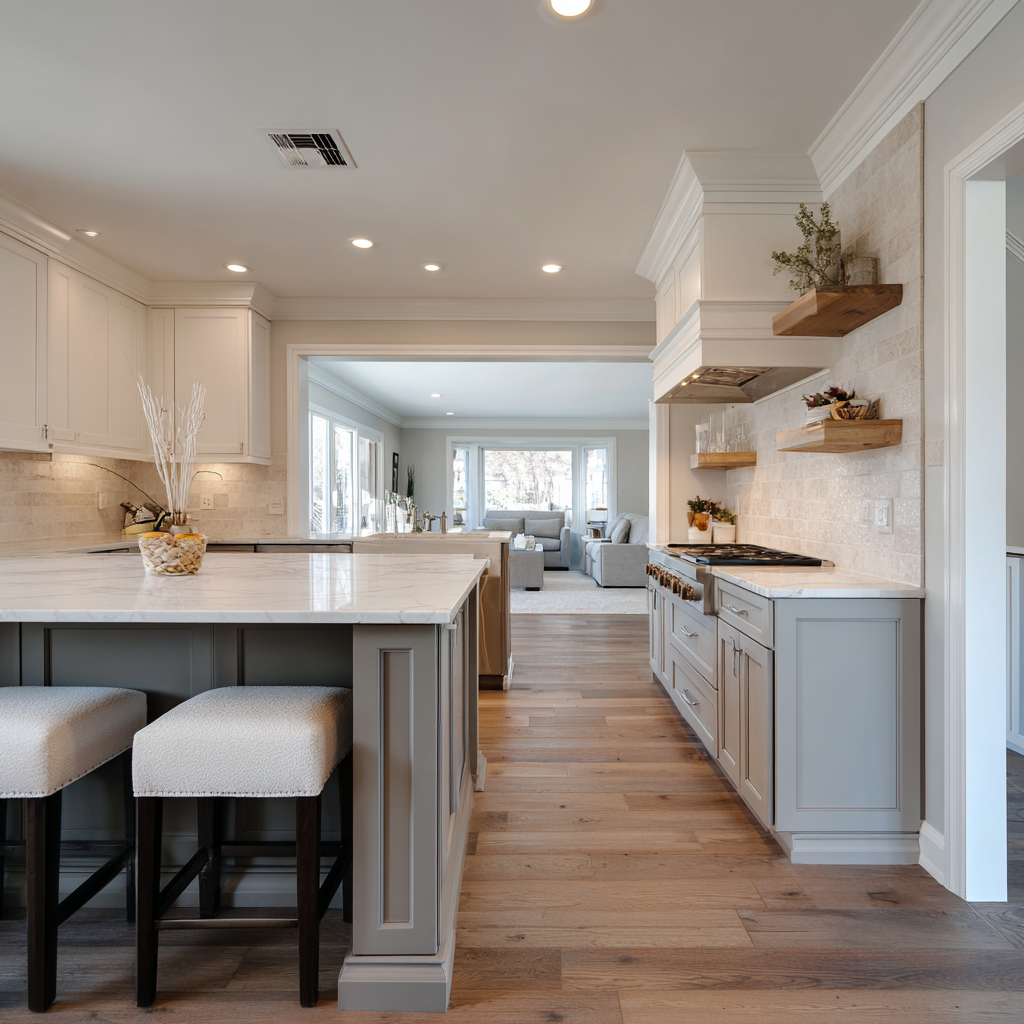
The island is the most over-specified element in most ranch kitchen remodels. Homeowners load it with prep sinks, microwave drawers, waterfall edges, and seating for four and end up with something that closes off the floor plan rather than serving it.
In a ranch home, the island has to work in relation to the rooms behind it, not just the kitchen around it. Its height and depth affect sightlines from the living area. Its orientation determines whether guests at the counter face the room or face a wall. A lower profile keeps the kitchen visually connected to the rest of the home. Seating oriented toward the living space makes the island a place people actually want to be. These are ranch-specific considerations, and getting them right does more for how the home lives than any amount of built-in storage.
Ranch kitchen remodels involve a lot of interdependent decisions. Cabinet color, countertop material, floor finish, how the range wall reads from the living area. The choices compound quickly, and it's hard to hold all of them in your head at once.
Block Renovation's free Renovation Studio lets you work through them visually before committing to anything. Explore different cabinet colors, countertop materials, and layout configurations, and see real-time cost estimates update as you make changes. You can test whether the deep green cabinetry you've been drawn to works with the countertop and floor material you had in mind, and understand how that combination affects your budget before anyone picks up a tool.
For ranch homeowners, that ability to see the full picture matters. The open sightlines of a ranch home mean decisions in the kitchen are visible from the rest of the house. The Studio helps you make them with that context in mind.
A well-designed ranch kitchen remodel needs a contractor who can execute on it. Someone experienced, communicative, and accountable. Finding that person independently takes time, and comparing proposals that are structured differently, with different line items, different assumptions, and different scope definitions, is genuinely difficult without help.
Block Renovation matches you with up to four thoroughly vetted, licensed, and insured contractors in your area who are the right fit for your specific project scope. You'll receive detailed, line-item proposals you can compare side by side, with a project planner available to help you read them and identify what's missing before you commit.
Block's progress-based payment system means contractors are paid as work is completed, not upfront, keeping your project moving and your investment protected throughout. Every contractor in the Block network backs their work with a one-year workmanship warranty.
Remodel with confidence through Block

Connect to vetted local contractors
We only work with top-tier, thoroughly vetted contractors

Get expert guidance
Our project planners offer expert advice, scope review, and ongoing support as needed
Enjoy peace of mind throughout your renovation
Secure payment system puts you in control and protects your remodel

Renovate confidently with Block
Easily compare quotes from top quality contractors, and get peace of mind with warranty & price protections.
Kitchen
A Galley Kitchen Remodel in NYC - Adding a Breakfast Bar
07.02.2026
Kitchen
Adding a Pass Through Window to Your Kitchen
06.12.2026
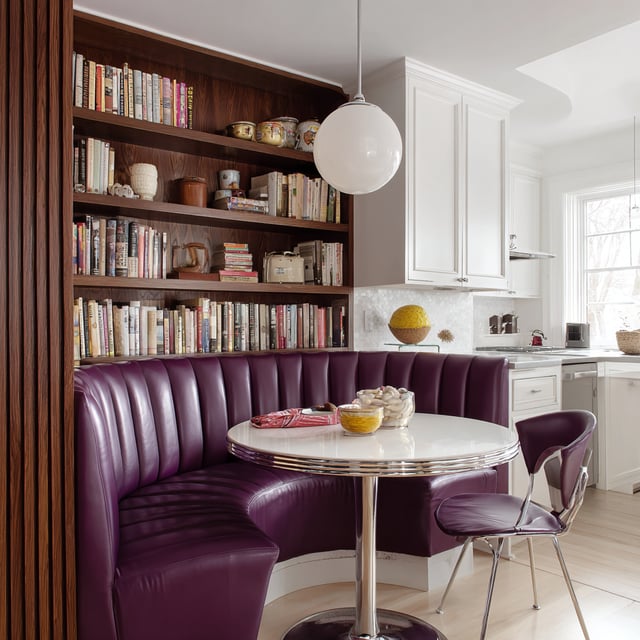
Kitchen
Retro Kitchen Design Ideas: 7 Modern Renovations
05.18.2026
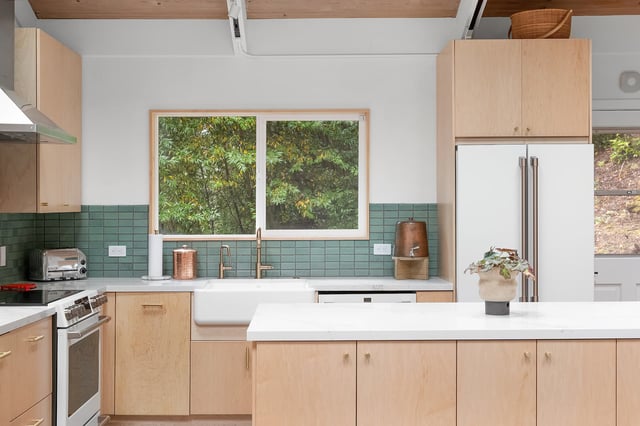
Kitchen
L-Shaped Kitchen Layouts & Designs: 6 Floor Plans
05.13.2026
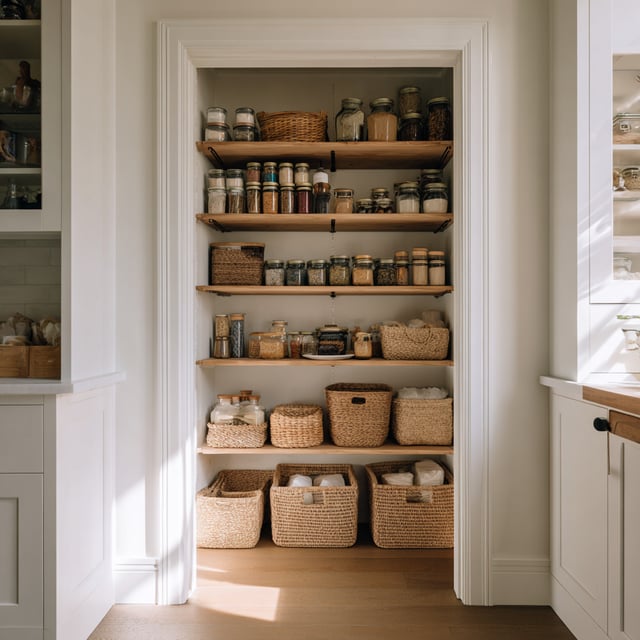
Kitchen
Closet to Pantry Conversion: Ideas, Costs, and Tips
05.04.2026