


Custom Home Building in Houston, TX: A Complete Guide for Future Homeowners

Budget your upcoming Houston custom home build with help from Block
How we get your estimate
Fill out the form above to either connect with contractors for a personalized quote or estimate your costs with Block's Renovation Studio.
A rustic kitchen features light wood cabinets, a substantial marble kitchen island, stainless steel range hood, wooden ceiling beams, and a stacked stone veneer backsplash.

In This Article

    Houston, TX, continues to attract homeowners seeking economic opportunity, cultural diversity, and relative affordability compared to other major metropolitan areas. As the fourth-largest city in the United States, Houston offers access to world-class medical institutions, energy sector headquarters, and an internationally renowned culinary scene spanning dozens of ethnic cuisines. The city's sprawling geography creates opportunities for custom homebuilding across distinct neighborhoods, from inner-loop historic districts to master-planned communities in Katy, Sugar Land, and The Woodlands.

    Building a custom home in Houston requires understanding the region's unique challenges, including flood risk management, hurricane preparedness, and navigating multiple municipal utility districts that govern infrastructure in unincorporated areas. Foundation performance in expansive clay soils and aggressive termite populations demand specific construction approaches that differ from other markets.

    Design a Home That’s Uniquely Yours

    Block can help you achieve your renovation goals and bring your dream remodel to life with price assurance and expert support.

    Get Started

    Cost and timeline overview for future Houston homeowners

    Understanding local building costs and timeframes helps Houston homeowners budget appropriately and anticipate the investment required for successful custom construction. Custom home construction in Houston typically ranges from $125 to $220 per square foot, with luxury builds in Memorial, River Oaks, or West University exceeding $350 per square foot depending on finishes and architectural complexity.

    Several factors influence project costs throughout the Houston metro. Labor remains relatively affordable compared to coastal markets, though specialized trades like custom iron work or pool construction command premium rates given high local demand. Material costs benefit from Houston's position as a major port city with established supply chains, though hurricane events can temporarily disrupt availability and pricing. The prevalence of pier-and-beam or post-tension slab foundations to address soil conditions adds costs not found in more stable geological areas.

    Lot selection dramatically impacts total investment. Inner-loop properties in Heights, Montrose, or Oak Forest offer walkability and proximity to employment centers but command land prices of $300,000 to over $1 million for standard residential lots. Suburban parcels in expanding areas like Cypress, Pearland, or League City provide more affordable land but may require MUD assessments, longer commutes, and fewer mature trees. Properties within the 100-year floodplain necessitate elevated foundations, flood vents, and flood insurance that substantially increase both construction and ongoing ownership costs.

    The largest factors in determining cost

    Foundation systems represent a critical expense category in Houston, typically consuming 12-18% of the total budget due to the region's expansive clay soils that swell dramatically with moisture and shrink during drought conditions. Most custom homes utilize post-tension concrete slabs with cables that compress the concrete to resist cracking, or pier-and-beam systems that allow soil movement beneath the structure. Properties with poor drainage or high water tables may require additional engineering solutions like helical piers drilled to stable depths, potentially adding $25,000 to $60,000 to site preparation costs.

    Exterior materials and roofing account for 15-20% of construction budgets, with hurricane-resistant features increasingly standard in Houston construction. Impact-rated windows and doors withstand windborne debris during tropical storms, while architectural shingle roofs require proper installation to meet wind uplift ratings for coastal zones. Brick and fiber cement siding dominate exterior choices for their durability in Houston's humid subtropical climate, where wood siding deteriorates rapidly without aggressive maintenance. Standing seam metal roofing has gained popularity for its longevity and superior performance during severe weather events.

    HVAC systems sized for Houston's brutal summers consume 8-12% of budgets, with high-efficiency units essential for managing cooling costs that can exceed $400 monthly during peak months. Proper insulation, air sealing, and humidity control prevent mold growth in Houston's moisture-laden environment. Many custom homes incorporate zoned systems, whole-house dehumidification, and smart thermostats that learn occupancy patterns to optimize comfort while controlling operating expenses.

    Examples of upgrades that will push your budget higher

    Custom home features that increase construction costs include:

    • Elevated foundations raising living spaces 2-4 feet above base flood elevation, required in FEMA flood zones and adding $30,000-$80,000 depending on home size
    • Outdoor living spaces with climate control including misting systems, ceiling fans, and screened enclosures that extend usability during Houston's long, hot summers
    • Custom swimming pools with spa features, beach entries, and automated maintenance systems, which range from $60,000 to $150,000-plus for high-end installations
    • Generator systems providing whole-house backup power during hurricane-related outages that can last days or weeks in some neighborhoods
    • Impact-resistant windows and doors throughout the home rather than only street-facing elevations, adding $15,000-$40,000 but providing superior protection
    • Wine cellars with climate control systems that maintain proper temperature and humidity despite Houston's oppressive outdoor conditions
    • Home theaters with acoustic treatments, tiered seating, and commercial-grade audio-visual systems for entertainment-focused families
    • Outdoor kitchens with commercial-grade appliances, refrigeration, and weather-resistant cabinetry that withstand humidity and temperature extremes

    Loose timelines for custom home builds in Houston

    Custom home construction in Houston typically requires 9-14 months from initial planning to move-in, with the city's year-round construction season allowing continuous progress unlike northern markets. Projects can face delays during hurricane season from June through November when severe weather halts work and diverts labor to storm recovery, or during extended rain periods when site work becomes impossible on unimproved lots.

    Houston's permitting process through municipal Building Inspection departments or MUD authorities typically takes 2-6 weeks for standard projects, though complex designs or properties requiring variances extend review periods. Material lead times remain manageable due to Houston's port access and robust supply infrastructure, though custom elements like imported tile, specialty appliances, or unique architectural products still require 8-16 weeks advance ordering. Hurricane events anywhere in the Gulf region can disrupt supply chains and labor availability as workers deploy to disaster areas.

    Transparent Pricing You Can Trust

    Start your renovation using Block’s Price Assurance. See a detailed cost breakdown with no unexpected expenses along the way.
    Get Started

    Understanding the role of an architect

    A Houston architect provides essential expertise in designing homes that respond to the city's climate challenges, flood regulations, and diverse architectural traditions ranging from Southern traditional to contemporary glass-and-steel designs. Architects prove particularly valuable for properties in historic districts like Old Sixth Ward where design review boards scrutinize compatibility, or for complex sites requiring variances, flood mitigation strategies, or innovative solutions to unusual lot configurations. However, many established Houston custom home builders maintain extensive plan libraries and in-house design teams familiar with local building codes and construction methods, potentially eliminating the need for independent architectural services on straightforward projects with conventional designs.

    Finding the right site in Houston for your custom home

    An experienced home builder helps identify potential problems before lot purchase, assessing how site characteristics impact construction feasibility, costs, and long-term home performance. They evaluate drainage patterns, foundation requirements, and access to utilities based on years of local construction experience.

    Site evaluation considerations include:

    • Soil quality and site stability: Houston sits atop highly expansive clay soils that can shift foundations several inches seasonally as moisture content changes dramatically between wet and dry periods. Geotechnical investigations reveal plasticity index ratings and bearing capacity, determining whether standard post-tension slabs suffice or whether pier-and-beam systems become necessary to accommodate movement. Many Houston neighborhoods experience ongoing foundation maintenance as soils react to drought cycles and landscape irrigation patterns that create differential moisture around structures.
    • Utilities access: Most developed Houston neighborhoods offer municipal water, sewer, electricity, and natural gas, though service providers vary by location with some areas served by the City of Houston and others by Municipal Utility Districts that levy separate taxes for infrastructure maintenance. MUD properties may have higher annual tax rates but often include superior amenities like neighborhood parks and recreation facilities. High-speed internet access varies significantly, with fiber availability in inner-loop and newer developments but limited options in some established suburban areas.
    • Zoning and restrictive covenants: Houston famously lacks traditional zoning but uses deed restrictions, minimum lot sizes, and building setback requirements to regulate development patterns in most neighborhoods. Many subdivisions enforce architectural review committees that control exterior materials, colors, roof pitches, and garage orientations to maintain property values. Covenant enforcement varies by neighborhood association, with some strictly enforcing guidelines while others adopt more relaxed approaches.
    • Lot slope and drainage: Houston's flat coastal plain topography means most lots have minimal natural slope, requiring careful grading and drainage design to prevent water accumulation near foundations during heavy rainfall events that can drop 6-8 inches in hours. Properties near bayous or in former floodplains require elevation certificates and may mandate raised foundations. French drains, proper lot crowning, and coordination with street drainage systems prevent chronic water problems common in poorly graded Houston properties.
    • Proximity to amenities: Commute times to the Medical Center, Energy Corridor, Galleria, or downtown Houston significantly impact daily quality of life, with traffic congestion making distance calculations less relevant than actual drive time during rush hours. Access to quality retail, dining, and entertainment venues varies dramatically across Houston's sprawling geography.
    • Environmental concerns or hazards: FEMA flood zone designations dictate insurance requirements and foundation elevation standards, with Zone X properties outside the 100-year floodplain offering the most flexibility and lowest insurance costs. Hurricane preparedness requires considering proximity to evacuation routes and historical storm surge patterns, though most of Houston proper sits far enough inland to avoid direct surge impacts. Air quality near the Houston Ship Channel or major industrial facilities may concern some buyers, though prevailing wind patterns generally push industrial emissions away from residential areas.
    • View, orientation, and privacy: Southern and southeastern exposures increase solar heat gain during Houston's nine-month summer, making northern orientations or proper shading strategies essential for energy efficiency. Mature trees provide significant cooling benefits through shade but require foundation protection from invasive root systems. Lot orientation affects how prevailing southeast breezes reach outdoor living spaces during morning and evening hours when temperatures moderate slightly.

    Houston homeowners prioritize proximity to their preferred school districts, with suburban districts like Katy ISD, Cypress-Fairbanks ISD, and Clear Creek ISD drawing families while inner-loop private schools attract others. Access to major employment centers and reasonable commute times often outweigh other considerations given Houston's challenging traffic patterns.

    Popular custom home styles and trends in Houston

    Houston custom homeowners embrace diverse architectural expressions reflecting the city's cultural melting pot and evolution from traditional Southern styles toward more contemporary aesthetics.

    • Modern farmhouse designs with board-and-batten siding and metal roofing accents have proliferated across Houston suburbs and inner-loop teardown replacements. These homes feature generous covered porches, black-framed windows, and neutral color palettes that photograph well for social media while providing flexible interior layouts. Open floor plans with shiplap accent walls and industrial-inspired lighting fixtures balance rustic charm with contemporary function.
    • Traditional Southern Colonial homes with symmetrical facades and columned entries remain popular in established neighborhoods like Tanglewood, Memorial, and River Oaks. Brick or painted brick exteriors, hipped roofs, and center-hall floor plans reference Houston's architectural heritage while incorporating modern conveniences like gourmet kitchens and spa-like master bathrooms. Covered verandas or screened porches extend living spaces outdoors during mild months.
    • Contemporary designs featuring clean lines, floor-to-ceiling windows, and mixed materials appeal to urban professionals in neighborhoods like Montrose, Midtown, and East Downtown. These homes showcase concrete, steel, and glass in geometric compositions that contrast with traditional neighbors while maximizing natural light. Outdoor living integration blurs interior-exterior boundaries through disappearing glass walls and covered outdoor rooms.
    • Texas Hill Country style adapted for Houston's flat terrain incorporates native limestone accents, metal roofing, and rustic wood beams that evoke Central Texas ranches. Large porte-cocheres, courtyard entries, and casita-style guest quarters reference Spanish colonial influences. These designs typically include outdoor fireplaces and expansive patios for entertaining, a central element of Houston's social culture.
    • Mediterranean and Spanish Colonial Revival homes with stucco exteriors and clay tile roofs suit Houston's subtropical climate while providing distinctive curb appeal. Arched openings, wrought iron details, and interior courtyards create European elegance adapted to Texas scale. These designs often incorporate outdoor living spaces with pergolas, fountains, and mature landscaping that soften architectural lines.
    • Smart home integration with whole-house automation controls lighting, climate, security, and entertainment systems through centralized interfaces or smartphone apps. Houston homeowners increasingly specify pre-wiring for future technology upgrades during construction. Voice-activated controls and automated window treatments improve convenience while optimizing energy efficiency.
    • Luxury outdoor living spaces with summer kitchens, pools, and cabanas transform backyards into resort-style retreats despite Houston's heat and humidity. Covered areas with motorized screens, commercial-grade ceiling fans, and misting systems extend usability throughout the year. Outdoor televisions, refrigerators, and weather-resistant furnishings create true outdoor rooms rather than simple patios.

    Additional articles to help prepare you for the home building process

    Comprehensive resources for planning your Houston custom home project:

    • Buy vs. Building Your Next Home - Detailed Cost Breakdown: This article compares purchasing existing Houston inventory versus custom construction, helping you evaluate factors like neighborhood choice, immediate occupancy, and long-term value in one of America's most dynamic real estate markets.
    • New Home Construction Timelines & Important Factors: Understanding realistic construction schedules helps Houston homeowners navigate hurricane season impacts, material delivery, and contractor availability to set appropriate expectations and coordinate housing transitions.
    • Your House Rehabbing Checklist, and FAQs—Answered: For Houston homeowners considering renovation of existing properties, particularly in inner-loop neighborhoods with older housing stock, this guide addresses budgeting, permitting, and contractor selection for major rehabilitation projects.
    • How to Negotiate with a Contractor before your Home Remodel: This resource provides negotiation strategies Houston homeowners can apply when finalizing custom home builder contracts to ensure transparent pricing, clear payment schedules, and protection against cost overruns.
    • Remodeling a Home for Multigenerational Home Living: Houston's diverse population includes many families planning custom homes that accommodate multiple generations under one roof, making design strategies for privacy, accessibility, and shared spaces particularly relevant.
    Danny Wang-Block Renovation copy-Feb-19-2026-03-16-29-7884-PM

    “Detailed proposals signal professionalism. Vague bids usually hide missing scope and future change orders.”

    Partner with Block to find your ideal Houston home builder

    Block Renovation connects Houston homeowners with thoroughly vetted custom home builders through a curated matching process that evaluates your project scope, budget, and design preferences. Our platform pre-screens builders for proper Texas Residential Construction Commission licensing, comprehensive insurance coverage, and documented track records of quality work across Houston's unique construction challenges. Houston clients receive multiple qualified proposals from builders experienced with local soil conditions, flood regulations, and hurricane-resistant construction methods.

    Block Protections safeguard your investment by holding project funds in escrow and releasing payments only when construction milestones meet quality standards and schedule commitments. This structured payment approach prevents contractor cash flow problems from jeopardizing your project while ensuring you retain leverage throughout the construction process. Transparent payment schedules aligned with verified work completion create accountability that protects both homeowners and reputable builders.

    Questions to ask Houston home builders when making your final selection

    Finding the right builder requires evaluating not just their construction capabilities but also their communication style, problem-solving approach, and commitment to customer satisfaction throughout the lengthy construction process. Questions to ask potential Houston custom home builders include:

    • How do you address Houston's foundation challenges and what warranty coverage do you provide for foundation performance? Their approach to soil preparation, foundation design, and post-construction warranty reveals whether they understand local conditions and stand behind their work as soils shift over time.
    • What experience do you have building in FEMA flood zones and implementing elevated foundation systems? Demonstrated expertise with flood mitigation strategies, proper construction sequencing, and insurance compliance ensures your project meets regulations while protecting your investment.
    • How do you handle change orders and unexpected conditions discovered during construction? Understanding their pricing methodology and communication approach for modifications indicates whether they'll work collaboratively or create adversarial situations when inevitable adjustments arise.
    • Which subcontractors do you use regularly and may I contact them for references? Long-term relationships with electricians, plumbers, and other trades typically yield better coordination and quality than builders who constantly switch crews seeking the lowest price.
    • How do you communicate project progress and handle client questions or concerns during construction? Regular updates through scheduled meetings, photos, or project management software, plus responsiveness to homeowner inquiries, distinguish professional builders from those who avoid client interaction until problems escalate.

    Ready to move ahead? Talk to Houston custom home builders to get started

    Building a custom home in Houston offers the opportunity to create spaces perfectly suited to the city's climate, lifestyle, and your family's specific needs while taking advantage of Texas's favorable tax environment and Houston's relative affordability. Thorough planning around flood risk, foundation performance, and climate control systems transforms potential challenges into manageable project elements. Connect with experienced Houston custom home builders to discuss your vision, evaluate potential sites, and begin creating your ideal Gulf Coast home.

    Remodel with confidence through Block

    Happy contractor doing an interview

    Connect to vetted local contractors

    We only work with top-tier, thoroughly vetted contractors

    Couple planning their renovation around the Block dashboard

    Get expert guidance

    Our project planners offer expert advice, scope review, and ongoing support as needed
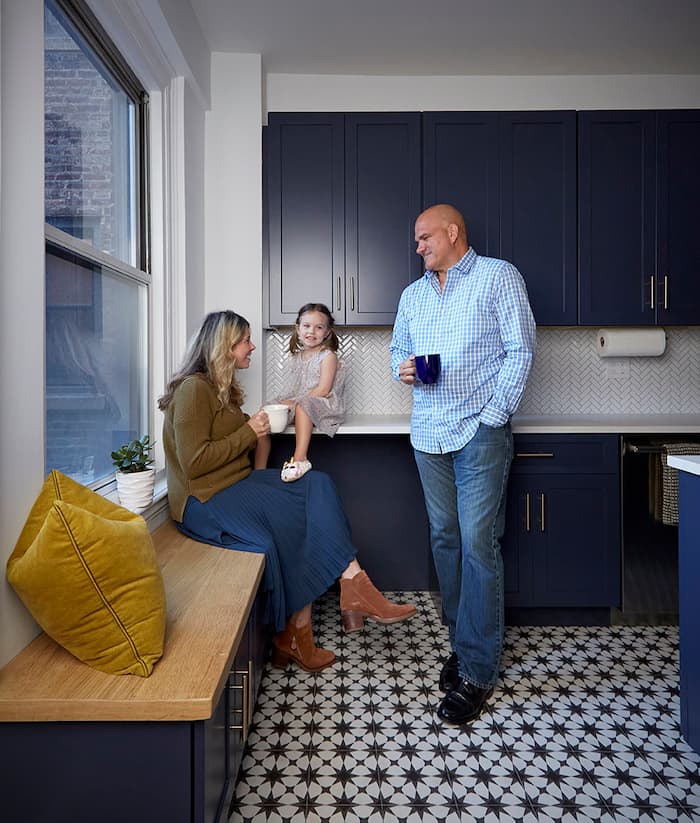
    Familty enjoying coffee in their newly renovated modern ktchen

    Enjoy peace of mind throughout your renovation

    Secure payment system puts you in control and protects your remodel

    Get Started

    Frequently asked questions

    I want to build a second home on my property; how do I know if it qualifies as an ADU?

    Accessory Dwelling Units in Houston must comply with deed restrictions and minimum lot size requirements that vary by neighborhood, with most requiring at least 5,000-7,000 square feet of lot area to accommodate a separate structure. The ADU cannot exceed a certain percentage of the primary residence square footage, typically 40-50%, and must meet setback requirements from property lines. Many Houston neighborhoods prohibit ADUs entirely through deed restrictions regardless of city regulations. Consulting with the City of Houston Planning and Development Department and reviewing your property's deed restrictions clarifies whether your lot qualifies before investing in design work.

    What are common issues that cause permits to be denied?

    Permit denials in Houston typically result from inadequate drainage plans that don't address how stormwater will flow away from structures during heavy rainfall events common to the region. Foundation designs lacking proper engineering documentation for expansive clay soils face rejection until geotechnical reports and structural calculations demonstrate stability. Properties in deed-restricted neighborhoods require architectural review committee approval before city permits can issue, with design incompatibility causing delays. Incomplete submittal packages missing required engineering stamps, energy code compliance calculations, or flood elevation certificates extend approval timelines even if eventual approval is likely.

    What custom home features should I incorporate to boost resale value?

    High-efficiency HVAC systems with smart thermostats significantly improve marketability as Houston buyers scrutinize cooling costs that represent substantial ongoing expenses in the subtropical climate. Open floor plans with kitchen, dining, and living spaces flowing together appeal to how families actually use their homes for entertaining and daily life. Covered outdoor living areas with quality finishes extend functional square footage year-round in Houston's climate where outdoor spaces see heavy use eight to nine months annually. Three-car garages provide storage for vehicles, lawn equipment, and recreational items while protecting cars from intense sun exposure that damages interiors and paint finishes.

    What are ideas for weatherproofing my new Houston home?

    Impact-resistant windows rated for hurricane-force winds protect against windborne debris during tropical storms while potentially qualifying for insurance premium discounts. Proper roof installation with enhanced fastening patterns and sealed roof deck sheathing prevents wind-driven rain infiltration during severe weather events. Whole-house surge protection safeguards electronics and appliances from power fluctuations common during Houston's frequent thunderstorms. Elevated mechanical equipment like HVAC systems and water heaters protects critical components from potential flooding while proper grading and French drain systems channel water away from foundations during the region's intense rainfall events.