




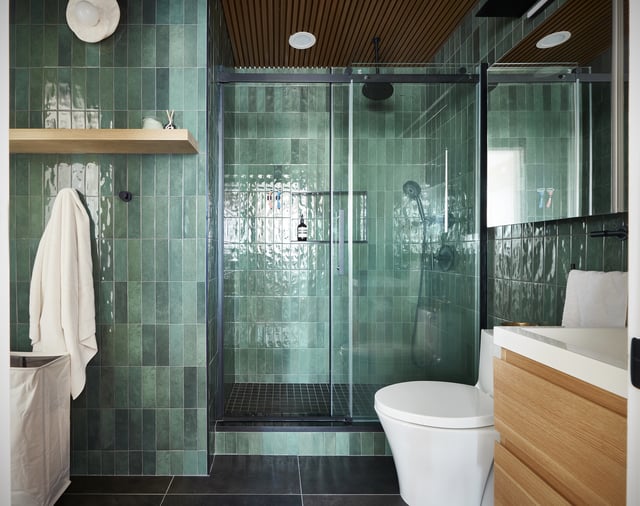
Design
Bathtub to Shower Conversion: Cost, Ideas, Examples & More
08.11.2026
04.25.2026


In This Article
How much does adding a bathroom increase home value? Based on the 2025 Cost vs. Value Report, a midrange bathroom addition recoups roughly 53% of its cost at resale. Most full additions run between $5,000 and $75,000, landing around $35,000 on average.
That 53% figure is accurate, and it's also the number people get stuck on. It misses what happens to a home's marketability when a second bathroom arrives, and it misses the years of daily value you collect before you ever list.
A midrange bathroom addition recoups about 53% of its cost. Upscale additions land in roughly the same place or slightly lower, because the bigger the budget, the harder it is to recover as a percentage.
Remodeling an existing bathroom performs very differently. A midrange remodel currently recoups around 80% of its cost, the highest that figure has been in nearly two decades. An upscale remodel lands closer to 36%. Universal design remodels, which build in accessibility features like curbless showers and grab bars, recoup roughly 61%. On a pure percentage basis, remodels always beat additions.
Percentage ROI only answers one question: how much of the spend comes back in sale price. It doesn't say whether the house sells at all, how fast it sells, or what the bathroom does for your household in the meantime.
Costs depend heavily on whether you're building out new square footage or converting existing space. Converting is almost always cheaper, often 30 to 50% less, because the walls, floor, and sometimes plumbing lines already exist.
Typical cost ranges by bathroom type:
The biggest cost drivers are plumbing distance, whether you need new electrical or HVAC runs, and the scope of the permit. Running new plumbing across a home can add thousands in labor alone. Placing a new bathroom near existing wet walls (kitchen, laundry, another bathroom) is the single most effective cost-saving decision you can make at the planning stage.
Adding a bathroom tends to pay off when it fixes a real problem buyers would have noticed on their own.
You're working against a hard resale ceiling. Most family buyers won't seriously consider a one-bath home, and a second bathroom lifts that ceiling. The daily math works the same way: when the layout forces everyone into the same space at the same time, buyers pick up on it fast. A second full bath can be the difference between a quick offer and a slow listing.
Guests have to walk past bedrooms to use it, and daytime living happens a floor away from the toilet. A main-floor half bath solves a friction point buyers feel on the walkthrough.
Guests won't be the only ones who appreciate a new bathroom on the primary level. An addition like this makes aging in place far more feasible, and it broadens the pool of future buyers to include anyone planning for a parent, an in-law, or their own long-term stay in the home.
Anastasia Jones, Director of Social Services at a Pennsylvania nursing facility, explained, "If the bedroom and the bathroom can be on that level, they don't have to worry about going up and down."

Stairs get hard for anyone; not just seniors, but anyone that has any type of mobility impairment. You don't realize how many steps there are to get into a space until you aren't able to navigate them independently.
An underused closet or an awkward corner under the stairs can become a half bath for a fraction of a true addition, because the floor, walls, and sometimes plumbing lines are already there. Conversions also tend to recoup a higher share of their cost than new-square-footage additions, because you're adding a functioning bathroom to the home without paying for the foundation, framing, roof, and exterior finish that a true addition requires.
Bring Your Dream Bathroom to Life
Heated floors, steam showers, and freestanding soaking tubs are worth it if you'll enjoy them. However, they rarely pay back on their own at resale, so treat them as lifestyle purchases rather than investments.
The same logic applies to building a new bathroom as to remodels: the more you spend, the smaller the percentage you recoup. A basic half-bath addition with standard fixtures and simple finishes can recoup a meaningfully larger share of its cost than a spa-style primary suite addition with a freestanding tub, heated floors, and custom tile.
Buyers pay for what an additional bathroom unlocks: another place to shower, another toilet during busy mornings, a main-floor option for guests, more than they pay for the specific finishes inside it. Once the addition exists and reads as clean and current, extra spending delivers diminishing returns at resale.
A 50% tariff on imported bathroom vanities took effect in October 2025. For a midrange addition, that can push material costs up noticeably and compress the already-tight ROI math on upscale projects. Domestically made vanities, or custom built-ins through a local contractor, have become the more budget-conscious route for anyone starting a project now.
The clearest way to know how much adding a bathroom would add to your specific home is to see the numbers against your actual layout, not a national average.
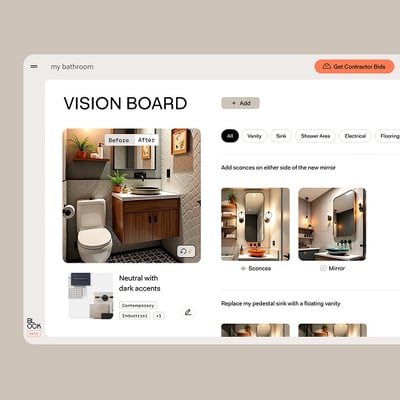
That's the gap Block Renovation was built to close. Block's free Renovation Studio lets you sketch the layout, visualize finishes, and watch cost estimates update as you make decisions. No commitment, no pressure, just a real picture of what your project would cost before you bring a contractor into the conversation.
A bathroom addition is one of the least forgiving projects a homeowner can take on. Plumbing runs, waterproofing, venting, permits, and the tie-in to existing framing all have to be right the first time, because fixing them later means opening walls you just closed. The contractor you hire matters more here than on almost any other interior project.
Block matches you with vetted local contractors who have actually built bathrooms like the one you're planning. Each contractor's license, insurance, references, and past project history are reviewed before they ever see your job. Multiple contractors then compete for the work with detailed, line-item scopes, so you're comparing apples to apples instead of guessing which quote is missing what. Block's experts review every scope for gaps and red flags before you sign, and payments release in stages as approved milestones are completed, which keeps contractors on schedule and protects the money you haven't spent yet.
Thousands of homeowners have renovated with Block. Starting your bathroom addition in the Renovation Studio, then handing the scope to vetted contractors through Block, is the clearest path from "I think we need another bathroom" to a finished space worth what you put into it.
Remodel with confidence through Block
Connect to vetted local contractors
We only work with top-tier, thoroughly vetted contractors

Get expert guidance
Our project planners offer expert advice, scope review, and ongoing support as needed
Enjoy peace of mind throughout your renovation
Secure payment system puts you in control and protects your remodel


Renovate confidently with Block
Easily compare quotes from top quality contractors, and get peace of mind with warranty & price protections.
Design
Bathtub to Shower Conversion: Cost, Ideas, Examples & More
08.11.2026
Design
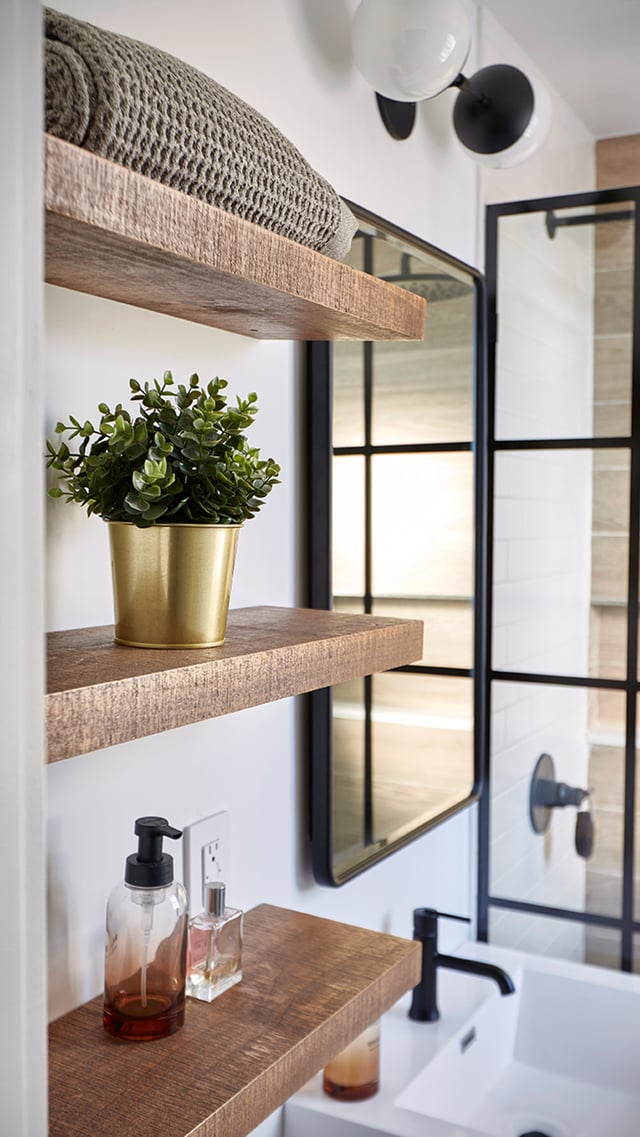
Open Shelving Bathroom Design Ideas & Optimal Placement
08.08.2026
Bathroom
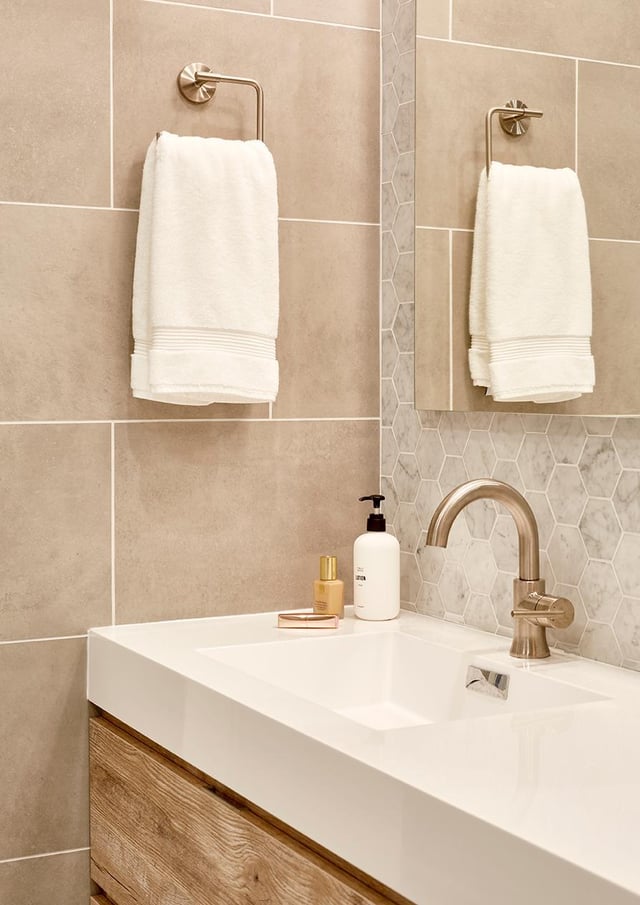
Bathroom Wall Texture Ideas and What to Avoid
08.03.2026
Bathroom
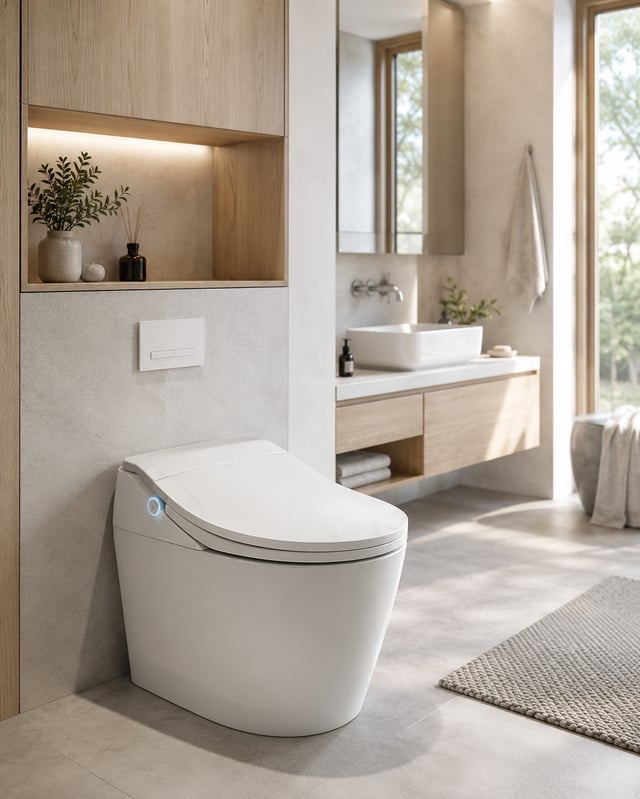
High End Toilets for an Upgraded Bathroom
07.24.2026
Bathroom
Adding a Bathroom to an Old House: Cost & Placement
07.22.2026