




.png?width=640&name=u5821215421_A_bright_coastal_living_room_with_a_half_wall_rai_f928a036-9b29-41b7-9710-603210dbd9a4_3%20(1).png)
Georgia
Planning a Brookhaven Custom Home? Start Here
06.11.2026
.png?width=640&name=u5821215421_Florida_new_build_backyard_with_screened_lanai_si_56aa2cb9-320d-4672-804f-2b347477f127_2%20(1).png)
03.23.2026


In This Article
Savannah captivates newcomers and longtime residents alike with its canopy of live oaks draped in Spanish moss, carefully preserved historic squares, and a culinary scene that includes James Beard Award-winning restaurants. The city sits just twenty minutes from Tybee Island's beaches, offers a cost of living roughly three percent below the national average, and provides access to respected institutions such as the Savannah College of Art and Design. Neighborhoods like Ardsley Park, Isle of Hope, and Wilmington Island attract families with strong schools and a genuine sense of community. Building a custom home here, however, means confronting a unique set of obstacles. Sandy coastal soils, a high water table, hurricane exposure, and stringent historic preservation rules all demand careful planning. Understanding these factors before you break ground can save you months of delays and thousands in unexpected costs.
Design a Home That’s Uniquely Yours
Block can help you achieve your renovation goals and bring your dream remodel to life with price assurance and expert support.
Get Started
Budgeting accurately is one of the most important steps you can take before committing to a custom home in Savannah. Local material prices, labor availability, and coastal building requirements all shape the final number on your contract.
In Savannah, the average cost per square foot for a custom home ranges from approximately $200 to $350, with standard-grade builds starting closer to $150 per square foot and luxury builds exceeding $400 per square foot. These figures generally do not include land acquisition, site work, or permitting fees, which add meaningfully to your total investment. A 2,500-square-foot custom home with mid-range finishes might cost between $500,000 and $875,000 before lot purchase.
Several factors drive costs up in the Savannah market. Coastal building codes require hurricane-rated windows, reinforced roof connections, and elevated foundations, each adding expense that inland homeowners do not face. Demand for skilled tradespeople has intensified alongside port expansion and commercial development, extending timelines and raising labor rates. Conversely, choosing a lot in a developing area south of the city rather than within the historic district can reduce both land cost and regulatory overhead.
Lot selection has an outsized effect on your budget in Savannah. A parcel in a flood zone may require an elevated foundation costing $16,000 to $30,000, while a lot with a high water table can necessitate dewatering during construction. Proximity to marsh areas, tidal influence from the Savannah River, and the need for fill material on low-lying sites all contribute to site preparation costs that surprise first-time builders.
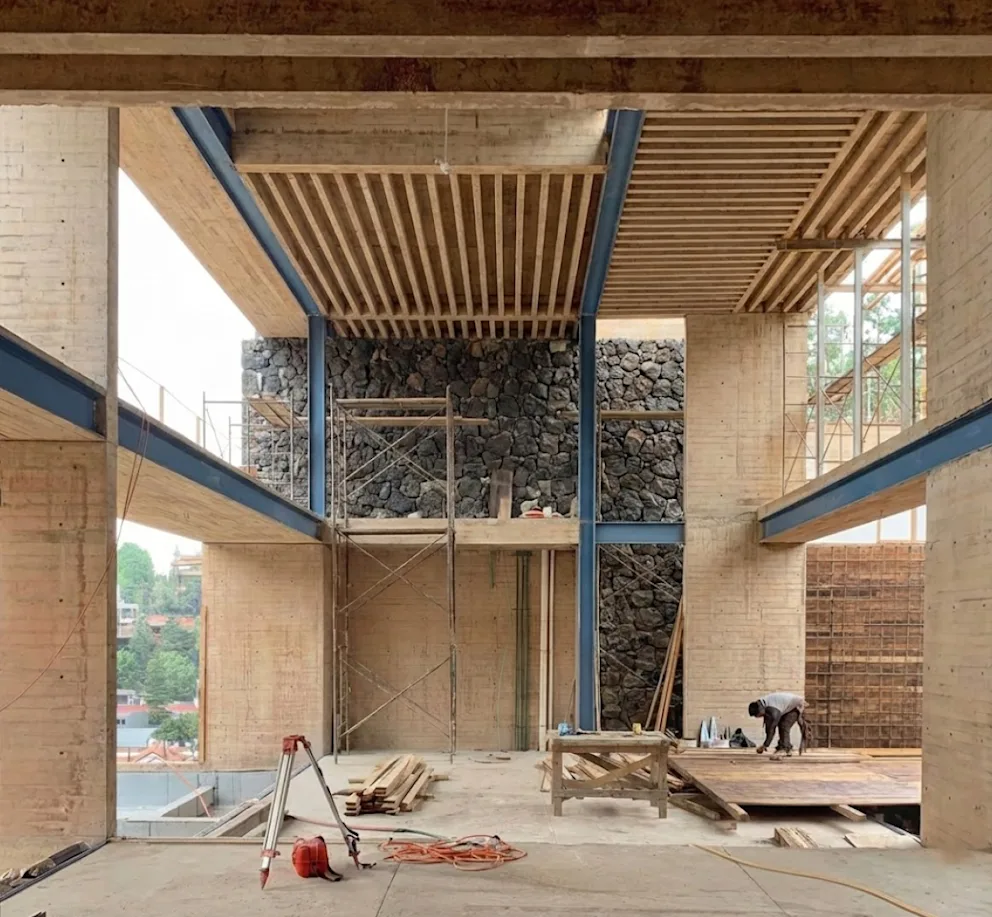
The foundation typically represents one of the most significant line items, particularly in Savannah where pier-and-beam or elevated slab systems are frequently necessary to meet flood elevation requirements. Framing and roofing come next, and coastal wind ratings often mandate upgraded fasteners and impact-resistant materials that push prices above non-coastal Georgia communities. Interior finishes, including flooring, cabinetry, and countertops, represent the category where homeowners have the widest range of choice and the greatest ability to control spending. Mechanical systems such as HVAC, plumbing, and electrical work are critical in Savannah, where humidity-rated equipment and sealed ductwork are essential to long-term comfort. Finally, site preparation can be uniquely costly due to soil stabilization, tree preservation requirements, and stormwater management systems mandated by local code.
The following enhancements are popular among Savannah homeowners but will increase your project cost meaningfully.
An experienced local builder can help you evaluate lots before you commit to a purchase, potentially saving you from expensive surprises after closing. In Savannah, the difference between a straightforward lot and a problematic one often comes down to elevation, soil composition, and regulatory overlay. Bringing your builder into the lot selection process early is one of the smartest moves you can make.
The most desirable lots combine reasonable elevation above flood level, confirmed utility access, and proximity to the amenities that make Savannah so appealing. Neighborhoods such as Isle of Hope, Ardsley Park, Georgetown, and Wilmington Island continue to attract custom home builders who value quality of life and investment potential. Vetting your lot thoroughly with a knowledgeable builder will pay dividends throughout the construction process.
Every region presents its own set of construction hurdles, and Savannah's combination of coastal exposure, historic significance, and subtropical climate creates a distinct landscape of challenges. Addressing these proactively during the design and planning phases will protect your investment for decades.
Savannah's position on the Georgia coast places it in the path of Atlantic hurricanes, with storm surge representing one of the most destructive threats to residential structures. Roughly seventy-seven percent of buildings in the area face some level of flood risk, and low-lying parcels near tidal waterways are especially vulnerable. Georgia's coastal building codes require homes to meet specific wind-load ratings, and many builders recommend exceeding minimum standards for a meaningful safety margin. Elevated foundations, impact-rated glazing, reinforced roof-to-wall connections, and properly anchored garage doors all contribute to a more resilient home. Investing in these measures during initial construction is far less expensive than retrofitting after a storm reveals weaknesses.
Savannah's historic district is one of the largest National Historic Landmark districts in the country, and new construction within its boundaries must receive a Certificate of Appropriateness from the Historic District Board of Review before permits are issued. The review evaluates proposed buildings against visual compatibility standards covering height, massing, materials, and fenestration patterns. This process adds several months to your timeline and may require multiple rounds of revisions to satisfy the board. Working with an architect experienced in Savannah's preservation standards is essential if you plan to build within or adjacent to a historic overlay zone. Outside the downtown core, the Victorian, Streetcar, and Cuyler-Brownville overlays impose similar review requirements.
Savannah's subtropical climate produces sustained high humidity that can damage building materials, promote mold growth, and reduce indoor air quality if not addressed through proper construction practices. Effective moisture management begins with the building envelope, where vapor barriers, sealed ductwork, and continuous insulation prevent condensation within wall and roof assemblies. HVAC systems sized for Savannah's heat and humidity loads are critical, and many builders recommend supplemental whole-house dehumidification to maintain interior humidity below sixty percent. Material selections matter as well, with moisture-resistant drywall, pressure-treated lumber, and mold-inhibiting paints serving as practical defenses. A builder experienced in coastal Georgia construction will integrate these strategies from the earliest design stages rather than treating them as afterthoughts.
Perfect Every Detail of Your Bathroom
Savannah's warm, moist environment creates ideal conditions for Eastern Subterranean and Formosan Subterranean termites, both of which can cause severe structural damage. Prevention starts during construction with pre-treatment of the site and application of borate-based preservatives to framing before drywall is installed. Eliminating wood-to-ground contact, maintaining crawl space ventilation, and directing moisture away from the foundation are fundamental practices that reduce your risk. Many Savannah builders include termite baiting systems and soil treatment barriers as standard components of their packages. Annual professional inspections after move-in remain essential, as early detection is far less costly than repairing structural damage from an unnoticed colony.
A smooth construction process depends as much on preparation and communication as it does on materials and craftsmanship. These strategies will help you avoid the most common sources of frustration during a Savannah custom home build.

“Rushing the planning phase leads to regrets. When decisions are made under pressure, homeowners often settle for materials and details they don’t actually want.”
Block connects Savannah homeowners with experienced custom home builders who understand the unique demands of building on the Georgia coast. Rather than spending weeks researching contractors on your own, Block's matching process pairs you with vetted professionals whose expertise aligns with your project scope, style preferences, and budget. The result is a shorter path to finding a builder you can trust with one of the largest investments you will ever make.
Every contractor in Block's network has been vetted, including license and insurance verification, and a minimum of two million dollars in coverage. Block Protections provide Price Assurance, progress-based payments, a workmanship warranty, and ongoing support throughout your project. These protections are provided at no cost to the homeowner, making Block a risk-free way to start your custom home journey in Savannah.
Choosing the right builder is the single most consequential decision you will make during the custom home process. These criteria will help you evaluate candidates with confidence and clarity.
Building a custom home in Savannah is a significant undertaking, but the reward is a residence designed precisely for the way your family lives and tailored to thrive in this beautiful coastal environment. The right builder will guide you through every stage, from lot evaluation and design to permitting, construction, and final walkthrough. Connect with experienced Savannah builders through Block today and take the first step toward making your custom home a reality.
Lay the groundwork for a successful custom home
Match with vetted builders
Receive quotes from experienced contractors aligned to your vision.
Hire with confidence
Partner with Block experts to review quotes and timelines for end-to-end clarity.

Stay in control
Avoid surprises with Block Protections and a progress-based payment system.


Renovate confidently with Block
Easily compare quotes from top quality contractors, and get peace of mind with warranty & price protections.
Georgia
Planning a Brookhaven Custom Home? Start Here
06.11.2026
.png?width=640&name=u5821215421_A_bright_coastal_living_room_with_a_half_wall_rai_f928a036-9b29-41b7-9710-603210dbd9a4_0%20(1).png)
Georgia
Custom Home Building in Augusta, Georgia: Local Guide
04.23.2026
.png?width=640&name=u5821215421_Apartment_Therapy_style_simple_upgraded_garage_in_d4af6dfc-e05b-4eb3-8a40-1969bb173efb_2%20(1).png)
Georgia
How to Upgrade Your Atlanta Garage Without Overspending
04.23.2026

Georgia
Atlanta Condo Renovations: Smart Upgrades That Protect Your Investment
04.22.2026

Georgia
Home Renovation ROI in Atlanta: Preserving Character While Meeting Modern Expectations
04.15.2026