




Oklahoma
Building a Custom Home in Oklahoma City
06.25.2026

04.03.2026


In This Article
Tulsa occupies an unusual position in the American landscape: an oil city that diversified, a mid-century modernist architecture hub that takes its design heritage seriously, and a metro of nearly a million people where land is still affordable enough to make custom home building a realistic option for a wide range of buyers. The Arkansas River corridor, the Gathering Place, and a food and arts scene anchored by neighborhoods like the Pearl District and Cherry Street give Tulsa a cultural density that surprises first-time visitors. The Tulsa Remote program drew national attention and hundreds of new residents to the city, and the trend of professionals trading coastal costs for Tulsa's quality of life has continued well past the program's initial momentum.
Design a Home That’s Uniquely Yours
Block can help you achieve your renovation goals and bring your dream remodel to life with price assurance and expert support.
Get Started
Tulsa is one of the more affordable major metros in which to build custom in the country, and understanding what drives costs in this specific market helps you get the most out of that advantage.
Custom home construction in Tulsa typically runs between $150 and $250 per square foot for the structure, excluding land. Luxury builds with high-end finishes, storm shelters, and premium outdoor living components push toward $290 or beyond. Land costs remain genuinely affordable across much of the metro, with infill lots in desirable midtown neighborhoods like Maple Ridge and Brookside carrying modest premiums compared to outlying suburban parcels in Owasso, Bixby, and Jenks. Labor is less expensive than in most Northeast markets, though demand from a steady stream of new residential projects has tightened contractor availability.
The largest factors in determining cost
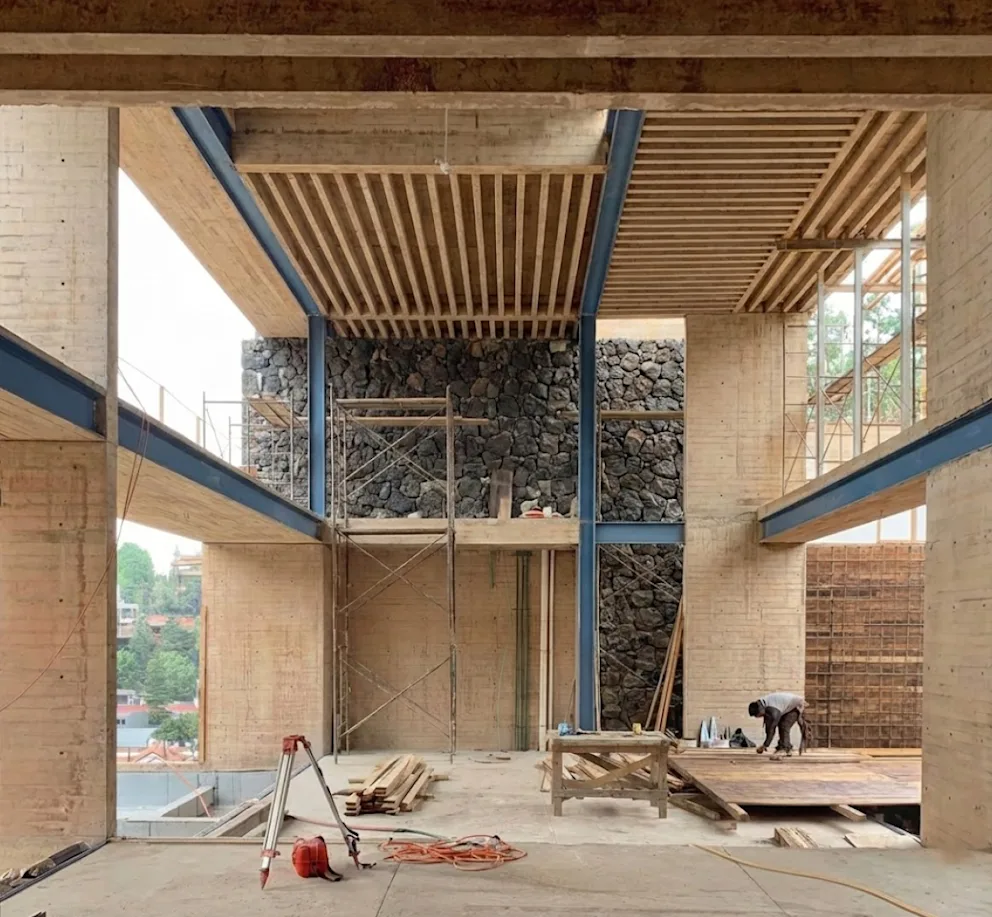
Foundation engineering is the dominant cost variable in Tulsa custom home construction, and it is the item most likely to shift materially once the ground is actually opened. Oklahoma's expansive Tallgrass Prairie soils, specifically the high-plasticity clays in the Tulsa area, shrink dramatically during dry summers and swell with fall and spring rains in ways that destroy conventional slab foundations within years if not properly engineered. Post-tensioned slabs, pier-and-beam foundations, and stiffened mat slabs with deep perimeter grade beams are the approaches experienced local builders use to address this condition, and the cost difference between a standard slab and a properly engineered foundation for Tulsa soil can run $15,000 to $40,000 on a mid-sized home.
Storm shelter installation, whether a safe room integrated into the structure or a below-grade concrete shelter, is a near-universal expectation among Tulsa homeowners and adds to the budget but is genuinely non-negotiable in tornado alley. Outdoor living spaces, which are extensively used in Tulsa's long spring and fall seasons, are a significant cost line when they include covered patios, outdoor kitchens, and screened areas.
Line items that most consistently expand Tulsa custom home budgets beyond initial estimates:
Tulsa's varied landscape, from the river hills of midtown to the flat eastern suburban plain, means lot conditions differ significantly across even short distances. A builder who knows the local terrain will flag drainage patterns, soil profiles, and neighborhood-specific constraints before you're committed to a purchase.
Considerations will include:
Tulsa's architectural identity is richer than most people expect from an Oklahoma city, and homeowners building here often draw on that heritage consciously.
No single factor shapes Tulsa construction costs and long-term performance more than the area's high-plasticity clay soils. These soils can exert uplift pressures on a slab that exceed 2,000 pounds per square foot during wetting cycles, enough to crack an improperly engineered foundation within a few years of construction. The damage from expansive soil movement is cumulative and expensive to remediate: sticking doors, cracked drywall at window corners, and separating brick veneer are the visible symptoms of a foundation that is losing its battle with the ground beneath it. Experienced Tulsa builders routinely specify post-tensioned slabs designed by a licensed geotechnical engineer, with cable spacing, slab thickness, and perimeter grade beam depths determined by site-specific soil testing. Pre-wetting the subgrade before slab pour, grading the site to drain water away from the foundation, and planning landscape irrigation to maintain consistent soil moisture near the foundation are all management practices that extend foundation life significantly in the Tulsa environment.
Transparent Pricing You Can Trust

Tulsa sits in one of the most tornado-active regions in the world, and severe thunderstorm events with damaging hail, straight-line winds above 80 mph, and tornadoes are a genuine annual occurrence rather than a remote possibility. Oklahoma requires that newly constructed homes in certain categories meet specific wind resistance standards, and most Tulsa custom home buyers go beyond minimum code to include enhanced structural connections, impact-resistant roofing, and a FEMA 320 or 361-compliant storm shelter. Hail is a separate and nearly annual issue: Tulsa averages several significant hail events per year, and impact-resistant Class 4 roofing materials are worth specifying from the start, both for their performance and for the insurance premium discounts they generate. Garage doors, which represent the largest single opening in most homes and are a major point of failure in high-wind events, should be wind-rated as standard practice.
Tulsa averages more than 60 days per year above 90 degrees Fahrenheit, with stretches in July and August that push beyond 100 degrees for days at a time. A building envelope that performs adequately in a moderate climate will fail to keep a Tulsa home comfortable during peak summer without running the HVAC system at maximum capacity around the clock. The practical response is a high-performance air barrier, continuous exterior insulation or spray foam in wall cavities, and HVAC systems sized correctly for the actual load rather than oversized, which cycles too quickly to dehumidify effectively. Attic ventilation and radiant barriers are also worth specifying, as attic temperatures in a Tulsa summer can exceed 160 degrees and dramatically increase cooling loads if not managed. Homeowners who invest in envelope performance during construction recoup the cost in energy savings within a few years and live in a home that is genuinely comfortable rather than merely tolerable during Oklahoma summers.
The Arkansas River, Bird Creek, and the numerous drainage tributaries that run through the Tulsa metro have all produced significant flooding events in recent decades, most notably the 2019 Arkansas River flood that inundated portions of Riverside Drive and communities along the river's banks. FEMA flood maps for Tulsa are regularly updated as development changes drainage patterns and as the maps are revised to reflect better topographic data. Before purchasing any lot within a half mile of a named waterway or drainage feature in the Tulsa area, buyers should verify current flood zone status directly with FEMA or the City of Tulsa Floodplain Management office rather than relying solely on a listing's representations.
In Tulsa's custom home market, the difference between a builder who understands local soil and weather conditions and one who doesn't shows up in the first few years of ownership. Asking the right questions upfront is worth the time.
Questions to ask potential Tulsa custom home builders include:

“Design decisions should happen before demolition, not during construction.”
Block matches Tulsa homeowners with vetted custom home builders screened through a rigorous process covering license verification, insurance, background checks, and references from completed Oklahoma projects. You receive personalized contractor matches based on your project's scope, your lot's specific conditions, and your timeline, rather than sorting through the local market on your own. A dedicated Project Planner guides you through proposal comparison and builder selection at no cost and with no obligation.
Lay the groundwork for a successful custom home
Match with vetted builders
Receive quotes from experienced contractors aligned to your vision.
Hire with confidence
Partner with Block experts to review quotes and timelines for end-to-end clarity.

Stay in control
Avoid surprises with Block Protections and a progress-based payment system.

Renovate confidently with Block
Easily compare quotes from top quality contractors, and get peace of mind with warranty & price protections.
Oklahoma
Building a Custom Home in Oklahoma City
06.25.2026

Oklahoma
Bathroom Remodel in Oklahoma City, OK: Costs & Tips
04.09.2026
Oklahoma
Custom Home Building in Tulsa, OK | Costs & Tips
04.03.2026

Oklahoma
Kitchen Remodel Tulsa, OK: Costs, Permits & Tips
03.23.2026

Oklahoma
Custom Home Building in Oklahoma City, OK: Costs & Guide
03.03.2026