




Kitchen Floor Plans
Galley Kitchen Floor Plans and Ideas That Work | Block
07.15.2026
02.16.2026


In This Article
A square kitchen is one of the most versatile foundations you can work with during a renovation. Unlike narrow galley kitchens or awkward L-shaped rooms, a square footprint gives you balanced proportions on every side—which means more freedom to arrange cabinetry, appliances, and countertops in a way that actually fits how you cook and live.
But having a great shape doesn't mean the layout designs itself. The key to getting the most out of a square kitchen is understanding what makes the proportions work in your favor—and making intentional choices about how to use every wall and open area.
The biggest advantage of a square kitchen is symmetry. Equal (or nearly equal) wall lengths give you the flexibility to place your major work zones—cooking, prep, and cleanup—at comfortable distances from one another. That natural balance is what kitchen designers often refer to as the "work triangle," and a square room makes it easier to achieve without forcing appliances into cramped or inconvenient positions.
Square kitchens also tend to offer stronger sightlines. Because no single wall is dramatically longer than the others, the room feels open and proportional, even at smaller sizes. That sense of visual balance can make a modest kitchen feel more spacious than its actual square footage suggests.
Here are a few of the standout benefits worth keeping in mind as you plan:
Flexible layout options. A square kitchen can support almost any major configuration—galley, L-shaped, U-shaped, or island-centered—depending on the size. You're not locked into one approach the way you might be with a long, narrow room. Compare different layouts with our guide to great kitchen configurations.
A natural home for an island or peninsula. Because the proportions are balanced, square kitchens are especially well suited for a center island or peninsula, which can serve as extra prep space, a casual dining spot, or both. Even in a smaller square kitchen, a compact rolling cart or butcher block can fill that role without overwhelming the room.
Efficient traffic flow. With similar distances between walls, it's easier to create clear pathways through the kitchen—whether that's from the fridge to the stove or from the dining area to the sink. Less backtracking means a more comfortable cooking experience.
Room for multiple cooks. The open proportions of a square kitchen naturally accommodate more than one person working at a time. If your household involves tag-team meal prep or you like to cook with friends, this layout gives everyone room to move without constantly bumping into each other.
Once you understand the strengths of a square footprint, the next step is making smart design choices that play to those advantages.
One of the best ways to understand what's possible in your square kitchen is to see real configurations laid out at different dimensions. Block Renovation put together detailed floor plans for square kitchens of varying sizes, showing how different layouts—from galley to U-shaped to island-centered—can fit within each footprint. Explore the guides below to find the one closest to your kitchen's dimensions.
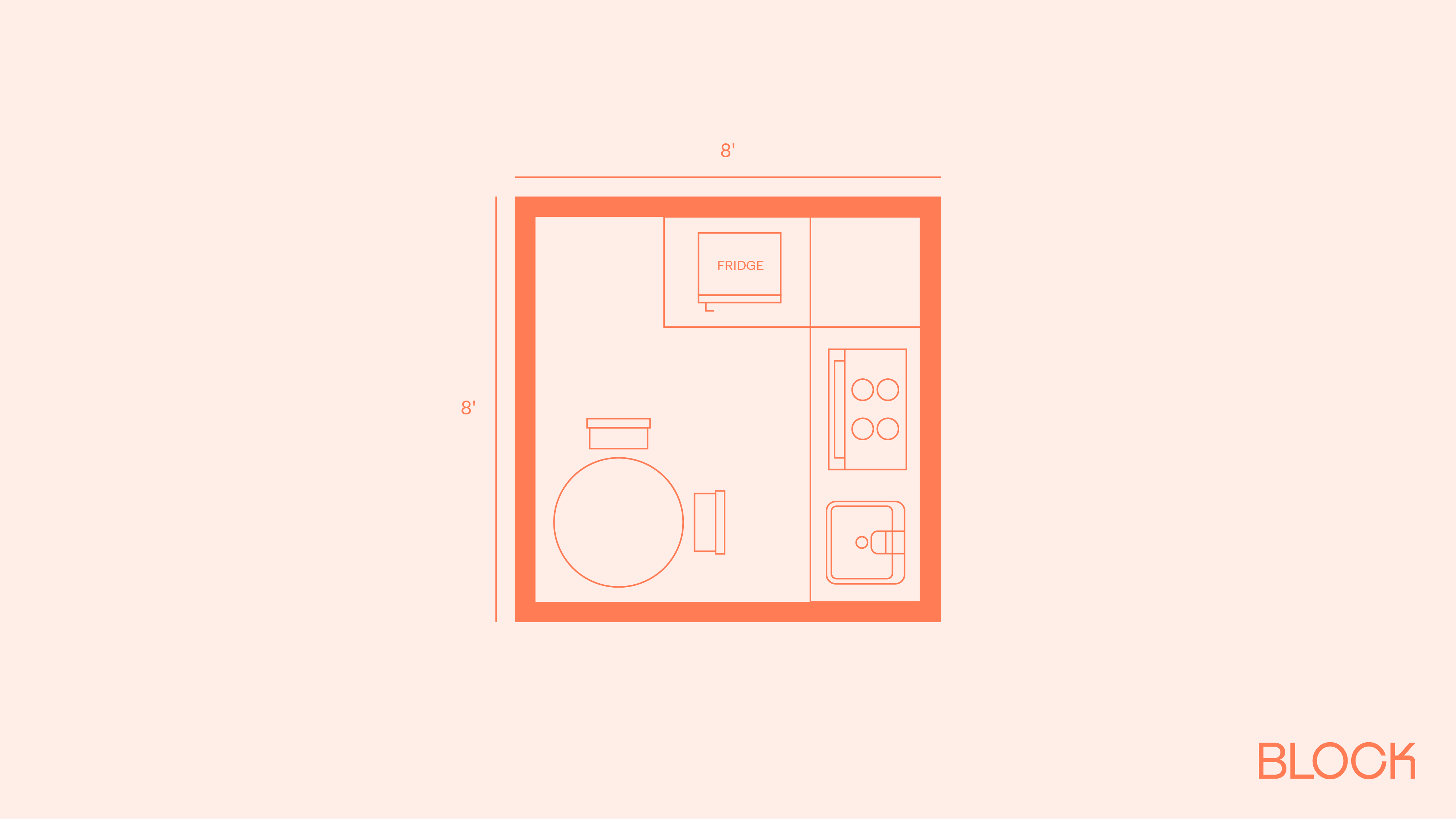
An 8x8 kitchen is compact, but that doesn't mean it has to feel cramped. With the right layout—typically a galley or L-shaped configuration—you can fit all the essentials and still maintain a comfortable workflow. This guide walks through practical arrangements that keep an efficient square footage feeling functional and organized.
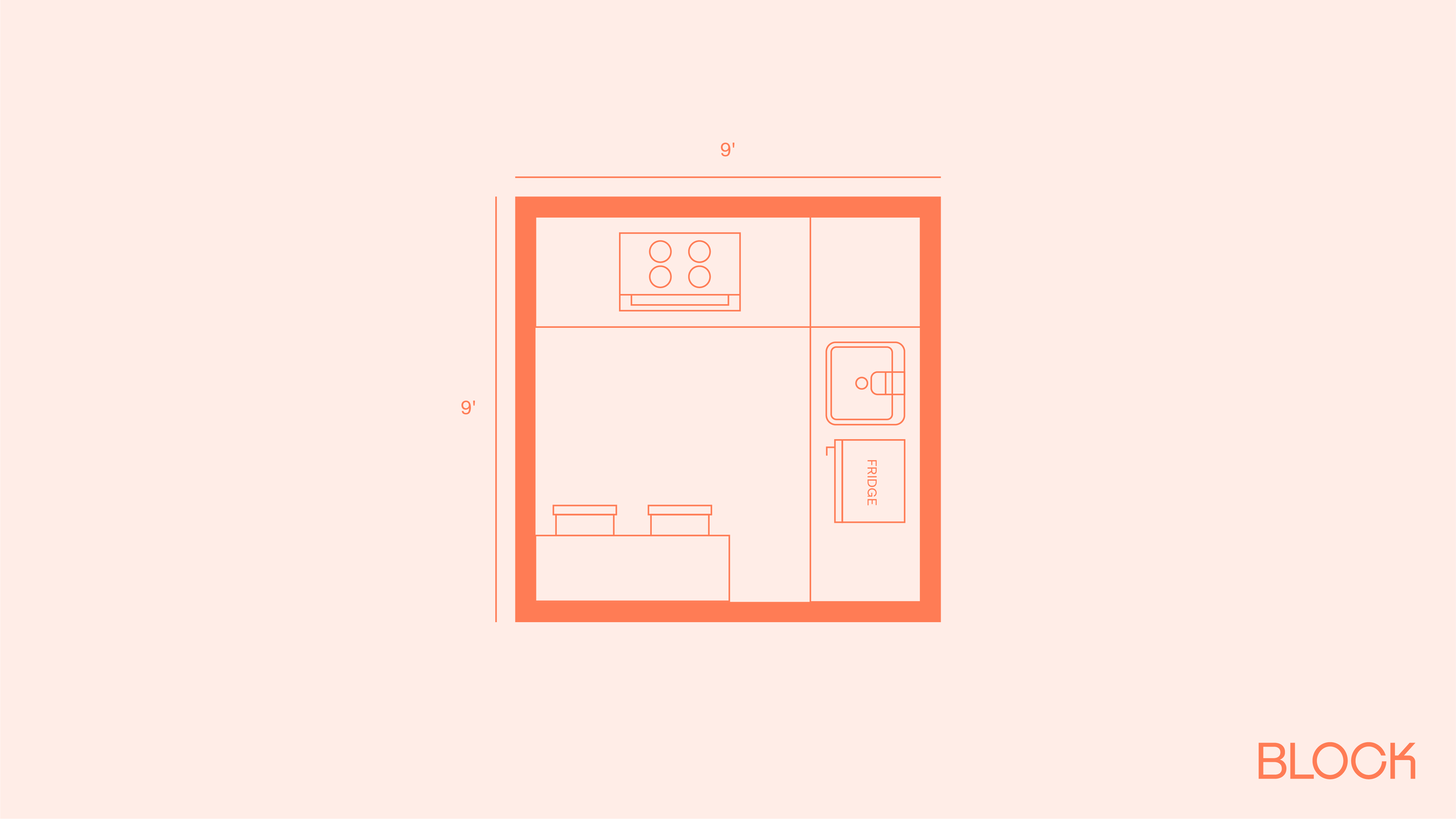
At 81 square feet, a 9x9 kitchen sits in an interesting middle ground—big enough for meaningful layout flexibility, but still requiring thoughtful planning to avoid wasted space. Block's floor plans for this size show how to get the most out of every inch, with options that balance storage, counter space, and movement. It's a dimension that rewards creativity.
The 10x10 kitchen is the industry's standard benchmark for a reason—it's the size where most major layout types become viable, including configurations that incorporate a small island or peninsula. These floor plans illustrate how 100 square feet can support a surprisingly wide range of styles and workflows. If you're renovating a mid-size kitchen, this is a great place to start building your vision.
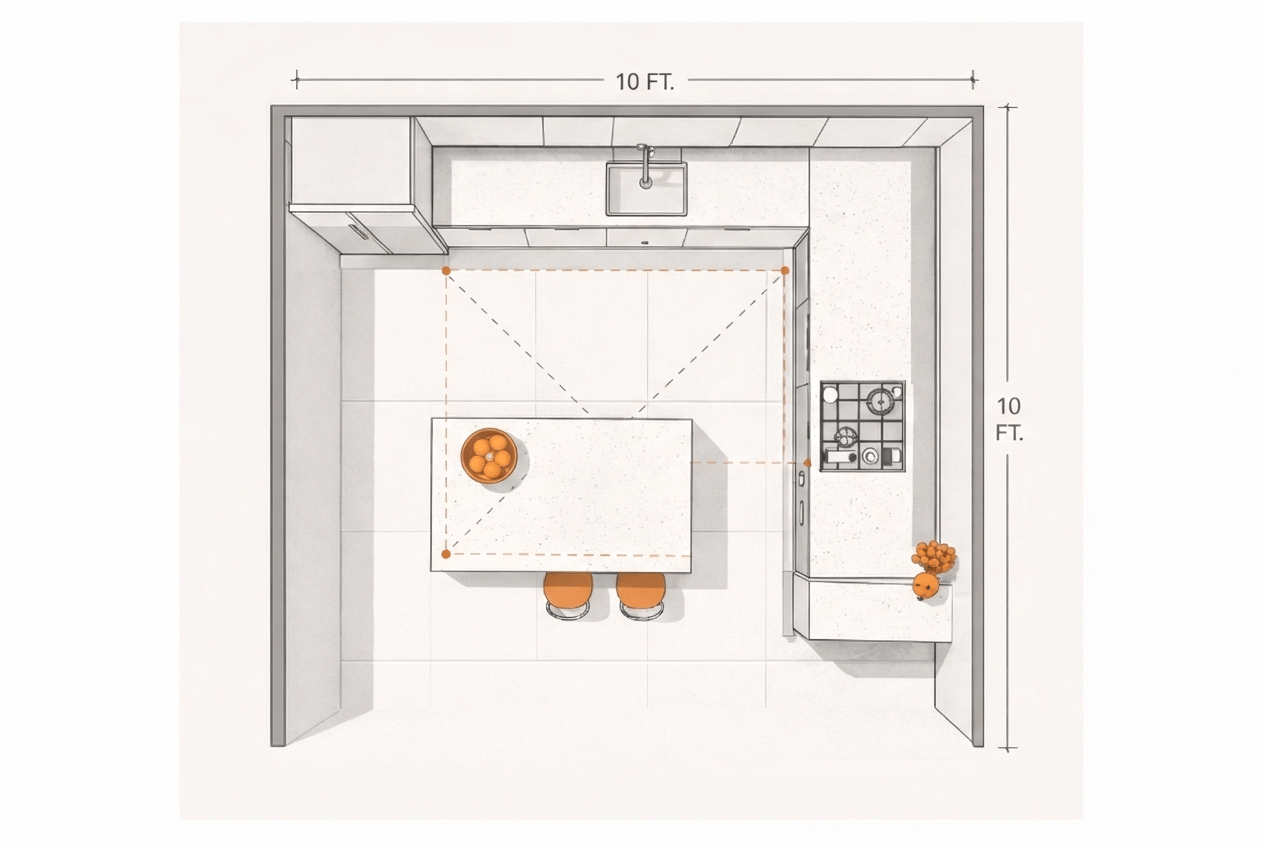
Resist the urge to pursue an island if you have less than a 10x10 kitchen (and even then it could be tight). Caleb John, Director of Exceed Plumbing, explains why:

"I have seen homeowners be really excited about having a peninsula and bar stools until it takes a whole 35% of the floor space, making it impossible to move around comfortably. If you have a kitchen under 10 square meters, it becomes an obstruction the moment two people use it simultaneously."
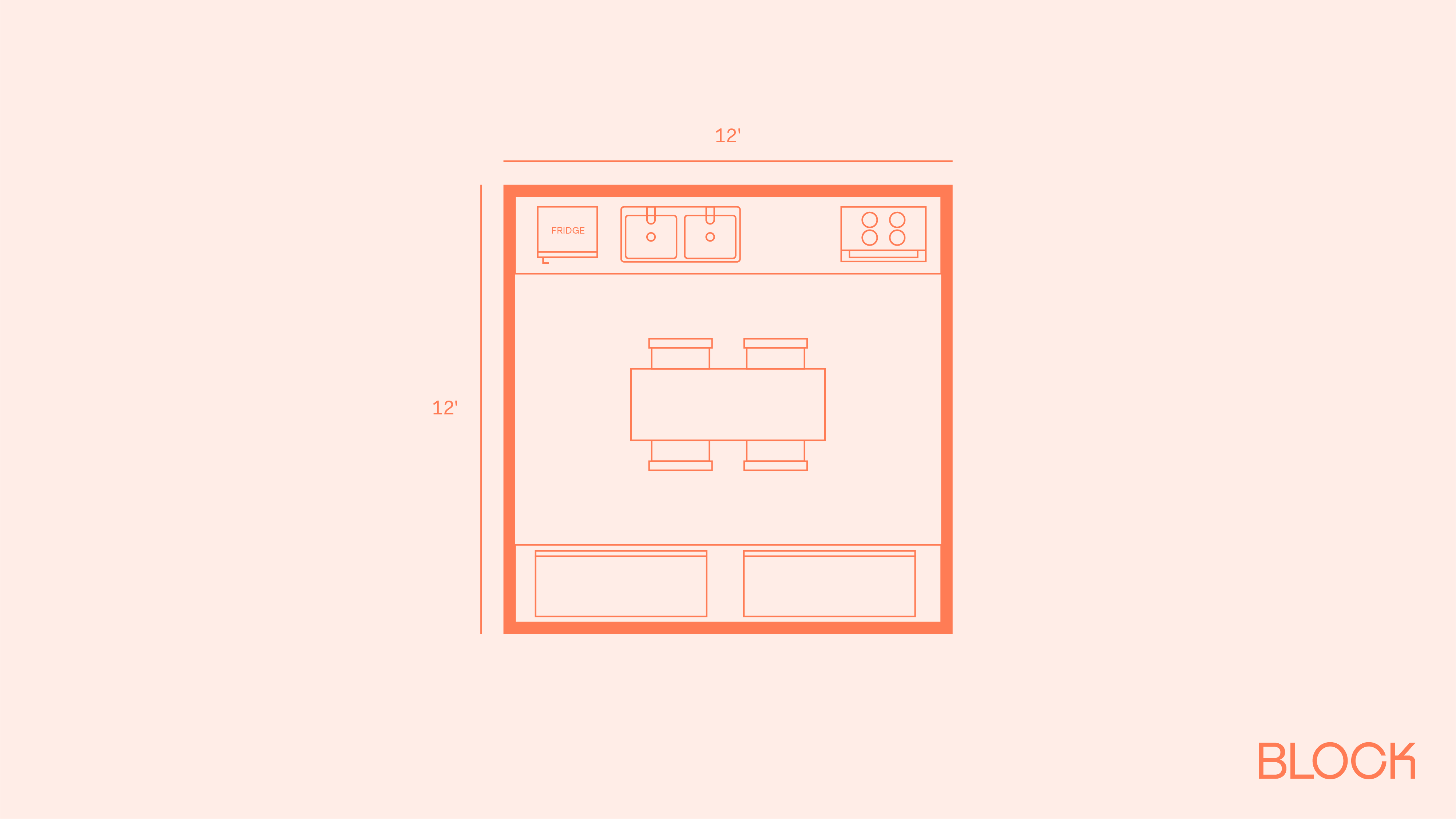
At 144 square feet, a 12x12 kitchen opens up real possibilities for an island with seating, a U-shaped layout with generous counter space, or a combination of both. This is the size where you can start thinking about dedicated zones—cooking, prep, and socializing—without feeling like you're sacrificing one for the other. It's also a dimension where material and design choices start to have a bigger impact on your overall budget, so planning ahead matters.
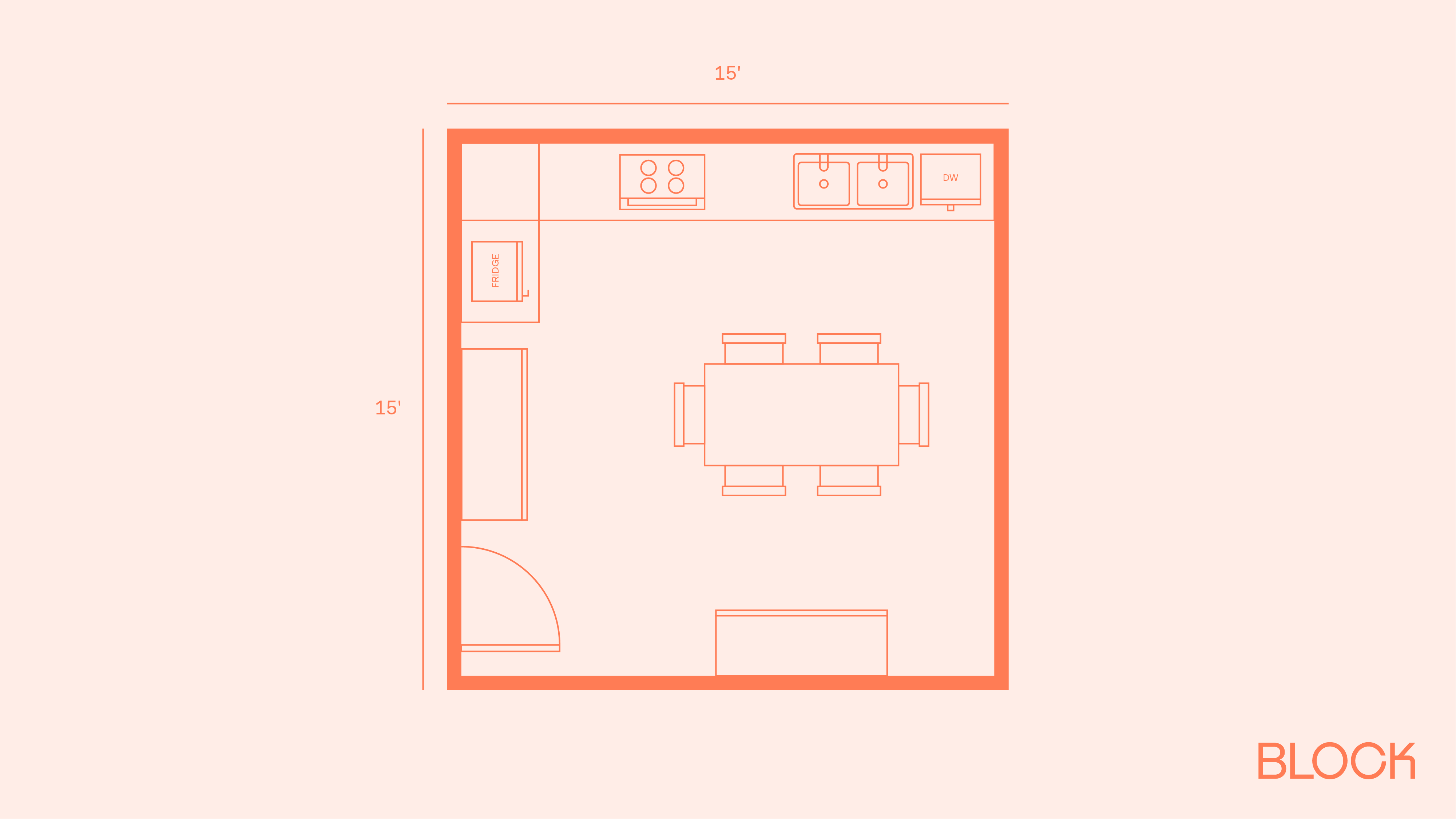
A 15x15 kitchen gives you 225 square feet of space to work with—enough for a large island, extensive cabinetry, and comfortable room for multiple cooks or guests. Block's floor plans for this size show how to organize a spacious square kitchen without letting the center of the room go underutilized. At this scale, the challenge shifts from fitting everything in to making intentional choices about how you want the space to flow. For more design guidance, read Large Kitchen Designs: Practical Layouts and Inspiring Ideas.
A poorly designed kitchen does more than just impede your day-to-day meal prep. It has become an increasingly important factor in resale value, a shift that Kristen Herhold, Director of Public Relations at Clever Real Estate, can attest to firsthand.

"What's shifted over the last five years is buyer priorities around functionality. Five years ago, I'd see buyers overlook a poorly configured kitchen if the bones were good. Now, they want move-in ready with minimal surprises."
When you're ready to move forward, Block connects you with vetted, experienced contractors matched to your project type, style, and location. You'll receive competitive bids with detailed scopes, compare proposals side by side, and get expert guidance from a dedicated project planner throughout the process. With transparent pricing, progress-based payments, and a one-year workmanship warranty, you can focus on the exciting part—watching your square kitchen come to life.
Remodel with confidence through Block

Connect to vetted local contractors
We only work with top-tier, thoroughly vetted contractors

Get expert guidance
Our project planners offer expert advice, scope review, and ongoing support as needed
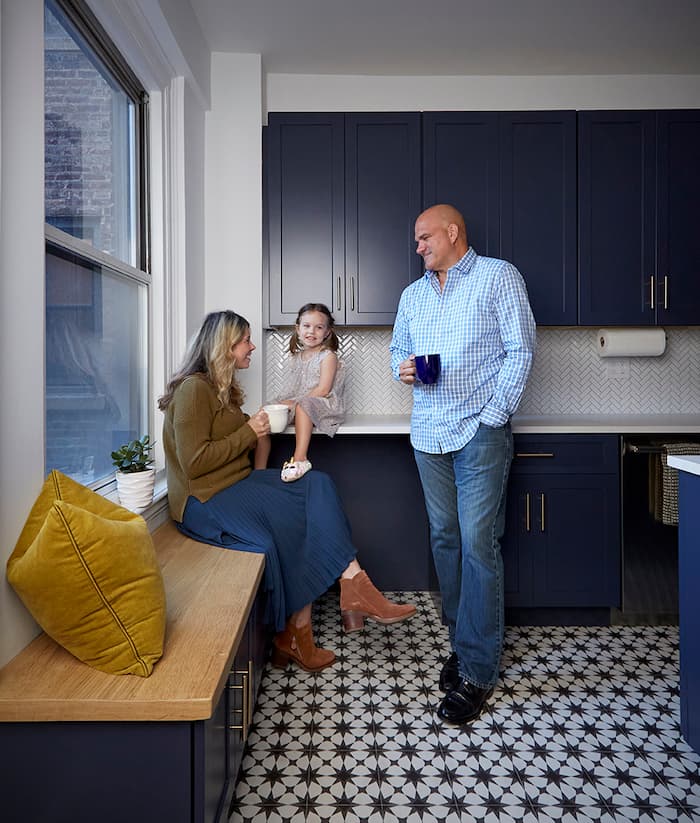
Enjoy peace of mind throughout your renovation
Secure payment system puts you in control and protects your remodel

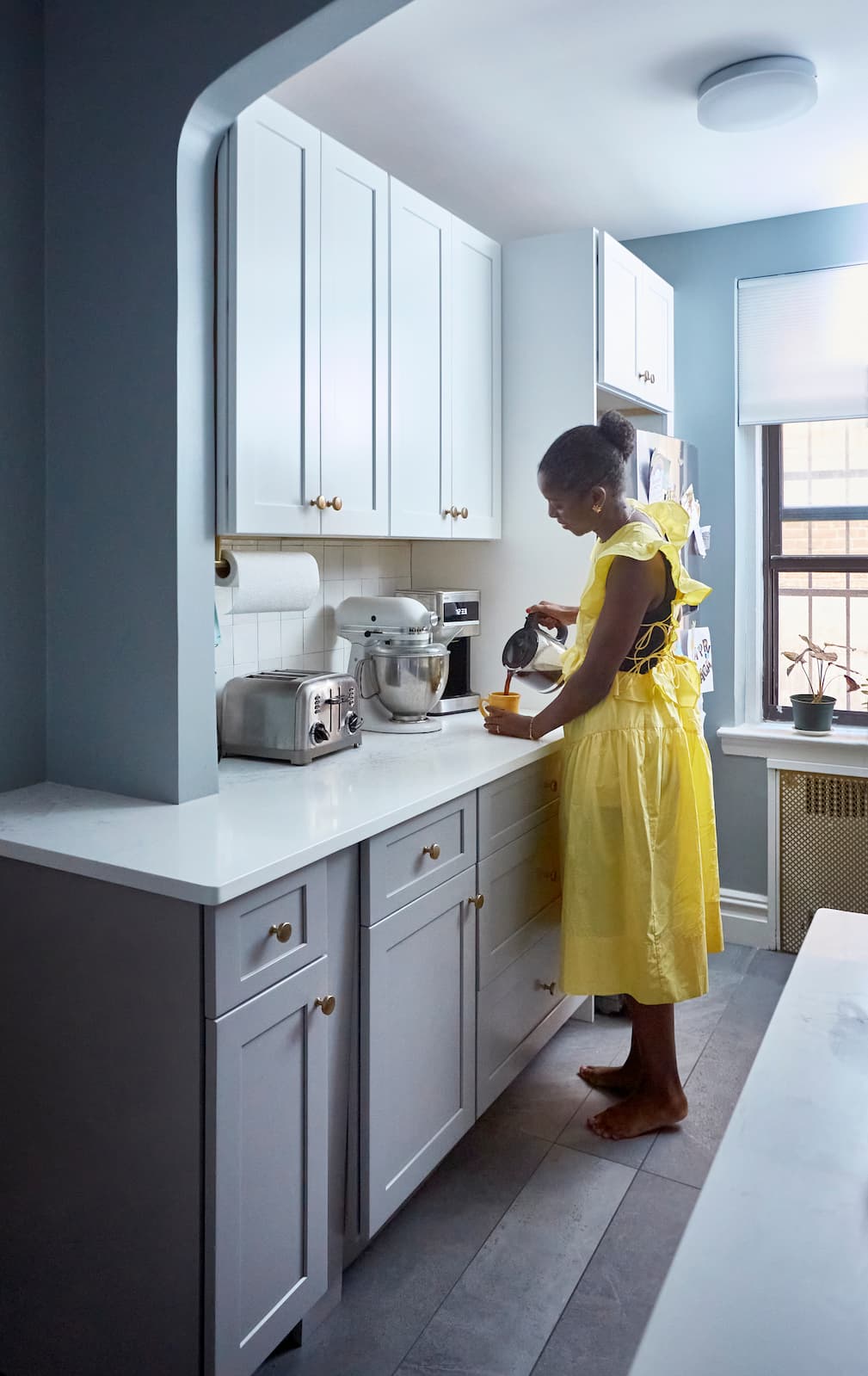
Renovate confidently with Block
Easily compare quotes from top quality contractors, and get peace of mind with warranty & price protections.
Kitchen Floor Plans
Galley Kitchen Floor Plans and Ideas That Work | Block
07.15.2026
.webp?width=640&name=King%20-%20Final%20Kitchen%20(1).webp)
Kitchen Floor Plans
AI Floor Plan Generator: Best Free & Paid Software
06.26.2026
Kitchen Floor Plans
U-Shaped Kitchen Layouts & Floor Plans: 8 Designs
05.28.2026

Kitchen Floor Plans
Kitchen Floor Plans With Islands: 6 Layouts That Work
05.14.2026

Kitchen Floor Plans
12x10 Kitchen Layouts: 5 Designs That Work
04.26.2026