





Flooring
Top Rated Luxury Vinyl Tile Brands Worth Sampling
09.11.2026
05.19.2026


In This Article
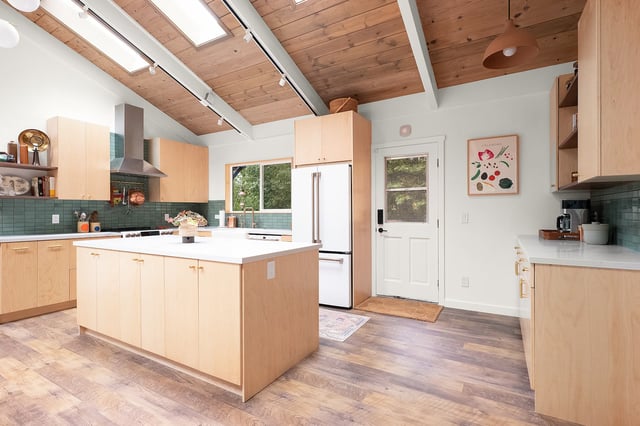
Wide plank vs narrow plank flooring is a bigger call than it looks. The width you choose changes cost, installation difficulty, how the wood behaves through the seasons, and how the room will feel a decade from now. Whether you're weighing wide plank vs narrow plank hardwood flooring for a living room or comparing wide plank vs narrow plank vinyl flooring for a kitchen, the differences add up.
|
Narrow plank |
Wide plank |
|
|
Width |
2¼ to 4" |
5 to 12+" |
|
Material cost (oak) |
$3 to $7 per sq ft |
$8 to $25+ per sq ft |
|
Visual feel |
Traditional, textured, classic |
Modern, rustic, expansive |
|
Best for |
Small rooms, hallways, period homes |
Open plans, larger rooms |
|
Labor |
More boards, more time |
Fewer boards, flatter subfloor required |
|
Moisture stability |
More forgiving |
Higher gap and cup risk |
|
Pattern flexibility |
Herringbone, chevron, parquet |
Plank only |
Before getting into the wide plank vs narrow plank flooring trade-offs, here's how the width categories actually break down. There's no universal industry standard, but most contractors and manufacturers work with these rough buckets:
The most popular range for residential wide plank in 2026 is 7 to 9". Popular isn't the same as right for your project.
Wide plank looks modern and expansive. Your eye doesn't catch on seams, and the grain starts working as the room's main visual.
A 7" board produces half the seam lines of a 3½" board. Knots and grain stop disappearing into the background.
This works in open-plan modern interiors with high ceilings and long sightlines. Pair a wide plank with a 7-foot length and the floor looks architectural. The same width at 3-foot lengths reads chunky and short.
Wide plank can also feel oversized in small spaces. A 10x12 bedroom with 8" boards is only six planks across, which can start looking more like a stage than a floor.
In the wide plank vs narrow plank hardwood flooring price comparison, wide consistently costs more in the same species and grade. For oak:
What no one mentions in the wide plank vs narrow plank hardwood flooring conversation: that premium isn't really about better wood. Wider boards need larger, older logs (in shorter supply) and produce more waste at the mill. Most of what you pay for is the offcuts that got tossed to produce one clean wide board. Wider boards do come from older trees with tighter grain, so there's some quality argument for it. But the price gap is mostly about yield, not better wood.
Here's the historical irony: wide plank wasn't always the premium choice. Colonial American homes had wide pine and chestnut boards because old-growth trees were free and abundant. The polished narrow oak strip floor was the late 19th century luxury upgrade: milled precision, tight joints, refinishable hardwood. The "wide plank equals luxury" framing is marketing, not history.
Wide plank suits open plans and modern interiors, especially in new builds and houses with high ceilings. It struggles in small rooms and period homes with original narrow trim, anywhere the boards would dwarf the space.
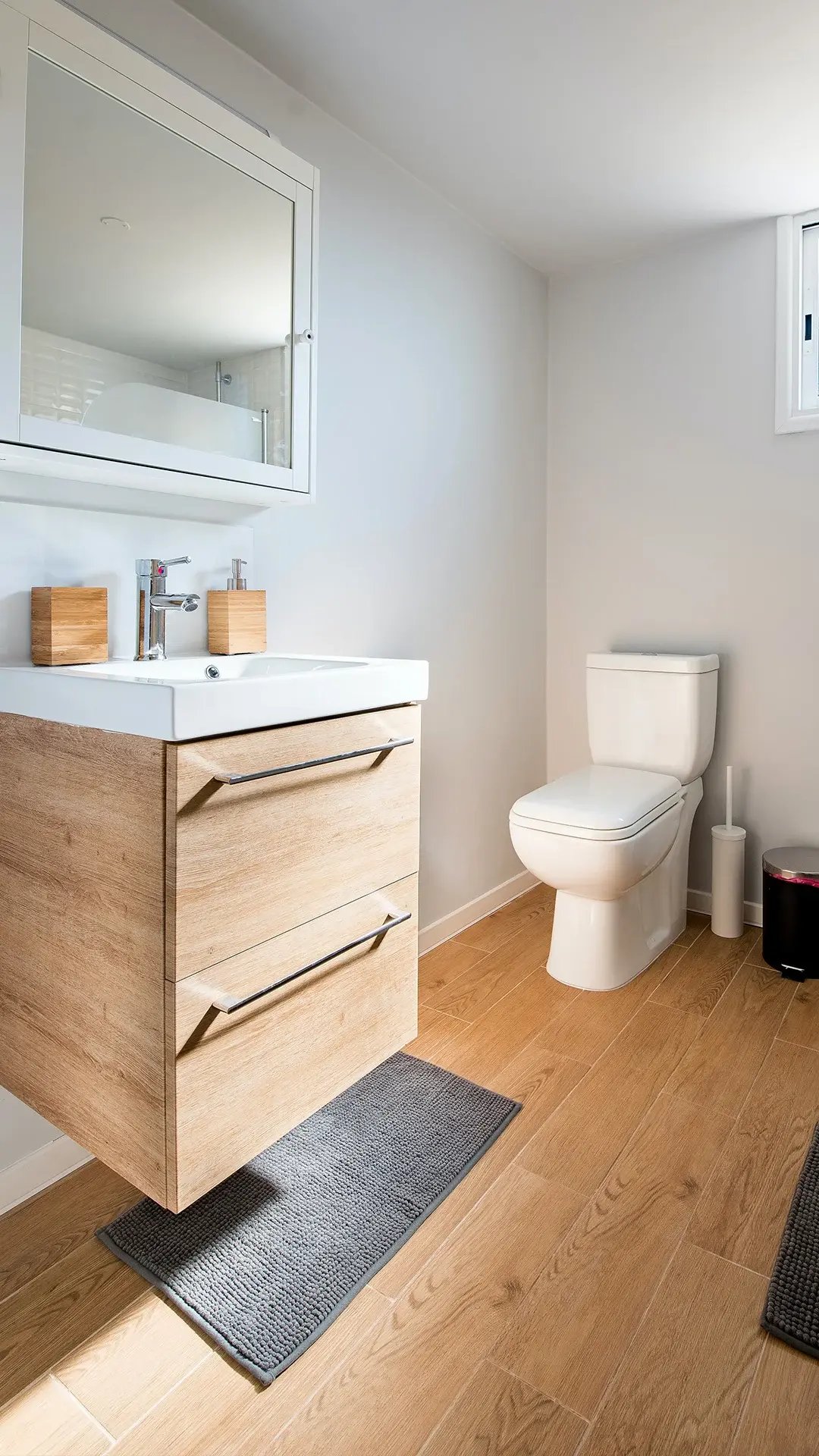
Narrow plank feels traditional and detailed. It pulls a room together instead of running it. The floor behaves as a background, not a feature.
It reads classic without trying, which is why it pairs so well with original moldings and rooms where the floor is meant to recede.
Narrow strip is forgiving on out-of-square walls and uneven subfloors. It also makes narrow hallways feel longer and small rooms feel proportional. The same 10x12 bedroom that looks oversized in 8" plank looks balanced in 3" strip.
Narrow plank is the budget-friendlier side of the wide plank vs narrow plank hardwood flooring equation on materials. Standard 2 to 3" solid oak runs $3 to $7 per square foot. Across an average renovation, that can save thousands compared to wide plank in the same species.
The catch is labor. A narrow strip uses more boards to cover the same square footage, which adds install time and some labor cost. The net difference in the wide plank vs narrow plank flooring math is usually smaller than the materials savings, but the labor line will tick up.
Narrow plank fits small rooms, hallways, and period homes, anywhere the floor should function as a background. It also fits anyone trying to keep hardwood costs down.
Narrow plank does something a wide plank physically cannot. Herringbone, chevron, parquet, basket weave, decorative borders: all of these require smaller pieces. The most expensive floors in the world (Versailles parquet, Chantilly weave) are made of narrow boards arranged in patterns. If "looks expensive" is the actual goal, a narrow strip in a pattern beats a plain wide plank in most directions.
Patterns add labor cost (a herringbone install can run 30 to 50% more than straight-lay), but they also add design weight that's hard to achieve any other way.
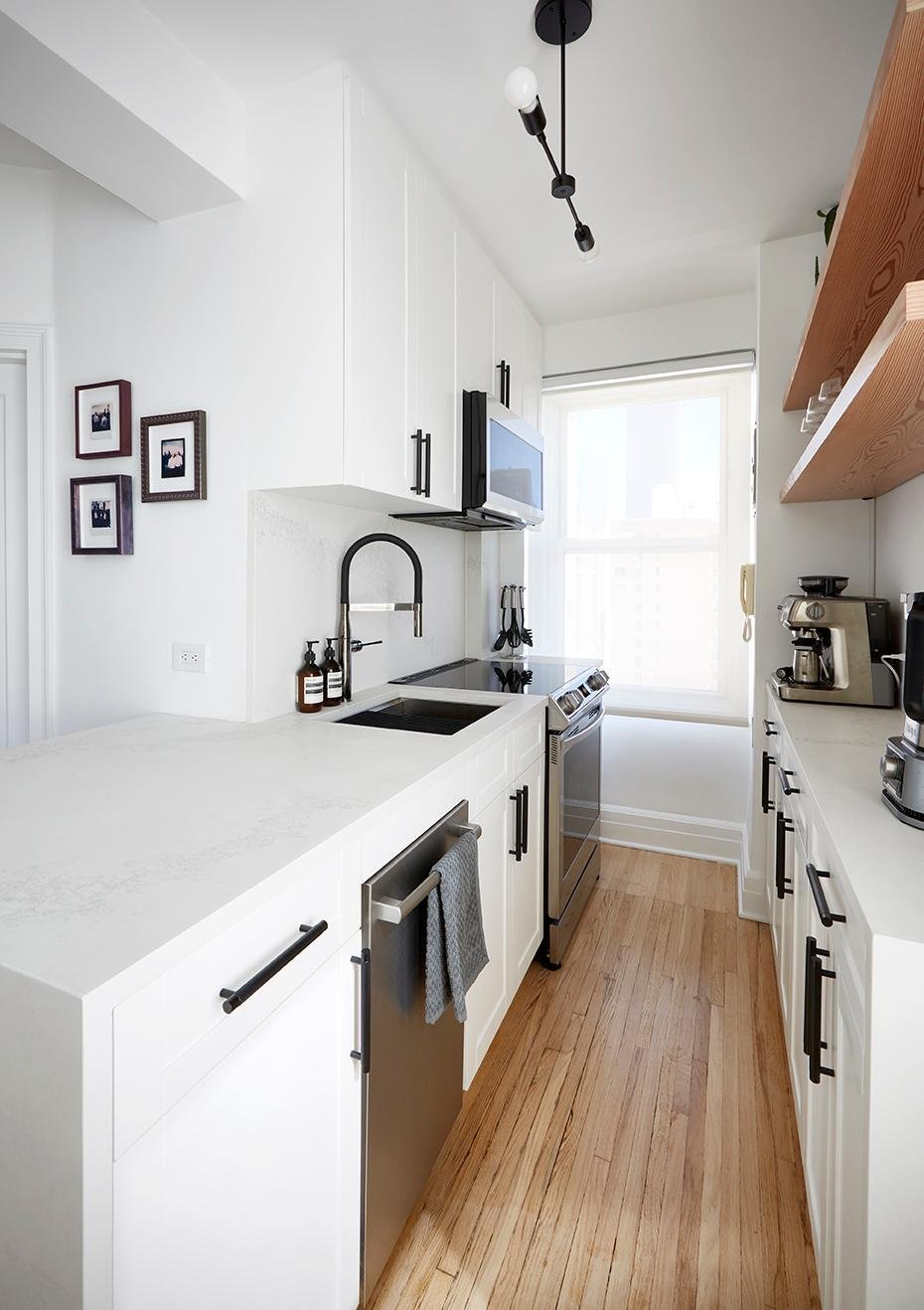
Wide plank vs narrow plank vinyl flooring plays out differently than the hardwood version. Luxury vinyl plank (LVP) is now a major part of the flooring market, and the price gap shrinks.
Standard LVP planks run 5 to 6" wide. Wide plank LVP starts at 7" and goes up to 12". Unlike with hardwood, the premium for going wide in wide plank vs narrow plank vinyl flooring is small: usually $0.50 to $1.50 more per square foot than standard-width versions from the same brand.
The installed cost gap with hardwood is significant:
Where vinyl wins in the wide plank vs narrow plank vinyl flooring conversation:
Where hardwood still wins:
One LVP-specific note for the wide plank vs narrow plank vinyl flooring decision: wide plank vinyl looks more like real hardwood than narrow vinyl does, because the larger format shows more of the printed grain pattern in each plank. If you're going with vinyl, going wide makes the floor look more convincing.
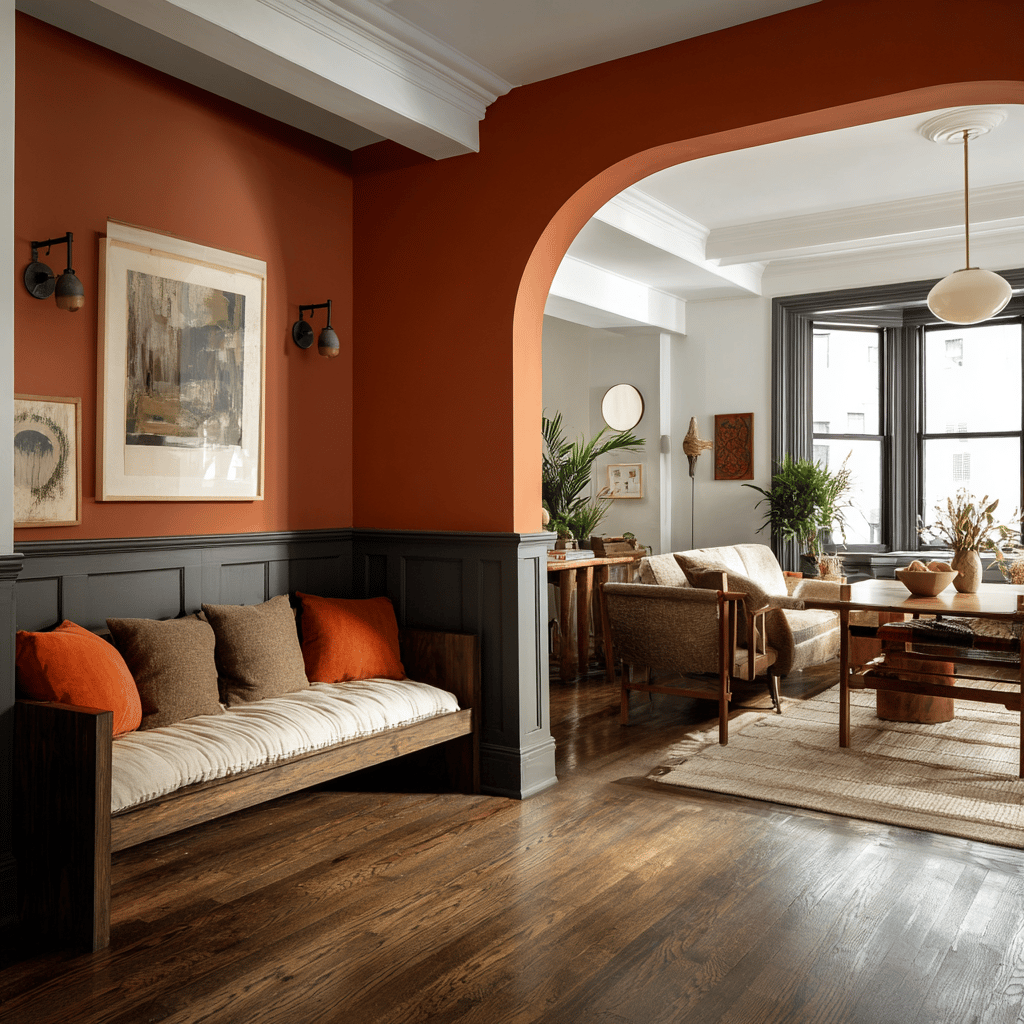
Color changes how width reads.
When thinking about how plank size pairs with finishes:
Climate matters more than guides admit when comparing narrow vs wide plank flooring.
Sticker price isn't the full picture on the wide plank vs narrow plank hardwood flooring question. Three rough scenarios over a 30-year horizon:
Premium wide plank can be worth it for the look. The narrower, more refinishable floor often comes out ahead on cost per decade, even though it looks cheaper on the showroom invoice.
This is also what most pros actually pick. Many experienced installers prefer the 4 to 5" range because it stays put through humidity swings and refinishes cleanly. It delivers most of the wide plank look at lower cost. The 7"-plus look gets attention on social media. The 4 to 5" look gets installed in pros' own homes.
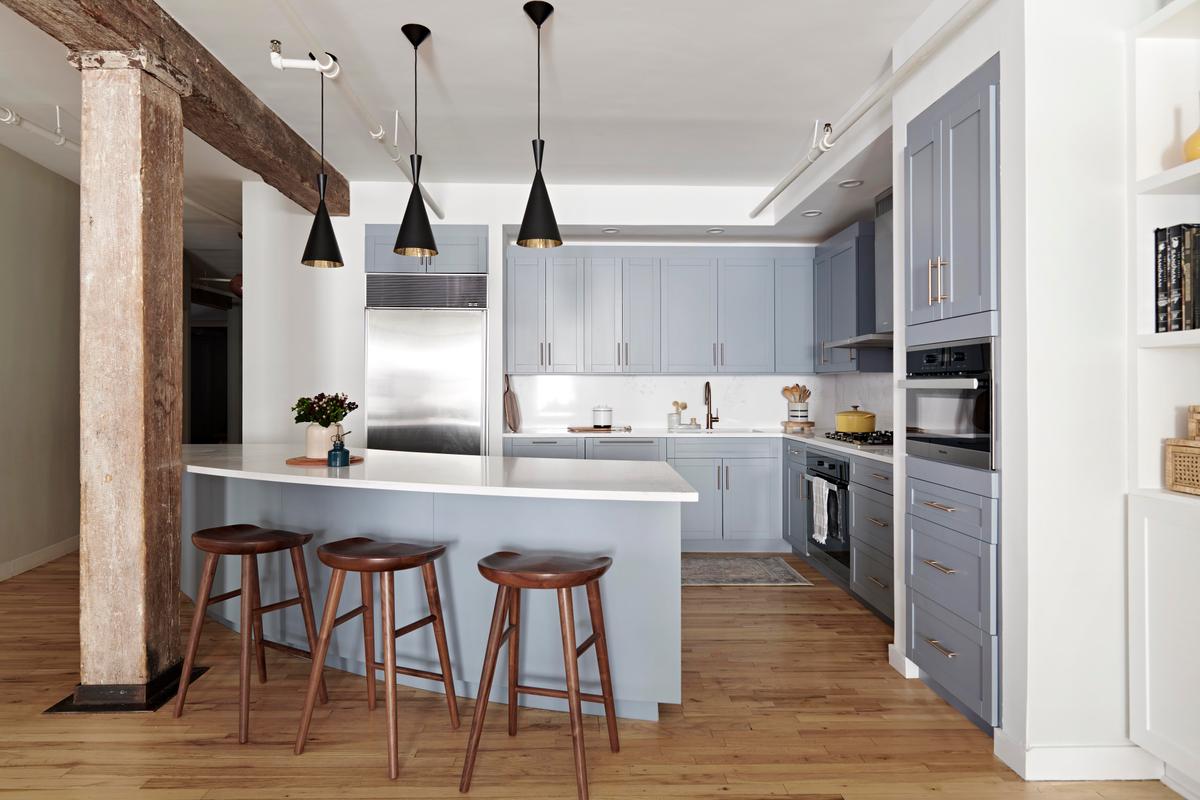
Questions to put to a contractor before they sign off on wide plank:
A good contractor will have answers to all of these. A contractor who doesn't may not have installed enough wide plank to be the right fit for the job.
Flooring is one of the biggest material decisions in a renovation, and width is only one piece of it. Block Renovation's free Renovation Studio lets you visualize plank widths, colors, and finishes in your actual space, with real-time cost estimates. When you're ready to hire, Block matches you with vetted local contractors who'll flag the subfloor and humidity issues that decide whether the floor looks like the showroom photo or opens up in February.
Remodel with confidence through Block

Connect to vetted local contractors
We only work with top-tier, thoroughly vetted contractors

Get expert guidance
Our project planners offer expert advice, scope review, and ongoing support as needed

Enjoy peace of mind throughout your renovation
Secure payment system puts you in control and protects your remodel


Renovate confidently with Block
Easily compare quotes from top quality contractors, and get peace of mind with warranty & price protections.
Flooring
Top Rated Luxury Vinyl Tile Brands Worth Sampling
09.11.2026
Flooring
Best Carpet Brands: 7 Lesser-Known Names Worth Sampling
09.02.2026
Flooring
Maple vs Oak Flooring: Which Hardwood Is Right for Your Home?
08.31.2026
Bathroom
Non-Tile Bathroom Flooring Options
08.26.2026
Flooring
Comparing Different Types of Natural Stone Flooring
08.25.2026