



Design
Bathtub to Shower Conversion: Cost, Ideas, Examples & More
08.11.2026
03.24.2026


In This Article
There's something about wood that immediately makes a room feel more grounded. More lived-in. More like home. Whether it's a single feature wall in a bedroom or exposed ceiling beams stretching across an open kitchen, wood accent walls have a way of adding warmth and dimension that paint alone can't replicate.
The beauty of wood accent wall ideas is their versatility. A floor-to-ceiling slat wall can feel sleek and modern. A reclaimed barn wood headboard can feel rustic and storied. Painted board-and-batten in a soft sage can feel quiet and refined. The material is the same—it's the application that shifts the entire mood. This guide covers some of the most effective wood feature wall ideas and trim treatments for every room of your home, with practical considerations around cost, installation, and working with your contractor to get the details right.
.png?width=1024&height=1024&name=u5821215421_Slim_evenly_spaced_battens_from_floor_to_ceiling__700189ce-fbb4-4a19-a593-62e148ccbbef_2%20(1).png)
Most walls in a home are flat, smooth, and painted a single color. They do their job, but they don't give you much to look at. A wood accent wall breaks that pattern by introducing texture, dimension, and natural variation—qualities that make a room feel finished and intentional.
Wood also has an inherent warmth that other materials struggle to match. Even in a room full of cool tones—gray sofas, white walls, black metal fixtures—a single wood feature wall can ground the space and keep it from feeling sterile. That's why wood accent walls have remained popular across decades of shifting design trends. The material is adaptable enough to feel modern, rustic, coastal, or refined, depending on how it's applied.
Design a Home That’s Uniquely Yours
Block can help you achieve your renovation goals and bring your dream remodel to life with price assurance and expert support.
Get Started
Not all wood accent walls or accent ideas are created equal. The treatment you choose will determine the overall mood of the room, so it's worth understanding the main categories before you start sourcing materials.
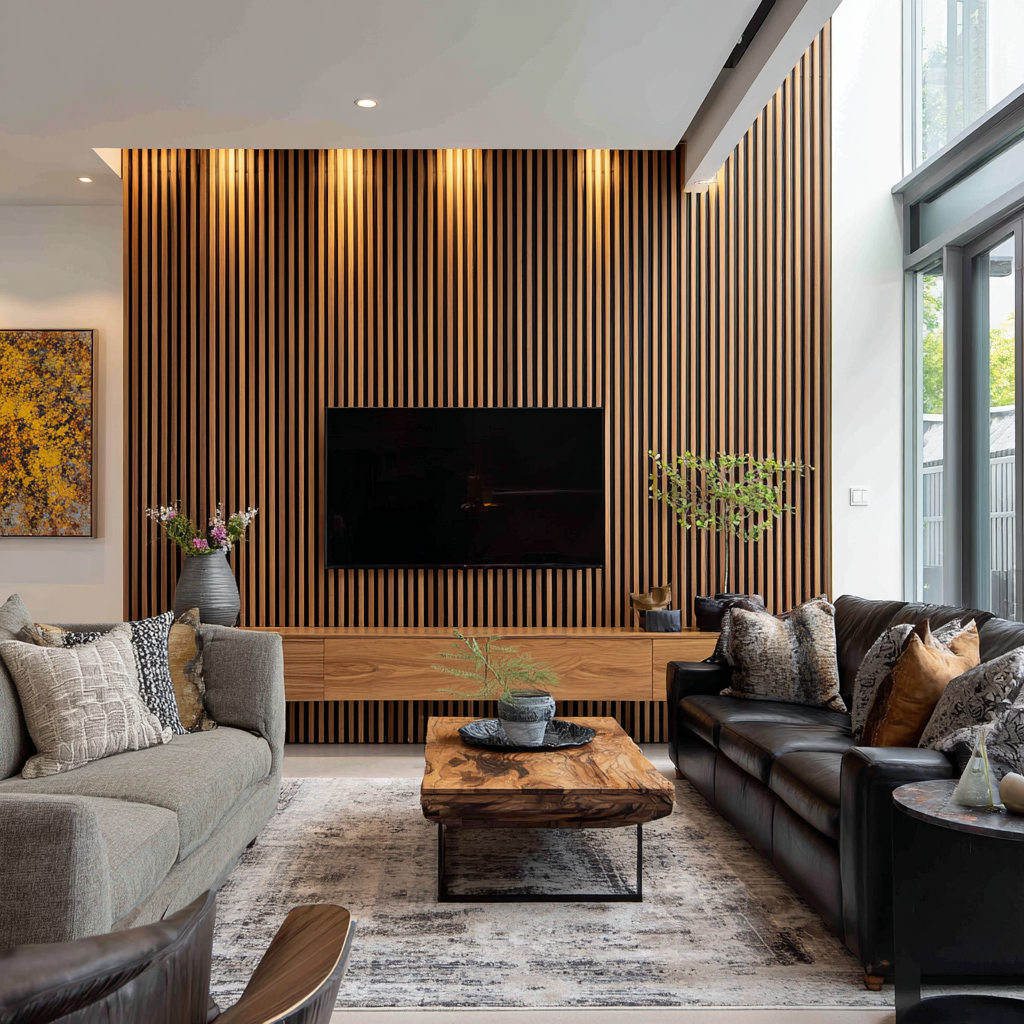
Vertical slat walls are one of the most popular wood accent wall ideas right now, and it's easy to see why. Evenly spaced slats running from floor to ceiling create clean, architectural lines that add rhythm and height to a room. The look is inherently modern but can be warmed up depending on the wood species—walnut reads rich and moody, while white oak feels lighter and more Scandinavian.
One of the advantages of a slat wall is its ability to disguise a television. When you mount a screen against a slatted wood backdrop—especially one with warm uplighting at the top—the TV becomes part of the design rather than an interruption. Your contractor can install the slats over a plywood backer board, which keeps spacing consistent and simplifies the build.
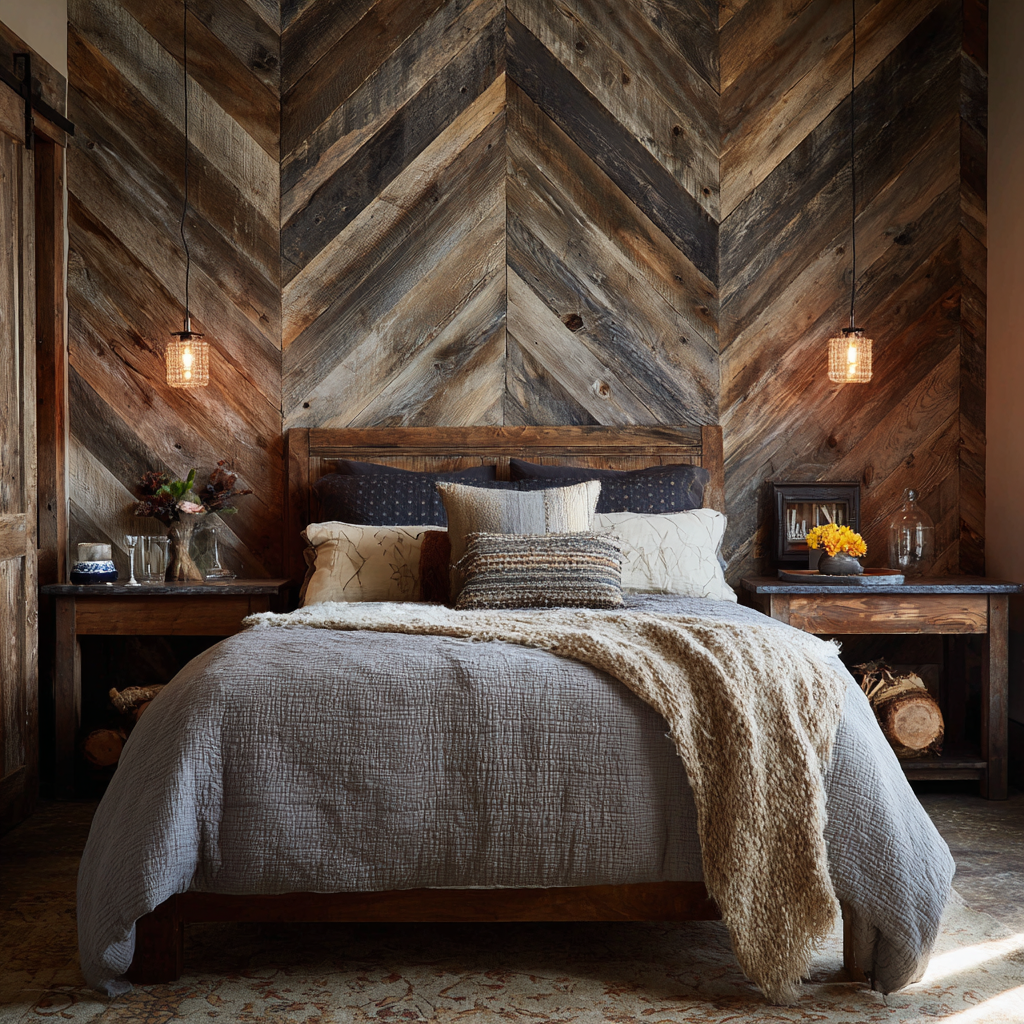
Reclaimed wood brings character that new materials can't replicate. The variation in tone, grain, knots, and patina tells a story, and that's what makes this one of the most emotionally resonant wood feature wall ideas. Salvaged planks can be installed horizontally, vertically, or in a pattern like chevron or herringbone for added visual movement.
If you choose this idea for your accent walls, work with a reputable supplier who kiln-dries their materials to eliminate pests and can verify the wood is free of lead paint. Plan for 15–20% overage when ordering, since reclaimed planks often have unusable sections that need trimming. And always dry-lay the pattern before your contractor starts fastening—arranging tones and widths in advance avoids costly surprises.
Board-and-batten is one of the most accessible and budget-friendly wood trim accent wall treatments you can add to your remodel. Flat battens applied over a flat panel in a repeating vertical pattern create dimension through shadow and light—and when painted the same color as the wall behind them, the effect is subtle, sophisticated, and never busy.
What makes this approach so versatile is the paint. A soft sage creates calm in a bedroom. A deep navy adds drama in a dining room. Charcoal behind built-in shelving feels editorial and polished. The lumber itself—typically MDF or poplar strips—is inexpensive, making this one of the strongest-value wood accent walls you can invest in.
Horizontal treatments feel more relaxed and grounded than their vertical counterparts. Shiplap, tongue-and-groove, and raised-panel wainscoting all fall into this category, and they're especially well-suited for entryways, mudrooms, hallways, and bathrooms where you want warmth and durability in a high-traffic zone.
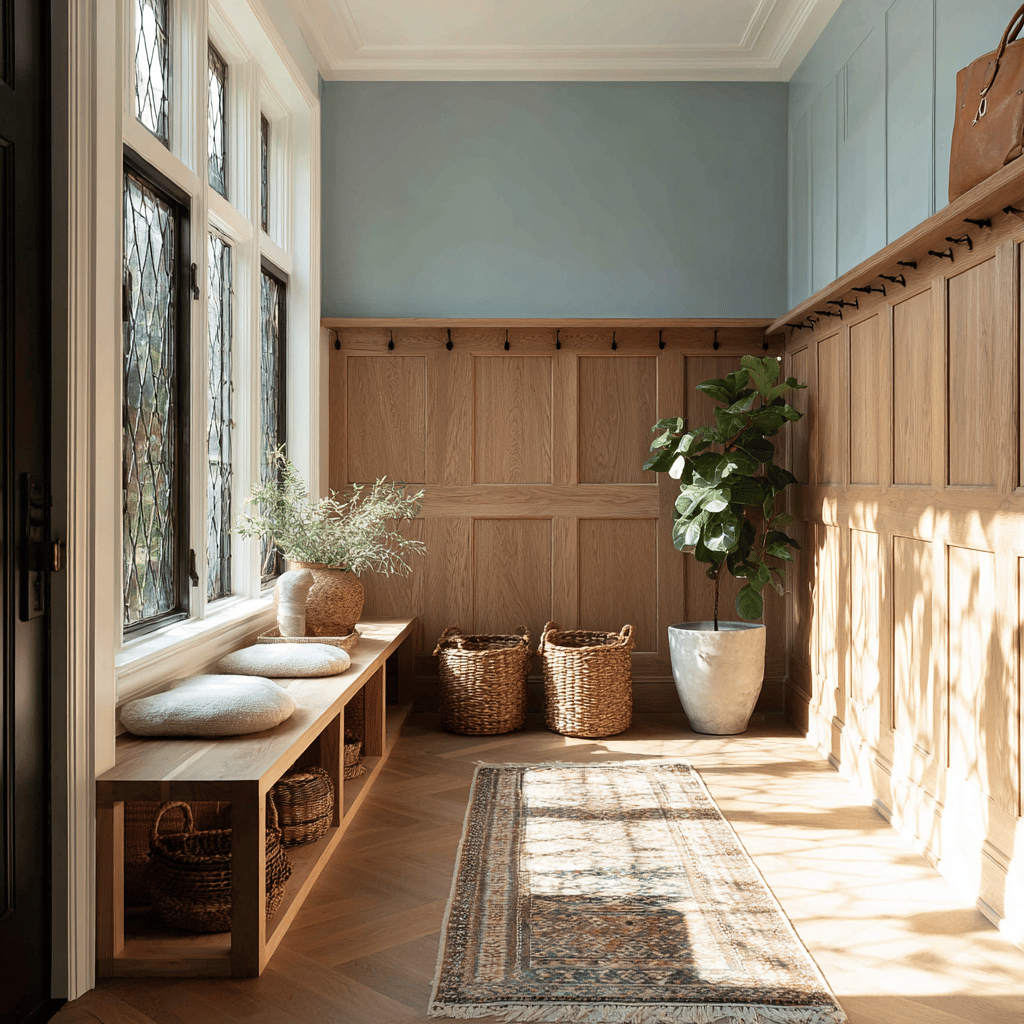
Wainscoting on the lower half of a wall is one of the oldest wood trim accent wall techniques, and it endures because it works. It protects the most vulnerable part of the wall from everyday wear, and the raised-panel or beadboard texture adds architectural interest that a coat of paint can't match. Standard chair-rail height is 32 to 36 inches, but in rooms with taller ceilings, going up to 48 inches or two-thirds of the wall creates a more dramatic proportion.
The best wood accent wall ideas aren't limited to living rooms. Here's how to think about placement, room by room.
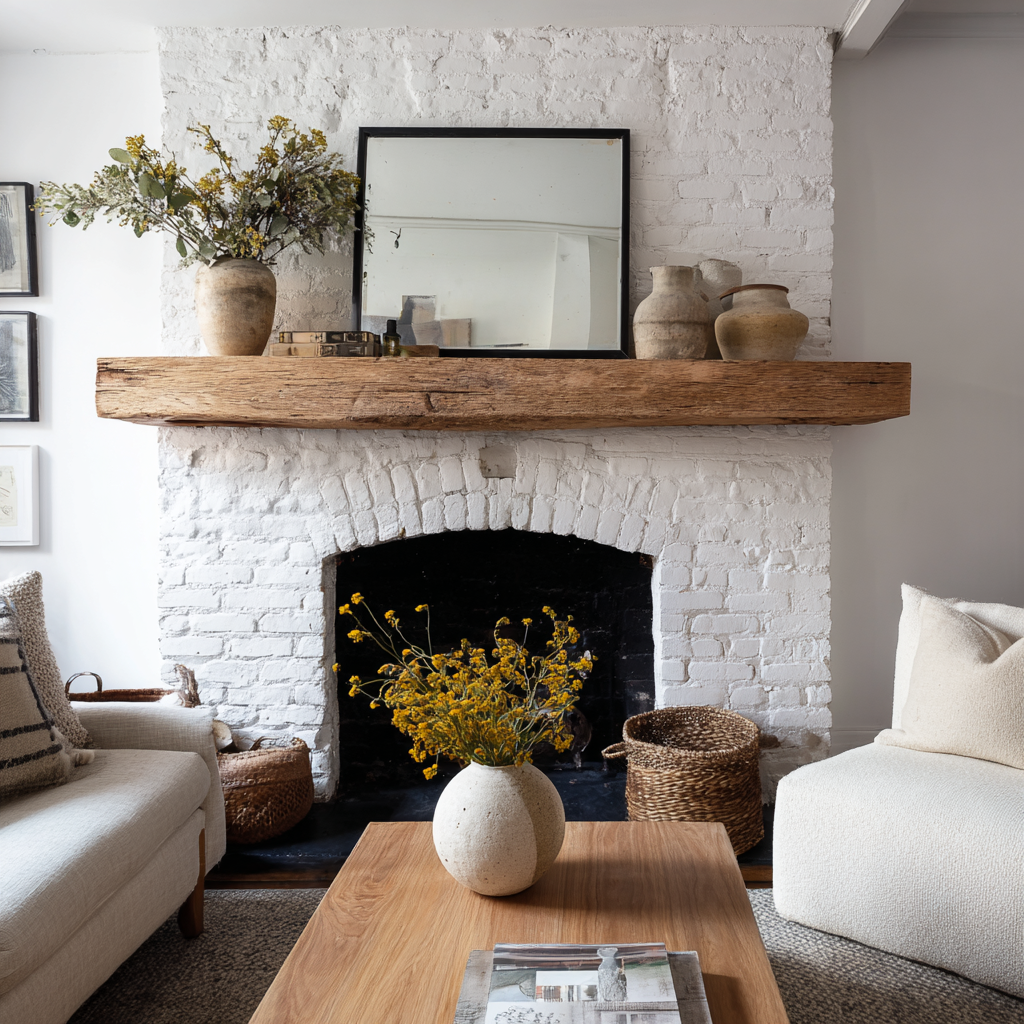
This is the most common spot for wood accent walls—and for good reason. A feature wall behind the television, the sofa, or the fireplace anchors the room and gives it a clear focal point. If your living room has a fireplace, consider pairing a reclaimed beam mantel with a wood-paneled or slatted surround to amplify the effect.
If you're sourcing a reclaimed beam for your mantel, keep in mind that these can weigh 75 to 150 pounds or more. Your contractor will need to install proper structural support behind the wall—typically a steel angle bracket or a French cleat system—to carry the weight safely.
A wood accent wall behind the bed replaces the need for a traditional headboard and creates a sense of enclosure that makes the room feel more restful. Painted battens, natural wood slats, and reclaimed planks all work beautifully here. The key is choosing a tone and texture that complements your bedding and lighting rather than competing with it.
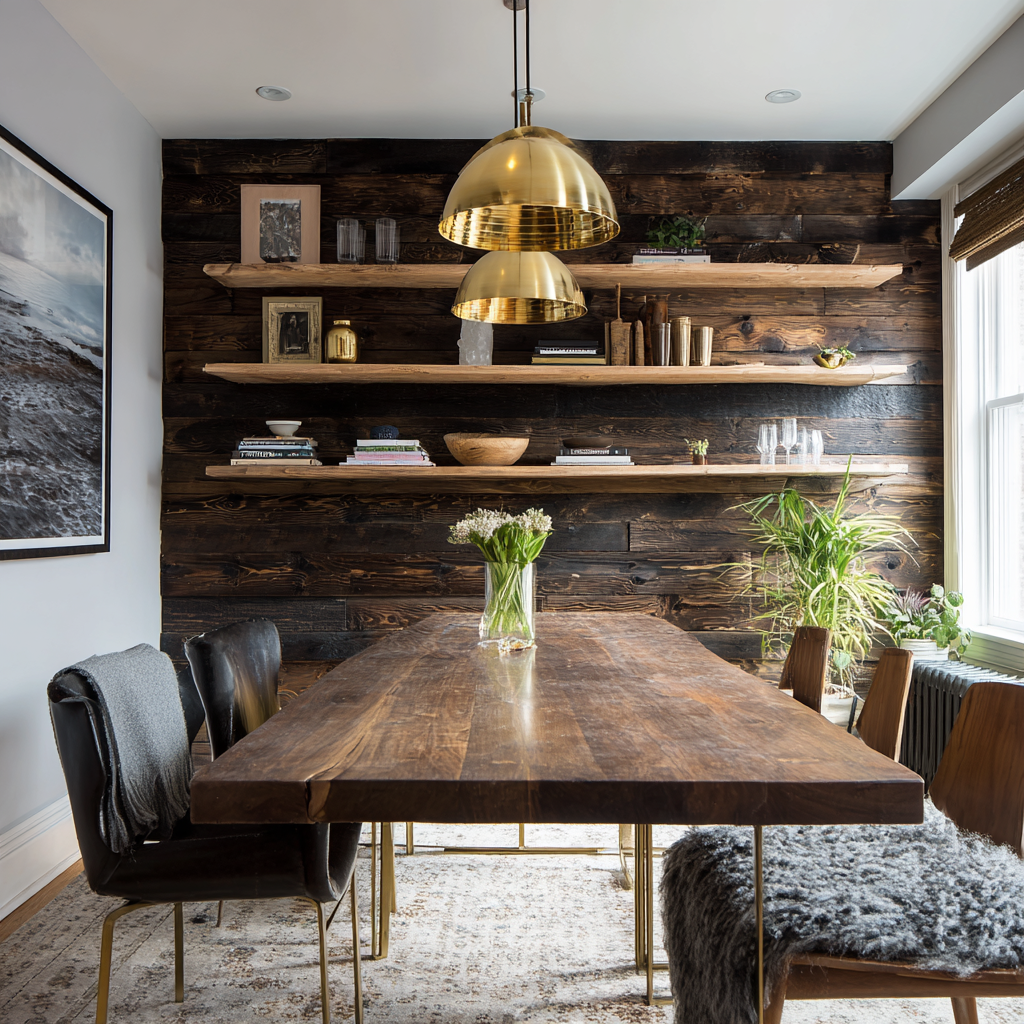
A bold wood feature wall in a dining room—particularly one with dark, moody reclaimed planks—creates atmosphere and helps define the space in an open floor plan. Floating shelves mounted on the wood wall add function and give you a place to display art, books, and objects that personalize the room.
Brass or gold lighting fixtures pair especially well against dark wood. The warmth of the metal softens the moodiness of the wall and keeps the room from feeling heavy.
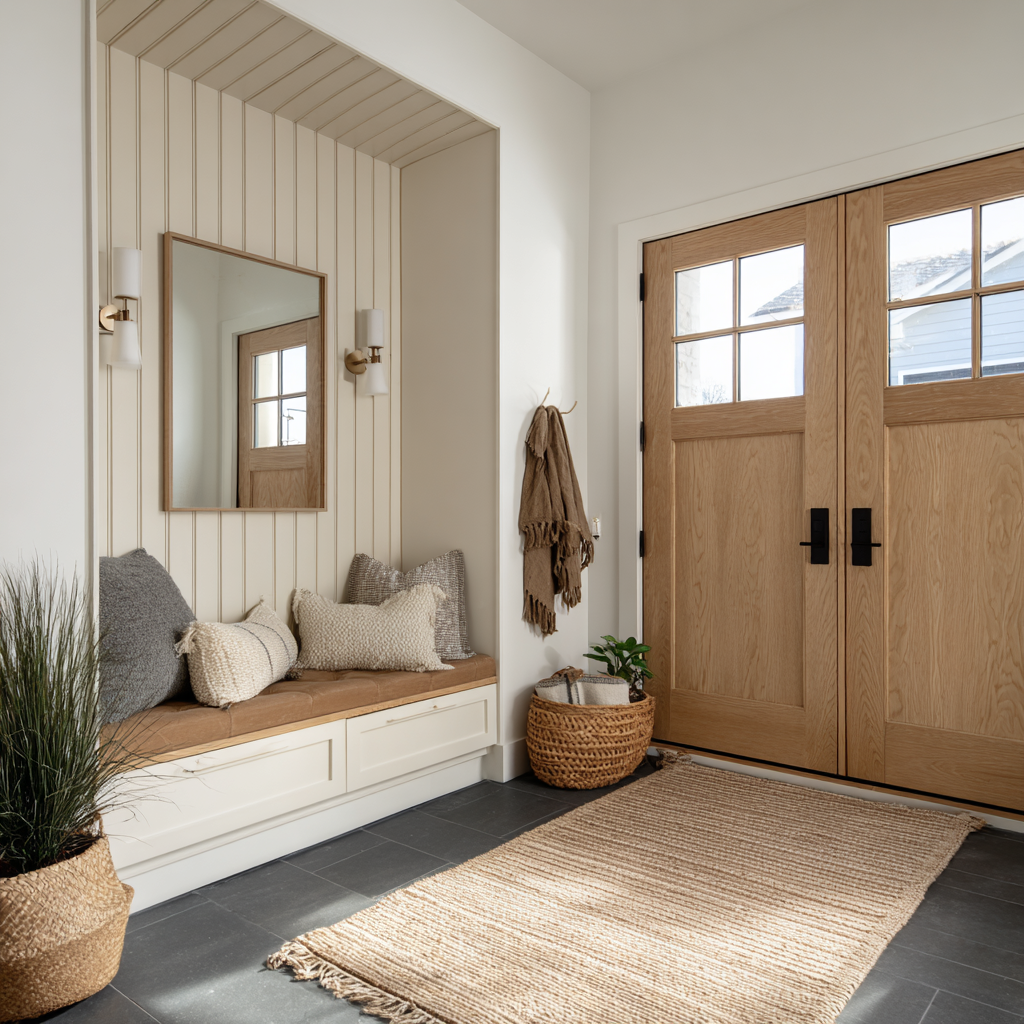
First impressions matter, and a paneled or wood-clad entryway sets a warm tone from the moment someone walks through the door and into your mudroom. Even a small application—beadboard inside a built-in bench nook, for instance—can make a big impact without a large material investment. The beauty of this ideas is that the wood accent adds personality without cluttering the smaller area.
Entryways also take a beating. A paneled wall is more durable than bare drywall and easier to touch up if it gets scuffed, making wood accent walls in this zone both beautiful and practical.
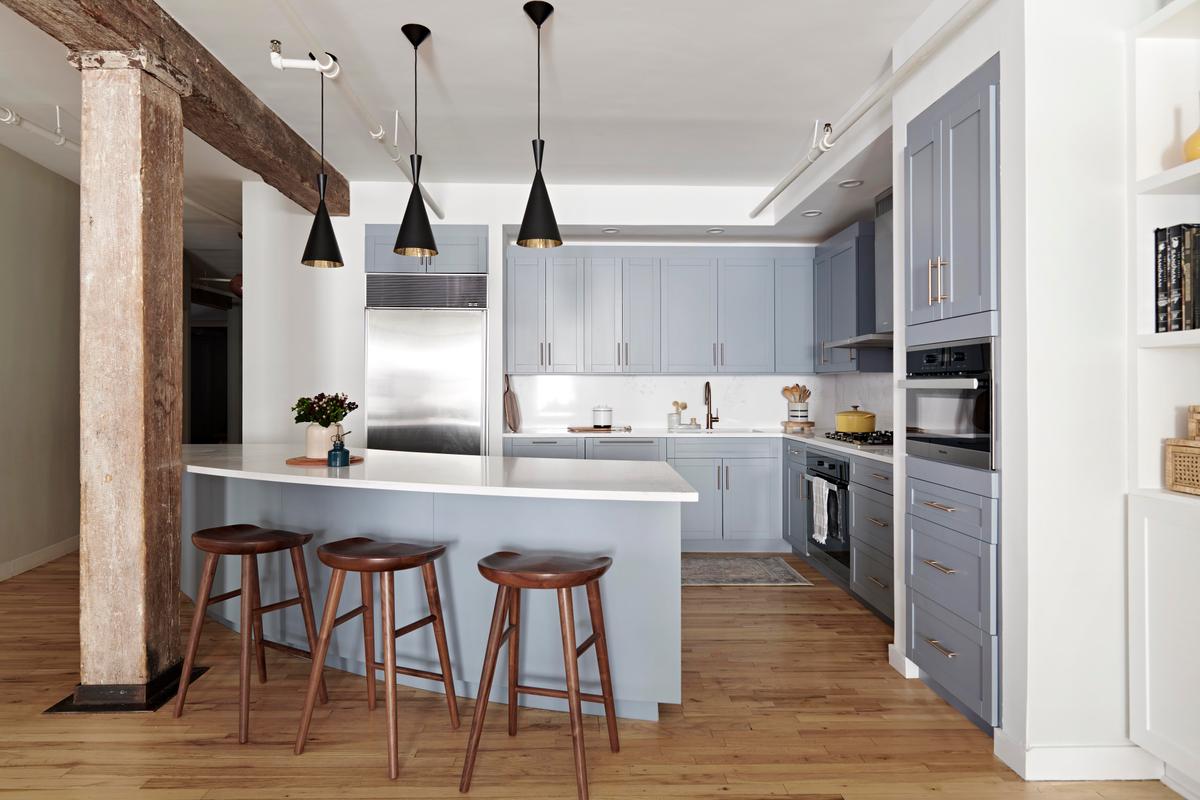
In loft apartments and converted industrial spaces, original timber columns and beams are part of the building's structural DNA. Leaving them exposed—or restoring them—during a kitchen renovation creates a striking contrast between old and new that gives the space depth and story.
If your home has structural columns hidden behind drywall, ask your contractor whether they can be safely exposed during your renovation. In many older buildings, particularly prewar and industrial conversions, the original wood underneath is in beautiful condition and just needs cleaning, light sanding, and sealing. Find more diverse ideas on bringing wood accents into your kitchen.
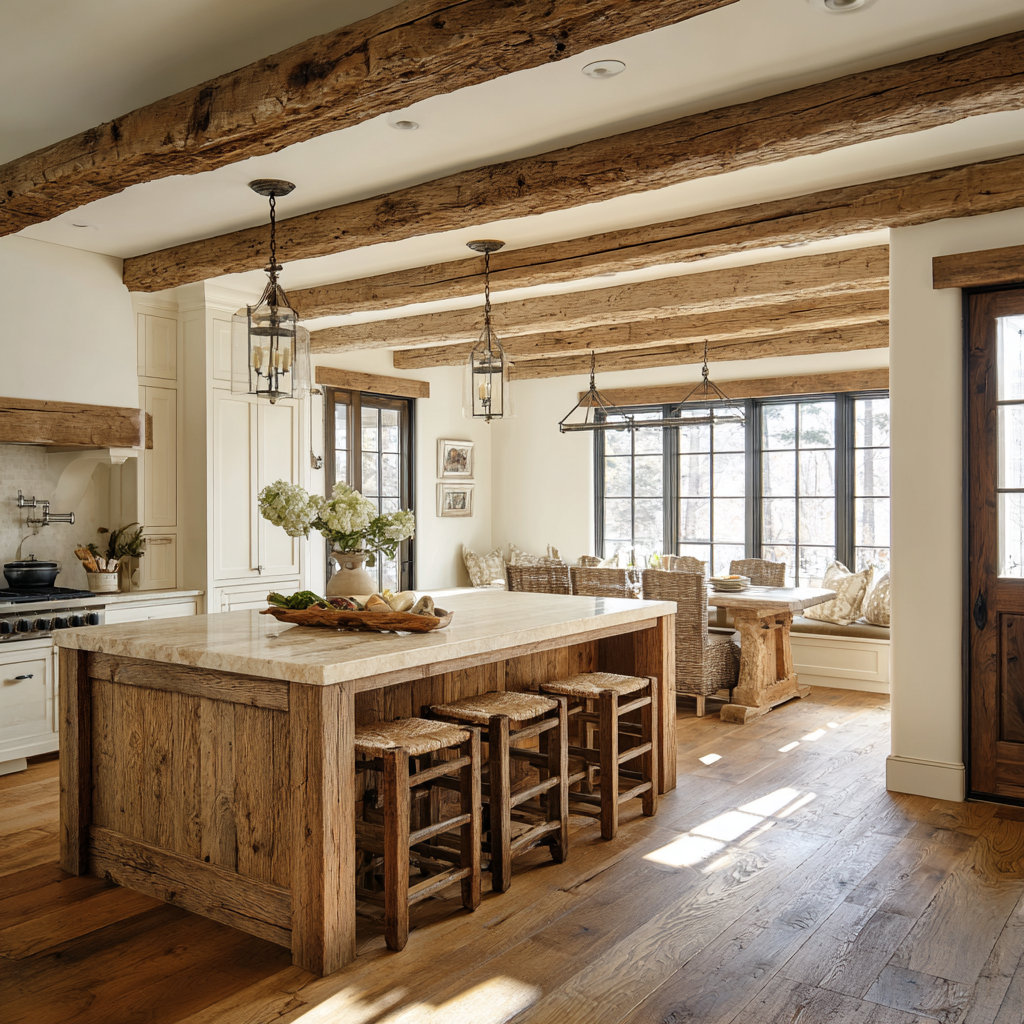
Some of the best wood accent wall ideas aren't really about walls at all. Wood can work just as hard in other parts of your home.
Exposed beams across a kitchen or living room ceiling add scale and character instantly. In older homes, they may already exist beneath a dropped ceiling—uncovering them during a renovation can be one of the most rewarding surprises of the project. In newer homes, decorative beam wraps or faux beams achieve a similar look. Decorative beams work best in rooms with at least nine-foot ceilings, and finish options range from raw and rough-hewn to sanded and sealed or lime-washed.
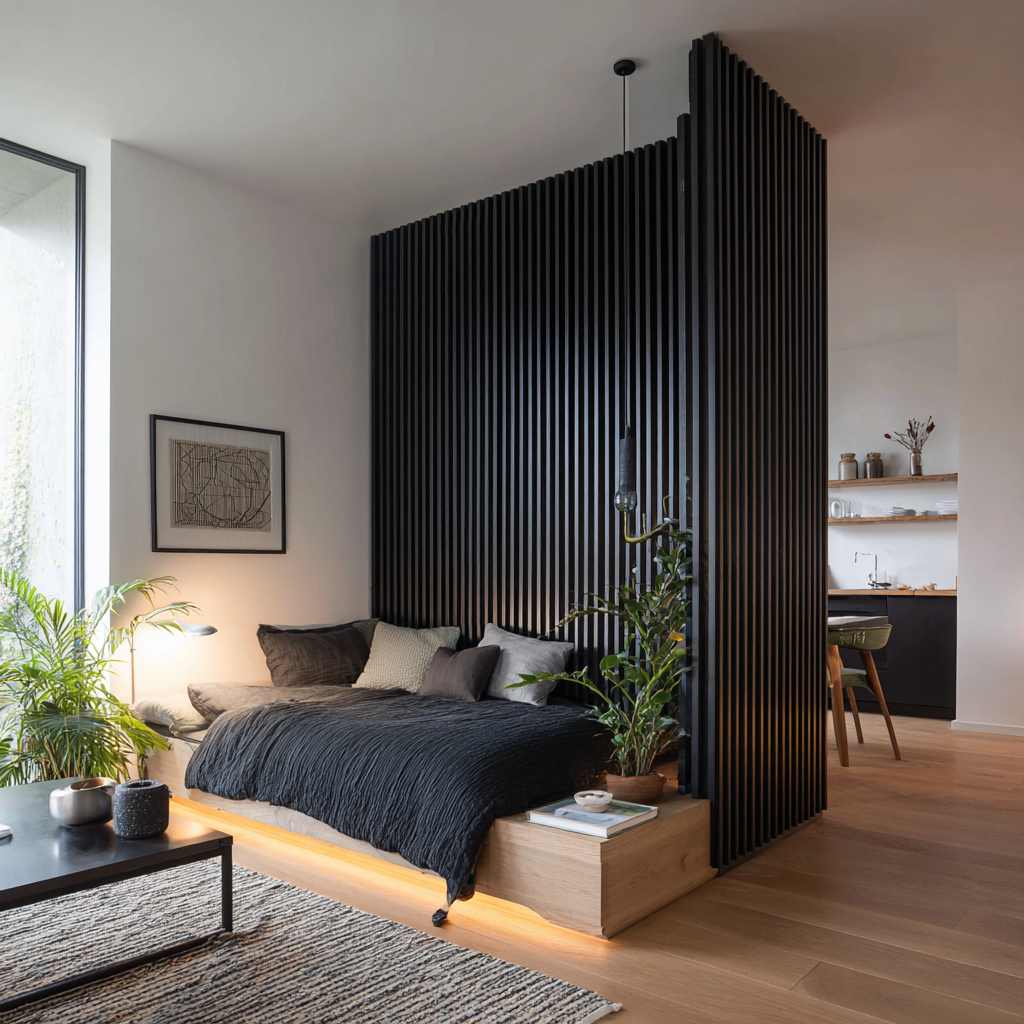
Freestanding or semi-attached slat dividers can define zones within an open floor plan while still allowing light and air to pass through. In studios and lofts, a slat divider can carve out a sleeping area without sacrificing the open feel. Dark-stained slats create a bold, graphic presence, while natural tones recede and act more like a screen. It’s a wood accent with purpose!
Talk with your contractor about anchoring options—freestanding slat walls need to be secured to the floor and ceiling to remain stable.
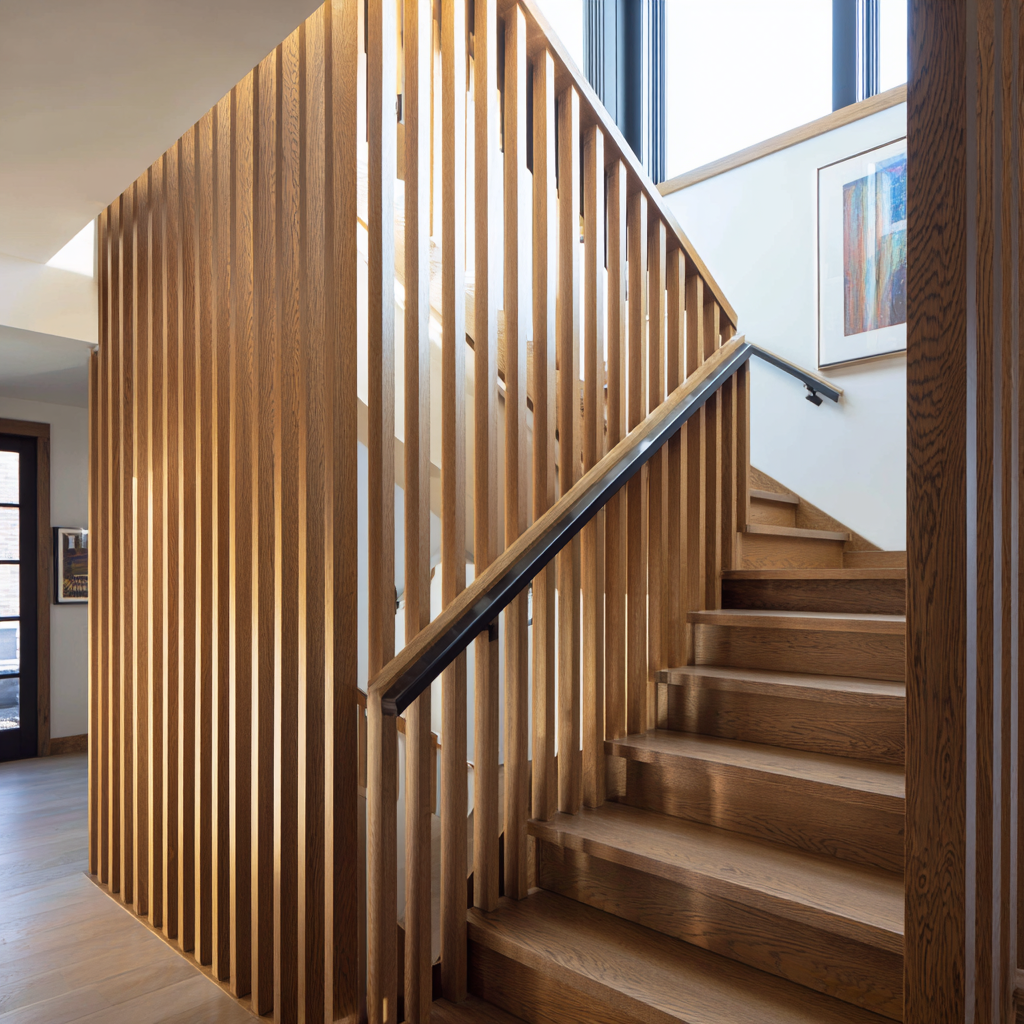
Replacing a traditional banister with vertical wood slats brings a modern, architectural quality to a staircase. The slats serve the same safety function as a standard railing while creating a visually lighter, more open feel. The slats need to meet local building codes for spacing (typically no more than four inches apart), and the handrail system needs to be structurally sound—so this is a project that benefits from a contractor with finish carpentry experience. For related ideas, read Stair Banister Remodeling Ideas for Both Modern & Traditional Homes.
Love the look of wood accent walls but need a solution for wet areas? Wood-look porcelain tile has come a long way. Today's options are remarkably convincing—capturing the grain, tone, and texture of real planks—while being completely waterproof and easy to maintain. That makes them ideal for shower surrounds, bathroom feature walls, and kitchen backsplashes.
For the most realistic look, choose longer plank formats (6" x 36" or 8" x 48") and a grout color that closely matches the tile face. Pairing wood-look tile with a contrasting material—white subway tile, matte hexagonal floor tile, or natural stone—keeps the room from feeling one-note and highlights the wood-look planks as the focal point. Installation costs a bit more than standard tile because large-format planks require a very flat substrate and careful alignment—something to factor into your budget.
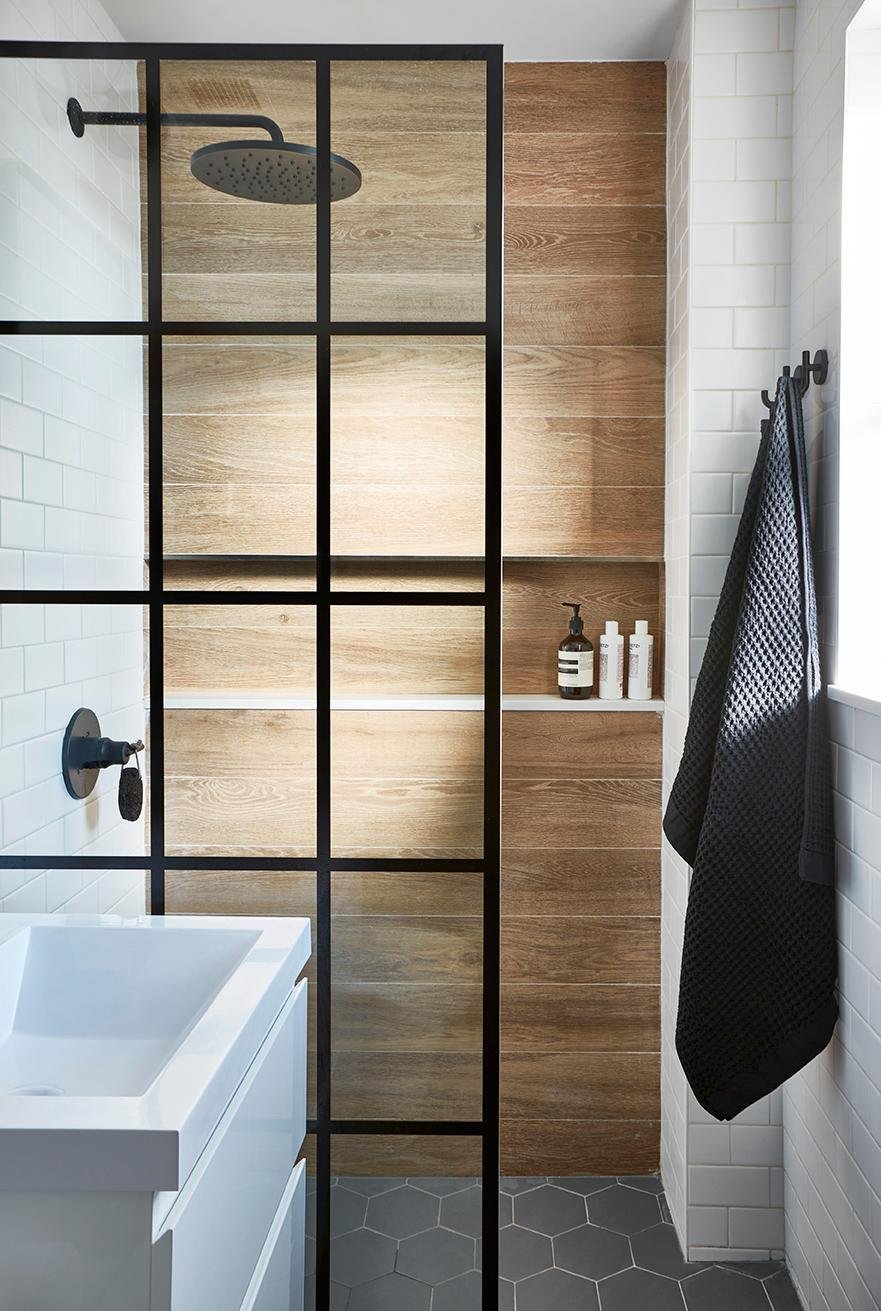
A few practical considerations will help your project go smoothly, no matter which type of wood accent wall you choose.
The cost of wood accent walls varies widely depending on the treatment. Painted MDF board-and-batten typically runs $3–$8 per square foot installed. Shiplap and tongue-and-groove paneling falls in the $5–$12 range. Natural wood slat walls in oak or walnut can cost $15–$35 per square foot, and reclaimed wood planks range from $10–$25+ depending on sourcing and condition. Decorative ceiling beams run $200–$600+ each, and wood-look porcelain tile falls around $8–$15 per square foot installed.
Wood expands and contracts with changes in humidity, so in bathrooms, kitchens, and other moisture-prone areas, choose materials rated for those conditions or opt for moisture-resistant alternatives like wood-look porcelain tile or composite paneling. For wood accent walls in bedrooms, living rooms, and entryways, natural wood is typically fine—just make sure your contractor allows the material to acclimate to your home's interior humidity for at least 48 to 72 hours before installation. And if your renovation involves opening up walls, that's the ideal time to add a wood trim accent wall, since your contractor can address insulation, electrical, and blocking needs before the new surface goes on.
Wood accent walls and trim treatments are some of the most rewarding renovation projects you can take on. They add warmth, personality, and architectural interest—and they work in virtually every room of the house.
Block Renovation can help you move from inspiration to installation with confidence. Start by exploring your vision and getting a sense of costs in Block's free Renovation Studio. When you're ready, Block connects you with up to four vetted, licensed contractors who are experienced with finish carpentry, custom millwork, and the kind of detail-oriented work that makes wood accent walls shine. You'll get detailed proposals to compare side by side, expert scope reviews to catch anything that's missing, and built-in protections like progress-based payments and a one-year workmanship warranty.
Remodel with confidence through Block

Connect to vetted local contractors
We only work with top-tier, thoroughly vetted contractors

Get expert guidance
Our project planners offer expert advice, scope review, and ongoing support as needed
Enjoy peace of mind throughout your renovation
Secure payment system puts you in control and protects your remodel

Renovate confidently with Block
Easily compare quotes from top quality contractors, and get peace of mind with warranty & price protections.
Design
Bathtub to Shower Conversion: Cost, Ideas, Examples & More
08.11.2026
Design
Open Shelving Bathroom Design Ideas & Optimal Placement
08.08.2026

Design
Dining Room Dimensions: Minimums and Standard Sizing
08.07.2026
Design
Split Foyer Renovation: Ideas, Costs & What Pays Off
07.16.2026
Design
Wainscoting vs Board and Batten: How to Choose
07.06.2026