




Countertops
Laminate Countertops vs. Quartz: How to Choose
09.15.2026
12.04.2025


In This Article
Porcelain countertops have become one of the most sought-after surfaces in kitchens and bathrooms across the country. You’ve probably seen them featured in home tours or heard designers talk them up for their durability and design flexibility. But it’s easy to get swept up in the excitement about any celebrated surface when what really matters is how a countertop will perform in your home, with your habits and your priorities. Here’s what to know so you’ll feel good about your decision before taking the leap.
Expect to pay between $60 and $120 per square foot for porcelain countertops, making them more affordable than high-end marble but pricier than butcher block or laminate.
Porcelain countertops typically fall into the mid-to-upper price range for solid surfaces, with most installations landing between $60 and $120 per square foot, including fabrication and professional installation.
For context, that means porcelain is usually more affordable than premium marble or natural stone, which can start around $80 and climb well above $200 per square foot. Porcelain is comparable in cost to most quartz countertops, which generally range from $70 to $140 per square foot depending on brand and color.
If your budget is tight, it’s worth noting that porcelain is significantly pricier than classic laminate or wood surfaces. For instance, butcher block can often be installed for $40 to $100 per square foot, and standard laminate is frequently available for as little as $25 to $50 per square foot installed.
On the flip side, porcelain’s low-maintenance and long-term durability may help offset that higher upfront investment, and you won’t have the added cost of regular sealing or refinishing as you would with natural stone or wood. Click here to learn more about countertop installation costs.
Know the Cost Before You Start
Porcelain certainly looks great in the showroom, but function and practicality matter just as much as first impressions. Let’s explore where porcelain shines and where it might give some homeowners pause, so you’ll feel prepared to make the right choice for your space.
Highly durable to scratches, stains, and heat
Porcelain stands up to busy kitchens or bustling bathrooms, and it’s truly tough against most daily wear. You can put hot pans or styling tools right on the surface, and it shrugs off splashes of red wine, coffee, or makeup. If you need a countertop that isn’t fussy about everyday messes, porcelain is easy to live with.
Water doesn’t soak in, so maintenance is next to nothing
Porcelain is non-porous, which means you don’t have to worry about liquids penetrating, swelling, or leaving behind stains. There is no need to seal it, and it’s just as suitable by a kitchen sink as it is in a steamy bathroom. A quick wipe with soap and water is usually all it takes to keep it looking fresh.
Tons of style and design options
From ultra-modern to traditional, there is a porcelain pattern or color to suit just about every taste, and manufacturers are always expanding the options. Many designs beautifully replicate marble, granite, wood, and even concrete, allowing you to achieve almost any look, with the practical benefits of porcelain. Large-format slabs can even give you seamless counters or dramatic waterfall edges.
Great for healthy homes
Since the surface is non-porous and inhospitable to bacteria, mold, or mildew, porcelain is an excellent option for homes where hygiene is a priority. This makes it a smart choice for food prep areas, bathrooms, laundry rooms, and even mudrooms with messy traffic.
Lightweight for its size and works for creative installations
Porcelain slabs are thinner than most natural stone, so they’re lighter and can be installed directly over some existing surfaces. Their large size allows for fewer seams and gives a truly modern, clean look.
UV resistant and doesn’t fade in sunny spaces
Whether you have lots of windows, a skylit bath, or even want an outdoor kitchen, porcelain resists fading or yellowing from sunlight. That means you can count on your counters to keep their color, indoors or out.
Edges and corners can chip if hit hard
Yes, the main surface of porcelain is very durable, but the thinner edges are more vulnerable to impact. A dropped pan or heavy object can chip a corner, and repairs are not always possible. In busy homes or households with heavy cookware, this risk is worth considering.
Edge profile options are limited
Because porcelain slabs are typically thin (about ½ inch), you can’t get some of the decorative or chunky edge designs found with natural stone or butcher block. Most fabricators offer mitered or simple square edges, which can be beautiful but might not suit every style.
Most patterns are only on the surface, not all the way through
The realistic marble or natural stone looks are usually printed just on the top, not throughout the full thickness of the material. This isn’t visible from above, but exposed edges or chips may reveal plain porcelain underneath, which some homeowners find distracting.
Specialized installation is required
Porcelain is tougher than granite for day-to-day use, but the slabs are thin and can crack if not handled by professionals who know what they are doing. This can limit your choice of installer and sometimes adds to the project’s cost or timeline.
Not every repair is a quick fix
If you do happen to chip or crack your porcelain countertop, spot repairs aren’t always possible. In some cases, the only solution is slab replacement, which is more expensive and time-consuming than patching a wood or stone surface.
Porcelain countertops work well for people who want a beautiful kitchen or bathroom but do not want to spend time on ongoing maintenance. If you have kids, love to cook, or want a fuss-free surface in a high-humidity environment, porcelain’s overall durability offers daily peace of mind. It is ideal for families, frequent entertainers, and homeowners who want a style-forward space but prefer not to worry about stains or scratches.
On the other hand, porcelain may not be the best choice if you prefer highly detailed or thick decorative edges, want a material that naturally changes over time, or need a budget option for a quick update. With the upfront cost higher than butcher block and basic laminate, and limited ability for at-home repairs, it pays to weigh how careful your household tends to be, and how important flexibility in edge shapes and slab thickness is to your overall design.
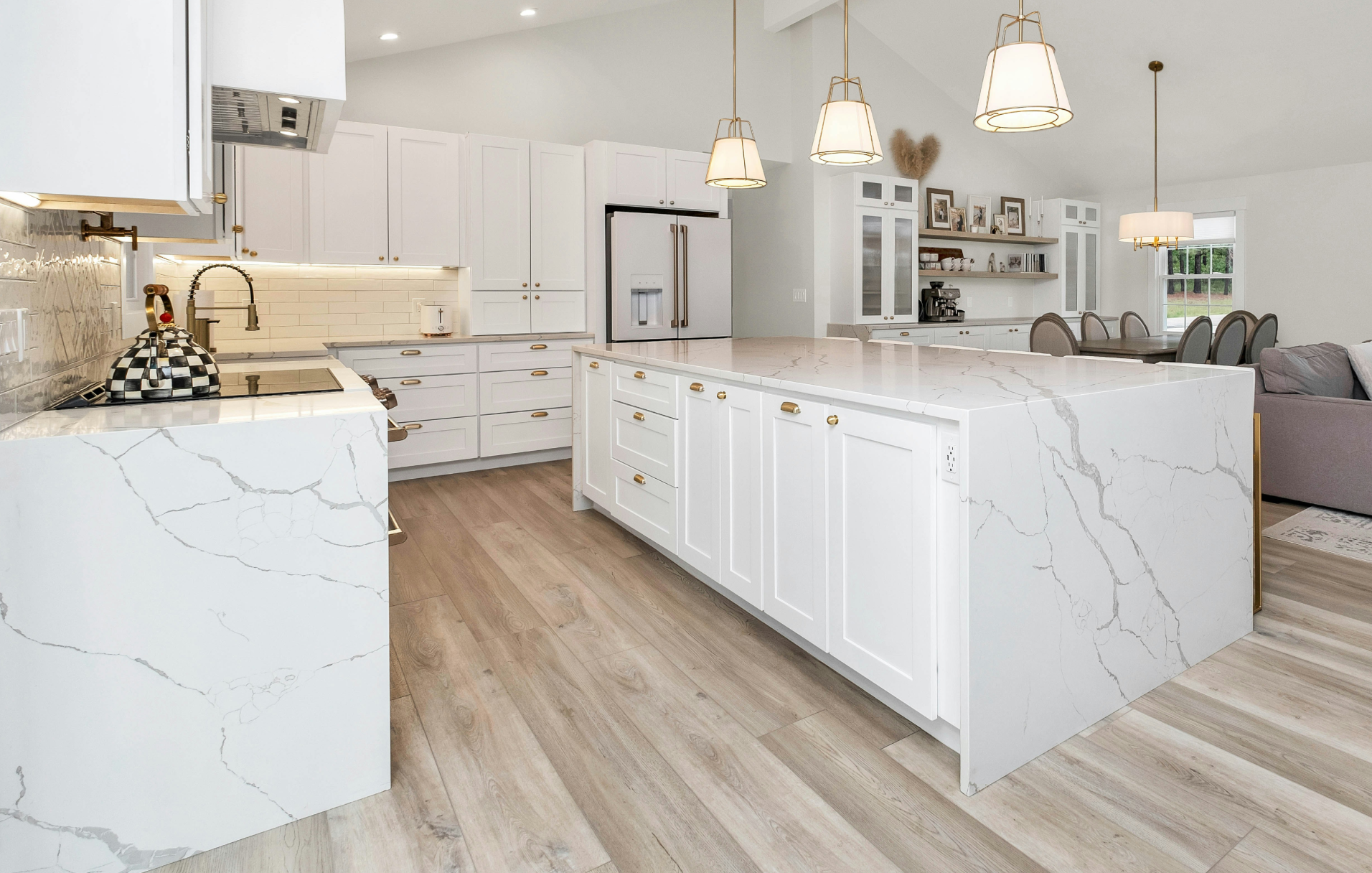
Take note: porcelain counters differ by slab thickness, finish, and the way the pattern is applied, all which affect the look, durability, and related expenses.
Here’s a quick breakdown of the typical options you’ll see:
|
Slab Thickness |
Common Use |
Notes |
|
6mm (¼ inch) |
Wall cladding, light-duty |
Not recommended for main counters |
|
12mm (½ inch) |
Standard kitchen & bath use |
Most popular for home installs |
|
20mm (¾ inch) |
Heavy-use, commercial, islands |
Premium, priciest, most robust |
Porcelain finishes and appearance can also make a difference. The finish you choose impacts both the visual style and the day-to-day practicality of your countertops.
|
Finish |
Description |
Good For |
|
Matte/Honed |
Subtle, less glare, soft touch |
Shows fewer smudges, modern look |
|
Polished |
Glossy, reflective, vivid color |
Sleek style, amplifies light |
|
Textured |
Slight ridges, stone-like feel |
Rustic or grip-prone situations |
Porcelain’s patterns can take on the appearance of granite, wood, or even solid colors. Just keep in mind that most patterns are printed on the surface. Selecting a mitered edge can help hide the core and make your countertops appear thicker and more organic.
Porcelain countertops are highly practical in a kitchen, but a few extra steps can help you make the most of this material’s strengths.
Use trivets or cutting boards to protect edges and prevent chips from heavy pots, pans, and knives.
Opt for a matte or textured finish to reduce the appearance of fingerprints and smudges, especially on high-traffic prep areas.
Choose large-format slabs for islands and worktops to minimize seams and achieve a streamlined look.
Clean regularly with mild dish soap and water; avoid abrasive pads or harsh chemicals that could dull the finish.
If you’re planning for an undermount sink, confirm your installer has experience with porcelain to help prevent edge cracking during installation.
Consider a waterfall edge along island sides or exposed ends for added protection and a more modern appearance.
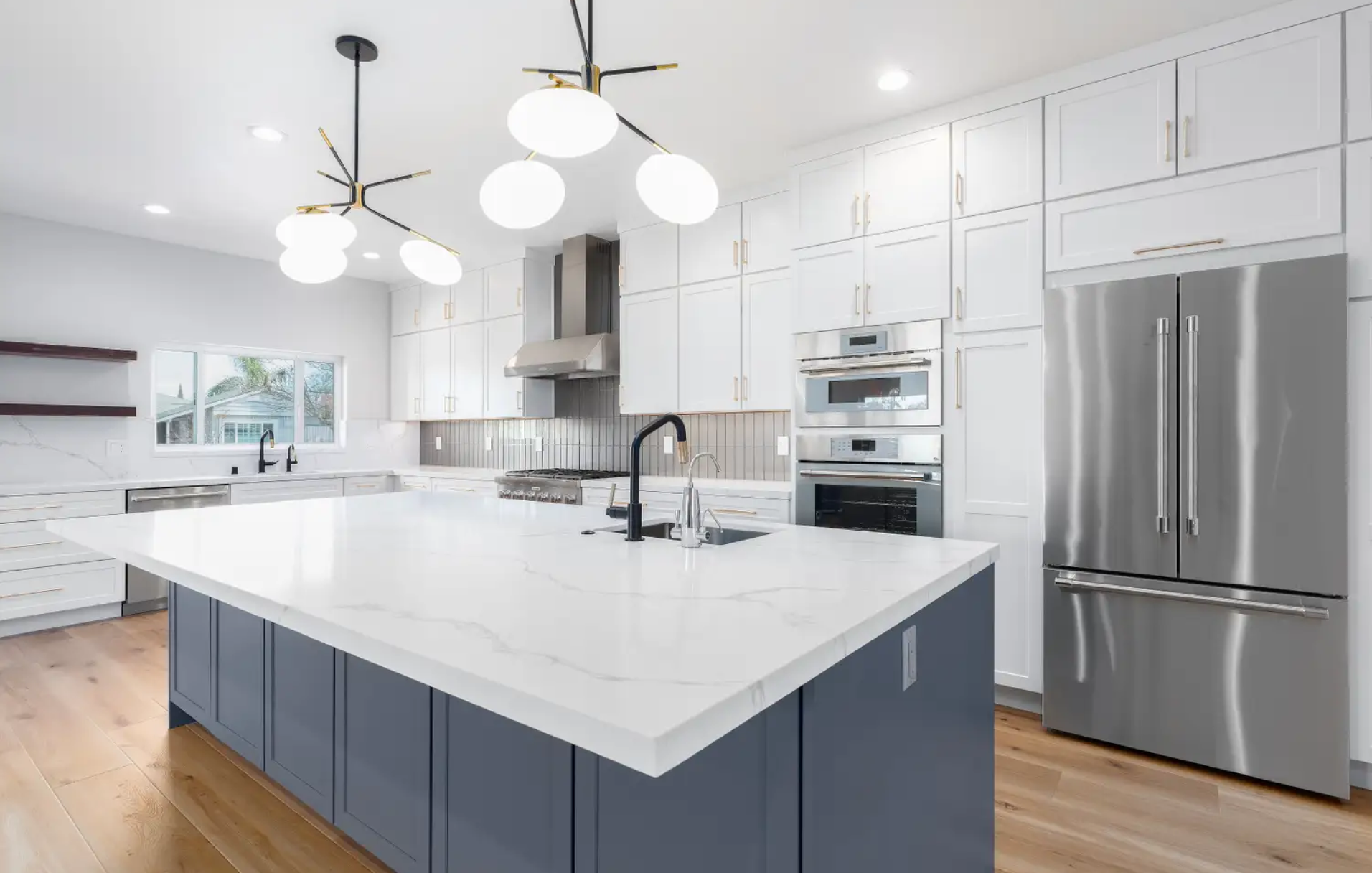
Porcelain works especially well in bathrooms thanks to its water resistance and easy cleaning, but thoughtful installation and use make a difference.
Select a non-slip or textured finish for vanity tops to better resist visible water spots, soap residue, and cosmetics.
For double vanities or longer countertops, use a single slab to minimize seams and create a spa-like, cohesive look.
Wipe up standing water quickly to prevent mineral deposits and keep your surface spotless.
Pair your porcelain countertop with wall-mounted faucets and undermount bathroom sinks for a clean look and easier maintenance.
Extend the use of porcelain to tub surrounds or shower ledges for a coordinated and water-resistant finish.
Choose colors or patterns that harmonize with your tile and wall colors for a unified and calming bathroom design.
Design a Home That’s Uniquely Yours
Block can help you achieve your renovation goals and bring your dream remodel to life with price assurance and expert support.
Get Started
If you’re curious how porcelain would actually feel in your bathroom or kitchen, try out Block’s Renovation Studio. This AI tool lets you see real product colors and patterns, play with finishes and layout, and match slabs to your cabinets or backsplash before you ever commit to a sample or a slab. You’ll see right away whether the look suits your style, your lighting, and your renovation goals.
Block Renovation helps you find the right contractor. After sharing your project details, you’ll be matched with a small group of licensed and insured contractors who have already been vetted for quality and reliability. You’ll be able to review their credentials, see examples of past work, and compare transparent proposals side by side.
If you want extra guidance on your design choices, Block offers optional professional design services. You can collaborate with a designer on details like materials, layout, or style decisions, and receive practical advice or visual mockups to help you move forward with confidence.
Remodel with confidence through Block

Connect to vetted local contractors
We only work with top-tier, thoroughly vetted contractors

Get expert guidance
Our project planners offer expert advice, scope review, and ongoing support as needed

Enjoy peace of mind throughout your renovation
Secure payment system puts you in control and protects your remodel


Renovate confidently with Block
Easily compare quotes from top quality contractors, and get peace of mind with warranty & price protections.
Countertops
Laminate Countertops vs. Quartz: How to Choose
09.15.2026
Countertops
Kitchen Counter Overlay: Cost, Durability and More
09.13.2026
Countertops
What Color Countertops Go With Oak Cabinets?
09.01.2026
Countertops
Walnut Cabinets With White Countertops
08.24.2026
Countertops
What Color Cabinets Go With Black Granite Countertops?
08.16.2026