



.png?width=640&name=u5821215421_A_sleek_15x8-foot_galley_kitchen_inspired_by_Apar_9ff6d0ad-f9e4-4838-84cd-9970bf80eee3_1%20(2).png)
Washington
Renovating in Spokane: Cost, Value, and Contractors
07.02.2026
03.30.2026


In This Article
Seattle's housing market is famously competitive, but it's also nuanced. With a median home price around $898,000 and a buyer pool that skews heavily toward high-earning tech professionals who know what they want, not every renovation delivers equal returns. The city's homeowners are a discerning audience—they can tell the difference between a thoughtful kitchen refresh and a cheap flip, and they know when a price reflects actual value.
If you're planning a remodel with an eye on your home's resale value—or simply want to make investments that hold up over time—here's a clear-eyed look at which renovations consistently pay off in the Seattle market, and why.
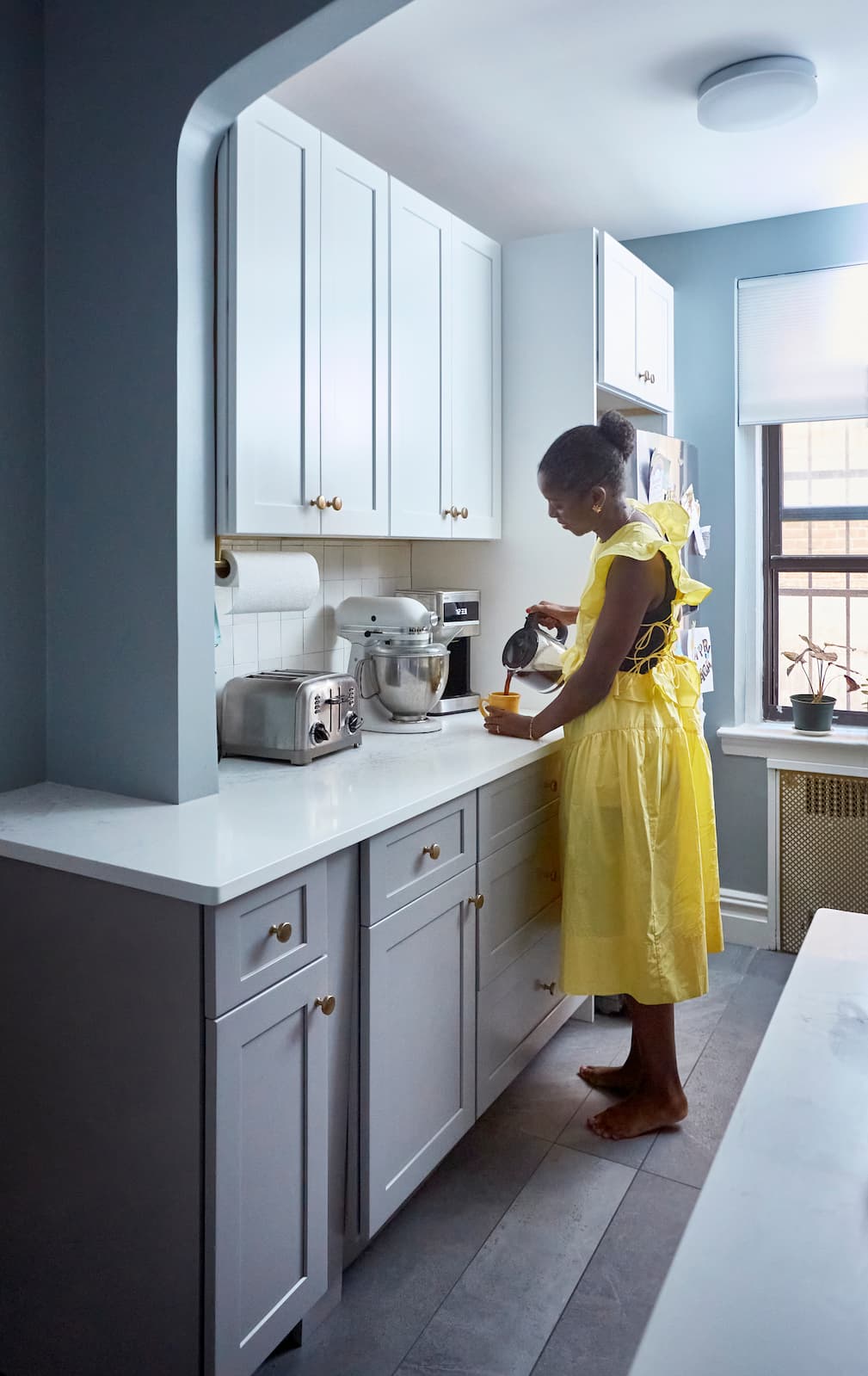
Kitchen renovations remain the most reliable value-add in Seattle real estate, particularly in the $30,000–$80,000 range. In a city where buyers are affluent but practical, a well-executed kitchen remodel signals quality, livability, and move-in readiness—three things that command premiums.
What works in Seattle specifically: open layouts that connect kitchen and living spaces, durable quartz or stone countertops, high-efficiency appliances (especially induction cooktops, which align with the city's push away from gas), and ample storage. Seattle buyers also respond strongly to integrated recycling and composting systems—the city has one of the most active composting programs in the U.S., and buyers notice when a kitchen makes it easy.
What to avoid: over-customizing for personal taste. A $15,000 statement backsplash in a polarizing material or a bespoke butler's pantry that eats into square footage may not recoup its cost. Keep the investment focused on function, finishes, and flow.
Industry data consistently shows that mid-range kitchen renovations return 60–80% of their cost at resale, while upscale renovations return slightly less—a reminder that the goal is a kitchen that appeals to buyers broadly, not one that impresses on a design blog.
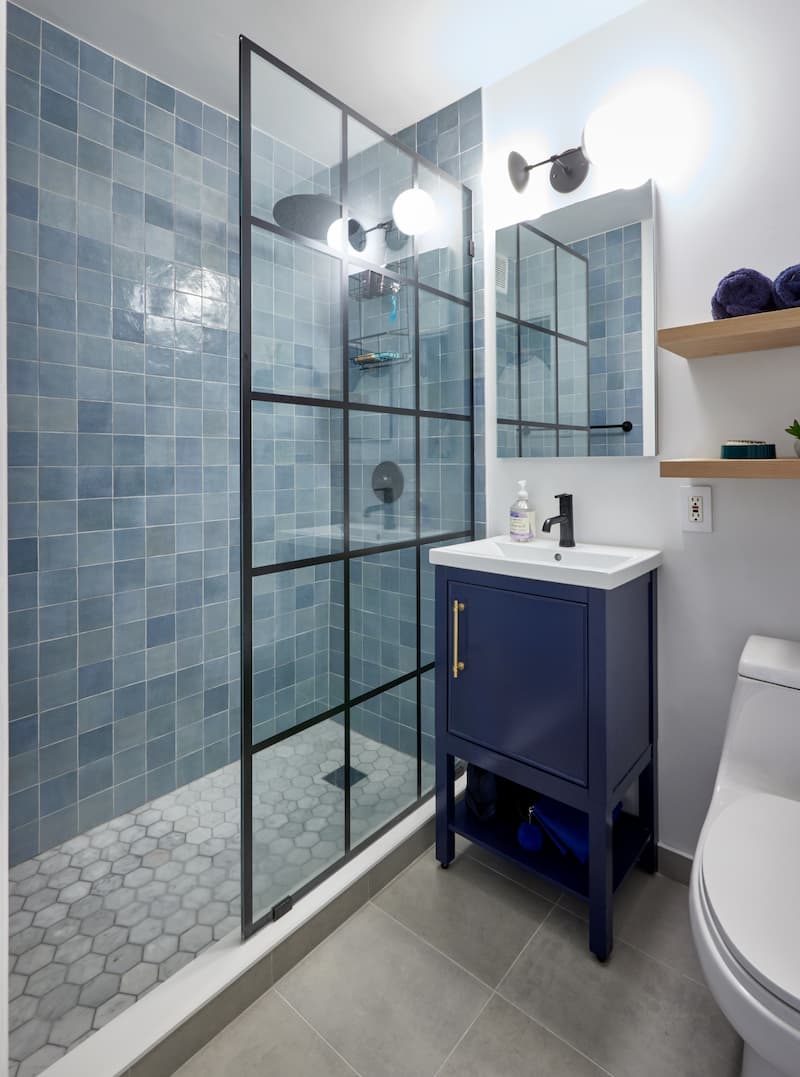
In a market where older homes—many dating to the early 20th century—are prevalent in desirable neighborhoods like Capitol Hill, Ballard, and Queen Anne, updated bathrooms are a significant value driver. Buyers weighing a 1920s Craftsman against a newer build will often make their decision based on whether the bathrooms have been modernized.
High-ROI bathroom improvements in Seattle include:
One Seattle-specific consideration: waterproofing. In a city that sees significant rainfall from October through May, buyers are attuned to signs of moisture problems. A bathroom renovation that includes proper waterproofing behind tile and around the tub surround is both the right thing to do and a credible selling point.
Perfect Every Detail of Your Bathroom
Accessory dwelling units have become one of the highest-value additions a Seattle homeowner can make—not just because of resale appeal, but because they generate income in the meantime.
Seattle's ADU regulations have loosened significantly in recent years, and the city now allows both detached ADUs (DADUs) and attached ADUs in most single-family zones, making them accessible to a wider range of property types.
The financial case is compelling. A well-constructed DADU can generate $1,800–$3,000 per month in rental income in neighborhoods with strong demand, and the addition of a legally permitted ADU meaningfully increases the total appraised value of the property—often by $150,000 to $300,000 or more depending on size and finish level.
For buyers, an existing ADU represents income, flexibility, and future-proofing—whether that means housing aging parents, accommodating a live-in caregiver, or generating passive income. In Seattle's high-cost environment, that utility commands a real premium.
The caveat: ADU construction is a significant undertaking with substantial permitting requirements. Budget $150,000–$350,000 for a detached unit depending on size, finishes, and site conditions, and plan for a permitting timeline that can stretch to six months or longer.
Seattle's median price per square foot rewards homeowners who can add usable living area without the cost and complexity of a full addition. Finished basements are in high demand in the city's market due to space limitations and rental potential, and in a market where buyers are often weighing a smaller older home against a newer build with more square footage, a well-finished basement can tip the decision.
Seattle occupies a unique position in the energy efficiency conversation. Washington's hydroelectric grid means that switching from gas to electric appliances—a major trend nationally—delivers a lower carbon footprint than almost anywhere else in the country. Seattle's Climate Pledge and building electrification codes are accelerating this shift, and buyers are increasingly valuing homes that are already positioned for the energy future.
High-impact efficiency upgrades that resonate in the Seattle market:
Compare Proposals with Ease
Seattle homeowners are deeply invested in being outdoors—but the weather demands thoughtful design. A basic deck or patio that's unusable from October through April doesn't add much value. Covered outdoor spaces that extend usability into the rainy season are a different story.
The most valued outdoor additions in the Seattle market include:
A well-executed covered outdoor space can add $20,000–$50,000 in perceived value in Seattle's market, and it genuinely improves day-to-day quality of life for the current owners in the meantime.
Seattle's persistent rain and marine air are hard on home exteriors, and buyers know it. A home with weathered siding, a dated garage door, or a deteriorating front entry signals deferred maintenance before anyone steps inside—and that perception directly affects what buyers are willing to offer.
Exterior upgrades tend to deliver some of the strongest returns in the Seattle market precisely because they affect both perceived condition and curb appeal simultaneously.
Not every renovation is a value-builder. A few worth approaching with caution:
Understanding which renovations offer the best return in Seattle's specific market—and executing them to a standard that buyers actually notice—is exactly where Block Renovation adds value. Block connects Seattle homeowners with vetted, experienced contractors who understand local codes, buyer expectations, and building conditions. With transparent pricing, expert scope review, and a secure payment process, Block helps homeowners make renovation investments that hold up in one of the country's most discerning real estate markets.
Remodel with confidence through Block

Connect to vetted local contractors
We only work with top-tier, thoroughly vetted contractors

Get expert guidance
Our project planners offer expert advice, scope review, and ongoing support as needed
Enjoy peace of mind throughout your renovation
Secure payment system puts you in control and protects your remodel

Renovate confidently with Block
Easily compare quotes from top quality contractors, and get peace of mind with warranty & price protections.
Washington
Renovating in Spokane: Cost, Value, and Contractors
07.02.2026
Washington
Seattle Bathroom Remodeling Trends – 13 Design Ideas for 2026
06.24.2026

Washington
Luxury Home Renovations in Seattle – 15 Ideas to Elevate Your Space
06.24.2026

Washington
Well-Reviewed Contractors in Seattle and Washington State
05.27.2026

Washington
Well-Reviewed ADU Builders in Seattle & Washington State
05.19.2026