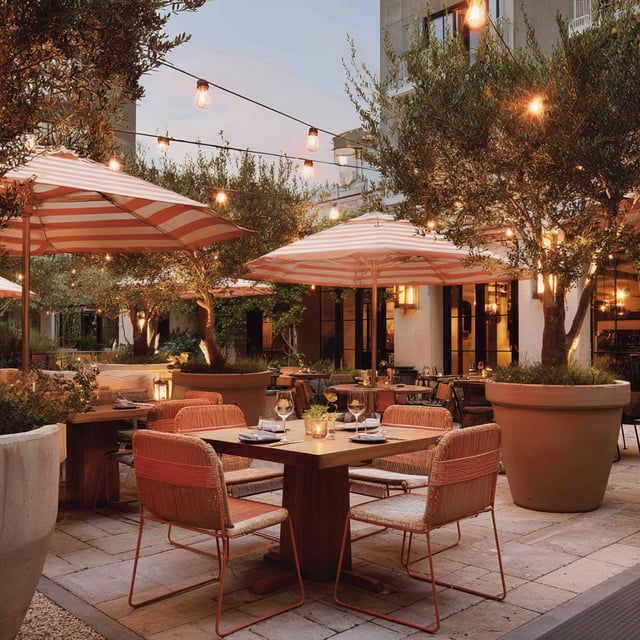
Diners in 2026 are looking for something that feels physically grounded. After years of airy, white-walled interiors and the noisy "theater" of open cooking lines, the pendulum is swinging back toward privacy, texture, and sensory control. Commercial clients are moving away from visual gimmicks and toward environments that prioritize the physical comfort of the guest.
1. The open kitchen is a design liability
The industry spent years obsessed with showing the "magic" of the kitchen, but that theater has its limits. While seeing a chef at work provides energy, the associated noise of clinking silverware, industrial dishwashers, and heavy-duty exhaust fans often ruins the acoustic intimacy of a meal.
Block Renovation sees more commercial clients opting for a "framed" approach to the kitchen.
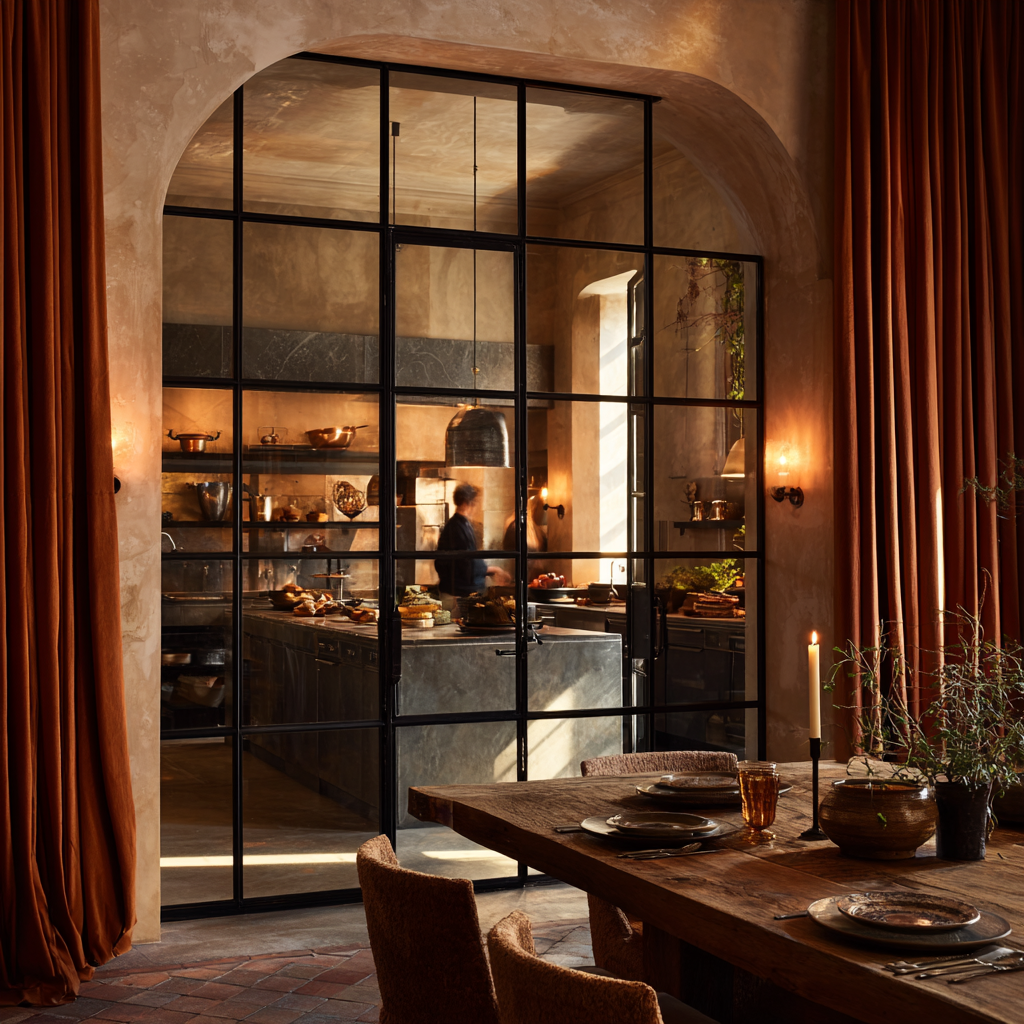
- Internal glass partitions: Steel-framed glass stops the noise without killing the view. It maintains the energy of the line but blocks the 85-decibel clatter of the prep station.
- Heavy portière curtains: Thick fabrics in arched doorways offer a soft visual transition and help contain kitchen heat.
- Central island kitchens: These units are replacing the "letterbox" line, allowing the culinary team to work in a 360-degree hub that anchors the room. It saves steps for the staff and keeps the heavy, high-heat equipment from radiating directly onto your guests at the perimeter.
How to pull this restaurant trend off: Account for vibration early in the engineering phase. If the steel frames lack proper gasketing, the glass will rattle every time a heavy pot hits the range, turning your acoustic solution into a new source of noise.
2. Minimalism is a soon-to-fall star
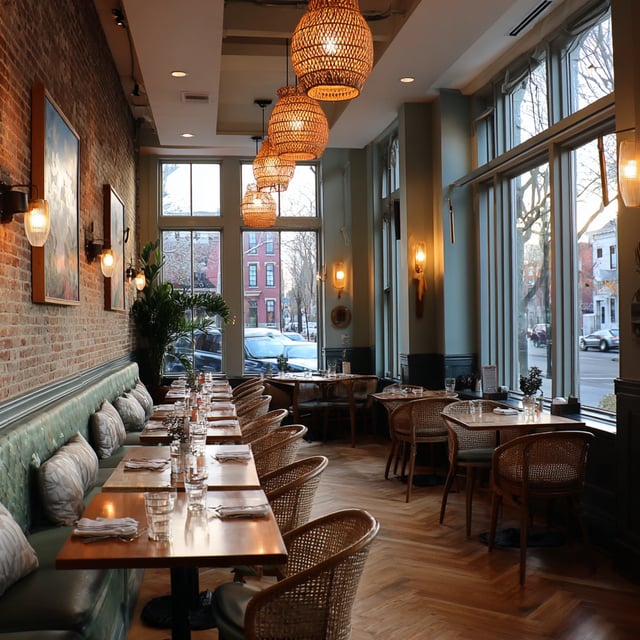
The "clean and sparse" restaurant design trend is losing its appeal. In many 2026 renovations, a room with flat white walls and thin furniture is no longer seen as a design choice, but as a lack of investment. High-end hospitality is shifting toward "layered maximalism," an aesthetic that feels individualized and lived-in.
Moving away from sterile surfaces creates a "cocooning" effect that encourages guests to stay for a second round of drinks.
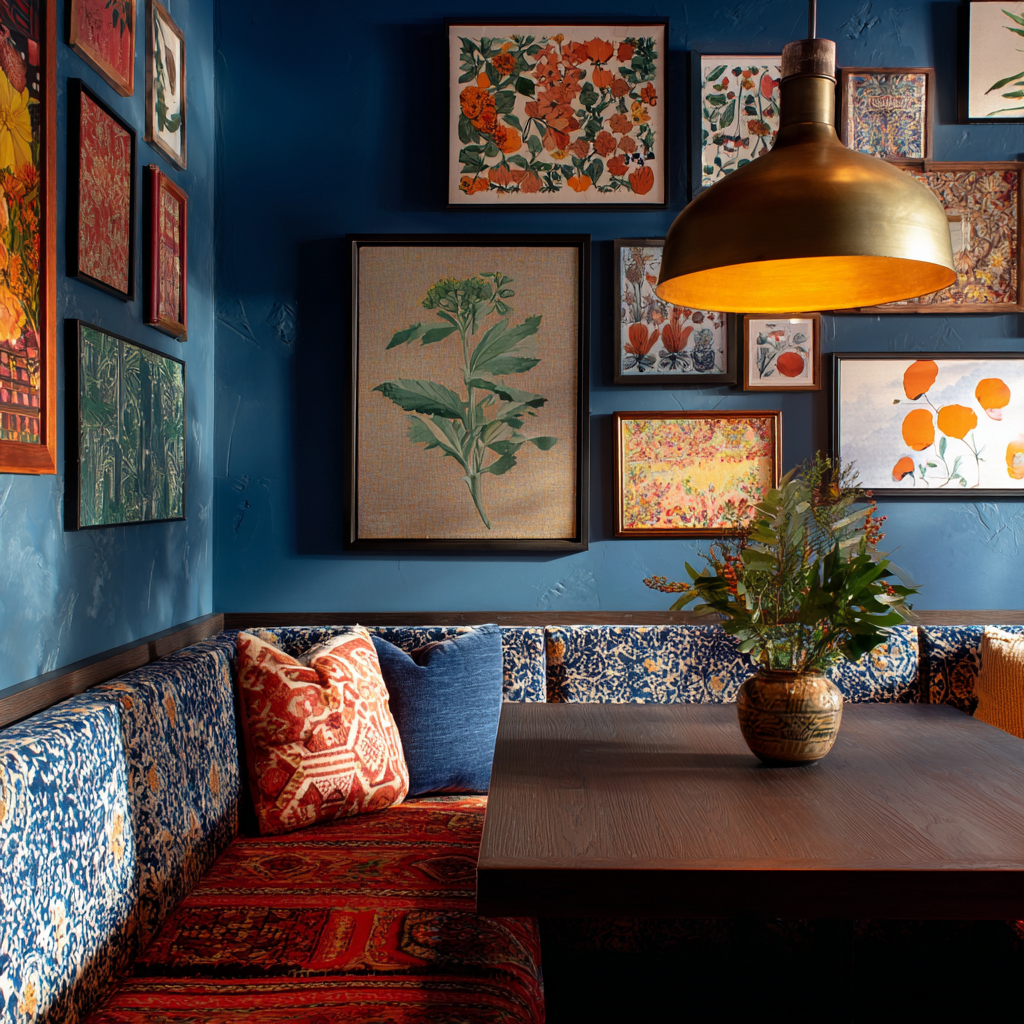
- Venetian plaster finishes: Specialized wall coatings are replacing flat latex paint to add depth and movement to the room.
- Reclaimed wood beams: Exposed structural elements provide visual interest while managing sound bounce across the ceiling.
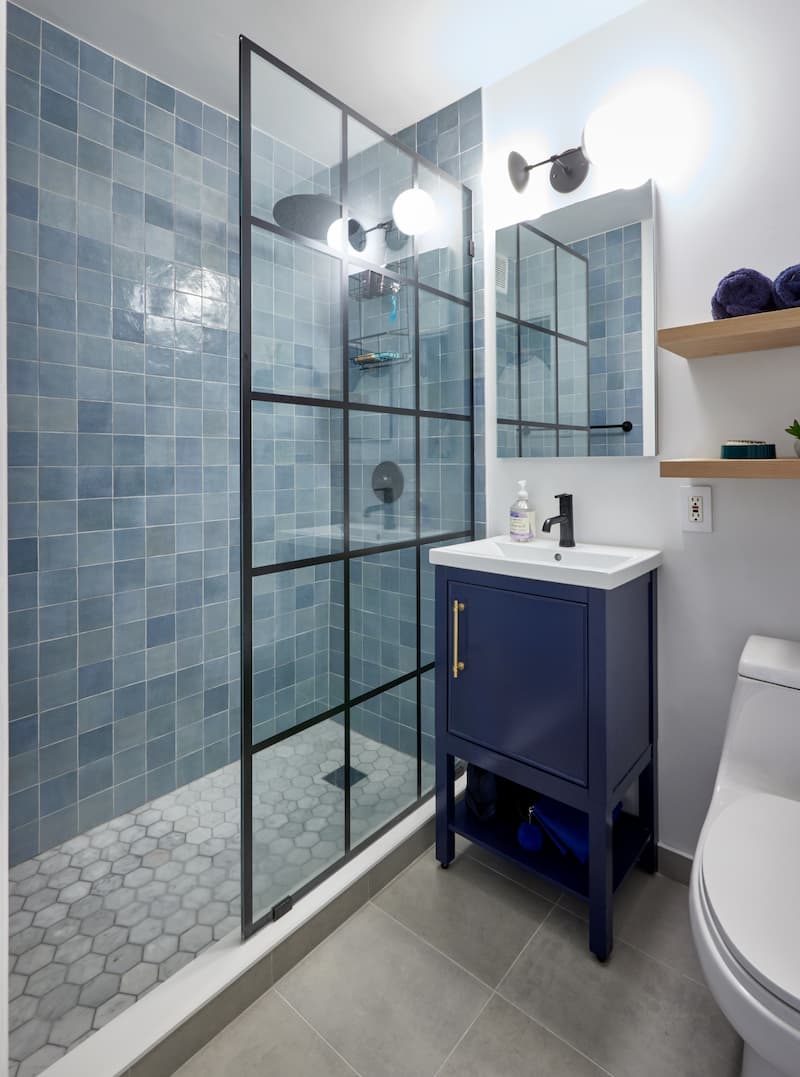
- Hand-glazed or zellige tile: Irregular, slightly imperfect tile on bar fronts, back bars, and entry vestibules catches light differently from every angle and reads as craft rather than catalog. The variation in each piece disguises chips and wear that would stand out on uniform porcelain.
- Locally sourced design elements: Celebrate your community by commissioning a mural from a neighborhood artist, displaying pottery from a regional maker, or building the bar from wood milled within the state. Guests increasingly read generic interiors as interchangeable, while region-specific details give a restaurant a story to which they can connect.
- Patterned performance upholstery: A thin, gray chair feels like a waiting room; heavy, patterned velvet feels like a destination. These materials are chosen specifically for their ability to withstand heavy commercial use without fading.
Word of caution: Maximalism requires a high level of maintenance. Intricate textures and dark, moody plaster finishes tend to show dust and fingerprints more clearly than flat white paint, so your cleaning schedule must be more rigorous to prevent the space from looking dingy.
3. The end of the immovable bar
The massive, fixed granite bar has been a restaurant staple for a century, but it is increasingly seen as a spatial anchor that limits profitability. Large, immovable bars create "dead zones" during slow hours and prevent the floor from adapting to private events.
- Modular beverage islands: Smaller, circular stations are replacing traditional long bars to maximize floor flexibility. These units can be repositioned to accommodate different guest counts throughout the week.
- Hidden utility casters: Professional-grade rollers allow heavy bar segments to be moved by a single staff member.
- Quick-connect plumbing: Modular lines ensure that beverage service can be relocated without expensive permanent pipework.
- Adaptive counter heights: Dual-level surfaces allow a single station to function as a coffee bar by day and a cocktail hub by night. This keeps the footprint profitable even during the mid-afternoon slump.
- Integrated storage solutions: Mobile back-bars provide immediate access to glassware and stock wherever the service island is placed.
Word of caution: Modular bars can look temporary or "event-like" if the joinery isn't substantial. To prevent a catering-hall aesthetic, ensure the cabinetry has enough visual weight and permanent-looking finishes to match the rest of the dining room. Click here for more design tips for your bar area.
4. Acoustic landscapes as a design feature
Acoustics have moved from a post-construction problem to a primary design element. High-performance sound management is now being baked into the visible architecture to combat guest fatigue.
- Sculptural ceiling baffles: Geometric rafts serve as overhead art while killing the echo of a busy room. These elements prevent sound from bouncing off hard ceiling surfaces and back into the dining area.
- Felt wall panels: Recycled wool-felt is being used as decorative wainscoting to soften the auditory environment.
- Acoustic-rated furniture: High-backed booths lined with sound-dampening foam create "quiet zones" within a busy dining room. This provides an extra layer of privacy for business meetings or intimate dinners.
- Sound-absorbing window treatments: Heavy drapery serves the dual purpose of light control and noise reduction near busy street-fronts.
5. Designing for operational resilience
As labor and material costs fluctuate, the 2026 remodel is as much about the back-of-house as it is the dining room. Efficiency is being baked into the physical bones of the building to allow smaller teams to manage larger floors.
- Decentralized service stations: Satellite points are integrated into the joinery, reducing the number of steps staff must take during a shift. By placing essential supplies closer to the tables, the team can spend more time interacting with guests.
- Patina-focused materials: Designers are choosing unlacquered brass and soapstone because they can be refinished rather than replaced. This reduces the long-term capital expenditure required to keep the space looking fresh.
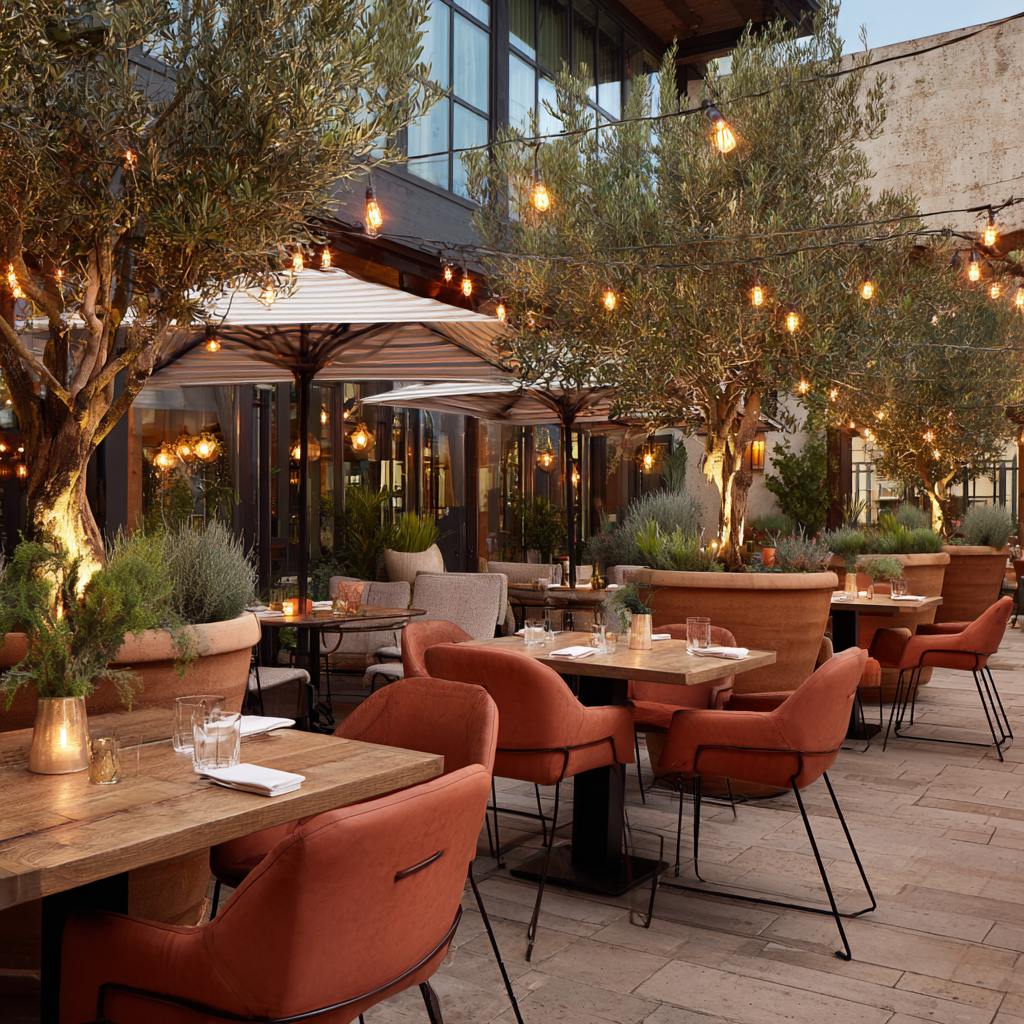
- All-weather transitions: Zero-threshold flooring between the dining room and patio is becoming the new standard. It keeps the flow seamless for staff carrying heavy trays between indoor and outdoor zones.
6. Invisible technology integration
Technology is moving into the background to prioritize human hospitality. The focus is on "frictionless" design that supports the guest without overwhelming them with screens or glowing kiosks.
- Embedded wireless charging: Power coils are hidden under stone-look laminates and solid wood tables. It keeps guests connected without a mess of tangled cables on the tabletop.
- AI sound systems: Audio levels shift volume and bass levels automatically based on the room's real-time occupancy.
- Integrated signal boosters: Network repeaters are hidden within architectural molding to eliminate mobile-order "dead zones."
How to pull this restaurant trend off: Stone or metal surfaces can easily become too thick for inductive charging to penetrate. If you don't mill out the underside of your soapstone or oak tabletops to the exact thickness required by the hardware, the charging will be intermittent and frustrate your guests.
7. Adaptive and inclusive geometry
Accessibility is being integrated into the "aesthetic DNA" of the space rather than being treated as a compliance afterthought.
- Pedestal table bases: Low-profile footprints offer clear knee space for wheelchairs without sacrificing the design language of the furniture. This makes sure every seat in the house meets high standards for both style and accessibility.
- Zero-threshold transitions: Level flooring between interior dining and outdoor patios ensures a seamless flow for every guest.
- Multi-height seating zones: Integrated "stepped" areas allow guests at different eye levels to feel connected in the same communal zone.
8. Redirecting delivery-first "dead zones"
Takeout and delivery are no longer "side" businesses; for many operators, they are the primary revenue driver. However, seeing a pile of branded paper bags and a line of couriers near the host stand ruins the dine-in experience.
- Dedicated "back-door" staging: Remodels are incorporating separate entrances and pickup windows specifically for couriers. This keeps the front-of-house focused entirely on the guest experience.
- Heated pass-through lockers: Tech-integrated cubbies are being built into the wall between the kitchen and the pickup area. They keep the food at temperature and allow for a contactless handoff that never enters the guest's line of sight.
- Acoustic buffering for BOH: Heavy-duty, sound-rated doors are being used for delivery zones. These seals keep the noise of idling bikes and couriers from bleeding into the dining room.
How to pull this restaurant trend off: Don't overlook the lighting in your staging area. If the delivery zone is too dark or poorly marked, couriers will likely revert to entering through the main dining room entrance out of habit, which defeats the purpose of the remodel.
9. The rise of the "snug" and micro-dining nooks
Big, loud dining rooms are exhausting. The era of the sprawling, open-plan dining hall is being replaced by a desire for enclosure. Floor plans are being carved up to create semi-private areas that give guests some actual breathing room.
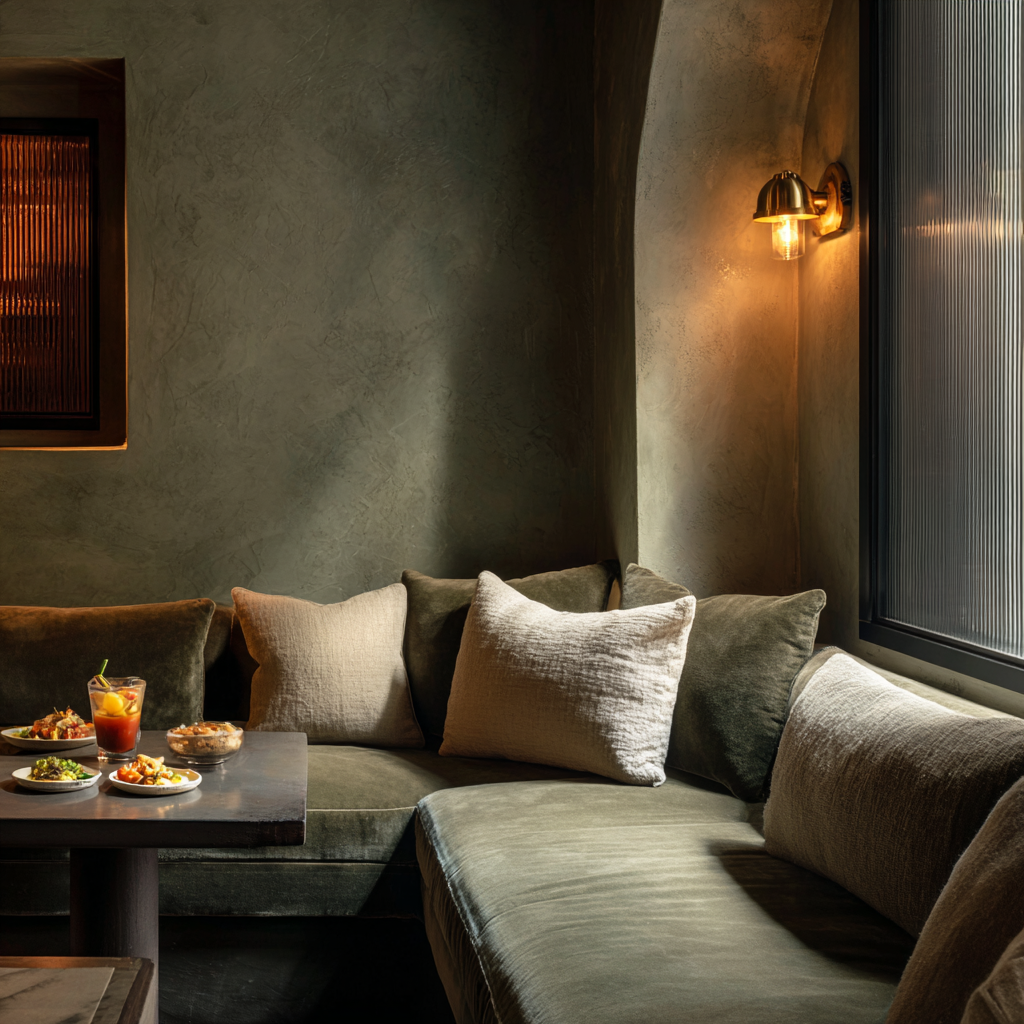
- Architectural alcoves: Deep-set booths are being built into existing wall cavities to maximize privacy.
- Partial-height partitions: Designers are using 54-inch fluted glass or wood-slat dividers to create psychological boundaries at eye level.
- Individualized lighting zones: Each nook is equipped with its own dimmable task light. This gives guests control over their immediate environment without affecting the rest of the room.
10. High-end lighting is your renovation cheat code
A traditional remodel often focuses on high-cost structural changes like ripping out flooring or walls. However, one of the most effective ways to transform a space without a massive construction footprint is through neuro-responsive lighting.
Instead of a $40,000 restaurant floor replacement, operators are allocating budgets toward intelligent systems that shift the atmosphere of the room automatically.
- Tunable white technology: The light shifts so slowly your guests won’t even notice the sun went down. Systems move the room from 4000K morning light for coffee service to a 2200K amber glow for dinner.
- High CRI fixtures: High-quality lighting over tables makes food look vibrant and appetizing while keeping ambient room light soft.
- AI-driven sensors: Automated systems subtly brighten or dim specific zones based on occupancy. Your servers shouldn't have to hunt for a dimmer knob with a full tray in their hands.
- Integrated cabinetry lighting: Hidden LEDs within back-bar shelving draw the eye to high-margin inventory.
How to pull this restaurant trend off: Watch out for the flicker rate of low-cost LED drivers when they are dimmed. Using cheap components often creates a strobe effect that is invisible to the eye but causes headaches for guests, so always specify architectural-grade dimming modules.
12. Lifecycle furniture and refurbishment kits
Commercial clients are moving away from "fast-furniture" that ends up in a landfill after 24 months. The 2026 trend is toward furniture designed to be repaired, not replaced.
- Component-based seating: Chairs are being specified with replaceable seats and backs. If a guest tears the upholstery, the operator can swap out a single panel in minutes.
- Metal-to-metal fasteners: High-quality furniture is moving toward machine bolts rather than wood screws. This hardware won't strip over time, which prevents tables from becoming wobbly.
- Marine-grade finishes: For outdoor seating, e-coated steel is the new standard. These finishes are designed to survive the elements for a decade, reducing the frequency of replacement cycles.
Finding a contractor who understands hospitality
Commercial renovations carry higher stakes than residential ones: operating hours, strict health codes, and ADA compliance leave zero room for error. Block pairs clients with a network of vetted, licensed contractors who specialize in high-traffic restaurant builds. By facilitating a competitive bidding process and providing an expert-reviewed scope of work, Block helps you identify the right partner to execute your design with clarity and protection.

Written by
Shahe Demirdjian
Shahe Demirdjian
Shahe supports clients and builders throughout the full project lifecycle, from early planning and scoping through execution and closeout, ensuring clear communication, alignment on timelines, and successful delivery across both residential and commercial projects.