




Texas
Custom Home Building in Abilene, Texas: Local Guide
04.28.2026

03.04.2026


In This Article
Frisco's combination of explosive population growth, top-ranked schools, and a thriving corporate presence has made it one of the most sought-after cities in North Texas. Now, with advances in smart technology, integrated systems, and high-performance materials, building a custom home in Frisco also means creating a space that's more efficient, more comfortable, and easier to live in than ever before.
From managing intense North Texas heat to handling the expansive black-clay soils common across Collin County, modern building science and better planning tools can make your project smoother and more predictable. When you understand local building codes, material options, and permitting requirements—and pair that with energy-efficient systems and smart design—you set yourself up for fewer surprises and better long-term performance from your home.
Design a Home That’s Uniquely Yours
Block can help you achieve your renovation goals and bring your dream remodel to life with price assurance and expert support.
Get Started
Frisco homeowners draw inspiration from North Texas's contemporary suburban aesthetic while weaving in modern amenities, smart systems, and energy-efficient features. The latest trends balance style, technology, and the realities of the local climate so your home not only looks great, but works better for you day to day.
Understanding what drives construction costs and how long the building process takes in Frisco helps you set realistic expectations and make informed decisions from the start. Local factors—from labor availability to lot characteristics—can significantly impact both your budget and schedule.
As of 2025, custom home construction in Frisco typically ranges from $200 to $350 per square foot for mid-range builds, with luxury builds and premium finishes in high-demand neighborhoods pushing costs to $500 or more per square foot. A 2,500-square-foot home might cost between $500,000 and $875,000, excluding land. These figures reflect Frisco's premium land values, competitive skilled labor market, and the high-end finishes and features most Frisco homeowners prioritize.
Several factors influence where your project falls within that range. Material costs fluctuate based on supply chain conditions and demand, while labor availability can vary depending on how many other projects are underway in the area. Frisco's continued position as one of the fastest-growing cities in the country has kept construction activity extremely high, which often tightens contractor schedules and puts upward pressure on pricing. The architectural style you choose also matters—transitional or modern builds with complex rooflines, custom steel elements, or high-end millwork typically cost more per square foot than straightforward floor plans.
Lot selection plays a major role in your total investment. Frisco's most desirable neighborhoods—like Starwood, The Hills of Kingswood, Phillips Creek Ranch, and the newer Frisco Fields development—command premium land prices that often exceed $200,000 to $650,000 or more for a lot alone, but offer proximity to top schools, retail corridors like the Star District, and established infrastructure. In actively developing areas on the northern fringe, lots may be more accessible in price but can require additional investment in utility connections or are subject to changing community plans.
Foundation work represents one of the most significant expenses in Frisco custom home construction. Frisco and the broader Collin County area are well known for highly expansive black clay soils (known locally as "Texas gumbo") that shrink and swell dramatically with moisture changes. Builders almost universally recommend post-tension slab foundations with engineered drainage and moisture barrier systems specifically designed for this soil type. Skimping on foundation quality can lead to expensive structural issues down the line, so it's worth investing in proper engineering and site preparation from the start.
Labor costs account for a substantial portion of your budget, typically 40–50% of total construction expenses. Frisco's skilled trade market is highly competitive—demand from the DFW metro's building boom means experienced subcontractors are in short supply, and the best crews book out months in advance. Electrical, plumbing, and HVAC installation all require licensed professionals, and the complexity of your systems—such as zoned climate control or smart home integration—will affect the final price.
Material selection offers the most flexibility in your budget. Choosing between standard builder-grade finishes and premium options like engineered hardwood, custom steel staircases, Thermador appliances, or natural quartzite countertops can shift your per-square-foot cost significantly. Roofing materials are particularly important in Frisco's climate; impact-resistant architectural shingles are the minimum recommended standard given the area's frequent hailstorms, and many homeowners upgrade to Class 4 impact-rated shingles or standing seam metal roofs to protect their investment and qualify for insurance discounts.
Site preparation and utility connections can add unexpected costs, especially on custom lots or infill parcels. Frisco's rapid build-out means most lots in established subdivisions have utilities nearby, but even within the city, some custom sites require infrastructure upgrades, drainage engineering, or compliance with Frisco's specific grading and stormwater management ordinances.
Examples of upgrades that will push your budget higher
Consider the following enhancements that increase your overall investment:
A typical custom home build in Frisco takes 12 to 16 months from initial planning to move-in, though more complex projects can extend to 18–24 months or longer. This timeline includes design development, permitting, construction, and final inspections. Working with an experienced builder who understands Frisco's local permitting requirements can help prevent delays and keep your project moving forward.
Several factors influence how quickly your home comes together. Frisco's building department processes permits typically within four to eight weeks for residential projects, though high permitting volumes tied to the city's growth can sometimes extend this window. Custom designs requiring structural engineering reviews or variance requests may take longer. Material availability can also affect your schedule—ordering custom windows, specialty tile, or unique fixtures well in advance helps avoid construction pauses.
North Texas thunderstorm seasons in spring and fall can periodically delay exterior work or concrete pours, but weather rarely brings construction to a full stop the way it might in other climates. Most builders plan around these conditions and adjust schedules accordingly. The most significant timeline factor is often decision-making—finalizing design details, selecting finishes, and addressing any changes during construction all require prompt responses to keep contractors on schedule.
Viewing your Frisco custom home through an efficiency lens—from budgeting to materials—can make the whole process feel more manageable. Modern project tools, better-performing products, and thoughtful planning all work together to help you control costs and boost comfort.
Building a custom home involves hundreds of decisions and potential complications, but smart planning and clear communication prevent most problems. Taking time to address a few key issues early saves money, reduces stress, and helps your project stay on schedule.
When these basics are in place, you and your builder can focus on where technology and high-performance materials can give you the best return—especially in foundations, energy use, drainage, and indoor air quality.

“Unplanned issues aren’t rare—they’re expected. Budgeting for contingencies protects your project and your sanity.”
Frisco isn't like other parts of the country when it comes to what's under your home. The city's expansive black clay soils and the flat-to-gently-rolling terrain of Collin County call for targeted engineering, careful grading, and often more sophisticated drainage solutions than you'd find in other markets. Getting this right is one of the smartest investments you can make in your home's long-term performance.
Frisco sits on some of North Texas's most expansive black clay soil—often called "Texas gumbo"—that swells dramatically when wet and shrinks during dry periods, creating significant foundation stress over time. This soil movement can cause foundation settling, cracking, and structural issues if not properly addressed during construction. Most local builders default to post-tension slab foundations engineered specifically for Collin County soil conditions, with cable tensioning systems and perimeter beams designed to move as a single unit rather than crack under differential pressure.
Proper drainage systems are critical for foundation longevity. Swales, French drains, proper grading away from the structure, and gutters with adequate downspout extensions help manage water around your foundation and minimize soil expansion. Some builders also install moisture barrier systems beneath the slab to reduce the rate of seasonal soil moisture change, and root barriers may be recommended if large trees are near the building site, as tree roots can extract moisture from soil and accelerate shrinkage during drought conditions.
Foundation engineering should be site-specific rather than generic. A geotechnical soil report before design helps determine the appropriate foundation depth, reinforcement strategy, and post-tension cable layout for your particular lot. While this adds upfront cost, it's far less expensive than repairing foundation damage after construction is complete.
Frisco and Collin County receive an average of around 40 inches of rain per year, often delivered in intense storm events rather than steady rainfall. Even properties not in designated flood zones can experience water intrusion or erosion if proper drainage isn't planned. Local building codes require specific grading and drainage solutions, but smart homeowners go beyond minimum requirements.
Site grading should direct water away from the foundation on all sides, with a minimum slope of six inches over the first ten feet. Low-lying areas of your lot may require additional drainage solutions, and Frisco's stormwater management ordinances may require you to manage runoff on-site rather than directing it toward streets or neighboring properties. Some neighborhoods have strict HOA requirements about how stormwater must be managed, so check before finalizing your site plan.
Unlike San Antonio's flash flood terrain, Frisco's relatively flat topography means drainage issues tend to manifest as standing water and saturated soil rather than fast-moving floodwater—but the foundation consequences of prolonged soil saturation are just as serious. Builders familiar with Collin County's drainage patterns can advise on the appropriate grading and drainage infrastructure for your specific location.
With Frisco summers regularly pushing past 100°F, efficiency isn't just a buzzword—it's a necessity. The good news is that modern insulation, window technology, and HVAC strategies work together to keep your home more comfortable while cutting operating costs over time.
Frisco summers regularly exceed 100°F, with heat indices climbing well past that during peak season. This intense, sustained heat drives up cooling costs and puts stress on HVAC systems that must run continuously for months. Planning for energy efficiency from the start—rather than treating it as an afterthought—pays dividends in comfort and long-term operating costs.
Proper insulation in walls, attics, and around windows makes the single biggest difference in cooling efficiency. Many Frisco builders now use spray foam insulation with R-values of 20 or higher in walls and 30+ in attics, significantly outperforming traditional fiberglass batts. Radiant barrier sheathing in the roof deck reflects heat before it enters the attic, keeping that space and the living areas below substantially cooler.
Window selection matters more than many homeowners realize. Low-E coatings and double-pane construction reduce heat transfer while still allowing natural light. Strategic window placement—minimizing west-facing glass or using deeper overhangs and covered porches for shade—cuts cooling loads without sacrificing brightness. In Frisco, light-colored or impact-rated roofing materials serve a dual purpose: reflecting heat and providing resistance against the area's frequent large hailstorms.
When you combine these materials with right-sized HVAC systems and modern controls, you're not just adding comfort—you're also strengthening the long-term value and resilience of your Frisco custom home.
Comfort in a modern home goes beyond temperature. In Frisco, where high pollen counts from local grasses, cedar, and elm trees—combined with seasonal humidity swings—can affect how you feel indoors, planning for air quality is just as important as planning for square footage or finishes.
North Texas is one of the most challenging allergy environments in the country, with high spring pollen counts from grasses, trees, and ragweed, as well as mountain cedar season that drifts up from Central Texas in winter. While not a structural building concern, addressing indoor air quality during the design phase makes your home significantly more comfortable year-round and improves day-to-day livability for the whole family.
Whole-house air filtration systems with HEPA filters remove pollen, dust, and other allergens before they circulate through your home. These systems integrate with your HVAC and provide substantial relief for allergy sufferers. Some homeowners also install UV lights in their ductwork to kill mold and bacteria, particularly useful in Frisco's climate where spring humidity combined with well-sealed homes can create conditions for microbial growth.
Creating a positive-pressure environment inside your home—where conditioned air gently pushes outward rather than allowing outside air to seep in—reduces pollen infiltration. This requires proper HVAC sizing and balancing but makes a noticeable difference during peak pollen season. Door sweeps, weather stripping, and sealed window frames all contribute to maintaining that positive pressure and keeping outdoor allergens outside.
Compare Proposals with Ease
Finding the right builder goes beyond reviewing portfolios and checking references—it's about finding someone who understands Frisco's specific conditions and can integrate modern building science and technology into your custom home. The best builders welcome detailed questions and provide thoughtful, specific answers that demonstrate their expertise and approach.
As you narrow down your options, asking targeted questions helps you understand how each builder thinks about soil, energy use, and the systems that keep your home comfortable and efficient.
These conversations will help you identify Frisco home builders who can guide you through modern design decisions and make sure your home’s technology, systems, and structure all work together.
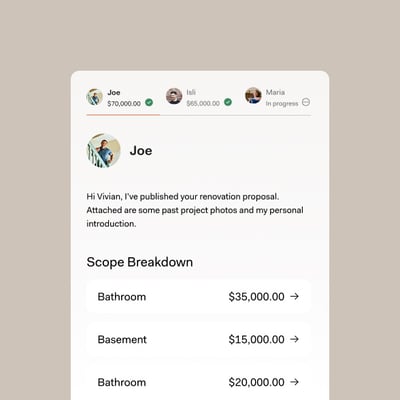
Block Renovation connects Frisco homeowners with thoroughly vetted, licensed contractors who understand local building conditions and requirements. Our matching process considers your project scope, timeline, and budget to identify builders whose experience aligns with your specific needs. You’ll receive detailed proposals from multiple qualified contractors, making it easier to compare options and select the right partner for your custom home.
Block’s payment system and project protections give you confidence throughout the building process. Our progress-based payment structure ensures contractors are compensated as work is completed while protecting your investment from common construction pitfalls. Expert scope reviews help identify potential issues before they become expensive problems, and our support team remains available to address questions or concerns that arise during construction.
Remodel with confidence through Block

Connect to vetted local contractors
We only work with top-tier, thoroughly vetted contractors

Get expert guidance
Our project planners offer expert advice, scope review, and ongoing support as needed

Enjoy peace of mind throughout your renovation
Secure payment system puts you in control and protects your remodel

Renovate confidently with Block
Easily compare quotes from top quality contractors, and get peace of mind with warranty & price protections.
Texas
Custom Home Building in Abilene, Texas: Local Guide
04.28.2026

Texas
Luxury Remodeling in Dallas | Room-by-Room Guide to High-End Renovations
04.27.2026

Texas
Dallas Home Additions—Costs, Ideas, and What DFW Homeowners Should Know
04.24.2026
Commercial
Commercial Remodeling and Buildouts in Dallas-Fort Worth | Block Renovation
04.24.2026

Texas
Dallas Deck and Patio Ideas | Outdoor Kitchens, Covered Patios, and More
04.23.2026