



.png?width=640&name=u5821215421_Mediterranean_apartment_kitchen_with_a_rounded_is_b5261b9d-7d5a-498f-955d-d2ccbf7355fc_3%20(1).png)
Texas
Katy Home Additions: What Pays Back (Cost Guide)
05.29.2026

04.24.2026


In This Article
Most homeowners planning an addition are working around constraints: a small lot, a tight budget, strict regulations, a climate that limits what's practical. Dallas homeowners have a different problem. You probably have a generous lot, relatively affordable construction costs, a permitting process that moves faster than most major metros, and enough space to build in almost any direction. The challenge isn't whether you can expand—it's deciding what to expand, and making sure the investment adds lasting value rather than just more square footage.
That's a good problem to have, but it's still a problem. The DFW metro is full of additions that were technically well-built but poorly conceived—bonus rooms that became storage closets, garage conversions that hurt resale, expansions that don't match the home's architecture or the neighborhood's expectations. The homeowners who get the best results are the ones who start with a clear picture of how they actually want to live, then work backward to the project scope.
Turn your renovation vision into reality
Get matched with trusted contractors and start your renovation today!
Find a Contractor
Home additions in the DFW area typically range from $120 to $240 per square foot for ground-level build-outs—meaningfully less than what you'd pay in Denver ($200-$500), San Diego ($200-$400), or Miami ($200-$400+). Second-story additions run higher, typically $200 to $400 per square foot, because of the structural reinforcement, roof modifications, and staircase work involved.
A 400-square-foot room addition might cost $48,000 to $96,000 for ground-level construction, depending on whether it's a simple bedroom or a more complex space with plumbing. A full primary suite—bedroom, walk-in closet, and bathroom—typically falls in the $80,000 to $150,000 range. Calculating your room addition cost in DFW means accounting for foundation engineering (North Texas clay soils require it), HVAC extension, and permit fees—but the labor component, which represents 50-60% of the total, is where Dallas's cost advantage really shows up.
Permitting is straightforward. The City of Dallas charges a flat $400 for renovations under 1,250 square feet, with modest incremental increases above that. Surrounding suburbs have their own fee structures, but none are onerous. It's one of the lower permitting cost environments among major U.S. metros.
The classic DFW suburban home—brick or stone veneer, two stories, gabled roofline, attached two- or three-car garage—dominates North Dallas and the surrounding suburbs. These homes were typically built between the mid-1980s and the 2010s, and many start at 2,500 to 4,000 square feet.
When homeowners in these neighborhoods want to add space, the project is usually about comfort and function rather than raw square footage. Expanding a cramped kitchen, adding a dedicated home office, or building a family room that comfortably accommodates a media setup and a sectional—these are the projects that come up most frequently. The house may already be large, but specific rooms don't work the way the family needs them to.
The design challenge is maintaining roof consistency. Gabled rooflines with multiple ridges and valleys create complex tie-in points for additions. An experienced local contractor will match the existing roof pitch and brick coursing so the addition reads as original. This is worth specifically asking about during the bidding process—ask to see photos of past additions on similar homes, and look at how the roofline transitions.
Brick matching is also critical. DFW's brick homes are built with a wide range of colors and textures, and finding a close match for an addition requires sourcing from the right supplier. Your contractor should pull brick samples and hold them against the existing exterior in natural light before ordering. A near-miss on brick color is visible for the life of the home.
Closer to Dallas proper, the housing stock shifts toward single-story ranch homes built from the 1960s through the 1980s. These homes typically have 1,200 to 2,000 square feet, sit on slab foundations, and occupy lots with room to grow.
Ranch additions in DFW are structurally simple: slab-on-grade, wood or light steel framing, low-pitched rooflines that are easy to extend. Building out at ground level avoids the cost and complexity of structural reinforcement, and costs land in the lower range for the Dallas market. A 12x24 addition—roughly 288 square feet—can transform a cramped ranch into a home that fits the way you actually live.
These neighborhoods are also where DFW's most dramatic whole-home transformations happen. A 1,400-square-foot ranch in Lake Highlands or Casa Linda, purchased for $350,000, might receive a $150,000 addition and renovation that brings it to 2,000+ square feet—and the resulting home could be worth $550,000 or more in a neighborhood with strong demand. The math works because the per-square-foot construction cost is well below the per-square-foot home value in these established, sought-after areas.
The modern farmhouse aesthetic has taken deep root in DFW's newer developments. Board-and-batten siding, standing-seam metal roof accents, black window frames, and open floor plans define the style. These homes already tend toward open layouts, so additions usually focus on adding entirely new rooms—a guest suite, a dedicated home office, or a bonus space above the garage—rather than reconfiguring what exists.
Additions need to carry through the material palette: matching the siding profile, maintaining the window style and color, and continuing any metal roof accents. Because these homes are relatively new, the original materials are typically still available from the same manufacturers, which simplifies the matching process.
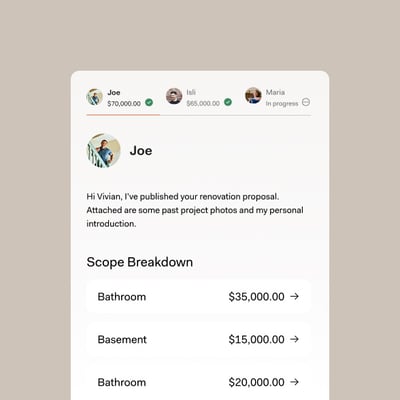
Compare Proposals with Ease
If your DFW home is in a master-planned community—and a substantial share of homes in Frisco, McKinney, Prosper, Southlake, Allen, and Flower Mound are—your HOA has a say in what you build. In many communities, a very significant say.
Common HOA restrictions on additions include maximum lot coverage percentages (limiting how much of your lot can be covered by structures), setback requirements, height limits, exterior material and color mandates, and rules about detached structures. Many HOAs require architectural review committee (ARC) approval before you can even apply for a building permit, and that review process can add weeks or months to your timeline.
Before investing in architectural plans or contractor bids, pull your CC&Rs and contact your HOA's ARC. Ask specifically about what's been approved recently—knowing what your neighbors have been allowed to build gives you a practical sense of what's feasible. In some communities, rear additions that aren't visible from the street face minimal scrutiny, while anything that changes the front elevation triggers a more rigorous review.
If your home is in an older Dallas neighborhood without an HOA—Lake Highlands, Casa Linda, parts of East Dallas—you'll have more freedom, though city zoning setbacks and building codes still apply.
In a car-dependent metro like Dallas–Fort Worth, your garage is a major component of your home's value. The vast majority of DFW buyers expect at least a two-car garage, and in suburban neighborhoods, three-car garages are increasingly standard.
Converting a garage to living space might seem like an easy path to more square footage, but in the DFW market, the trade-off usually isn't worth it. You're removing a feature that most buyers consider essential—and in a metro where nearly everything requires a car, the loss is felt daily, not just at resale.
Smarter approaches: adding storage systems to make the garage work harder, insulating it for year-round use as a workshop, or finishing a bonus room above the garage. These options preserve the parking function while adding usable space. If you're building a new detached garage as part of a larger project, you can repurpose the existing garage—but replacing covered parking before you convert it is important.
Dallas additions are more often about improving how space functions and feels than about solving a space crisis. The projects that deliver the most satisfaction reflect that:
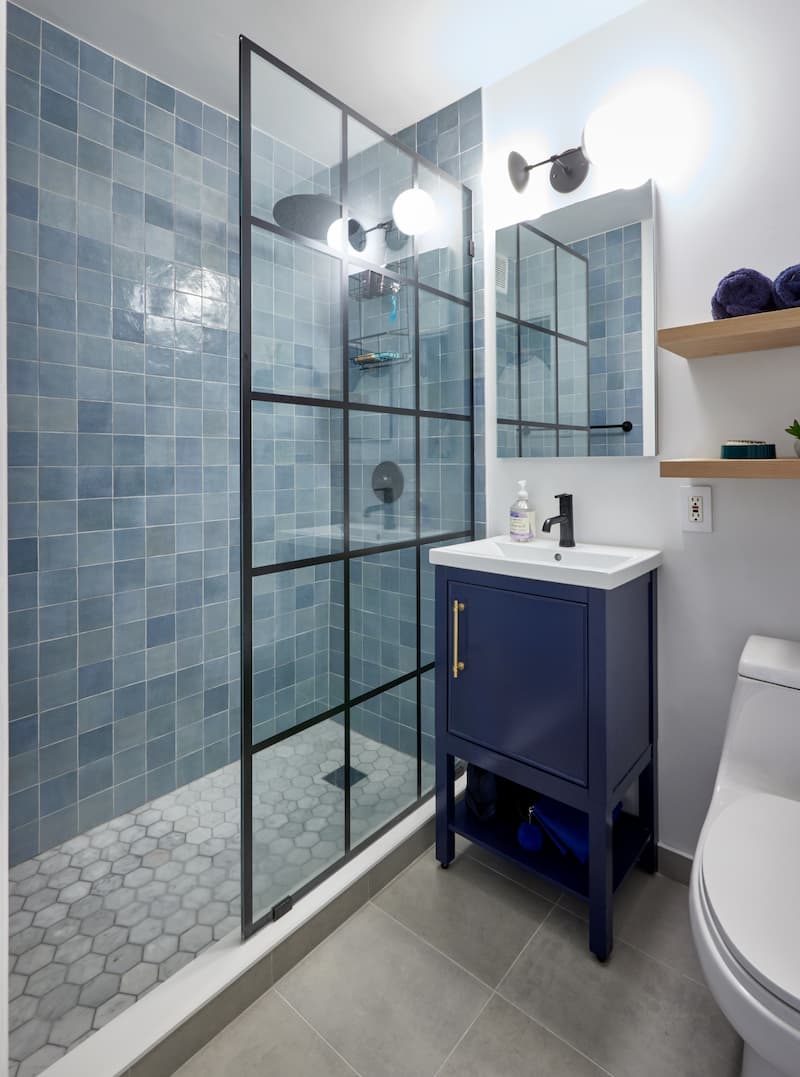
This is where DFW homeowners invest most heavily. In many 1990s and 2000s-era homes, the original primary bathroom was adequate but uninspired—builder-grade tile, a garden tub nobody uses, a cramped vanity, and a closet that's too small. A primary suite addition or expansion replaces that with a walk-in shower (often curbless), a freestanding soaking tub, double vanities with stone countertops, and a walk-in closet large enough to function as a dressing room.
In a neighborhood like Preston Hollow, a primary suite addition of 300 to 400 square feet might include heated tile floors, a frameless glass shower enclosure, custom cabinetry, and premium fixtures—a project in the $120,000 to $175,000 range that transforms the most private part of the home into something that feels like it belongs in a different house entirely.
Remote and hybrid work has made dedicated offices one of the fastest-growing addition categories in DFW. A purpose-built office with proper lighting, sound insulation, built-in shelving, and reliable electrical and data connections is a meaningfully different experience from working at the kitchen table—and in a metro where many professionals work for companies headquartered elsewhere, a well-designed home office has genuine resale appeal.
A small office addition (100 to 150 square feet) can be accomplished as a bump-out for $15,000 to $35,000. A standalone office space with its own entrance—popular with professionals who meet clients at home—runs $40,000 to $75,000.
Texas is an entertaining culture, and DFW homes reflect it. Media rooms, game rooms, and multi-purpose recreation spaces are highly valued by both the homeowners who build them and future buyers.
These rooms benefit from sound insulation (particularly important in two-story homes where a media room sits below bedrooms), controlled lighting, dedicated HVAC zones, and enough square footage for flexible furniture arrangements. A media room addition of 300 to 500 square feet typically runs $45,000 to $100,000, depending on acoustic treatment and built-in technology. Outdoor kitchens and covered patios often accompany these projects—if you're building a media room that opens onto the backyard, integrating covered outdoor entertaining space ($20,000 to $50,000 for a 400-square-foot covered patio) into the same project creates a flexible indoor-outdoor entertaining zone that's well-suited to how DFW families actually live.
“Electrical layouts may be invisible behind the walls, but it’s one of the hardest things to change once construction is underway.” Manny Singh, Block-vetted contractor
Expansive clay soils. North Texas sits on clay that swells when wet and contracts when dry, causing significant soil movement. This is the primary reason most DFW homes use post-tension or pier-and-beam foundations, and your addition needs to account for the same conditions. A soils report is a standard part of the engineering process—your contractor should include it in the project scope.
Storm readiness. DFW isn't in a hurricane zone, but severe thunderstorms, tornadoes, and hail are regular features of spring and summer. Impact-resistant roofing (Class 4 hail-rated shingles) costs 10-20% more than standard shingles but earns insurance discounts and protects your investment. They're increasingly common across the metroplex for good reason.
Heat and insulation. Summers regularly exceed 100°F, and proper insulation and HVAC sizing directly affect comfort and utility costs. Spray foam insulation performs exceptionally well in the Texas heat because it doubles as an air barrier, reducing the cooling load on your HVAC system.
Texas's lack of a state income tax means homeowners retain more of their income, which helps with renovation budgeting. The most common financing routes for home additions include HELOCs, home equity loans, and cash-out refinances. DFW's strong property value appreciation over the past decade means many homeowners have significant equity to work with.
Build a budget that includes construction, permits, engineering (soils report and structural plans), potential HVAC upgrades, and a 10-15% contingency. For older homes in established neighborhoods, keep the contingency toward the higher end—surprises behind walls are common in DFW's pre-1990 housing stock.
An addition in Dallas should look like it belongs—matching the roofline, the brick, the design language of your home and neighborhood. Block Renovation connects homeowners with vetted, licensed contractors matched to your specific project type and location. You can compare detailed proposals side by side, receive expert scope reviews that catch missing line items before construction starts, and build with protections like progress-based payments and a one-year workmanship warranty.
Remodel with confidence through Block
Connect to vetted local contractors
We only work with top-tier, thoroughly vetted contractors

Get expert guidance
Our project planners offer expert advice, scope review, and ongoing support as needed
Enjoy peace of mind throughout your renovation
Secure payment system puts you in control and protects your remodel

Renovate confidently with Block
Easily compare quotes from top quality contractors, and get peace of mind with warranty & price protections.
Texas
Katy Home Additions: What Pays Back (Cost Guide)
05.29.2026
Texas
The Best Dallas-Fort Worth Renovation Contractors
05.28.2026
.png?width=640&name=u5821215421_Single_photograph_Apartment_Therapy_style_exterio_ad4a23c3-b656-4a69-9bf1-f1fc04660eef_3%20(1).png)
Texas
Custom Home Building in El Paso, TX: A Regional Guide
05.13.2026

Texas
Custom Home Building in Abilene, Texas: Local Guide
04.28.2026

Texas
Luxury Remodeling in Dallas | Room-by-Room Guide to High-End Renovations
04.27.2026