



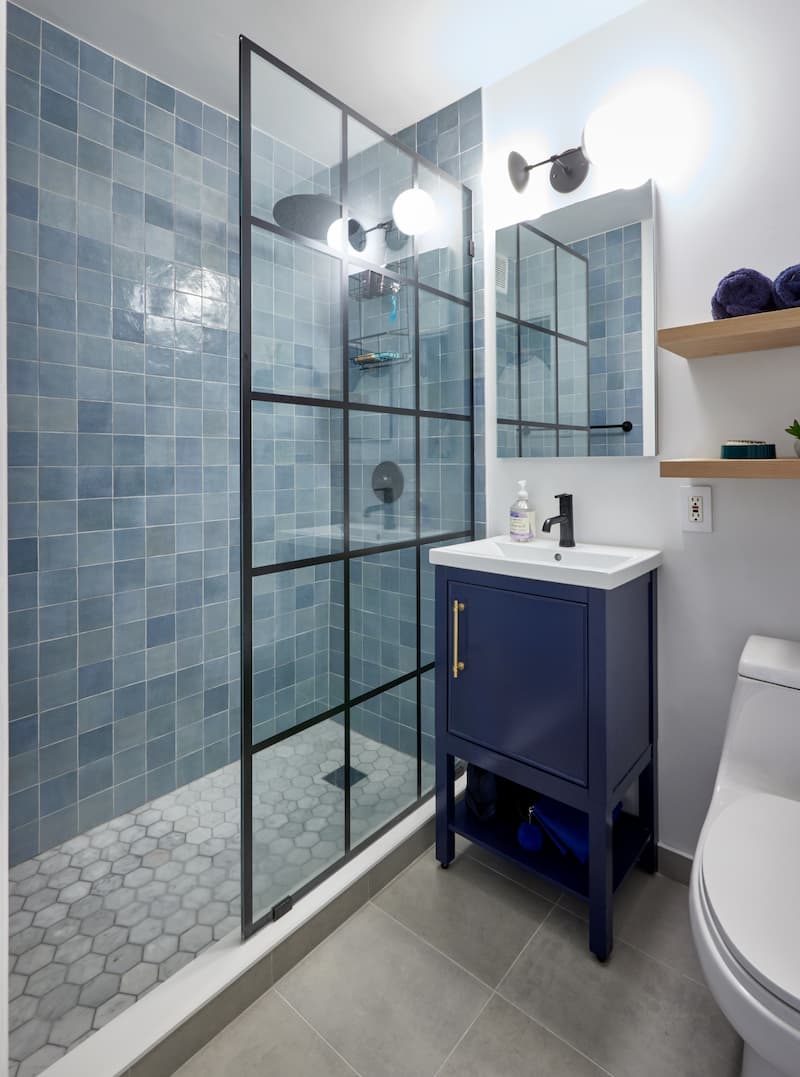
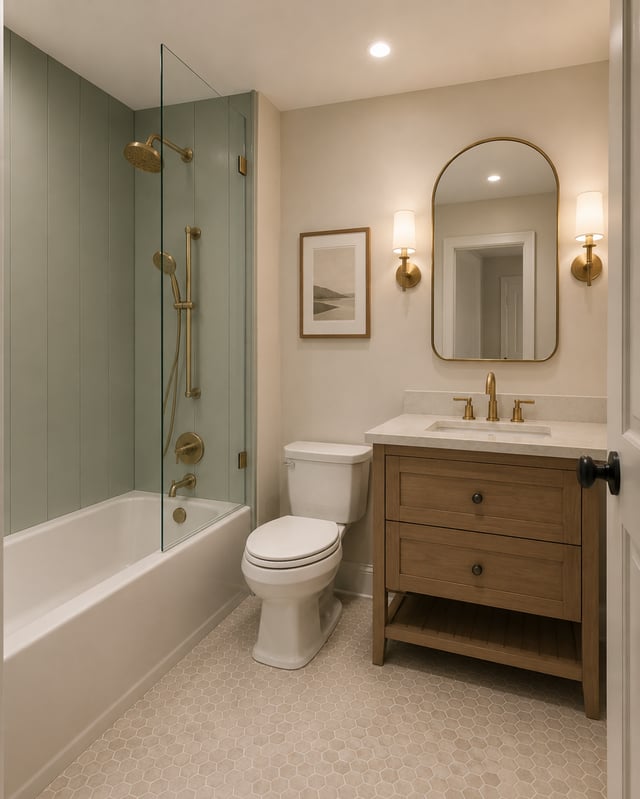
Shower
Best Shower Wall Panel Brands: Composite, Acrylic, and Solid Surface
08.12.2026
03.27.2026


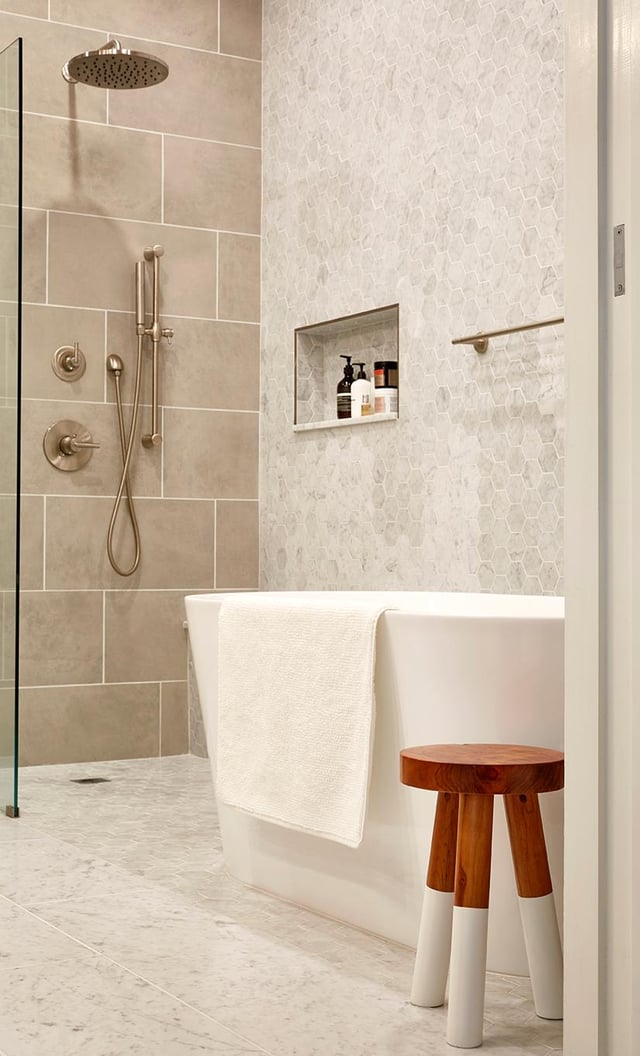
In This Article
It's one of the most common questions homeowners face when renovating a bathroom: should I keep the tub, or rip it out and put in a walk-in shower?
The answer isn't one-size-fits-all. It depends on how you actually live in your home, how your bathroom is laid out, what you want to spend, and whether you're thinking about future resale. This guide walks you through each of those factors so you can make a decision that feels right—not just for your bathroom, but for your life.
Before you think about tile or fixtures, think about your daily routine. How you use your bathroom—and who uses it with you—is the most important factor in this decision.
If your mornings are busy and efficiency matters, a walk-in shower wins. A well-designed shower with good water pressure and thoughtful storage can feel luxurious and get you out the door faster. For households without young children—couples, roommates, or empty nesters—a tub often goes unused for years. If you're honest about how often you actually take a bath, that square footage might be better spent on a generously sized shower you'll enjoy every day.
Walk-in showers are also a strong choice for homeowners thinking ahead to aging in place. A curbless, accessible shower with a built-in bench and grab bars is safer and more functional long-term than stepping over a tub ledge.
If you have young children—or plan to—a tub is almost non-negotiable for the near term. Bathing small kids in a walk-in shower is genuinely difficult. Beyond practicality, bathtubs remain a preference for many adults who genuinely use them to decompress. If a long soak is part of how you wind down, don't talk yourself out of keeping one.
Freestanding soaking tubs have also become a design statement in primary bathrooms, blending function with a look that feels considered and calm. If your bathroom has the space and your budget allows, a freestanding tub can be a centerpiece—not just a fixture.
Space is often the deciding factor—especially in city apartments and older homes where bathrooms weren't built with modern preferences in mind. Here's how to think through the layout.
A standard alcove bathtub is typically 60 inches long by 30–32 inches wide—that's 5 feet of uninterrupted wall space, plus clearance in front. A walk-in shower, on the other hand, can be built as small as 36 by 36 inches (the code minimum in most municipalities), though a 36 by 48 inch or 48 by 48 inch footprint gives you a much more comfortable experience.
That difference matters a lot in a small bathroom. A 5 x 8 foot bathroom—one of the most common configurations in New York apartments and older single-family homes—has roughly 40 square feet to work with. In a layout like this, swapping a tub-shower combo for a dedicated walk-in shower can free up enough room to add a double vanity, expand storage, or simply make the space feel less cramped.
Raw dimensions don't tell the whole story. Where your plumbing is currently roughed in matters too—moving a drain or relocating a showerhead to the opposite wall adds cost and complexity. If you're working within a 5 x 7 or 5 x 8 bathroom and want to stay close to budget, keeping fixtures roughly in place and focusing on a better shower footprint is often the smartest path.
Also consider ceiling height. A dramatic walk-in shower with floor-to-ceiling tile needs adequate height to read well. Low ceilings (under 8 feet) can make a large-format tile approach feel claustrophobic—a detail worth discussing with your contractor before committing to a design direction.
Turn your renovation vision into reality
Get matched with trusted contractors and start your renovation today!
Find a Contractor
Renovating a bathroom with a walk-in shower versus a tub can vary significantly in cost depending on size, materials, and what's already in place. Here's what to expect.
A basic walk-in shower installation—tile surround, shower pan, frameless or semi-frameless glass enclosure, and standard fixtures—typically ranges from $4,000 to $10,000 for labor and materials in most U.S. markets. In New York City and other high-cost metros, that range often starts around $7,000 and can easily reach $15,000 or more for larger showers with premium tile, custom niches, linear drains, or a curbless (zero-threshold) design.
Custom tile work adds meaningful cost. A large-format stone tile walk-in with floor-to-ceiling coverage in a 36 x 60 inch shower footprint can run $12,000–$20,000+ in materials and labor combined, depending on the tile chosen and the complexity of the layout. Herringbone or chevron patterns cost more to install than straight-set tile because they require more cuts and more time.
A standard alcove tub replacement—swapping an old tub for a new one in the same position—is one of the more affordable bathroom upgrades, often landing between $1,500 and $4,000 installed. The tub itself ranges widely: a basic acrylic model might cost $300–$600, while a cast-iron tub starts around $1,000 and a quality freestanding soaking tub can run $2,000–$8,000 before installation.
Installing a freestanding tub where there was none before is a bigger project. It requires re-routing the drain, adding a freestanding filler or wall-mount faucet, and often reconfiguring the surrounding space—costs that can push a "tub addition" to $5,000–$12,000 in a typical renovation.
Converting an existing tub-shower combo to a walk-in shower is one of the most popular bathroom renovation requests Block sees. It involves demo, waterproofing, a new shower base or custom tile floor, walls, glass enclosure, and fixtures. A mid-range conversion in a 5 x 8 bathroom in most U.S. markets runs $8,000–$15,000. In New York City or San Francisco, budget $12,000–$22,000 for a quality result.
That number can climb if the conversion involves moving plumbing, adding a bench, or using premium materials throughout. Getting a detailed scope before committing to a budget—and comparing proposals from multiple contractors—is the best way to avoid surprises.
|
Project type |
Typical range (general U.S.) |
High-cost markets |
|---|---|---|
|
Alcove tub replacement (same location) |
$1,500 – $4,000 |
$3,000 – $7,000 |
|
Freestanding tub addition |
$5,000 – $12,000 |
$10,000 – $20,000+ |
|
Basic walk-in shower (tile, glass, fixtures) |
$4,000 – $10,000 |
$7,000 – $15,000 |
|
Tub-to-shower conversion |
$8,000 – $15,000 |
$12,000 – $22,000+ |
|
Both tub + separate shower (8x10+ bath) |
$15,000 – $30,000+ |
$25,000 – $45,000+ |
If you're renovating with an eye toward eventual resale, the tub-versus-shower question carries some financial weight. Here's what the data and real estate professionals tend to agree on.
The conventional real estate wisdom has long been: keep at least one bathtub in the home, especially if you have multiple bathrooms. Many buyers—particularly those with young families—still consider a tub a baseline expectation. Removing the only tub in a home can make it harder to sell to that segment of the market, and some buyers will mentally price in the cost of adding one back.
That said, context matters enormously. In a three-bathroom home, converting one bathroom to a shower-only space is generally well-received. In a studio apartment or a home with only one bathroom, removing the tub can be a sticking point for some buyers.
Buyer preferences have shifted meaningfully in the past decade. Spa-like walk-in showers—think frameless glass, large-format tile, dual showerheads, and built-in niches—rank highly in home-buyer surveys and consistently show up in renovation value studies. In mid-to-upper price-point homes, a large, luxurious shower often matters more to buyers than a tub they'd rarely use.
Remodeling Magazine's annual Cost vs. Value report has consistently shown that mid-range bathroom remodels recoup 60–70% of costs at resale, with upscale projects sometimes recovering less on a percentage basis but adding more to the home's absolute sale price. A dated tub-shower combo is rarely a selling point; a well-executed walk-in shower frequently is.
In urban markets—New York, Chicago, San Francisco, Washington D.C.—buyers often skew toward younger professionals who prioritize an excellent daily shower over a soaking tub. In suburban markets with more families, a tub in the primary or secondary bathroom is a stronger expectation.
There's no universally right answer—but there is a right answer for your home, your life, and your budget. Here's a practical framework to help you decide.
If your primary bathroom is 8 x 10 feet or larger, you may not have to choose at all. A dedicated walk-in shower alongside a freestanding soaking tub is one of the most desirable configurations in a primary bathroom renovation—and if your layout and budget allow for it, it's often the renovation choice that homeowners regret least.
The key is getting your dimensions right, planning the plumbing carefully, and selecting materials that feel cohesive. Having both doesn't have to mean spending twice as much—it means designing thoughtfully from the start.
Not sure which direction is right for your family? Our free bathroom visualizer lets you map out your actual dimensions, experiment with tub-only, shower-only, or combination layouts, and see real-time cost estimates as you make changes. It's a useful way to test your instincts before any decisions are final—and to arrive at your first contractor conversation with a clear picture of what you want and what it's likely to cost.
Block Renovation connects homeowners with thoroughly vetted local contractors who understand the full range of bathroom renovation work—from a straightforward tub swap to a complete gut renovation with a custom walk-in shower. Every contractor in Block's network passes a multi-step vetting process that includes license and insurance verification, background checks, and workmanship reviews. Block matches each homeowner with up to four contractors suited to their specific project, facilitates competitive bidding with expert-reviewed scopes, and manages payments through a secure, progress-based system. Tell us about your project and get matched with the right contractor for your bathroom.
Remodel with confidence through Block
Connect to vetted local contractors
We only work with top-tier, thoroughly vetted contractors

Get expert guidance
Our project planners offer expert advice, scope review, and ongoing support as needed
Enjoy peace of mind throughout your renovation
Secure payment system puts you in control and protects your remodel

Renovate confidently with Block
Easily compare quotes from top quality contractors, and get peace of mind with warranty & price protections.
Shower
Best Shower Wall Panel Brands: Composite, Acrylic, and Solid Surface
08.12.2026
Design
Bathtub to Shower Conversion: Cost, Ideas, Examples & More
08.11.2026
Shower
Shower Panel Types: Costs, Materials & How to Choose
08.11.2026
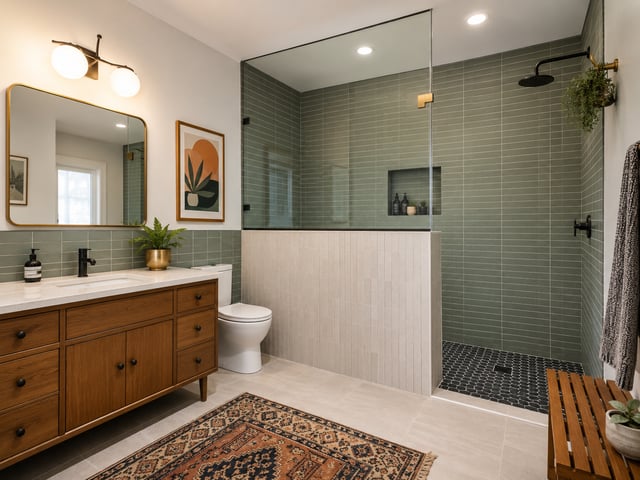
Shower
Glass Shower Enclosure With a Half Wall: What to Know
07.28.2026
-1.webp?width=640&name=5301c89b-3165-4f83-af34-a6b02eaa6c48%20(1)-1.webp)
Shower
Shower vs. Tub: How to Choose for Your Bathroom
07.06.2026