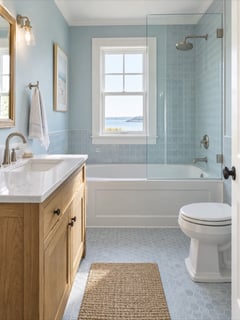
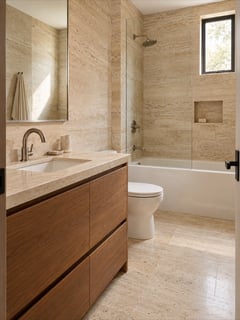
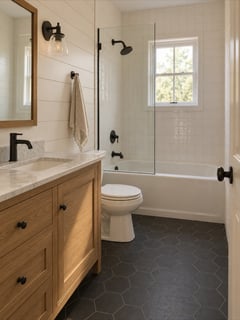
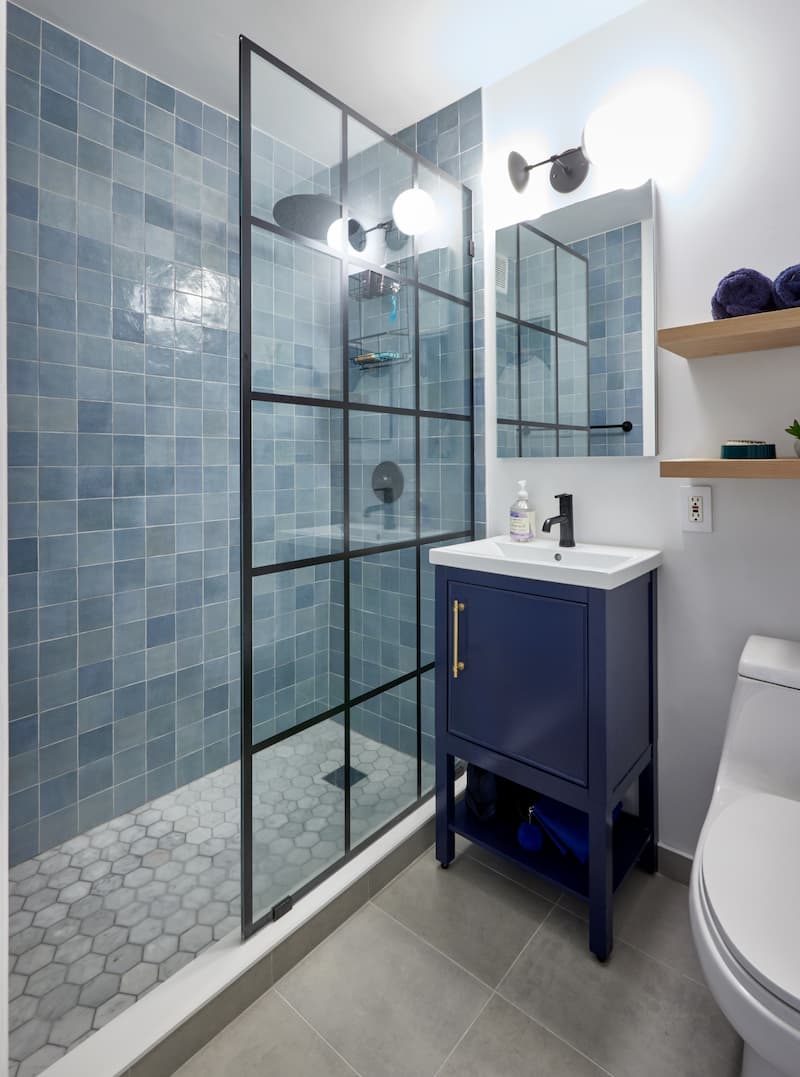
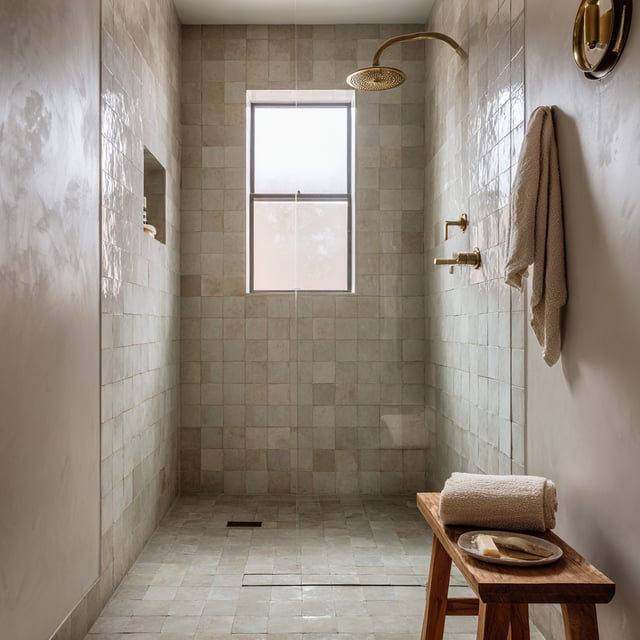
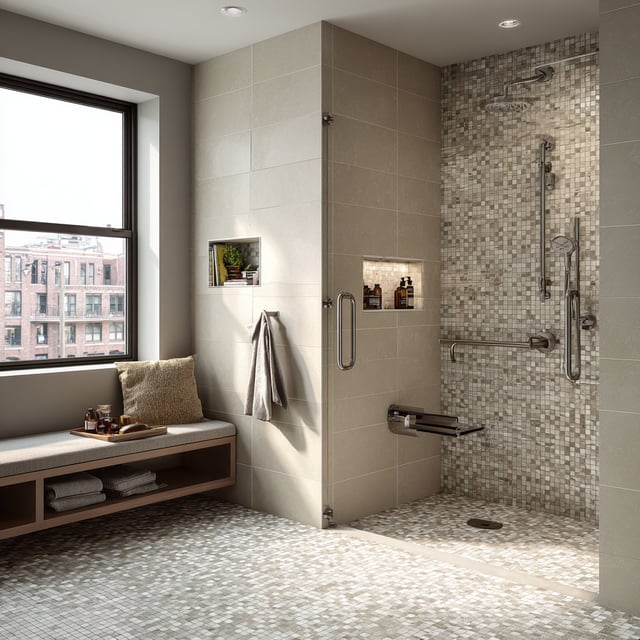
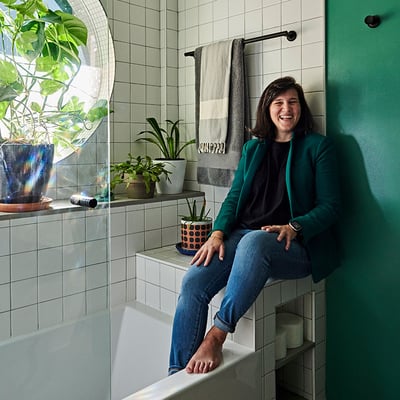
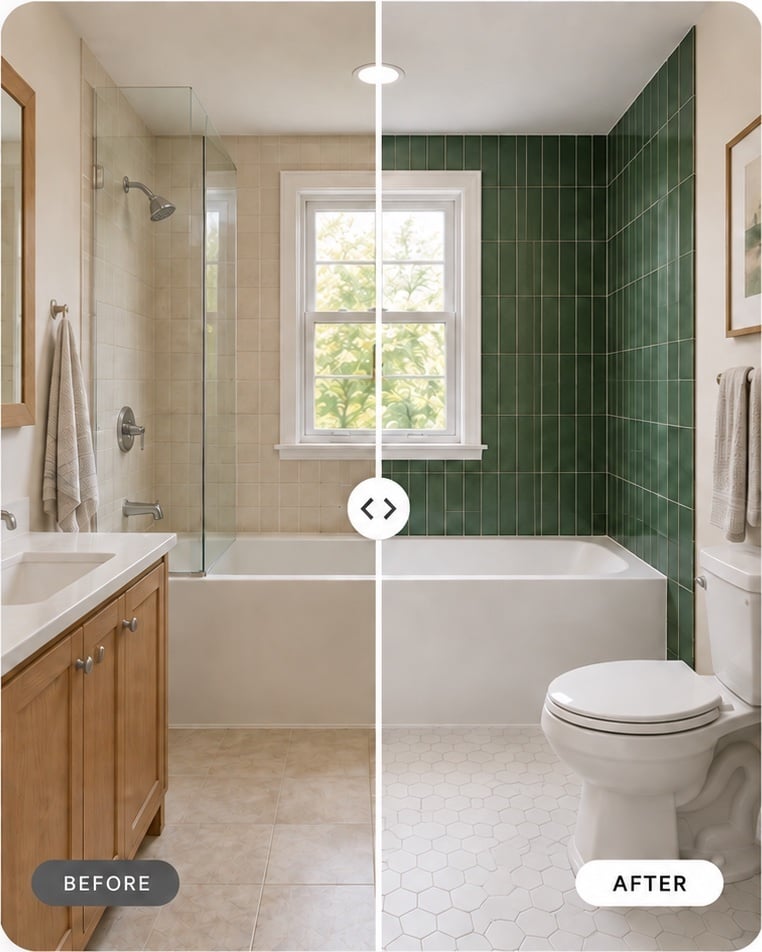
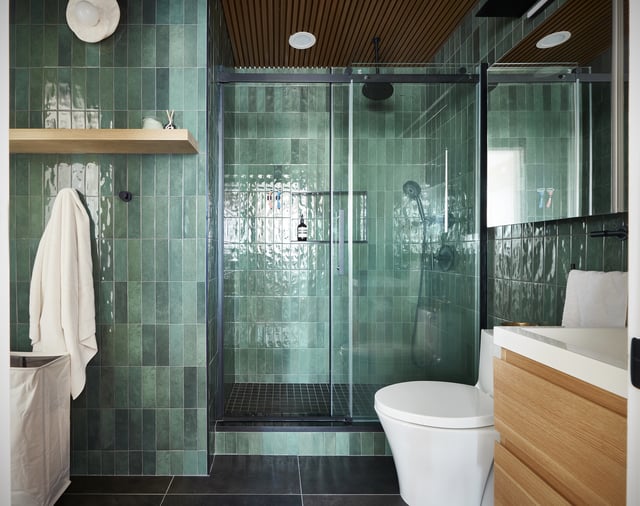
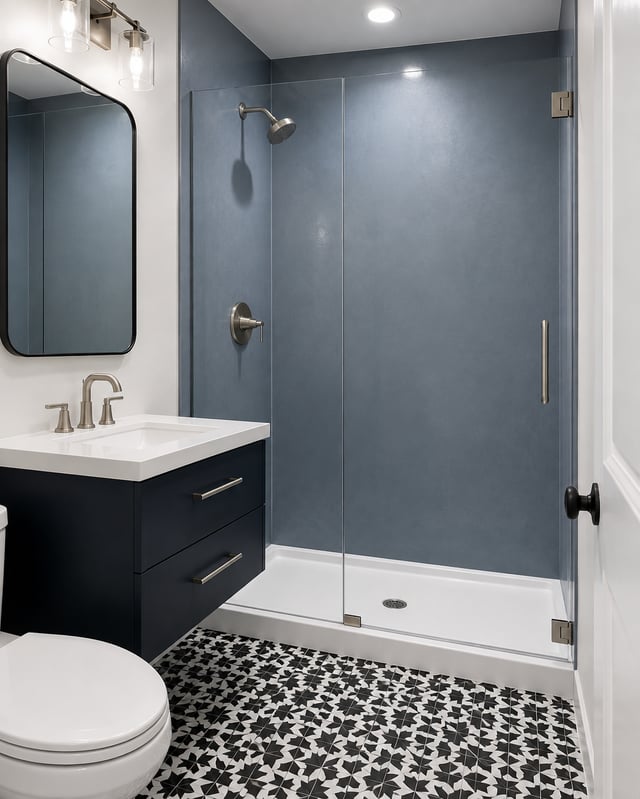
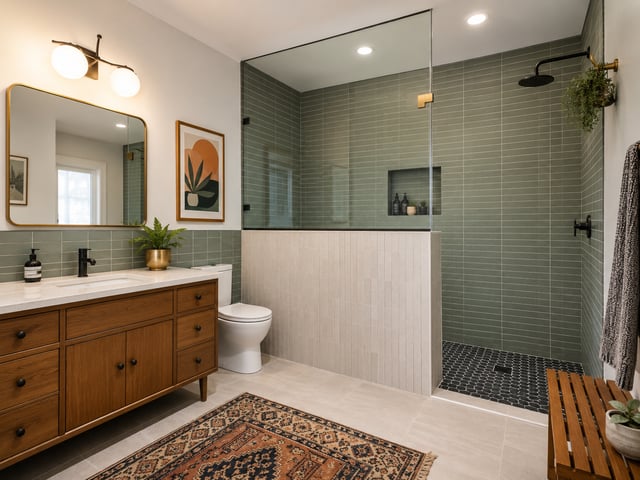
Bathtub and shower structures rank fourth among injury locations for Americans 65 and older in National Electronic Injury Surveillance data. And a 2020 analysis of the National Health and Aging Trends Study found that older adults typically don't modify their bathroom until after multiple falls. Meaning the first fall already happened in a room that's statistically among the most dangerous in the house, and the bathroom didn't change.
Renovating before that point is cheaper, less rushed, and gives you time to make design choices you actually like, instead of choices made under pressure from a hospital discharge plan. We asked Anastasia Jones, Director of Social Services at a Pennsylvania nursing facility, what she'd prioritize when adapting a home for an aging loved one. She put it bluntly:
Her four priorities (walk-in entry, bench, grab bars, level floors) are the foundation of any ADA shower design, and they map onto most of what follows.
Quick guide to ADA-compliant shower costs
| invisible trip hazard |
A ½-inch shower curb is easy to miss visually and harder to recover from with a walker or wheelchair. Keeping the existing threshold cuts upfront cost and raises the odds of another remodel later. |
| curbless drainage failures |
Most contractors rarely build true zero-entry showers. One bad slope calculation can leave standing water at the drain line or leak paths outside the shower footprint. Past project photos matter more than polished bids here. |
| minimum clearance trap |
ADA minimums do not account for larger power chairs or caregiver movement. A 60-inch turning radius disappears quickly once doors, vanities, and swing space are factored in. Correcting circulation issues later usually means moving plumbing. |
Wheelchair-friendly showers: choosing the right fit
Three layouts cover most wheelchair-accessible showers. The right one depends on how the user transfers, how much space you have, and whether a caregiver will be in the room.
Roll-in showers
This is the go-to option for most wheelchair users. Roll-in showers have no entry curb (or a very minimal threshold), so you can wheel straight into the shower area without lifting or risky transfers. These showers are generally broader, at least 60" long by 30" wide, and can accommodate not just a wheelchair, but also allow someone to assist if needed. The open entry and ample turning space make daily routines simpler and less physically taxing.
Transfer showers
Transfer showers are designed for users who can move independently or with assistance from their wheelchair onto a shower seat. They're typically more compact, with a standard footprint of 36" by 36", which makes them a practical choice for smaller bathrooms. The important distinction here is the integrated seat and carefully placed grab bars, which are critical for safe transfers and stable seating during bathing.
Alternate roll-in showers
An alternate roll-in shower combines the no-curb entry of a standard roll-in with the built-in seat of a transfer shower, usually in a 36" by 60" footprint. The layout works well for multi-generational households or anyone whose mobility needs may shift over time, and gives a caregiver room to help when needed.
Getting dimensions and clearances right
ADA dimensions are written for public buildings, but they're a reasonable floor for private homes too. A few inches in the wrong direction makes a shower unusable from a wheelchair.
- Threshold: The entry lip can't be higher than ½". Flush or beveled is best. If you can go lower than the half-inch maximum, do it. It's safer and looks more modern.
- Inside space: For roll-in showers, the minimum space required is 30" x 60", but if you can give a little more room, maneuvering becomes far easier, especially for those who need a caregiver's help. A standard manual wheelchair needs a 60" turning circle to spin in place, and most power chairs need more. If a 60" circle won't fit inside the shower, plan for a T-shaped clear space or position the seat so the user can back in and roll out without turning.
- Clear floor space outside: ADA standards call for at least a 30" x 48" open area just outside the shower. This space allows a wheelchair user to approach, turn, and position themselves with ease.
Flooring: the foundation of safety
Wet tile is where most bathroom falls happen. The flooring choice matters more than any other surface in the room.
- Slip resistance: Choose flooring materials that are certified slip-resistant, even when wet. Textured tiles, smaller mosaics with more grout lines, or certain types of safety vinyl significantly reduce the risk of slipping. Look for a wet dynamic coefficient of friction (DCOF) rating of 0.42 or higher, which is the threshold the Tile Council of North America considers safe for wet barefoot areas.
- Drainage: The floor should slope gently (about 1:48) toward the drain so water clears quickly without impeding wheelchair movement or stability. A linear drain along the back wall pulls water away faster than a center drain. For a curbless installation, the slope can be built into the entire bathroom floor or contained with a recessed pan that sits flush with the surrounding tile.
- Shock absorption: Materials like cork-backed vinyl or padded underlayments can help cushion falls and make the floor more forgiving for anyone who's less steady on their feet.
- Maintenance: Choose a surface that's easy to clean and resistant to mold and mildew. Grout-sealed tiles or nonporous vinyl are lower-maintenance options that contribute to long-term safety and hygiene.
Grab bars: security that fits your space
Grab bars offer support, stability, and confidence for anyone moving in or out of the shower or changing position.
- Height: Install horizontal grab bars 33" to 36" above the floor. In roll-in showers, add vertical bars near the entry and controls for extra help with balance.
- Length and placement: Here's something most guides won't tell you. ADA-mandated grab bar placement isn't always biomechanically ideal for the people using it. A study of wheelchair users performing sitting pivot transfers found that 64% of subjects skipped the code-compliant grab bar entirely and grabbed something closer to their body, like the toilet rim or shower seat. The reason: reaching out to the ADA-spec bar increases shoulder force and injury risk. Separate research on swing-away grab bar configurations reached a similar conclusion, showing reduced joint strain at non-ADA positions.
For public buildings, ADA placement is the legal requirement. For a private home, it's a starting point, not a finish line. Plan for multiple grab points along the back and side walls, and position at least one bar within close reach of the seat. If your project opens up walls, reinforce broadly so you can move or add bars as needs change.
- Support: Every bar should be rated to handle at least 250 pounds. Proper wall blocking during installation is key.
- Material and finish: Modern grab bars come in finishes that blend in with the rest of your bathroom. Look for textured finishes for a more secure grip. Brushed nickel, matte black, and oil-rubbed bronze are popular choices in current accessible bathroom design because they hide water spots and read as decorative hardware rather than medical equipment. Some manufacturers now sell grab bars that double as towel bars or shelves, which is one of the more design-friendly ADA shower ideas for homeowners who want the support without the institutional look.
Shower seats: comfortable, safe, and discreet
A supportive seat can be the difference between a stressful experience and a relaxing, independent shower. For wheelchair users, it is essential.
- Height and depth: The ideal seat height is 17" to 19" off the floor, with a minimum depth of 15" for secure, comfortable use.
- Stability: The seat must support at least 250 pounds. Whether you choose a fold-down model or a built-in bench, installation must be robust and water-resistant.
- Placement: The best seats are positioned within easy reach of shower controls and grab bars, making it easy to get in and out without strain.
- Finish and comfort: Teak and waterproof composite are comfortable, attractive choices. Some seats now include slight slopes or drainage channels so water doesn't pool when you're seated.
Fixtures: accessible controls for daily ease
- Control height: Install controls between 38" and 48" above the floor to keep them easily reachable whether seated or standing.
- Easy handling: Levers and push-button controls don't require tight gripping or twisting, making them friendlier for users with limited hand strength. Single-lever mixers are easier than two-handle valves because temperature and flow can be set with one motion. For users with significant arthritis or limited grip, look for blade-style or wrist-blade handles, which can be operated with a closed fist or forearm.
- Handheld showerheads: A flexible hose of at least 59" lets you direct water where you need it from a seated angle. Adjustable mounts let different users set the height that suits them best.
- Anti-scald valves: Pressure-balanced or thermostatic valves prevent sudden changes in water temperature for safety and peace of mind.
ADA shower ideas beyond the basics: lighting, storage, and open access
- Even, shadow-free illumination: Use a mix of overhead fixtures, waterproof wall sconces, or integrated LED strips to provide clear, diffuse light that eliminates dark corners. Aging eyes need roughly three times more light than a 20-year-old's to see the same scene clearly, so plan for at least 50 foot-candles at the seat and entry. A color temperature in the 3000K to 4000K range renders skin and tile colors accurately without the harsh blue cast of higher Kelvin bulbs.
- Contrasting finishes: Incorporate visual contrast between walls, floors, and fixtures (a dark tile border or lighter seat, for example) to help users with low vision spot key areas like the shower entry and seat.
- Lighted controls or switches: Illuminated or backlit controls are easier to locate, especially for users with vision impairment or during nighttime use.
- Natural light: When possible, add clerestory or frosted windows to bring in daylight while maintaining privacy. To make your space feel visually lighter, read our guide to 10 white shower tile ideas and how to pull them off.
- Niches and storage: Built-in niches or corner shelves should be at a reachable height (typically 36" to 48" from the floor) and within arm's length of the seat. Place the niche on the wet wall (the wall containing the plumbing) so the contractor can frame it between studs without rerouting pipes.
- Open access: Frameless glass panels provide splash protection without creating barriers. For doors, prioritize wide, easy-to-operate sliders or doors that open fully to maximize entry space. The clear opening should be at least 32" wide for a manual wheelchair and 36" for most power chairs, measured at the narrowest point when the door is open.
- Mirrors at seat height: A fog-free mirror placed at seat height makes grooming easier for users who need to sit while caring for themselves.
A home's wheelchair accessibility extends well beyond the shower. For more ideas, read our guide to bathroom-wide ADA compliance.
Working with Block to find qualified contractors
Most general contractors haven't built a true zero-threshold shower. Ask for photos of past accessible work before you sign anything. Block Renovation matches you with contractors who've built accessible bathrooms before, and reviews the scope before work starts so grab bar blocking and threshold details don't get missed.

Written by
Block Renovation
Block Renovation personalizes home remodeling with free AI-powered design tools and a vetted contractor network, helping homeowners plan, visualize, and build with confidence.