




Design
Bathtub to Shower Conversion: Cost, Ideas, Examples & More
08.11.2026
06.17.2026



In This Article
Planning a remodel can start with a saved photo, but it cannot end there. Before construction begins, homeowners need to turn loose ideas into clearer decisions: what the space should feel like, which upgrades are worth pricing, what risks might affect the work, and what questions to ask before hiring a contractor.
The home remodeling websites below help with different parts of that process. Some are good for visual direction. Others cover energy use, electrification, water efficiency, indoor air quality, incentives, and home safety. None of them replaces a contractor, but they can make the early planning stage less scattered.
Before a paint color, floor sample, faucet finish, or cabinet style ends up in your cart, put the pieces next to each other. Fotor's mood board maker gives you a place to arrange screenshots, colors, product images, and room references so the whole direction is easier to see.
A mood board will not tell you whether a wall can move or what a contractor will charge. It can show you when the project is trying to become three different rooms at once.
A good board should answer a few plain questions:
Plan on cutting images as you go, since a crowded board makes the direction harder to read.

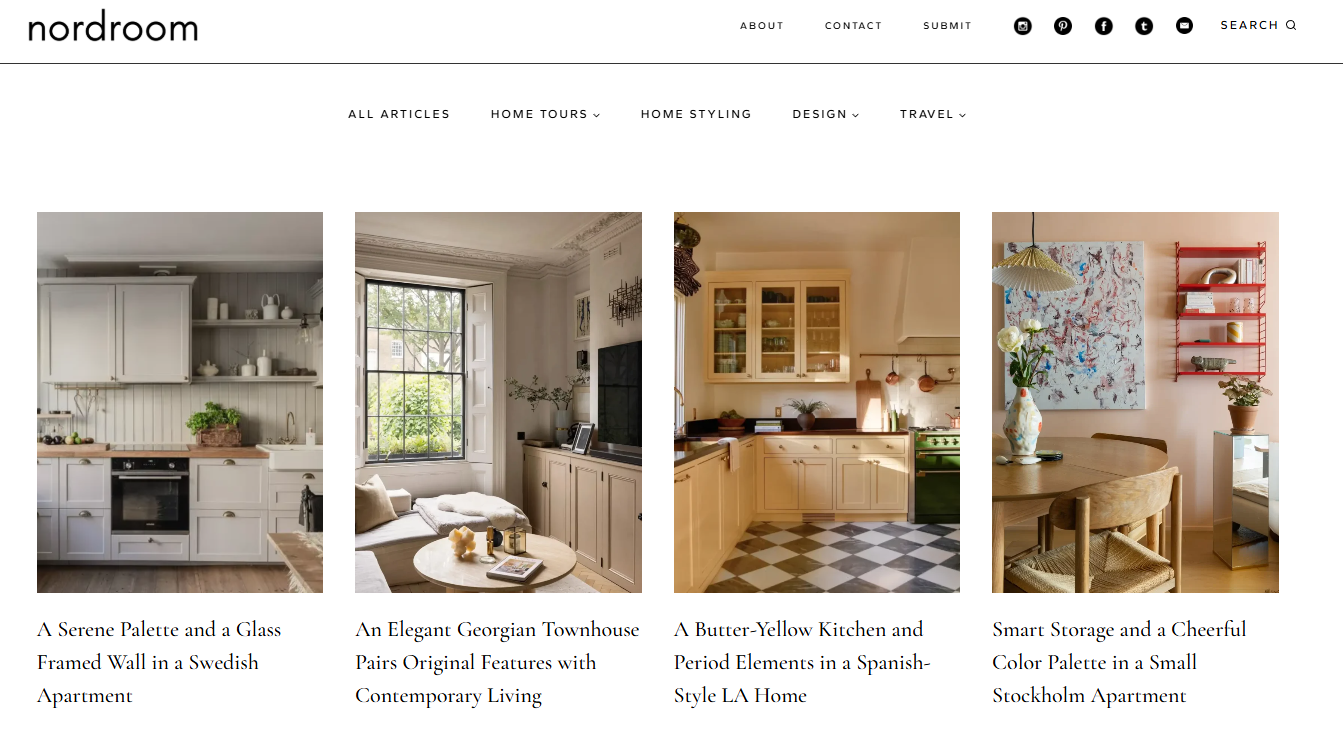
Some inspiration sites make every room feel like a showroom. The Nordroom is better for noticing quieter patterns: warm wood, soft light, layered neutrals, small-space storage, vintage pieces, or kitchens without heavy upper cabinets.
Browse this remodeling website for repetition rather than a single room to copy. If warm wood or unpainted plaster shows up in half of your saved images, that detail probably belongs in the plan.
Noticing patterns also makes the next conversation easier. Instead of telling a contractor or designer that you want something "clean" or "cozy," you can describe the actual choices behind the feeling.
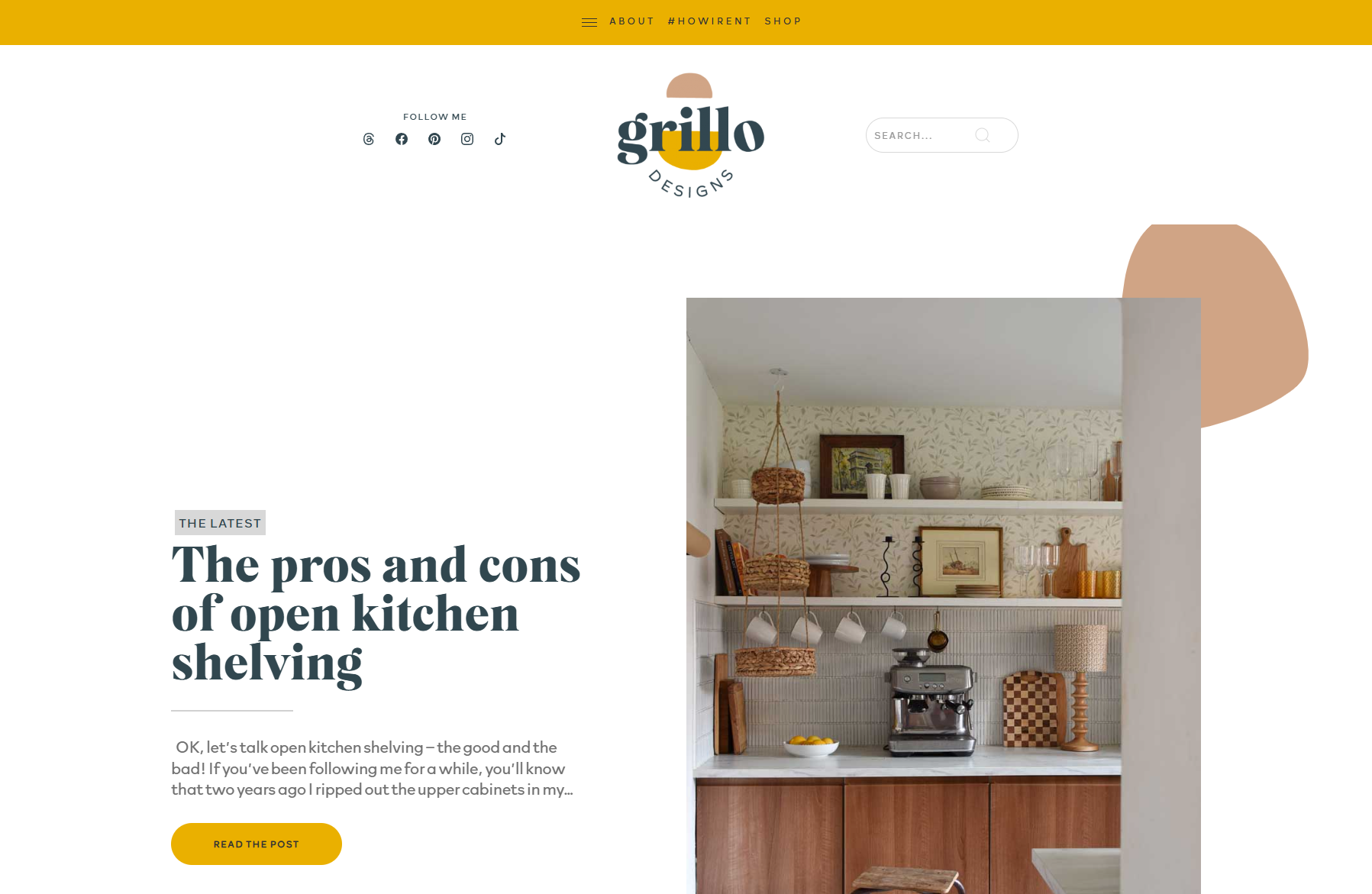
A limited budget can make design more interesting because every change has to work harder. Grillo Designs brings that mindset to renters, small homes, DIY updates, color, storage, and personal style.
The renter-friendly lens applies to owners too. Renters have to weigh budget against what can be undone later, and homeowners can borrow that discipline before assuming every dated room needs demolition.
Look here when a space bothers you, but you are not sure the answer is a full renovation. The problem might be storage, lighting, color, layout, or one finish that throws off the whole room.
Cate St Hill is a good reset when the plan has too many competing ideas. Her work is calm and restrained, with a focus on simple design for everyday living.
The simplicity shown on the renovation website is executed with purposeful texture, proportion, light, storage, and comfort. The restraint comes from leaving out anything that does not contribute.
Spend time here when your saved references are starting to fight each other. If one image is all brass and drama and another is pale wood and linen, the board probably needs editing more than the plan needs a new style.

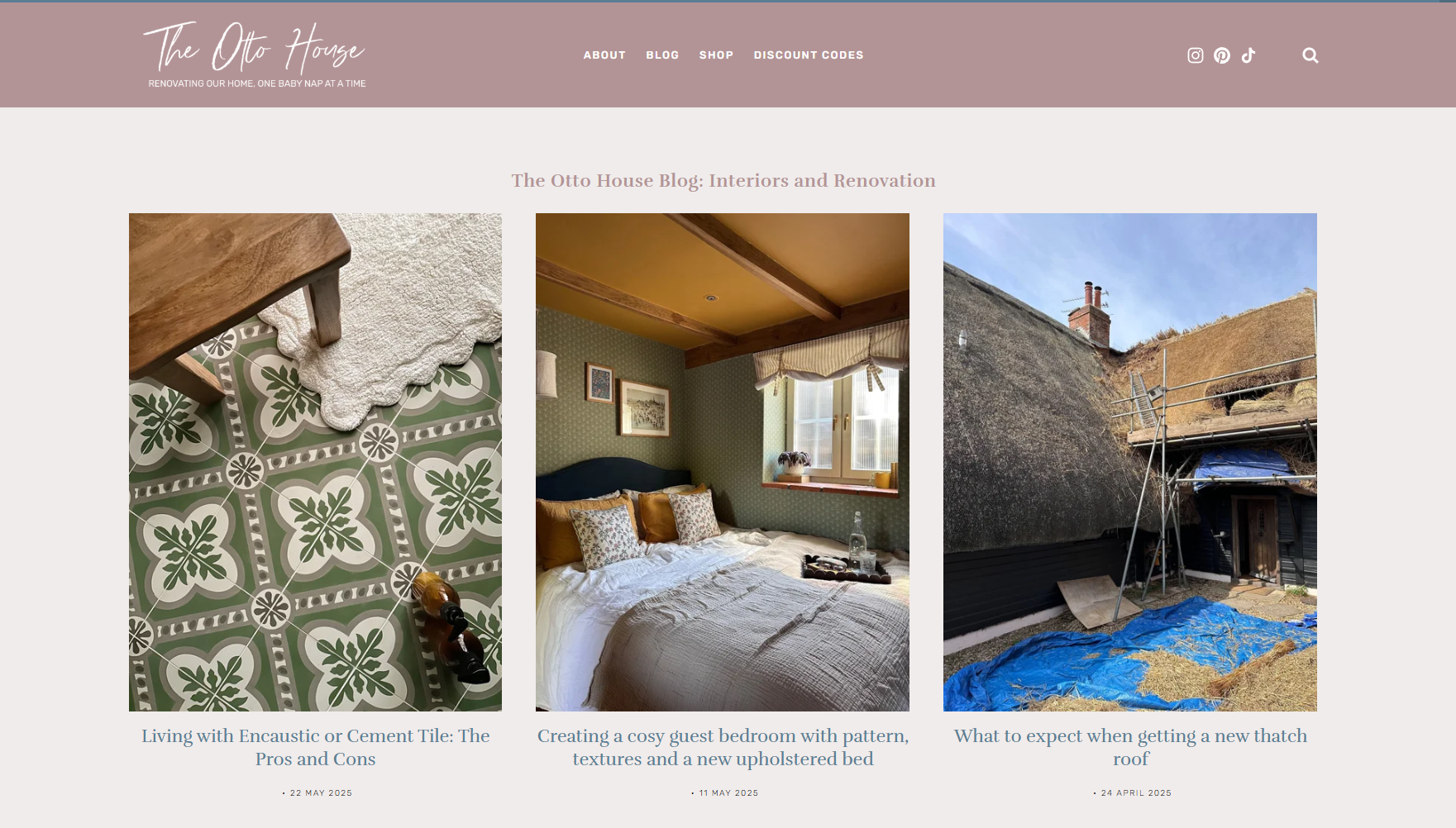
Real family homes rarely move in a straight line from before to after. The Otto House is good for that middle space, where rooms are being improved around work, children, budget, and normal household mess.
The site is especially relevant for phased renovations. A family room might need storage before new furniture, and a kitchen might need better function long before anyone picks a paint color.
The ideas feel lived-in, which makes them easier to adapt to a house people are still using while the work happens.
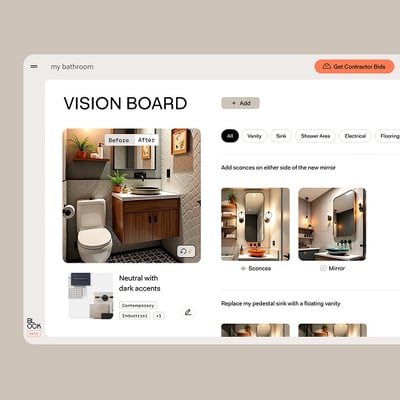
Bring Block Renovation's renovation planning guide in when the idea has moved past browsing and needs a real scope. That is the point when homeowners start asking harder questions: what the project might cost, which decisions affect the budget, what contractors need to price accurately, and how to compare proposals without getting lost in mismatched line items.
Block helps homeowners move from inspiration toward a clearer plan. Vagueness is the expensive part of early planning: a vague scope can make one quote look cheaper than another, even when the cheaper quote leaves out important work.
You do not need every decision made at this stage. The project just needs enough definition that the next contractor conversation starts from real information.
Bonus: check out our website’s Renovation Value Calculator to determine the predicted ROI of your next remodeling project.
Bring Your Dream Bathroom to Life
A room can look finished and still waste energy, feel drafty, or rely on equipment that is close to failing. The Department of Energy's home upgrades resources are worth checking when a remodel touches insulation, air sealing, HVAC, water heating, windows, doors, appliances, electrical wiring, or ventilation.
Sequence affects the results. New heating and cooling equipment may perform better after insulation and air leaks are addressed, and new windows may improve comfort without being the first place to spend if the attic is under-insulated.
The site is strongest when you want to understand how the home's systems interact before buying anything.
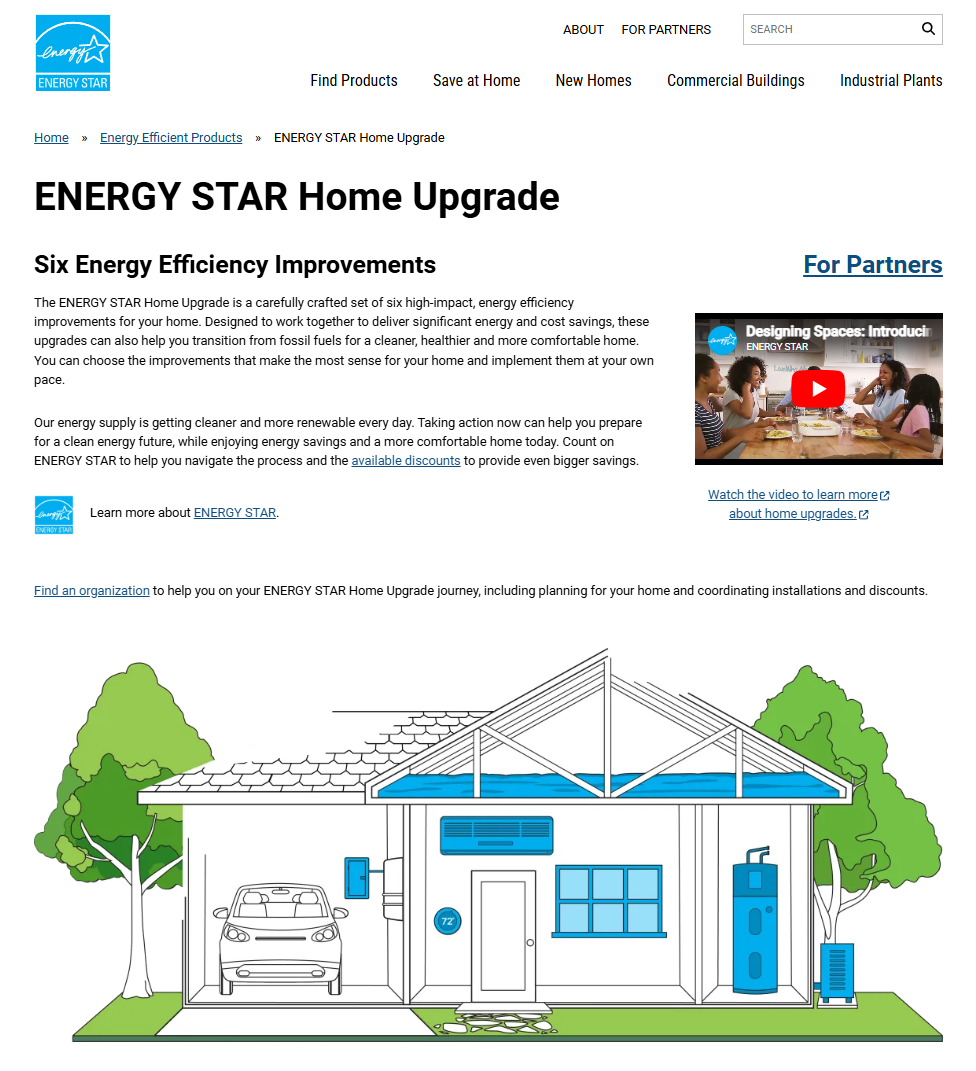
ENERGY STAR's Home Upgrade resource groups several energy improvements that are meant to work together. It works as a planning check before a remodel turns into a string of one-off product decisions.
A stronger plan might look at heating and cooling, water heating, insulation, air sealing, smart controls, windows, and electric appliances together. Even if you do not do all of that work now, you can avoid choices that make the next upgrade harder.
These upgrades cost less to coordinate while the house is already under construction, so check it when:
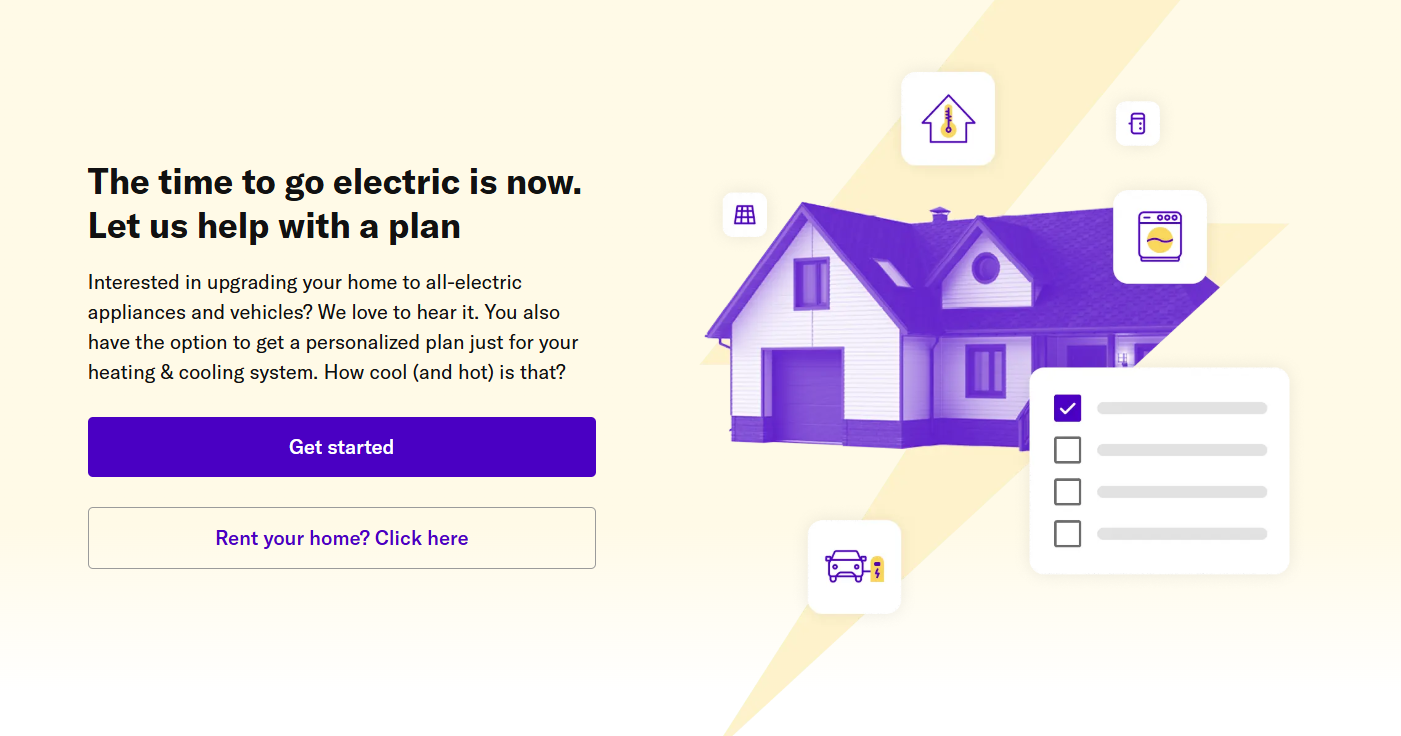
Replacing a gas appliance with an electric one can affect more than the appliance itself. An induction range, heat pump, heat pump water heater, electric dryer, EV charger, and panel upgrade can all touch the same larger question: what can the home's electrical system support?
Rewiring America's personal electrification planner helps sort the order of operations. It can help you decide what belongs in the current project, what can wait, and what needs to be planned before the next major replacement.
This is especially relevant if a kitchen renovation includes a new range, a basement project touches mechanical systems, or a garage plan includes EV charging, since electrical decisions are easier to make before the contractor prices the work.
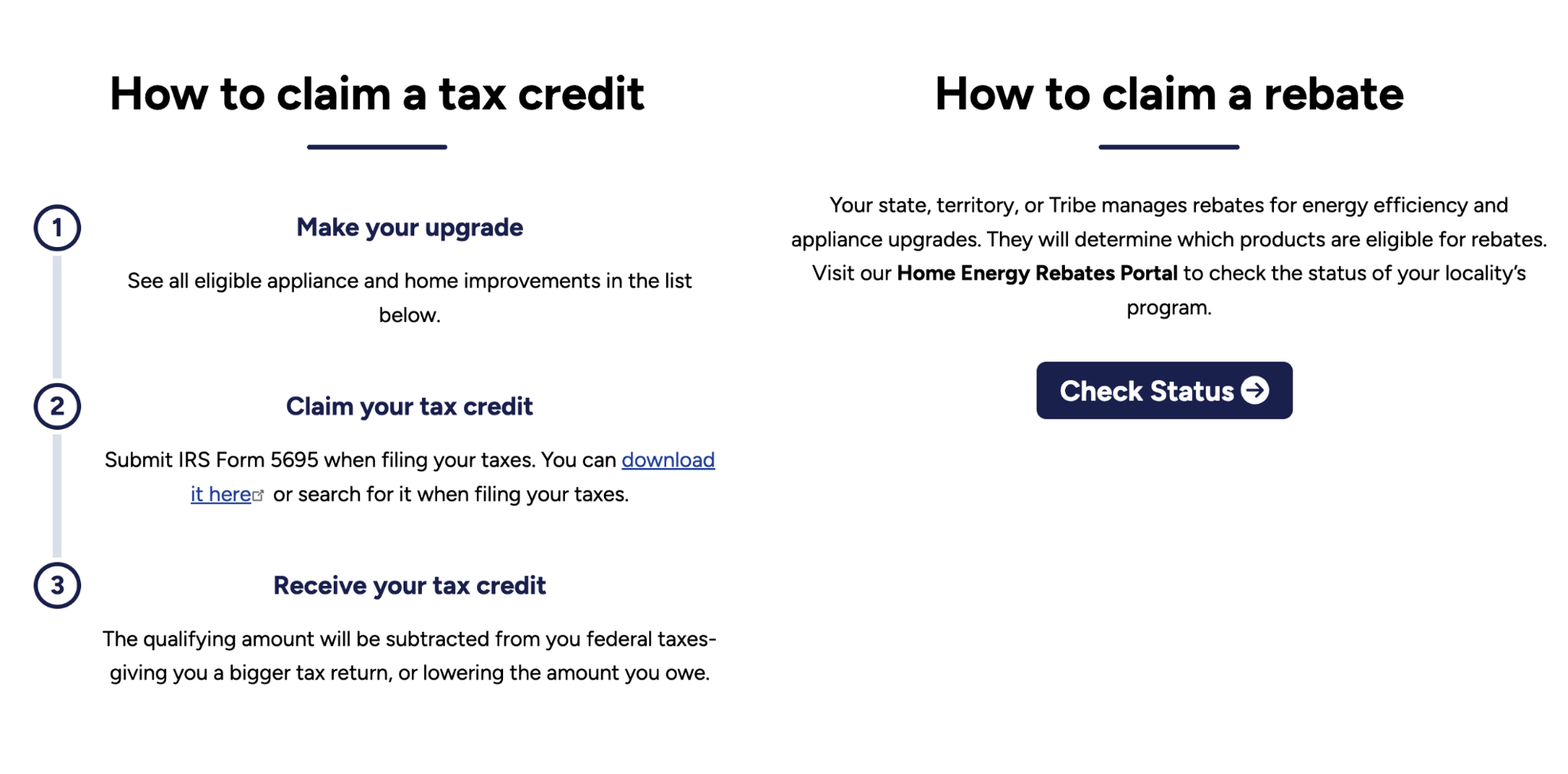
Rebates are easiest to use before the scope is locked. DSIRE lets homeowners look up renewable energy and energy-efficiency incentives by location.
The site works like a database, which suits the task. Some programs have approved equipment lists, income limits, contractor requirements, documentation rules, or deadlines. Those details can affect what you buy and how the work gets scheduled.
Check the program details before locking the budget. An incentive that looks simple on the first page may have requirements that matter later.
Demolition can turn an old-house problem into an active one. The EPA's indoor air quality guidance for remodeling is worth reading before work begins, especially in homes that may have lead paint, asbestos-containing materials, radon, mold, moisture problems, combustion appliances, or poor ventilation.
These risks belong in the contractor conversation. If a project might disturb old materials or change how the home handles air and moisture, those questions go in the plan before demolition starts.
Most projects will not need special handling. Asking early keeps testing, containment, or a re-sequenced schedule from becoming a mid-project surprise.
If you are already choosing toilets, faucets, showerheads, or irrigation controls, EPA WaterSense belongs in the same round of decisions. It keeps water use on the table while fixtures are still being selected, not after the room is finished.
A bathroom remodel is the obvious place to start, but kitchens, laundry areas, and outdoor projects can also affect water use. A product that looks similar on a spec sheet may perform differently over years of daily use.
Treat it as one more practical check while the product list is still open.
Flood risk changes what a "finished" space should mean. FEMA's homeowner retrofitting resources can help homeowners understand elevation, floodproofing, barriers, and other ways to reduce damage.
This will not apply to every project. A powder room on the second floor does not need the same thinking as a basement renovation in a flood-prone neighborhood.
When water risk does apply, it should shape the scope early. Flooring, wall materials, storage, mechanical systems, and finished basement plans can all be affected by what happens during the next major storm.
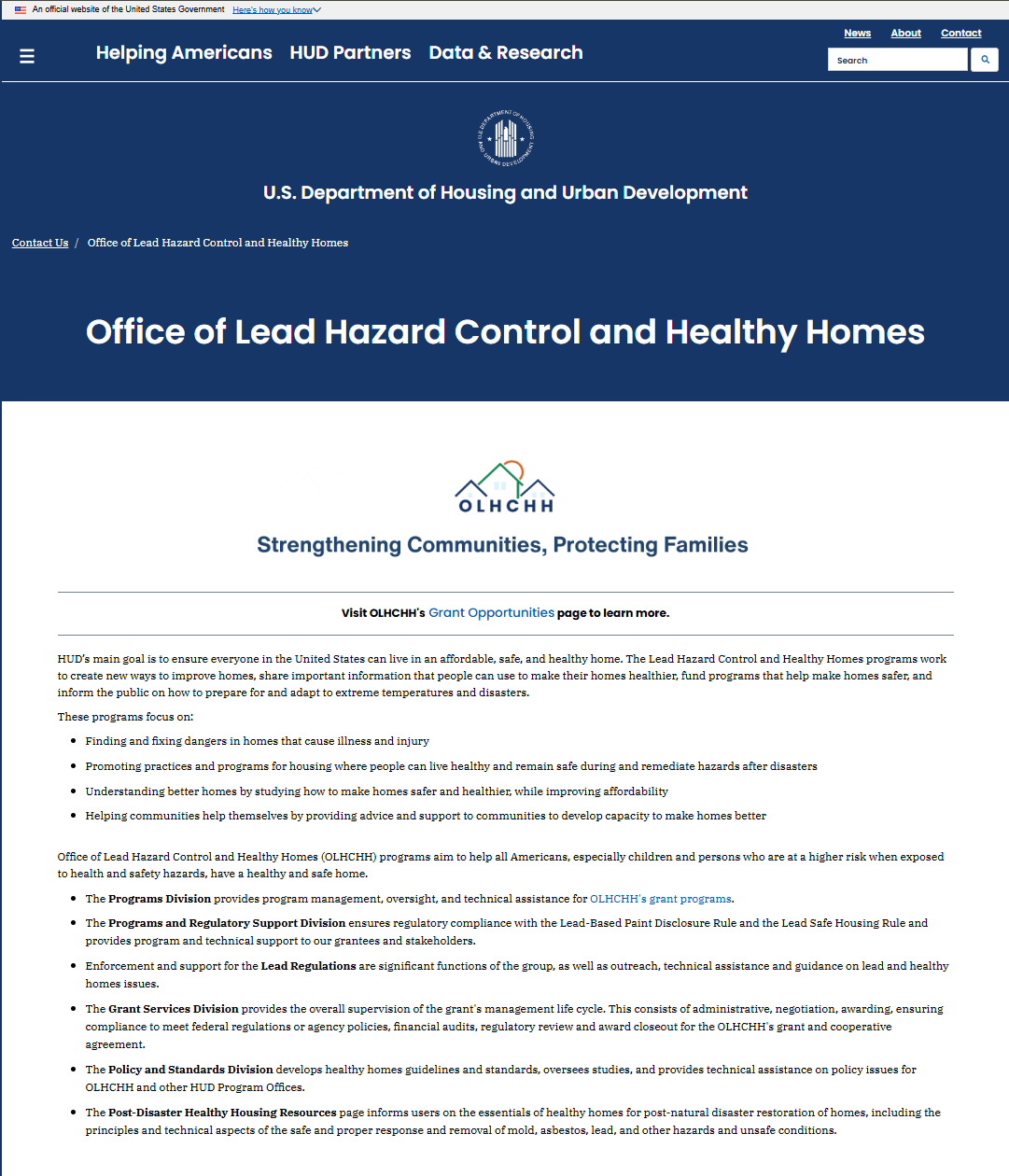
HUD's Healthy Homes resources are useful when a renovation is partly about making the home safer to live in. The topics are not glamorous: lead, moisture, pests, asthma triggers, falls, and household hazards. They matter anyway, especially in older homes or homes with children, older adults, or anyone that suffers from allergies.
A safer home may need better ventilation, drier walls, safer stairs, lead-safe work practices, or materials that are easier to clean. Those choices affect how the home feels to live in, even though they rarely show up in inspiration photos.
Home remodeling websites can help you sort your ideas, understand your home, and prepare better questions. A renovation still needs a realistic scope and a qualified contractor, plus a payment process that protects the work as it moves forward.
Block Renovation helps homeowners move from research to execution with more control. Block matches projects with vetted local contractors, helps compare scopes and quotes, and uses progress-based payments so funds are released as work advances. The support matters most at the handoff point, when research has to turn into decisions.
Construction will still produce surprises. A clear scope and a structured payment process make them easier to absorb.
Remodel with confidence through Block

Connect to vetted local contractors
We only work with top-tier, thoroughly vetted contractors

Get expert guidance
Our project planners offer expert advice, scope review, and ongoing support as needed

Enjoy peace of mind throughout your renovation
Secure payment system puts you in control and protects your remodel


Renovate confidently with Block
Easily compare quotes from top quality contractors, and get peace of mind with warranty & price protections.
Design
Bathtub to Shower Conversion: Cost, Ideas, Examples & More
08.11.2026
Design
Open Shelving Bathroom Design Ideas & Optimal Placement
08.08.2026

Design
Dining Room Dimensions: Minimums and Standard Sizing
08.07.2026
Design
Split Foyer Renovation: Ideas, Costs & What Pays Off
07.16.2026
Design
Wainscoting vs Board and Batten: How to Choose
07.06.2026