





.jpg?width=640&name=Block%20Renovation%20-%20Gerrit%20-%20May%2026%2c%2020231442%20(1).jpg)
Apartment and Condos
How Much Does It Cost to Renovate a 1000 Sq Ft Condo?
08.28.2026
06.26.2026



In This Article
A condo renovation runs into a set of rules a house renovation never has to think about. You own the space inside your unit. The building owns the structure around it, sets the schedule for when work can happen, and charges for the logistics of getting it done. A board usually has to approve the project, shared plumbing and structure limit what can move, and building requirements like freight elevators and restricted work hours add to what the job costs. So before you settle on a layout, the real first step is understanding what you're allowed to change, how long approval takes, and what the building adds to your budget.
Yes, you can remodel a condo, including the kitchen and bathrooms, as long as the work follows your building's rules and clears board or HOA approval. What you're allowed to change depends on whether the project touches shared systems like plumbing, structure, ventilation, or sound between units. Cosmetic updates rarely raise issues, while anything structural or shared takes more planning and sign-off.
In a house, the people affected by your renovation mostly live in it. In a condo, your project touches a shared building and the people who run it, which changes who has to say yes, when work can happen, and what shows up on the final invoice.
Design a Home That’s Uniquely Yours
Block can help you achieve your renovation goals and bring your dream remodel to life with price assurance and expert support.
Get Started
Before you fall for a layout, find out which parts of your unit are yours to alter. In most condos, the items that hold up the building or serve other units are off the table:
What you can change is still a lot. Finishes, cabinets, fixtures, lighting, and non-structural interior walls are usually fair game, and you can often relocate a sink or appliance within reach of the existing plumbing. The constraints rule out a few moves, but the look, the materials, and the layout within the walls you keep are still yours to decide.
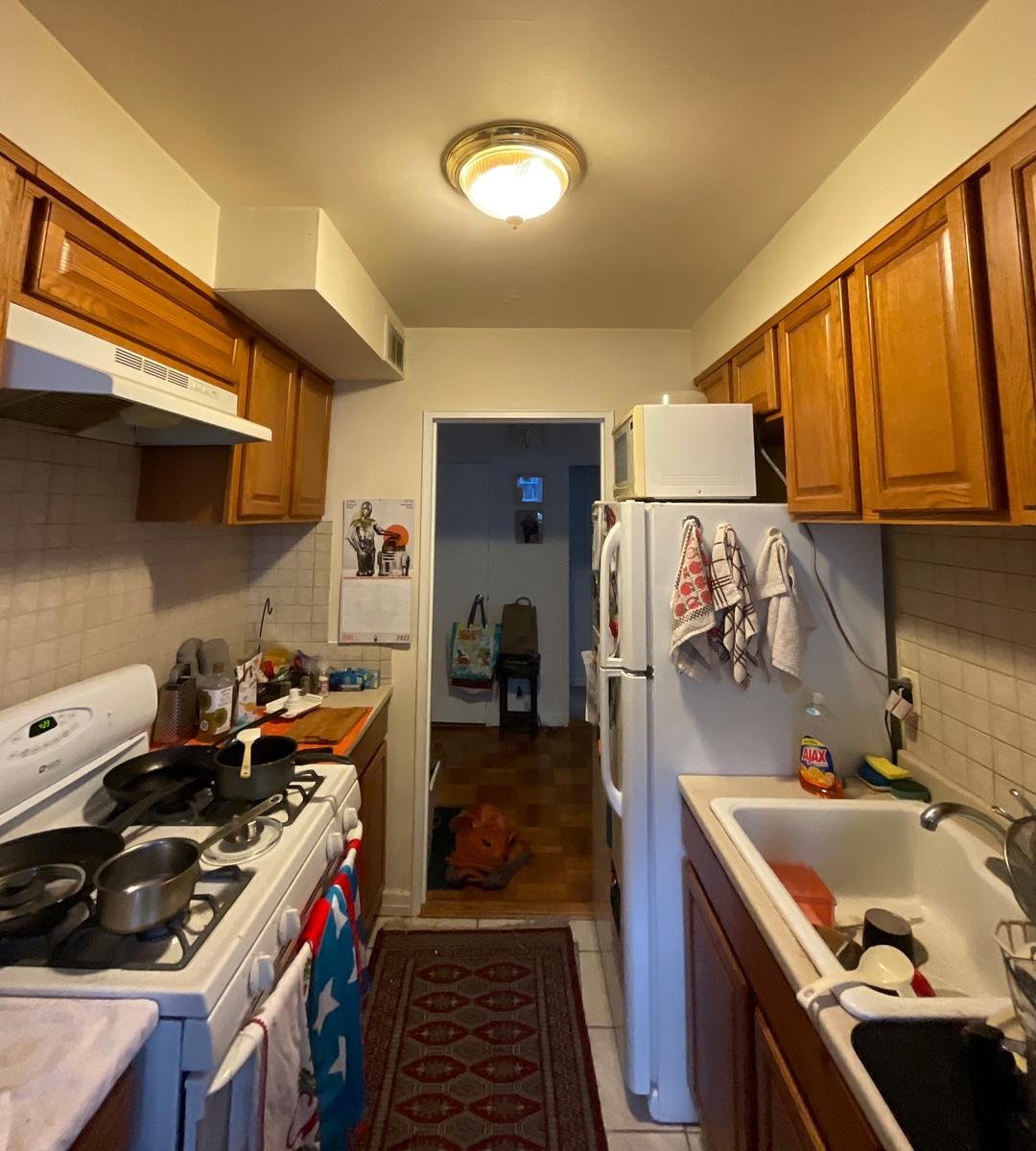
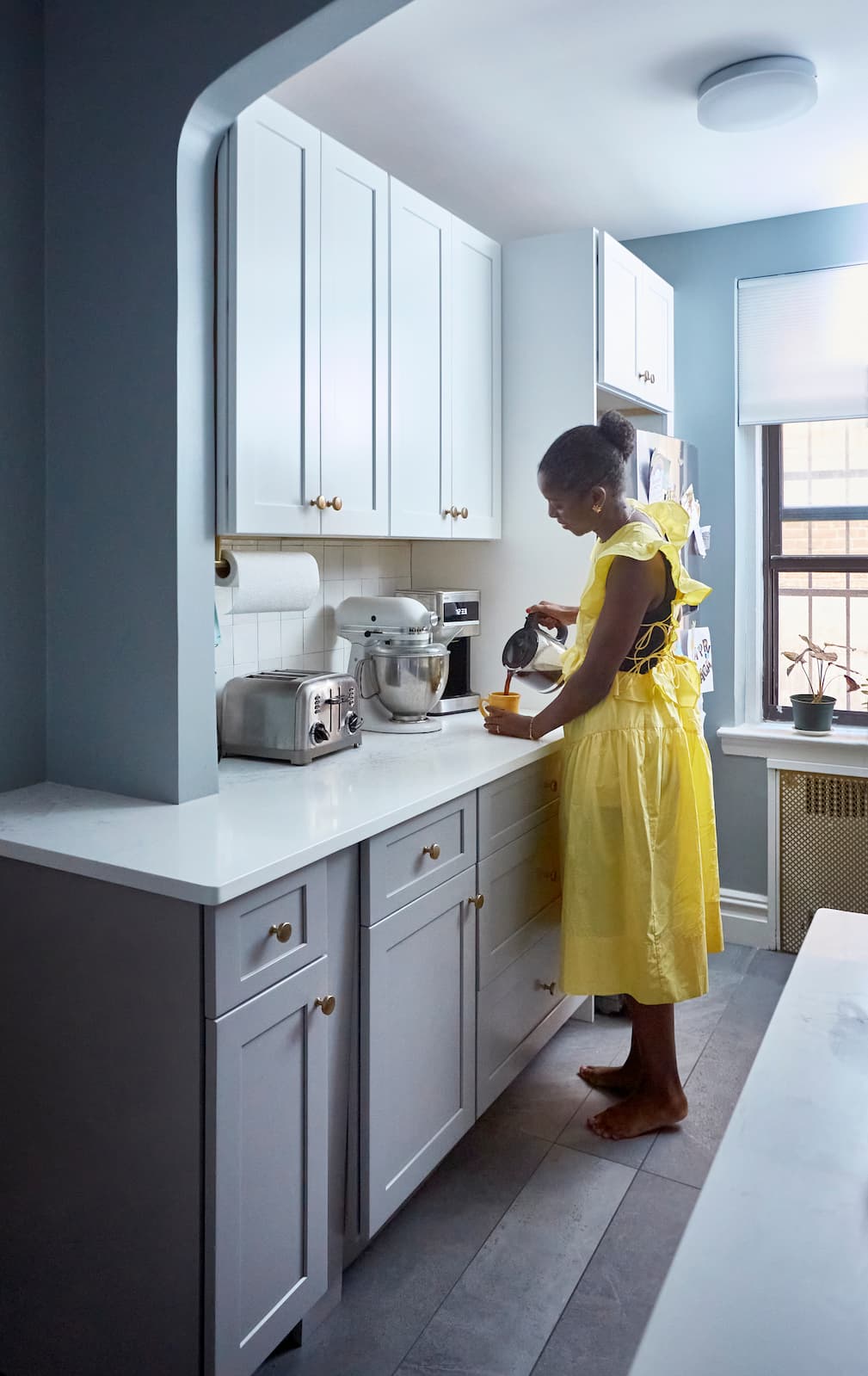
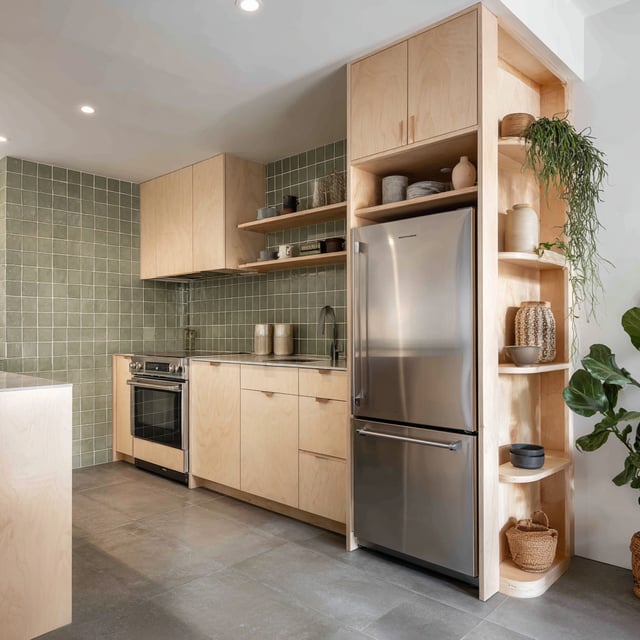
You don't have to change the footprint to completely change a space. Block Renovation contractors helped redo this New York condo kitchen on its original layout, swapping the cabinets, counters, and lighting so it feels like a different room with not a single wall moved.
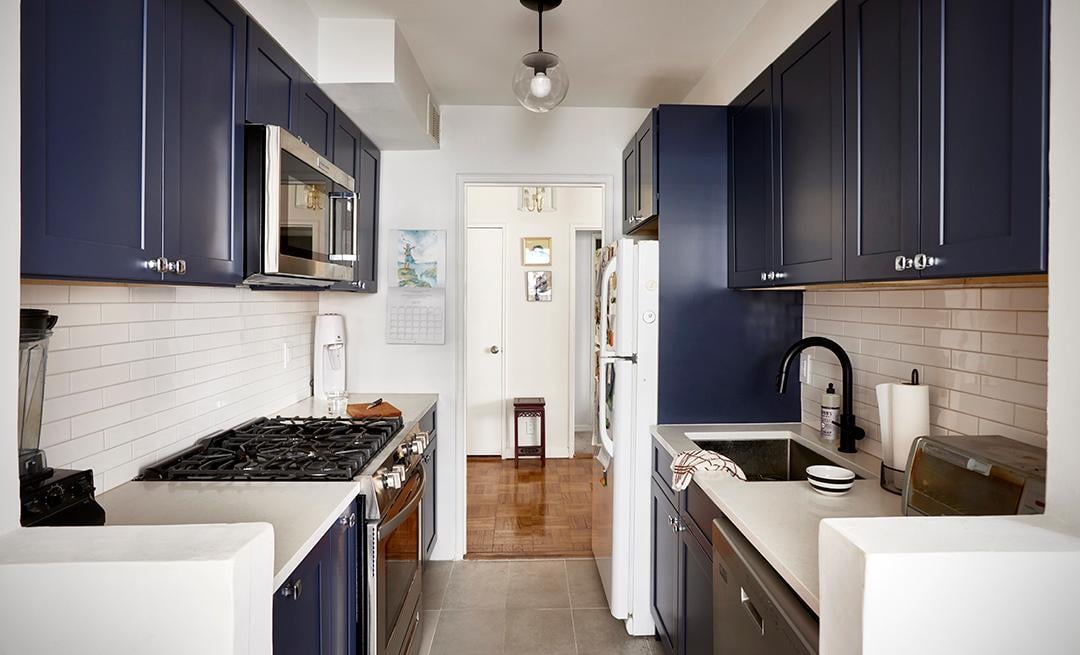
Good condo design stays in the background. It looks finished and easy to live in, which is the same quality that holds value when you sell. Sandra Daniels, a real estate agent serving East Cobb, Georgia, judges a renovation by what buyers feel the moment they walk in.

The best renovations are usually the ones buyers barely notice. They simply walk in and feel like the home is ready for them to move in and enjoy.
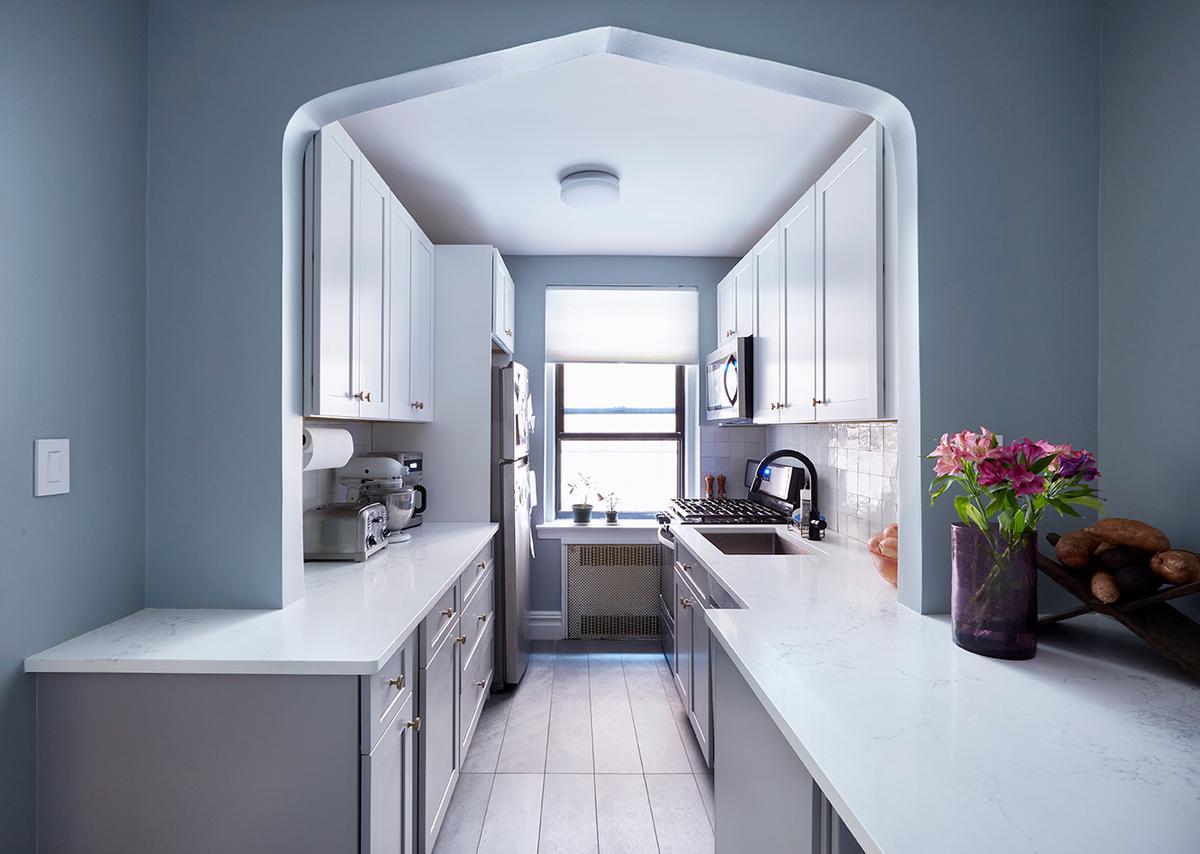
Open concept gets oversold in condos. The wall everyone wants gone is usually the one holding up the building or carrying a stack, so knocking it out is either impossible or wildly expensive. The better move is to open part of it. This Brooklyn condo cut a passthrough into the wall instead of removing it, which connects the kitchen to the living space and lets light cross between the two, with nothing structural touched.
When a kitchen is too narrow for cabinets on both sides, putting everything on one wall is the better call. A one-wall layout keeps this Sunnyside kitchen on a single run, which leaves the opposite side clear for a walkway, a slim table, or the open floor a galley version wouldn't allow.
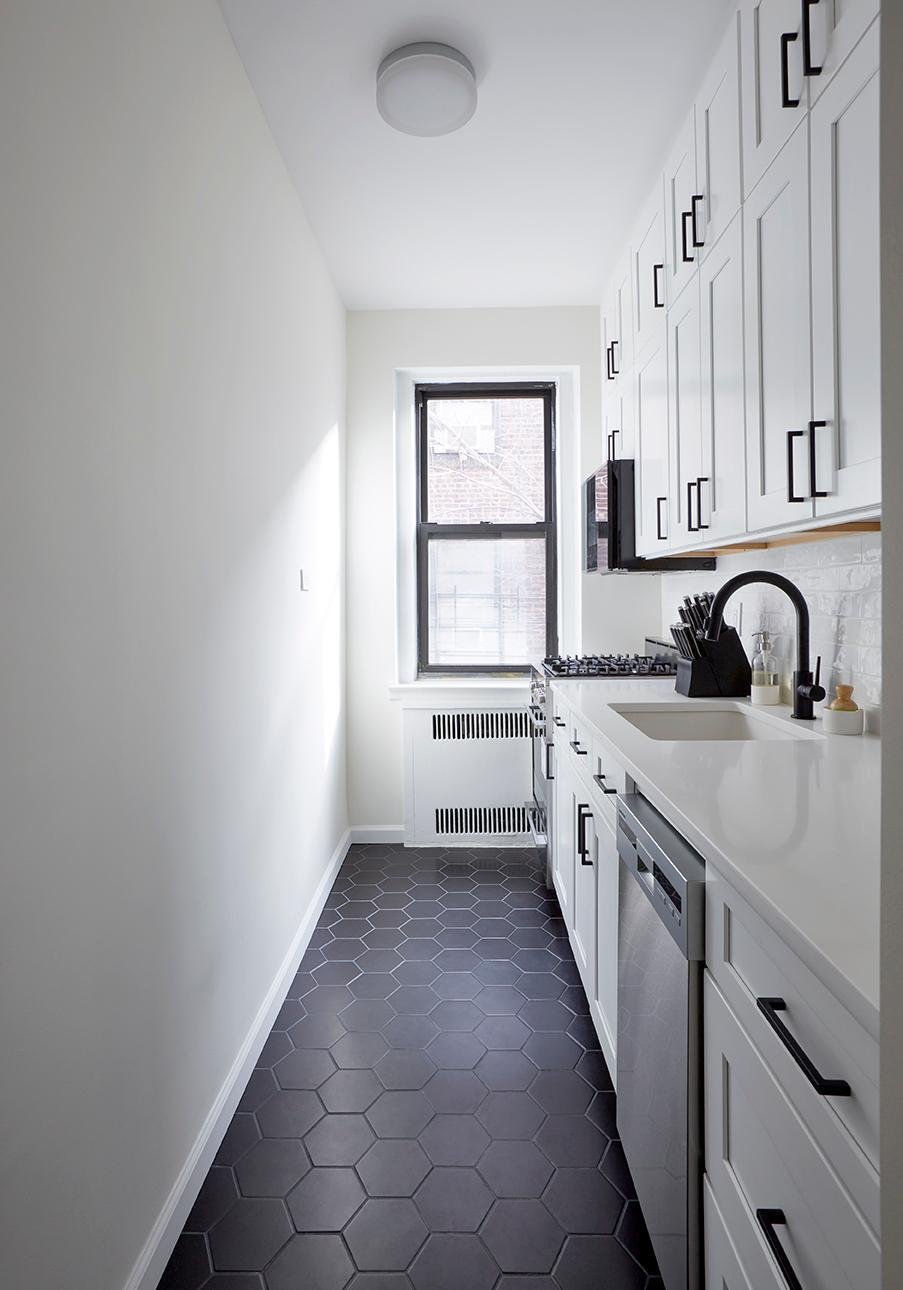
Light does as much as layout in these kitchens, especially the ones with one window or none. Under-cabinet fixtures, a pale backsplash, and a reflective counter spread what light there is, so a narrow run doesn't feel like a corridor. For a kitchen-only project, the guide to condo kitchen remodel costs and design ideas goes deeper on materials and budgets.
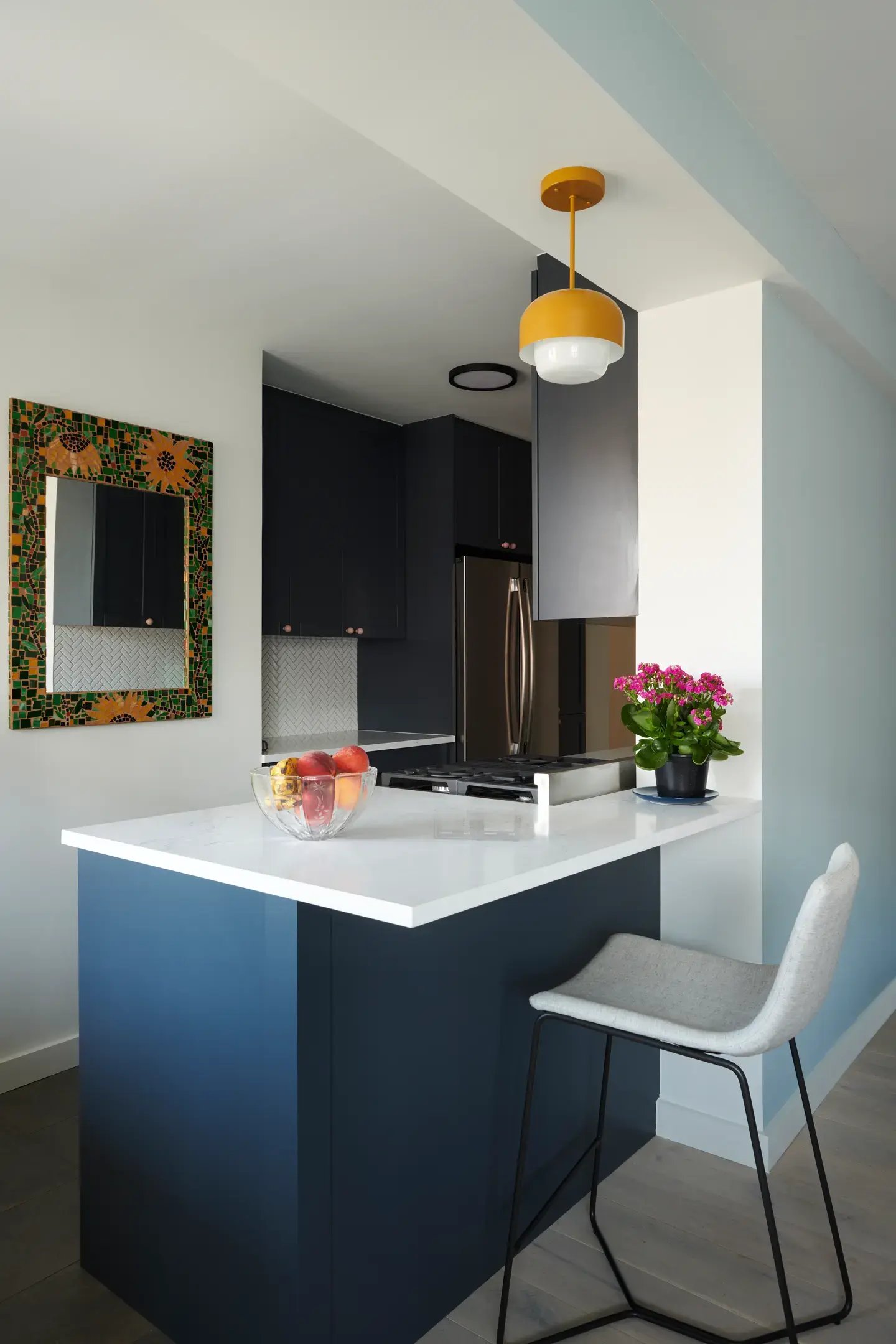
Most condo kitchens have nowhere to put a table. A peninsula answers that without a separate dining area. This homeowner extended the counter into a short run with an overhang, which added a spot to eat and prep without giving up a wall or a walkway.
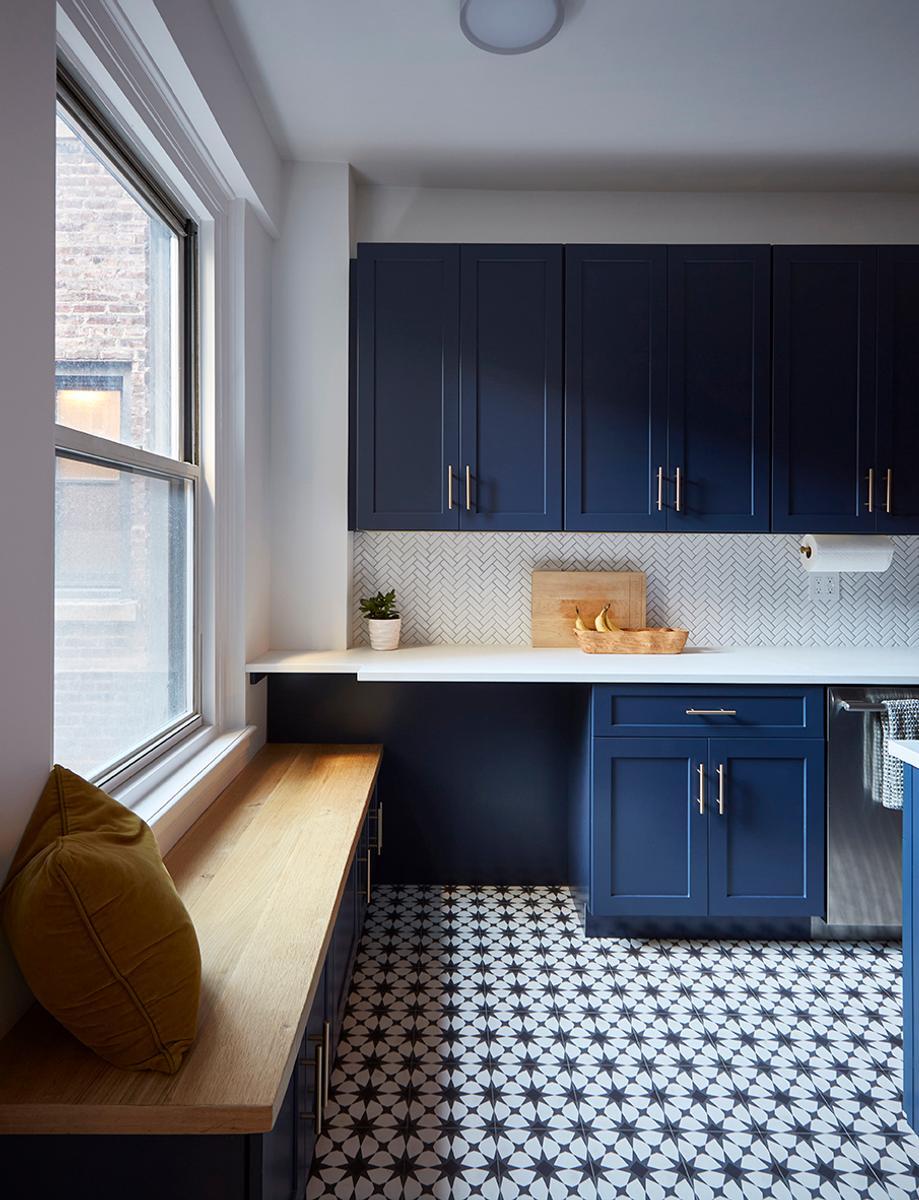
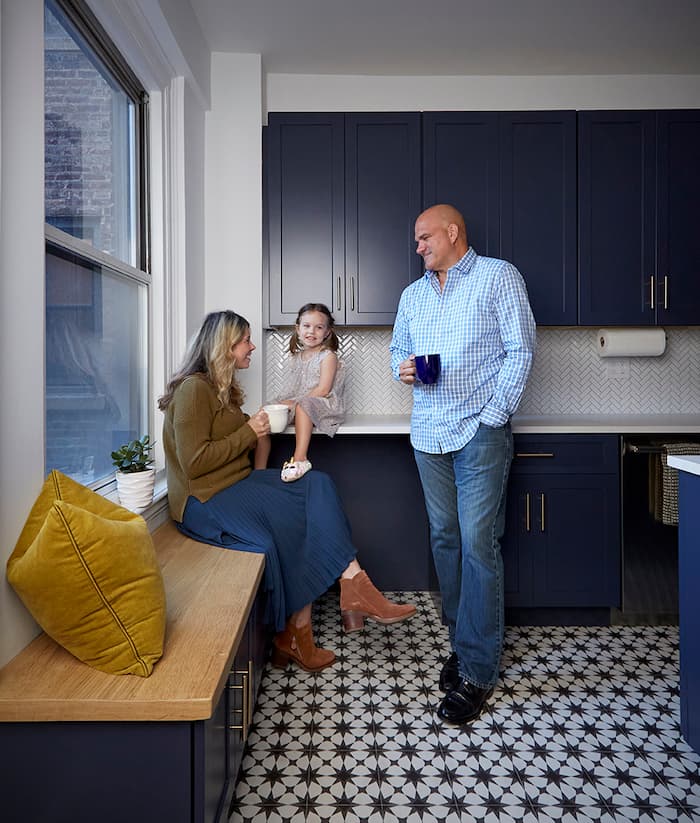
Storage is the other thing condos never have enough of, and the best place to find it is space already going unused. One New York kitchen built a bench into the spot under the window, turning a dead corner into seating with storage underneath.
When customizing built-in elements, be mindful of the fact that not every prospective condo buyer would want to use the same space in the same way as you. The more dramatic and unique the remodel, the more you may alienate the broader market, a point real estate expert Maria Gallucci shared.

I once saw a homeowner convert multiple functional spaces into one highly customized room that fit their personal lifestyle but eliminated flexibility for future buyers. What worked perfectly for them made it difficult for buyers to imagine living there. The home stayed on the market longer because buyers were calculating the cost of reversing those changes.
A small bathroom is the one room where a tight footprint works in your favor. With less square footage to cover, the tile or stone you want costs less to install across the whole space, so it's the room to spend on materials rather than hold back.
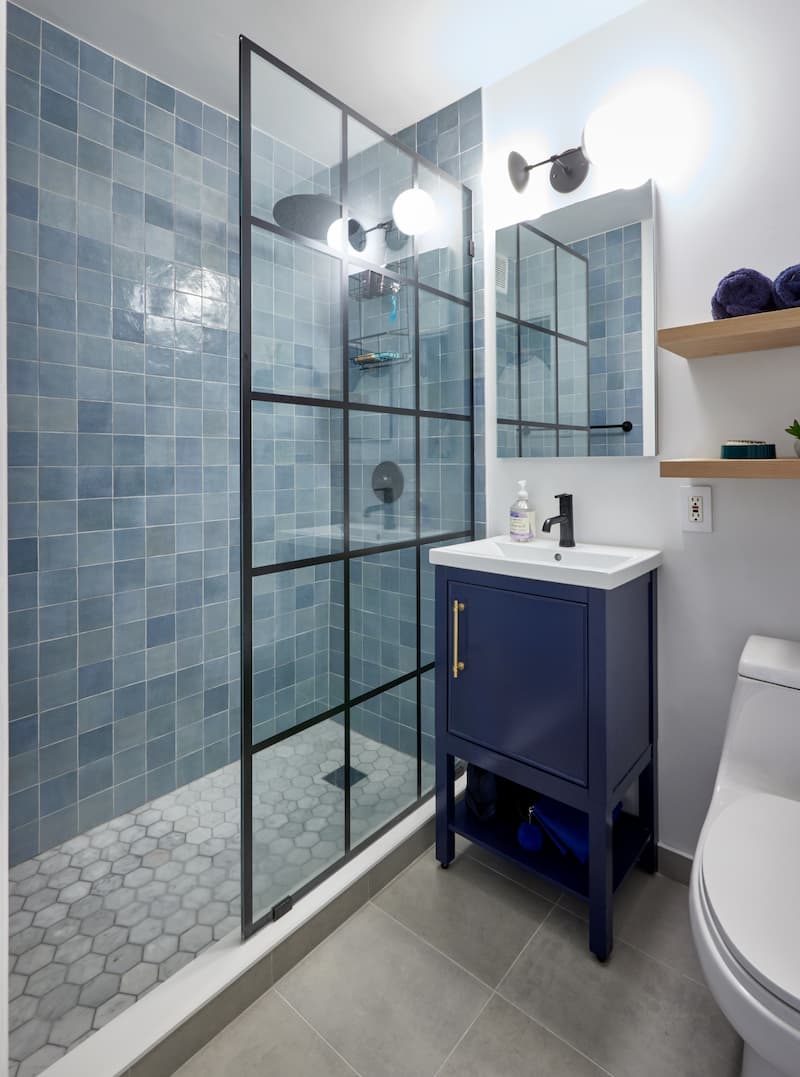
Pattern is the one thing to use sparingly here. In a bathroom this size, one accent goes further than a busy scheme. This Brooklyn bathroom, renovated through Block, keeps its walls plain white subway tile and saves the patterned tile for the shower niche, so the pattern stays a deliberate accent instead of taking over the room.
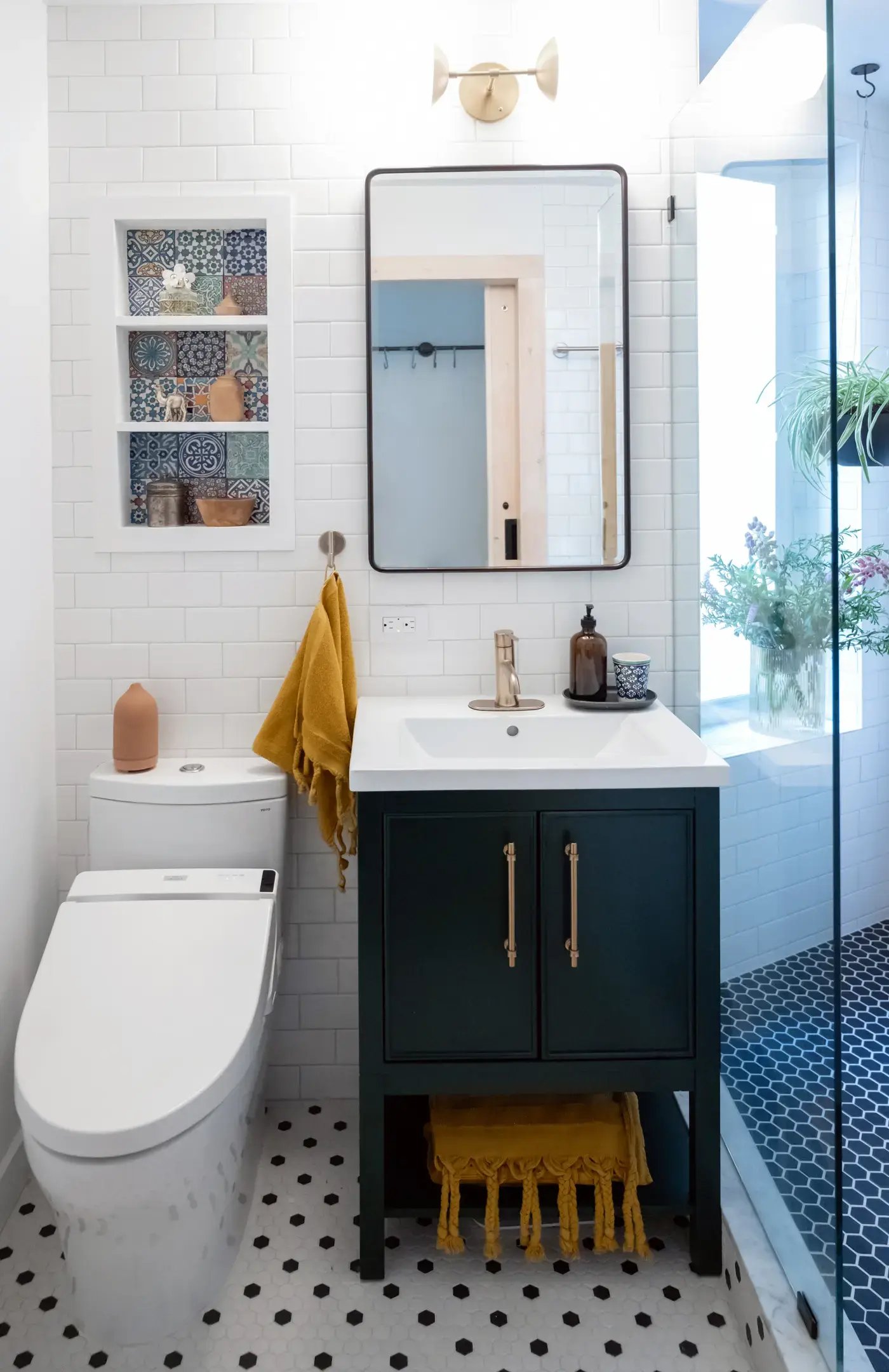
In a small bathroom, the layout does more for how open it feels than any finish you choose. A glass shower enclosure, for example, keeps the sightline running across the room, so the space feels less boxed in than it would behind a curtain or a framed door. And because many condo bathrooms sit in the interior of the unit with no window, a properly sized exhaust fan is what keeps moisture and odor from building up over time.
Flooring is rarely just a design choice in a condo. Many buildings require a minimum sound rating for new floors, often written into the alteration agreement, to keep noise from reaching the unit below.
Buildings commonly set a target for two measures:
Meeting the requirement usually means adding an acoustic underlayment beneath tile, wood, or laminate, which adds a small cost and raises the finished floor height. Check your building's number before you choose a material, since some floors need more buildup than others to pass.
Transparent Pricing You Can Trust

The board is the biggest variable in your whole timeline, and approval routinely takes longer than the renovation it covers. File your application early, and treat that calendar as the thing your project actually runs on.
Condos and co-ops aren't reviewed the same way. A condo board's review mostly protects the building and your neighbors. A co-op board has more say, because you own shares in the building's corporation, not the unit itself. Co-op approval is the stricter of the two, so confirm which structure you're in before you build a timeline around it.
Most condos and co-ops require an alteration agreement. It's a contract between you and the building that spells out what you can do, what insurance you need, and how the work gets supervised. The board reviews your plans, and in many buildings it has to approve your contractor too, not just your design.
A complete application usually includes stamped plans, your contractor's license and insurance, a certificate of insurance naming the building, and the signed agreement. Miss any one and the package comes back.
Rules vary widely by city and building. New York is among the strictest, and the guide to the NYC condo and co-op board approval process shows how detailed an application can get.
Boards often meet only once a month, and the calendar matters. Submit your package two days after a meeting and it can sit for almost a month before anyone looks at it, so find out when the board meets before you file.
A rough sequence for a kitchen or bath looks like this:
Permits are separate from board approval. Depending on the scope and your city, your contractor may need to pull permits with the local buildings department, which runs on its own clock.
A condo renovation costs what any renovation costs, plus a layer of building-specific charges most people never see coming. Those charges are the real reason condo budgets run over, more than any finish you choose.
As a rough starting point, a condo bathroom often runs $15,000 to $35,000. A condo kitchen runs $25,000 to $60,000 or more. Where you land depends on finishes, layout changes, and your market. Full-unit renovations climb from there.
The charges that push condo costs up include:
Set aside a contingency on top of the estimate. Even a well-planned renovation runs into surprises like outdated wiring or a stack that needs repair; 10 to 20% of the budget held in reserve keeps one surprise from stalling the whole job. On a $30,000 kitchen, that's $3,000 to $6,000.
The high end is mostly about moving plumbing within the allowed area, custom cabinetry, and stone or imported tile. Leave the layout alone and choose mid-range finishes, and you stay near the bottom of the range.
Costs also swing by region. A look at Florida condo renovation costs shows how much local labor and material pricing can move the number. The same is true elsewhere:
A contractor who has done condo work before can price most of this in from the start, instead of running into it mid-job.
You can usually stay in your condo during a kitchen or bath renovation, though it depends on the scope and your tolerance for dust and noise. A full-unit gut is much harder to live through than a single bathroom.
A few realities to plan for:
If the project is large or you work from home, budget for a few weeks elsewhere. A few weeks away often costs less than living on top of the work, and a contractor who keeps you in the loop makes the decision easier.
A great contractor for a suburban kitchen isn't automatically a great contractor for your condo. Building work adds requirements that have nothing to do with carpentry, and a crew that hasn't dealt with them can lose days to paperwork and protocol.
Beyond the usual checks, ask condo-specific questions:
Never settle for fewer than three quotes, and compare the scopes line by line rather than the bottom-line numbers. The clearest picture of where your money is going matters more than the lowest bid, especially when a missing line item becomes a change order later.
A good contractor will want a site visit before quoting, not just a set of measurements. Walking the unit is how they catch the conditions that drive change orders later, like an old stack behind a wall or a floor that won't meet the building's sound rule without extra buildup.
Watch for a few warning signs while you compare. A bid far below the others usually points to a gap in the scope rather than a better deal. Vague line items, no mention of building requirements, and reluctance to share references or a certificate of insurance are all reasons to keep looking.
The hardest part of a condo renovation is finding a condo renovation contractor who can do the work and handle the building. Block matches you with vetted local contractors who already work in condos, then has them compete for your project, each quoting against a detailed scope. Block experts review that scope to catch missing line items and red flags before they turn into change orders.
Payments run on a secure, progress-based system: funds release as approved milestones are completed, which keeps the contractor on schedule. Every contractor in the network also backs the job with a one-year workmanship warranty.
Remodel with confidence through Block

Connect to vetted local contractors
We only work with top-tier, thoroughly vetted contractors

Get expert guidance
Our project planners offer expert advice, scope review, and ongoing support as needed
Enjoy peace of mind throughout your renovation
Secure payment system puts you in control and protects your remodel

Renovate confidently with Block
Easily compare quotes from top quality contractors, and get peace of mind with warranty & price protections.
Apartment and Condos
How Much Does It Cost to Renovate a 1000 Sq Ft Condo?
08.28.2026
Apartment and Condos
Condo Renovation Contractor, Costs & Design
06.26.2026
Apartment and Condos
Apartment Soundproofing: How to Reduce Noise at Home
06.25.2026
Apartment and Condos
800 Square Foot Floor Plans: How to Lay Out a Small Apartment
06.17.2026
Apartment and Condos
Studio Apartment Floor Plans to Maximize Functionality
05.28.2026