






Countertops
What Color Countertops Go With Oak Cabinets?
09.01.2026
06.24.2026


In This Article
The cabinets are the first thing you see when you walk into your kitchen. They cover more wall than anything else, so they set the look of the room more than the counters or the appliances do. That also makes them the most expensive thing to get wrong. The cost can swing from a few thousand dollars to $40,000, depending on what you change and whether the boxes behind the doors can stay. Choosing the right kitchen cabinets comes down to those two questions: what you want the room to do, and what is behind the doors you already have.
Every cabinet is two parts: the boxes bolted to your walls and floor, and the fronts you see and touch, meaning the doors and drawer faces. Swapping only the fronts, which is what refacing does, changes how the kitchen looks while leaving the layout, the storage, and the box quality exactly as they were. That one fact settles most cabinet decisions, because the goals that send people shopping, like a more modern look, more light, a calmer wall, or a higher-end feel, almost all live in the fronts and the hardware. Refacing delivers them for 30 to 50% less than a full replacement, usually $4,000 to $9,000 against $12,000 to $35,000 for new cabinets in a full kitchen.
That cost gap matters most when resale is driving the project. A mid-range major kitchen remodel returns under half its cost at resale, according to Remodeling's Cost vs. Value Report. So $40,000 of new cabinetry rarely comes back in the sale price, while refacing returns more as a ratio. The exception is a kitchen whose cabinets are visibly failing or badly dated, which can stall a sale on its own and justify the larger spend.
We asked Mel Stutzman, owner of Countryside Amish Furniture and a former cabinet maker, what homeowners most often get wrong when they choose cabinets.

"Most people pick a kitchen by the door and never look at the box, which is backwards. The door is the easiest thing to change and the cheapest thing to fake. The box, the joinery, the drawer slides, that's what you're still living with in twenty years, and that's where I'd put my money."
A quick test: are the boxes sound, does the layout work, and is your goal only about appearance? Three yeses point to new fronts. Any answer that touches layout, storage, or box condition points to new cabinets. The hard part is box condition, which you can't tell from a phone photo. A contractor checks that in person. Block Renovation matches homeowners with vetted local contractors who can inspect what you have on site and price the path that actually fits the goal.
Design a Home That’s Uniquely Yours
Block can help you achieve your renovation goals and bring your dream remodel to life with price assurance and expert support.
Get Started
Start from what you want, not the catalog. Each section below covers a common goal and whether the fix is doors-only or new boxes. Most of how to select kitchen cabinets is just matching that fix to the goal.
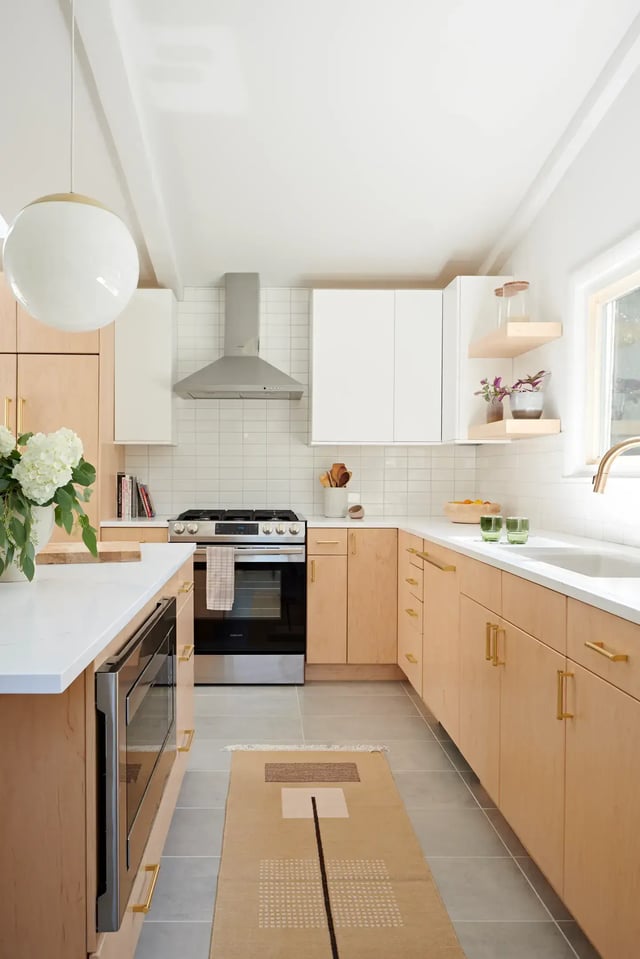
Modern is mostly a door-and-hardware decision, which puts it on the refacing side of the line above. The biggest lever is the door profile. Flat-panel and slab doors, with no raised center or applied molding, are the shape most people associate with a current, contemporary kitchen.
Shaker doors still fill showrooms and remain a safe, popular choice, but their framed profile looks transitional more than modern. If a clean, current look is the actual goal, slab or flat-panel gets you closer.
A few features work against a modern look: raised-panel doors, glass mullions, and heavy applied molding. If those sit on your current doors, a front swap removes them without touching the boxes.
The standard advice is to paint everything light, and it holds up to a point. Light, reflective fronts bounce more light and push the walls back a little, which helps a small kitchen feel more open. The effect is real but small.
The stronger lever is how much cabinet the eye has to absorb. A wall packed with upper cabinets feels heavier than the same wall with a few uppers traded for open shelves or glass fronts. Keeping the cabinet color close to the wall color does more than a bright white alone, because there are fewer hard breaks across the room.
Light finishes carry a cost: they show fingerprints, splatter, and wear sooner than darker fronts, so they need more wiping. That is worth knowing before you commit a small, busy kitchen to high-gloss white.
Storage is the goal most likely to push you toward new cabinets, because the fixes are in the boxes rather than the fronts. You can change every door in the kitchen and still have the same cramped corner and the same deep, dark base cabinet you have to crouch into.
Most of these need new boxes, or at least new interiors, so price them as part of a replacement or a hybrid, where you keep the sound cabinets and replace only the ones in the way.
Light moves through a kitchen better when the cabinets stop absorbing it. Lighter finishes on the uppers, where most of the eye-level cabinet mass sits, make the biggest difference. Glass-front or open uppers let light pass instead of stopping at a solid door, and integrated under-cabinet lighting removes the shadow line that makes a counter feel dim.
Glossier surfaces bounce light where you want it, while matte finishes cut glare. The room's actual light decides it. A finish that looks bright in a showroom can fall flat under a north-facing window.
A custom, built-in feel comes from a few specific moves. Some need new cabinets, and others ride along with a front swap. Full-overlay or inset doors, where the gaps around each door are tight and even, look more custom than the wide reveals of a builder-grade cabinet.
Inset doors and panel-ready fronts usually mean new cabinets. Better hardware and finishes can come with refacing.
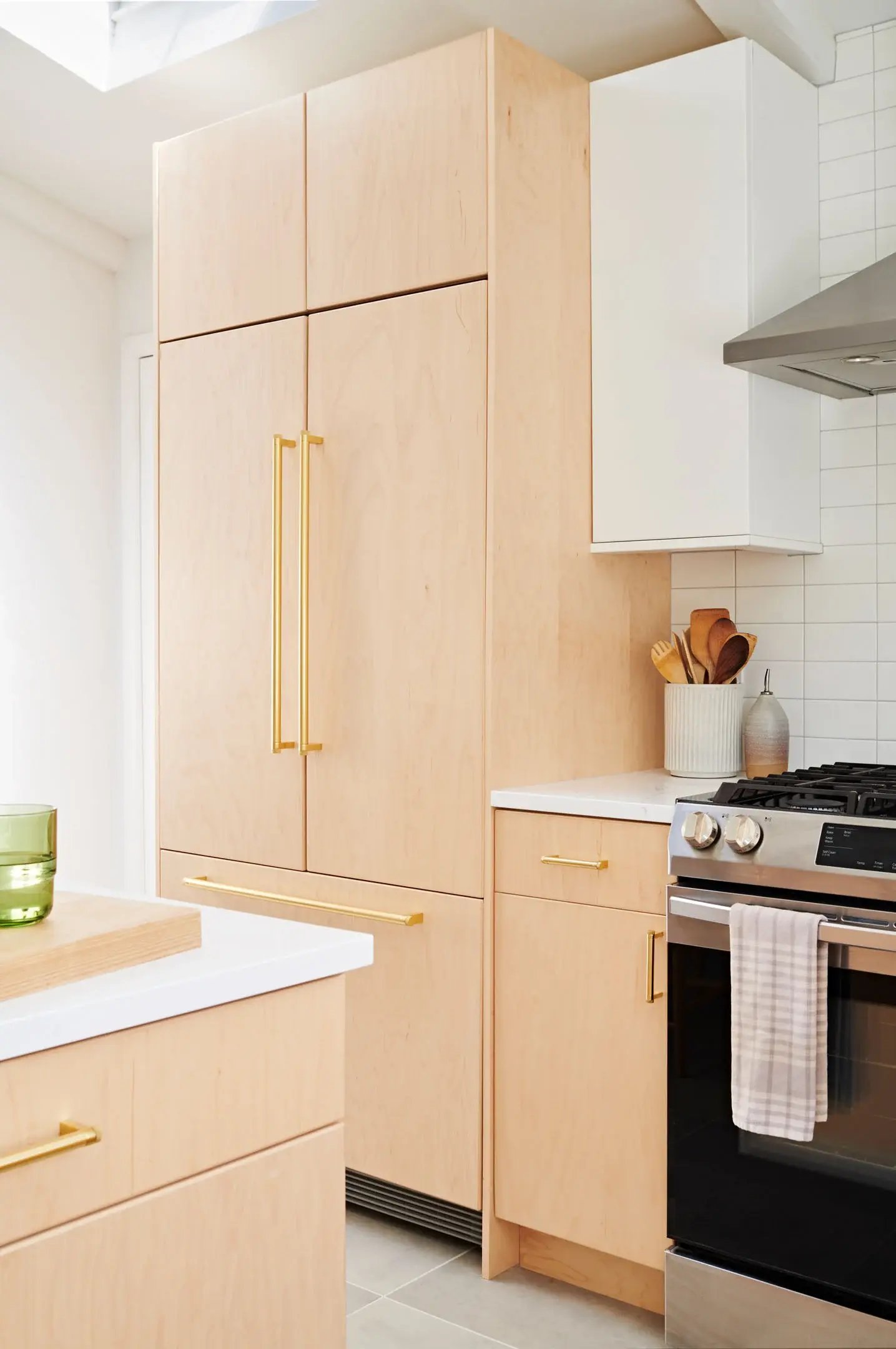
Your kitchen's decor lives mostly in the door style and the finish, which is why matching cabinets to a look is usually a fronts decision rather than a full rebuild. The table below pairs common kitchen styles with the cabinet choices that carry them.
|
Design theme |
Cabinet style and doors |
Finish and hardware |
|
Modern and contemporary |
Flat-panel or slab doors, full-overlay or frameless |
Matte finishes, warm wood or muted solids, handleless or integrated pulls |
|
Transitional |
Slim shaker doors with simple lines |
Soft neutrals like greige or warm white, slim bar pulls |
|
Updated farmhouse |
Shaker or slim shaker, often two-tone |
Painted fronts with a wood accent, matte black or aged brass hardware |
|
Traditional |
Raised-panel or inset doors with detail |
Classic stains or creams, decorative knobs and visible molding |
|
Scandinavian and minimalist |
Flat-panel in pale wood or white |
Smooth low-sheen surfaces, minimal or hidden hardware |
|
Coastal |
Painted shaker with glass-front uppers |
Whites and soft blues, brushed nickel or chrome |
|
Industrial |
Flat slab mixed with open shelving |
Dark or metal-look finishes, matte black hardware |
Most of these changes ride on the doors and the finish, so shifting your decor usually means refacing rather than new boxes, unless the new look also comes with a new layout.
Once you know what you want the kitchen to do, the next move is someone who can look at your actual cabinets and tell you whether new fronts get you there or whether the boxes have to go. That call is hard to make from photos, and getting it wrong is expensive in both directions: refacing boxes that should have been replaced, or replacing boxes that were fine. Block matches you with vetted local contractors who inspect what you have in person and compete for the work with detailed, expert-reviewed scopes. You pay as each stage gets approved, rather than handing money over up front. Tell Block what you are after and start comparing real quotes from contractors who have already been vetted for the job.
Remodel with confidence through Block
Connect to vetted local contractors
We only work with top-tier, thoroughly vetted contractors

Get expert guidance
Our project planners offer expert advice, scope review, and ongoing support as needed
Enjoy peace of mind throughout your renovation
Secure payment system puts you in control and protects your remodel

Renovate confidently with Block
Easily compare quotes from top quality contractors, and get peace of mind with warranty & price protections.
Countertops
What Color Countertops Go With Oak Cabinets?
09.01.2026
Countertops
Walnut Cabinets With White Countertops
08.24.2026
Cabinets
Blue Cabinets With Black Countertops
08.19.2026
Countertops
What Color Cabinets Go With Black Granite Countertops?
08.16.2026
Countertops
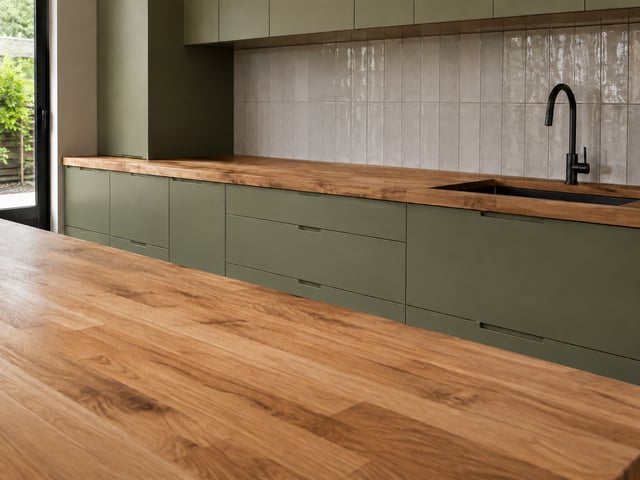
Green Cabinets With Butcher Block: 12 Design Ideas
08.10.2026