




Tile
Made in USA Tiles: 15 Brands to Love
07.11.2026
07.11.2026


In This Article
You have found the layout and settled on a grout color, and now every sample board in front of you seems to lead back to the same overseas factories. The makers below are the alternative: smaller American studios that still press, glaze, and fire tile in the United States, most of them to order, many with a signature look you cannot buy anywhere else.
These 15 range from a 120-year-old pottery to husband-and-wife studios that started in a garage. Every US tile brand here manufactures its tile on home soil, which is the distinction most people are after when they search for Made in USA tile. They are sorted into three groups: modern color-driven makers, art tile studios, and restoration specialists who reproduce historic tile no factory still runs. A quick word on the label first.
Every studio in this guide manufactures its own tile in a US facility. For most shoppers, that is the distinction that matters against imported tile.
An unqualified "Made in USA" claim is a higher bar. The FTC's Made in USA standard asks that a product be "all or virtually all" made in the United States, which can turn on the clay body, glaze materials, and pigments, not only on where the tile is pressed and fired. If you need that claim for procurement, compliance, or resale, confirm the specifics with the maker first.
The label also gets murkier with the big recognizable names. Most tile installed in the country is imported, and several well-known American brands are really design and distribution companies whose tile is fired in Italy, Spain, or China. A few large domestic names, including Daltile, American Olean, and Marazzi USA, run US plants and import at the same time, so their origin sits at the collection level, not the brand level. Check the country of origin on the specific series before you assume it is domestic. With a dedicated US tile brand like the studios below, origin is more straightforward, though the same materials nuance can apply.
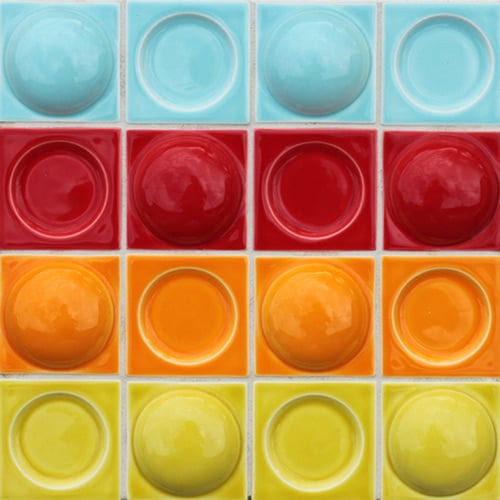
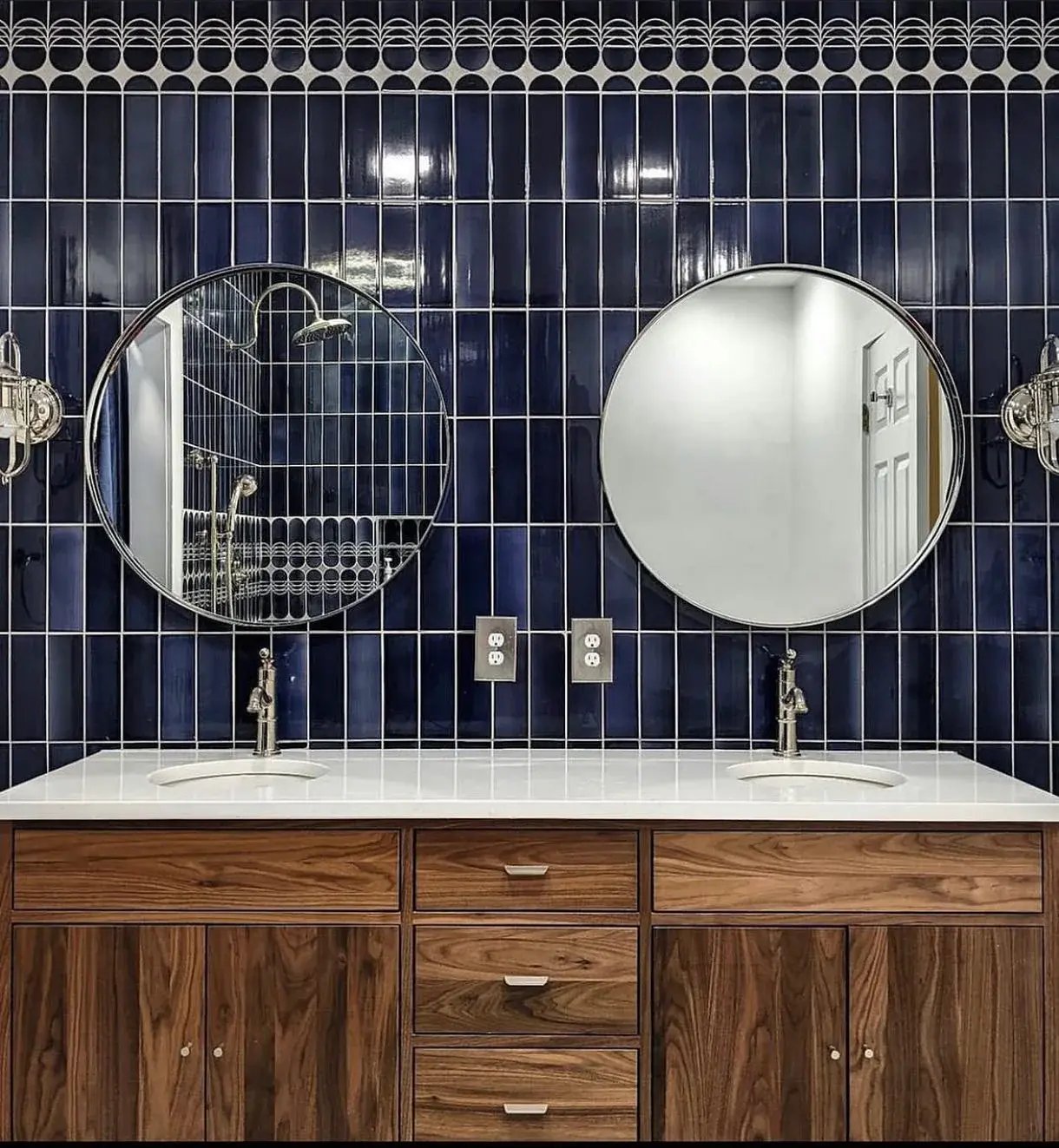
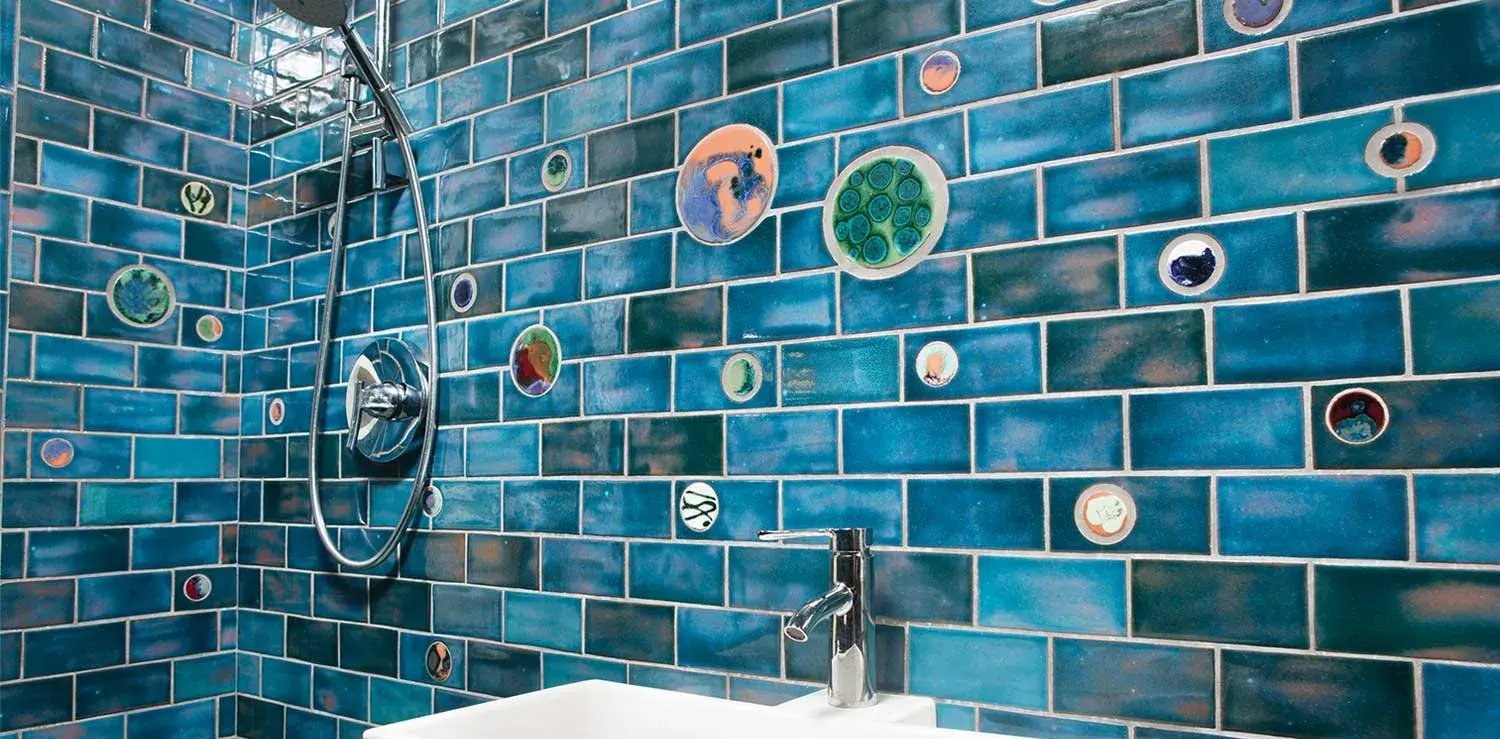
Portland, Oregon. Color drives the catalog at Clayhaus, roughly 76 gloss and 24 matte glazes mixed in-house against 1960s and 70s Italian references, across a graphic, mid-century range that includes a Cassette deco cast from an actual tape. Jason Coleman grew up in a family of ceramicists and spent years at Pratt + Larson before he and his wife Megan started the studio in 2010 in a 400-square-foot garage.
The name comes from the Bauhaus, and the tile has landed everywhere from a Times Square subway station to home backsplashes. It has one practical edge over most handmade tile. The glazes repeat consistently from batch to batch, so the sample you approve is the order you receive.
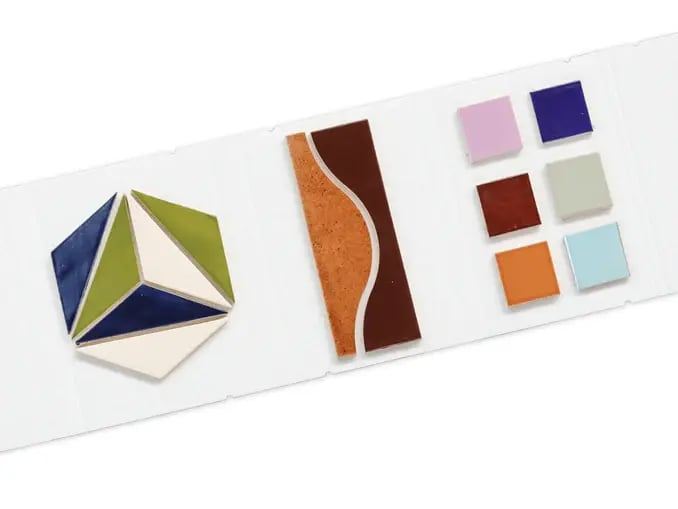
Minneapolis, Minnesota. If you want handmade character without a slow, piece-by-piece install, this is the studio built for it. Mercedes Austin's signature contribution was mesh-mounting handmade tile on sheets so it sets almost as fast as machine-made, an approach she helped popularize. She founded Mercury Mosaics in 2002, funding her first kiln with a tax refund and a sold-off CD collection after learning the craft at Clay Squared across town. Her team of around 40 now hand-cuts, glazes, and fires in the Northeast Minneapolis Arts District, and the company is a Certified Women's Business Enterprise. Clients have included Disney and Lululemon, and the studio's Minnesota-landscape murals at the Minneapolis-St. Paul airport were named "America's Best Bathroom."
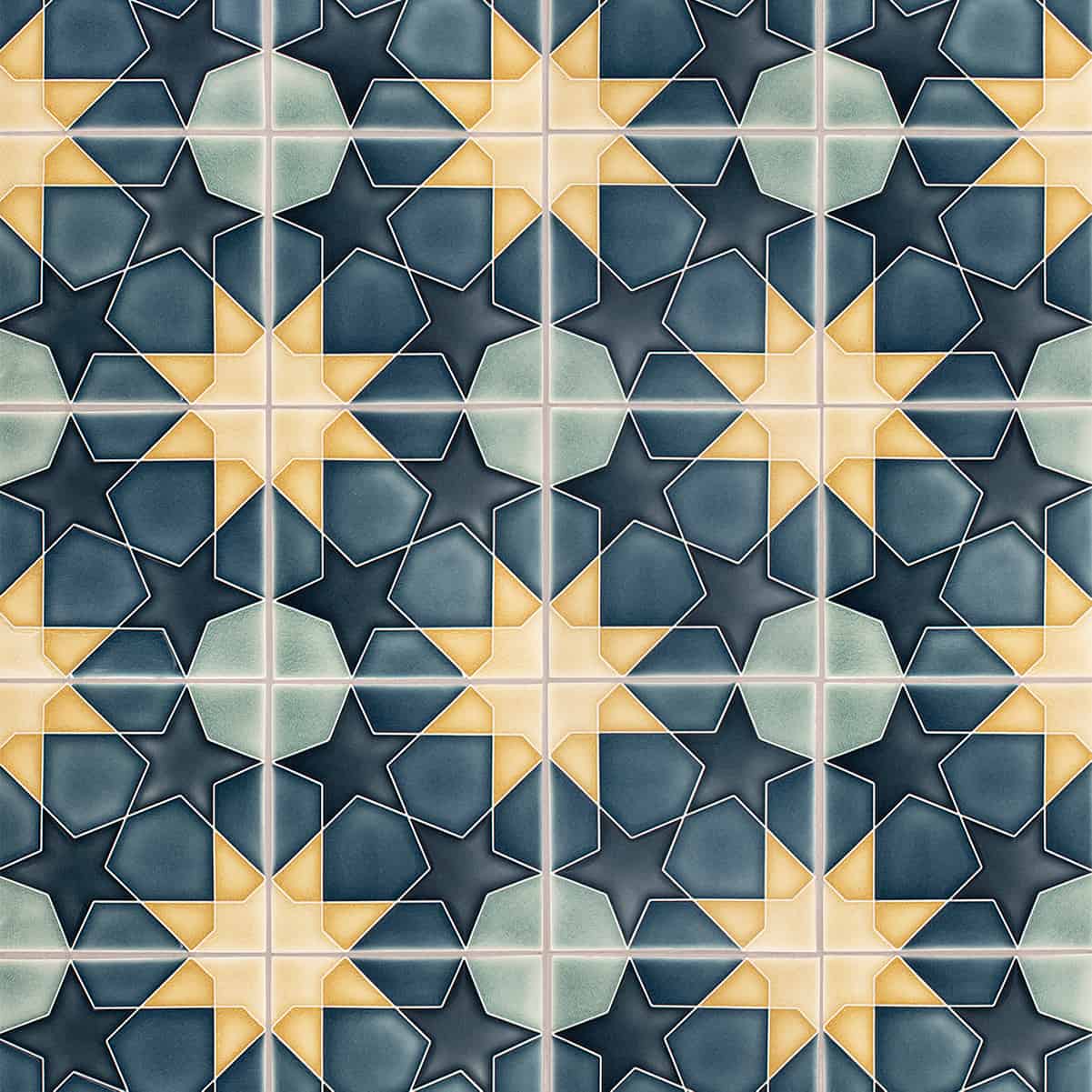
Portland, Oregon. Pratt + Larson is one of the largest handmade tilemakers in the country, with more than 300 glaze colors, over a dozen style lines, several field textures, and matching trim, so a full installation can come from a single maker. Michael Pratt and Reta Larson founded it in 1982 and are credited with helping revive American art tile, and longtime employees Belle Iskowitz and Anthony Asch bought the company in 2017. Designer Emily Henderson built a farmhouse tile partnership around the line, and a fern-and-flower mosaic of its making covers a wall at the Portland airport.
Aromas, California. This is the tile world's sustainability standard-bearer, the first tile company to become a certified B Corp, and now employee-owned. Paul Burns founded Fireclay in 1986 on a family tile tradition that dates to the 1920s, and the company makes all of its ceramic tile, glazed thin brick, and glass at California and Washington facilities, most of it to order, with heavy recycled content and offset carbon.
Its commercial work reaches Whole Foods, Starbucks, and Google. Because Fireclay has scaled while staying domestic, it is one of the easier artisan makers to order from online, guiding you from free samples through installation.
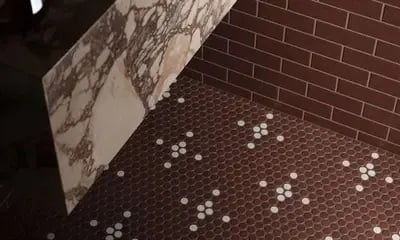
Nashville, Tennessee. Lindsay Sheets grew up the daughter of two architects, in a house that was always mid-remodel, and that upbringing turned into a tile company she launched in 2006 in Charleston, Illinois. She moved it to Nashville in 2011, where the team hand-presses and glazes tile on a Tennessee ball clay and Texas talc body that fires to a bright white canvas. After the 2008 downturn took down several larger makers she had admired, she kept Red Rock deliberately small, and its aesthetic stayed eclectic and glaze-forward, from clean subway to artist collaborations. The studio has made tile for Kohler showrooms, won an Interior Design Magazine Product of the Year for its Origami collection with Urban Archaeology, and turned up on HGTV and in Southern Living. A $10 Pick 5 sample box lets you test glazes before you commit to a run.
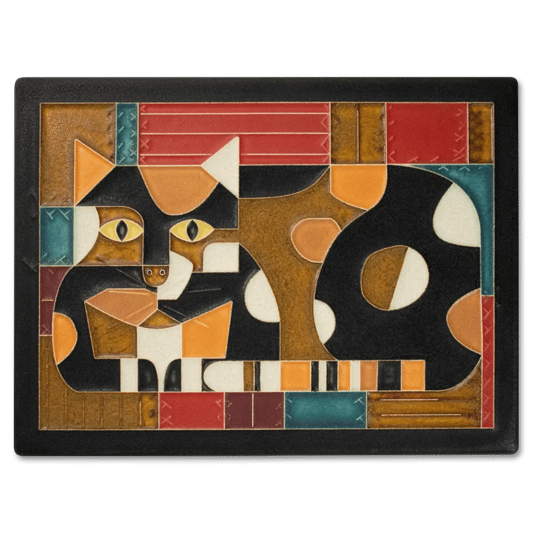
Ann Arbor, Michigan. Nawal Motawi was selling tile at the Ann Arbor farmers market out of her garage before she founded the Tileworks in 1992. More than 30 people now press, trim, glaze, and fire every tile by hand in a 12,900-square-foot studio, working in an Arts and Crafts and mid-century vocabulary. Motawi is the licensed maker of Frank Lloyd Wright and Charley Harper art tile, and its pieces sell per tile and made to order, framed as standalone art as often as they are set into fireplaces and backsplashes. The studio keeps a "Boneyard" of discounted seconds for anyone willing to hunt in person.
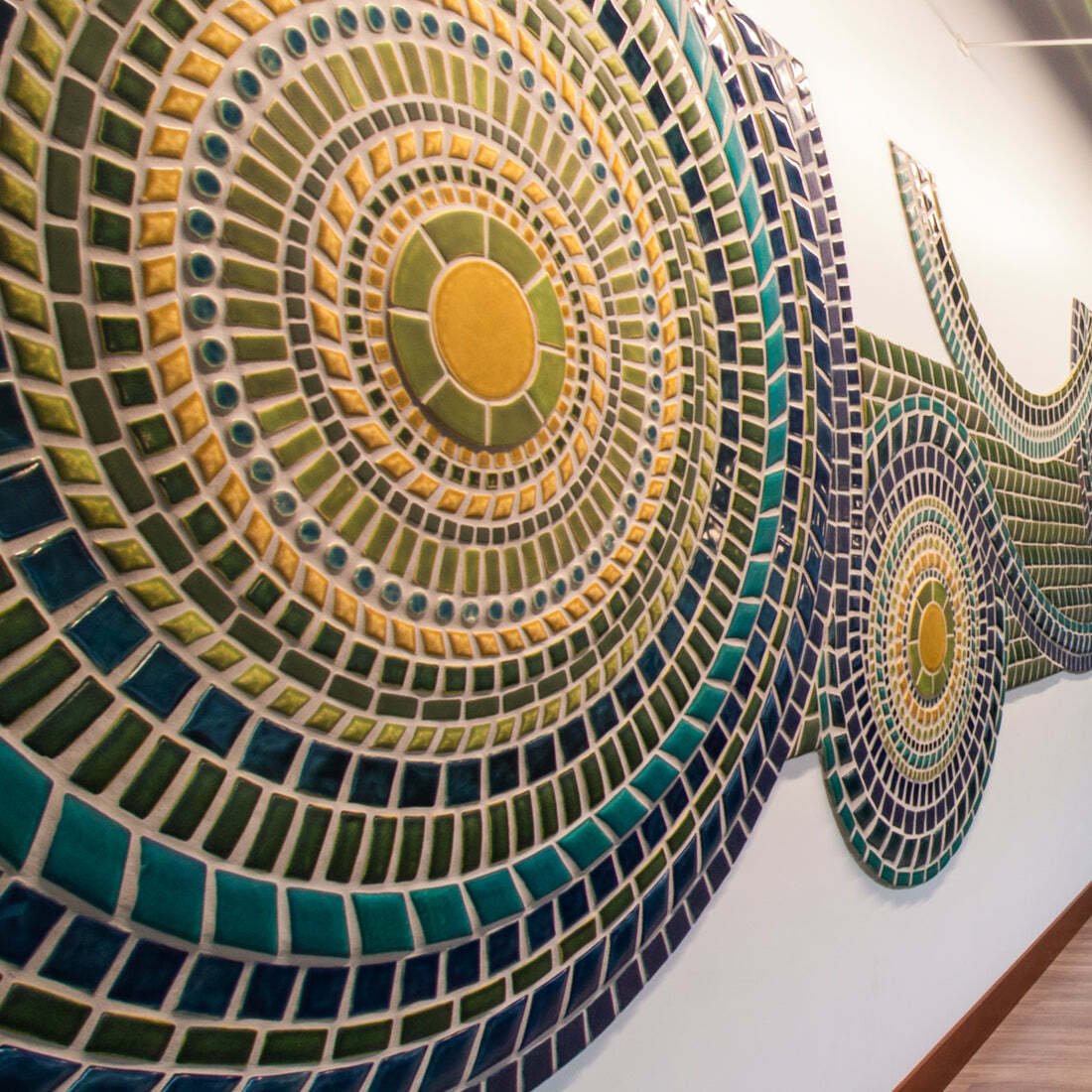
Detroit, Michigan. At more than 120 years old, Pewabic is one of the oldest continuously operating potteries in the country and a National Historic Landmark, run today as a nonprofit. Mary Chase Perry Stratton and Horace J. Caulkins founded it in 1903, and its iridescent glazes became a signature that spread far past Michigan. Pewabic tile sits in the Basilica of the National Shrine in Washington, the Shedd Aquarium in Chicago, and the Nebraska State Capitol, plus a Herald Square subway installation in New York and Detroit landmarks like the Guardian Building, Comerica Park, and the People Mover stations. The design team still takes on fireplaces, backsplashes, murals, and floors for private homes.
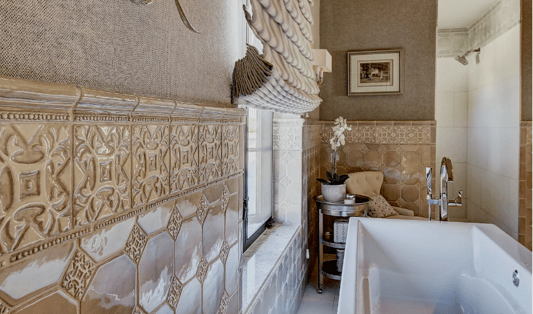
Alfred, New York. The studio works out of an 1880s barn in the New York countryside that once belonged to potter Robert Turner. Susan Moore and Neil Merkowitz have made relief tile there since 1986 and are credited with helping lead the American resurgence of the form. Their series lean botanical and figurative, with named lines like Morning Glory, Iris, and Tulip alongside an Animal series, plus molding and trim, more than 230 designs in about 150 glaze colors. The tile is built for kitchen backsplashes, butler's pantries, baths, and fireplace surrounds, and the studio publishes pairing guides that show how its patterns sit against plain field tile.
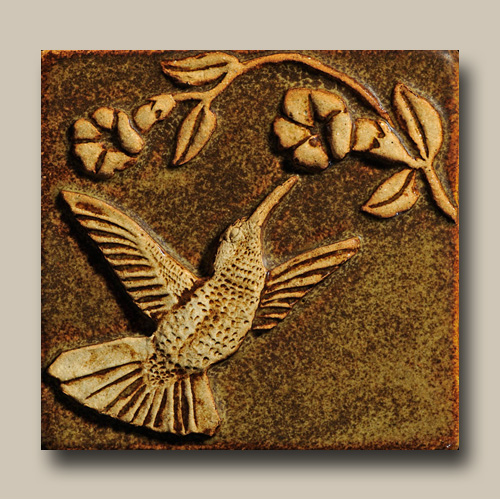
Southern Michigan. High-fired decorative tile pressed from molds cast off original sculpted works, with designs running to wildflowers and nature scenes, is what comes out of this one-studio operation, where runs are small and personal. Scott Weaver started it in 2000 after four winters learning handmade tilemaking at Pewabic Pottery, and when he retired he handed the studio to Robin Burke, a painter who trained under him and took ownership in 2024, continuing his catalog while adding her own designs.
Minneapolis, Minnesota. Josh Blanc learned to restore historic tile at the Minnesota State Capitol while apprenticing at North Prairie Tileworks, then founded Clay Squared in 1996 with his wife Layl McDill. The studio makes colorful handmade tile alongside vintage subway and mid-century reproductions, offers more than 60 colors, and works in an exterior-grade terracotta that holds up outdoors. Blanc's own style leans loose and abstract, and the shop also carries historic reproduction lines from other makers, so a single visit can cover both new and period looks. It sits in the Northeast Minneapolis Arts District with an open floor, and visitors can watch tile being made.
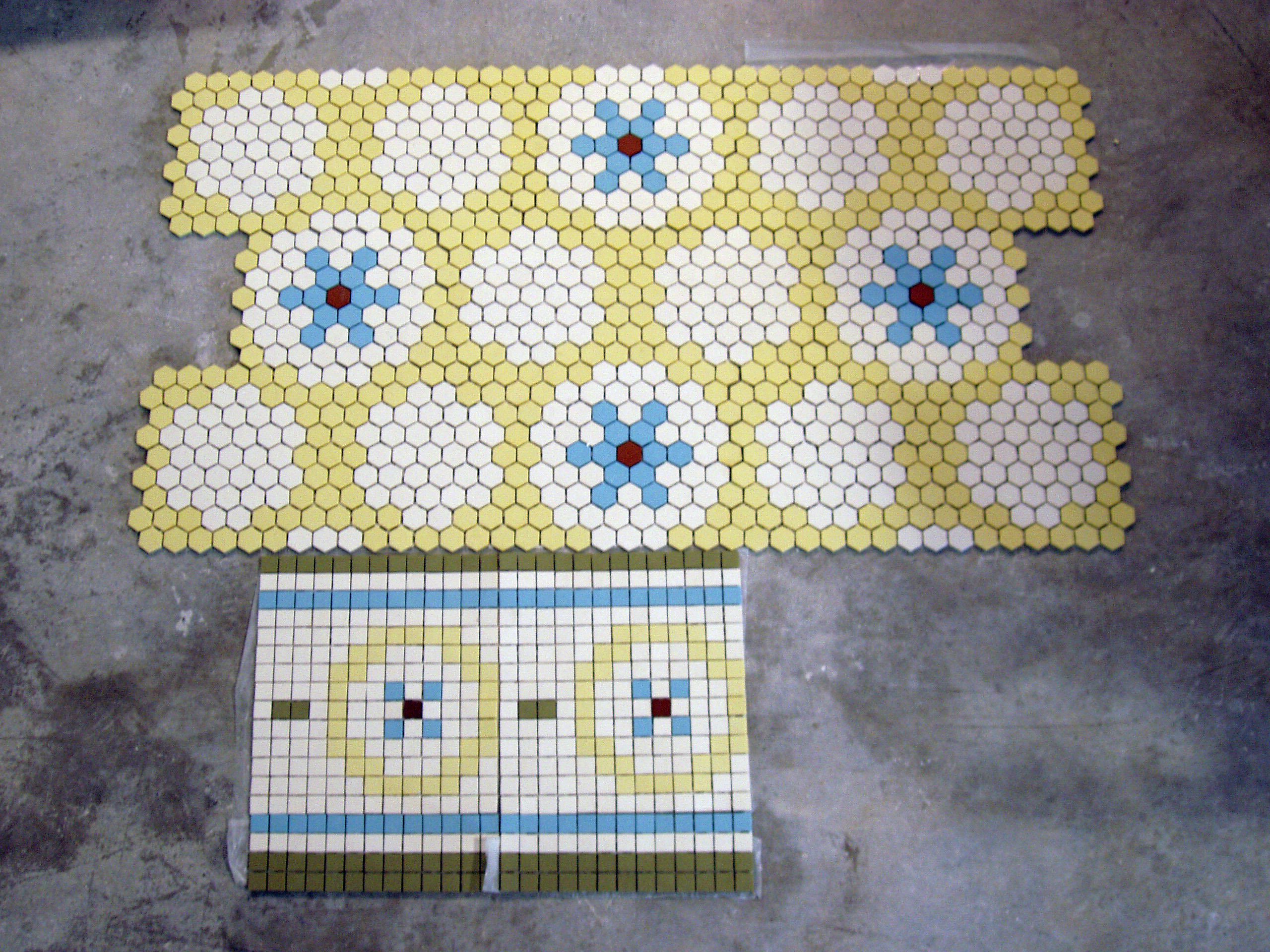
Little Rock, Arkansas. Duplicating the sizes, colors, and patterns of early-1900s installations is the whole job here. Ceramic engineer Bryan Byrd founded the studio and spent more than 40 years in the field before passing it to his children. It makes unglazed porcelain mosaics in period shapes like 1-inch hexagons, basketweave, and small squares, along with historic 3 by 6 subway wall tile and correct trim, and it reproduces designs of the old American Encaustic Tiling Company. It also handles custom color matching and lettering. Turnaround runs roughly 12 to 16 weeks because every order is built from scratch.
Vancouver, Washington. Steve Moon is a recognized authority on the tile of Ernest Batchelder, and reproducing Batchelder and Claycraft Potteries designs is what this Seattle-rooted studio does best, alongside custom and original work. The catalog covers accent tiles, field tile, and full panels for fireplaces, fountains, floors, wainscot, kitchens, and baths, all in Batchelder's mottled, muted glazes. Moon is regularly cited on how to repair and match century-old originals.

Rock City Falls, New York. The restoration list here runs long for a studio this size, including the Mark Twain House, the New York and Ohio State Capitols, MTA subway station work, and homes belonging to Bill Gates, John Cusack, and Sean Connery. Linda Ellett founded L'Esperance in 1979 after studying at Alfred University and apprenticing at the Moravian Pottery and Tile Works, and she built a reputation for hand-pressed porcelain and precise glaze matching in Victorian, Aesthetic movement, and Arts and Crafts styles. Ellett died in 2016, and her husband Don Shore and the studio have carried the reproduction and custom work forward from near Saratoga Springs.
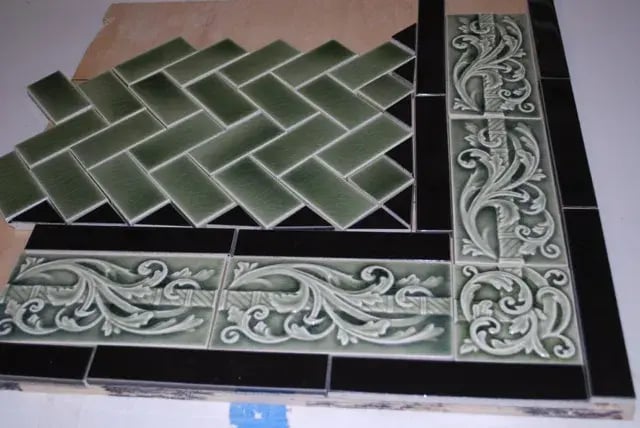
Torrance, California. The tile here follows the California Spanish, Mission, and Craftsman traditions of roughly 1900 to 1940, designed, pressed, glazed, and fired in the Torrance studio. Diana Mausser started Native Tile in 1990 with a $1,200 kiln in a 500-square-foot rebuilt shed in a Marina del Rey boatyard, four years out of a UCLA design degree.
Custom glazes are made in-house, and the catalog has grown to more than 1,000 patterns. Native built its name on restoration-quality reproductions, and it now makes tile "rugs," fireplace fronts, murals, borders, and floor inserts.
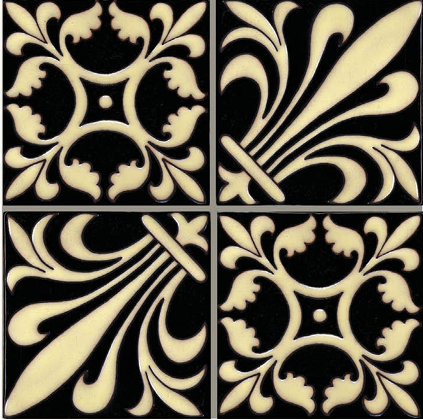
Minneapolis, Minnesota. North Prairie offers custom field tile sizing at no extra charge, so tile can be cut to a space with few or no field cuts and its glazed edges left intact. Roger Mayland has run the studio as president and artisan since 1992, working in an Arts and Crafts and Craftsman idiom with more than 150 custom glazes and upper-Midwest motifs like turtles, herons, dragonflies, and cattails. Its restoration credits include the Minnesota and Kansas State Capitols, Harvard University, and the Hoover Dam visitor center.
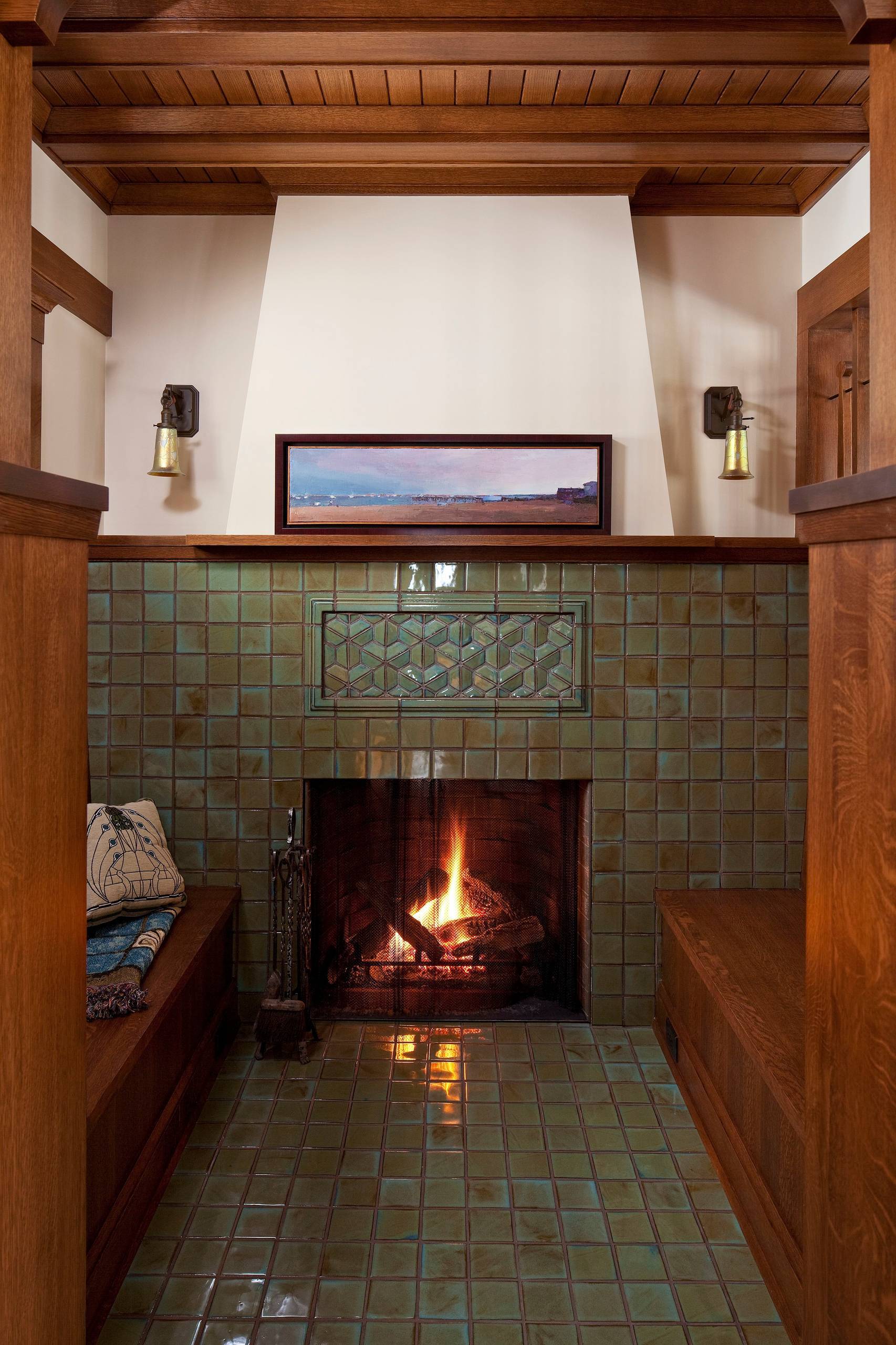
Handmade American tiles reward an installer who has set them before, since they can vary in size and color and often call for wet cutting and specific grout. Block Renovation matches your project with vetted local contractors who compete for the work, and every scope is reviewed up front, so the tile you chose is accounted for line by line.
Remodel with confidence through Block

Connect to vetted local contractors
We only work with top-tier, thoroughly vetted contractors

Get expert guidance
Our project planners offer expert advice, scope review, and ongoing support as needed

Enjoy peace of mind throughout your renovation
Secure payment system puts you in control and protects your remodel


Renovate confidently with Block
Easily compare quotes from top quality contractors, and get peace of mind with warranty & price protections.
Tile
Made in USA Tiles: 15 Brands to Love
07.11.2026
Tile
Bathroom Accent Wall Ideas: A Practical Tile Guide
04.24.2026
Tile
Best Tile Brands for Porcelain, Vinyl & More
03.20.2026
Tile
2026 Bathroom Tile Trends for Walls & Floors
03.03.2026
Tile
Mixing Bathroom Tiles for a Contemporary Look
02.25.2026