



Living Space
Bump Out Living Room: Cost, Feasibility & Options
09.06.2026
06.29.2026


In This Article
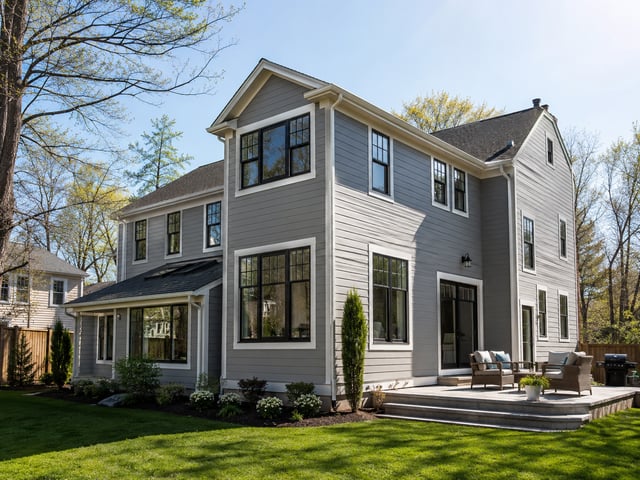
A rear addition pushes new square footage off the back of your house into the yard, and for a lot of homeowners it is the most direct way to get a bigger kitchen or a brighter living space without moving. Whether you call it a rear addition or a rear extension, the decision turns on details that rarely show up in the glossy before-and-after photos: where your sewer line runs, how much of your lot you are allowed to cover, which way the back of the house faces, and what the new space will actually count as when an appraiser walks through. This guide covers the factors that decide whether a rear home extension is the right move for your house, what it costs, and what to settle before you spend a dollar on design.
A rear home extension, also called a rear addition, adds floor area off the back wall of the house into the rear yard. It is one of the more common ways to expand, because the back of the house usually has the most room to grow and the least impact on the street. The form it takes depends on your house, your lot, and what you need the space for.
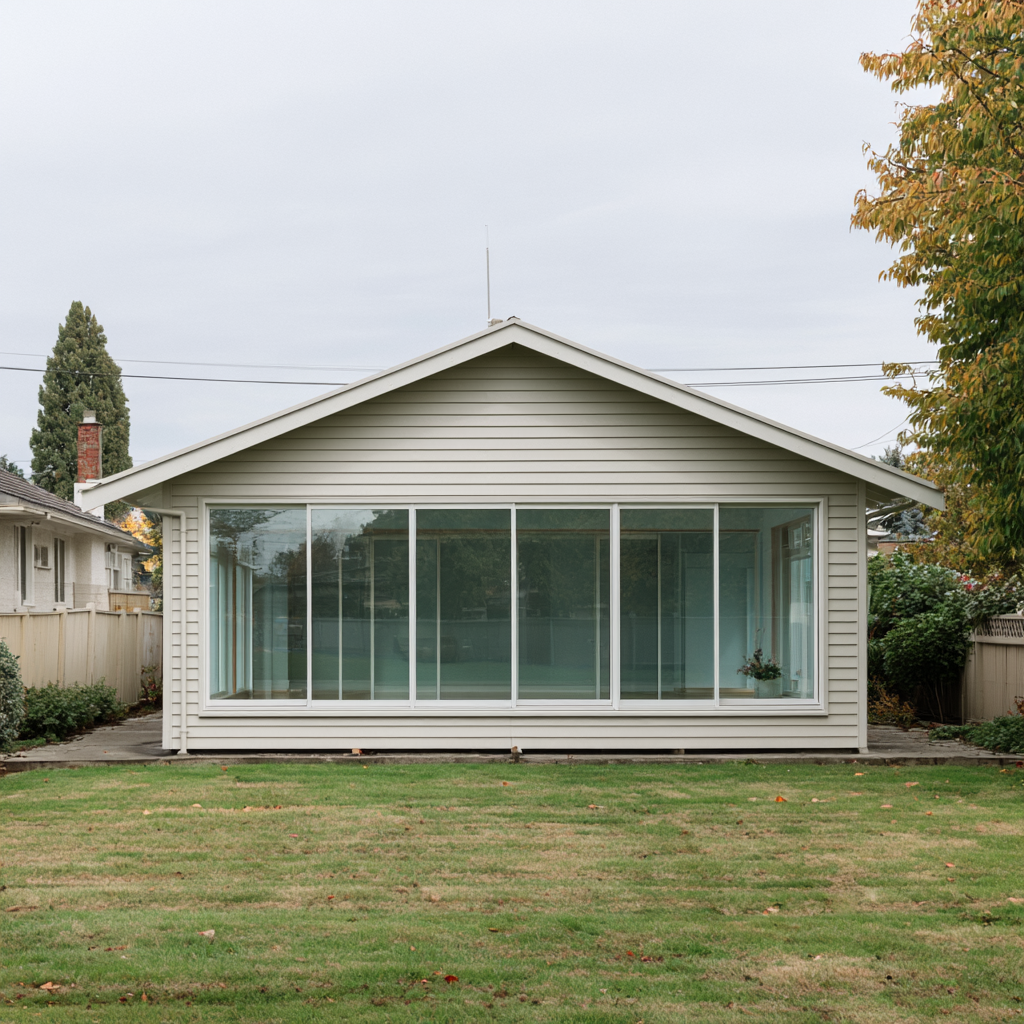
A single storey rear extension adds space on the ground floor only. It is the most common version and is usually used to enlarge a kitchen, add a family room, or open the back of the house to the yard. Because it does not touch the floors above, it tends to be simpler to build than going up, though it still involves foundation and roof work.
A two storey addition stacks a room above the ground-floor space, often adding a bedroom or bathroom over a larger kitchen. A wraparound combines a rear addition with a side-return infill, filling in the dead strip alongside the house to gain both depth and width. Both add more space than a single-level addition and cost more, and both put more demand on the existing structure and foundation.
Renovate with confidence every step of the way
Step 1: Personalize Your Renovation Plan
Step 2: Receive Quotes from Trusted Contractors
Step 3: Let Us Handle the Project Details

Before you fall for a design, it helps to compare a rear addition against the other ways to get the space, because one of them may suit your house and budget better.
Building up adds a floor or a room over the existing footprint instead of extending into the yard. It keeps your outdoor space and can cost less per square foot because there is no new foundation. It also needs the existing structure and foundation to carry the extra load and usually means working around the roof and the rooms below. A rear addition keeps everything on one level and leaves the upstairs alone, which many homeowners prefer for a kitchen or living space.
If you have an unfinished basement or attic, finishing it is often the cheapest way to gain usable space, because the shell already exists. The trade-offs are headroom, light, and access. A below-grade or under-roof room rarely matches the daylight and the connection to the yard that a rear addition gives a kitchen or family room. Price both before assuming you need to build new.
Sometimes the honest comparison is extending versus moving to a house that already has the space. Run the rough math: the cost of the addition against the cost of selling, buying, and relocating, plus what you would gain or lose in location. If you like where you live and the addition fits the lot, extending often wins. If the project starts climbing toward the price of a larger home nearby, that is useful to know early.
A rear addition tends to make sense when:
The surprises that stall a rear addition tend to be the ones nobody checks until they are emotionally committed to a plan. Three of them live underground or in the local rulebook, so they belong at the front of your process.
The line that carries waste from your house to the public sewer often runs through the back yard, exactly where a rear addition wants to go. Building over a public main, or over a lateral shared with a neighbor, can require a build-over agreement from the utility, and in some cases the line has to be relocated, which is costly and can reshape the whole plan. Find out where your line runs before you design anything. A drain survey or a call to the local authority is cheap insurance against a late and expensive problem.
Most municipalities limit how much of a lot can be covered by building and hard surfaces. A rear addition adds roof area, and if your lot is already close to its impervious coverage cap, the addition can push you over. Crossing that line can trigger stormwater requirements, such as a dry well or other on-site drainage, that add cost you did not plan for. Check your local coverage limit and your current coverage before you settle on a footprint, so the design fits the rules from the start.
What sits under the yard, and how it slopes, both affect scope. Poor soil, a high water table, or a steep grade can mean deeper foundations, retaining work, or extra drainage. None of this is visible from the back door, so a site assessment early on keeps the budget honest. Ground conditions are one of the bigger reasons two similar-looking additions can cost very different amounts.
Crews need a way to move material and spoil to the rear of the property. A clear side path lets a small excavator and deliveries reach the work directly. A narrow or blocked side means hand-digging, carrying material through the house, or craning it over the roof, all of which raise cost and lengthen the schedule. If access is tight, tell anyone giving you a quote, because a number that assumes easy access will not hold.
Rear addition costs vary widely, so treat any single figure with caution. The broad ranges below give a sense of scale. Where your project lands depends on size, foundation, glazing, finish level, and whether you move plumbing.
|
Addition type |
Typical size |
Typical cost range |
|
Single storey rear addition |
120 to 250 sq ft |
$60,000 to $200,000 |
|
Two storey rear addition |
250 to 500 sq ft |
$150,000 to $400,000+ |
|
Wraparound addition |
200 to 400 sq ft |
$120,000 to $350,000+ |
These ranges move with region, finish, and site conditions. The number usually covers design and engineering, the foundation, framing, the new roof, windows and doors, and interior finishes. It usually does not cover furniture, restoring the yard after construction, or upgrades to the rest of the house that the new space prompts, such as reworking the kitchen it now connects to. Ask for an itemized quote so you know which side of the line each item falls on.
Compare Proposals with Ease

The expensive, technical part of a rear addition is often the work of joining the new room to the existing house. Removing the back wall to open the house into the addition usually needs a beam to carry the load that wall was holding. The new floor has to meet the old one at the same level, the new roof has to tie into the existing roof without leaking, and the two structures have to read as one space. These connection details are why two additions of the same size can differ by tens of thousands of dollars. When you compare quotes, look closely at how each one handles the structural opening and the tie-ins, because that is where the real money and risk sit.
Most rear additions need a building permit, and many need zoning review on top of it. The review checks setbacks, which govern how close you can build to your property lines, along with lot coverage, height, and sometimes how the addition affects a neighbor's light and access. If your lot is tight or your plans push a limit, you may need a variance, which adds time and is not guaranteed. Start the permit conversation early, because the rules can shrink a design before you have spent much on it, which is far cheaper than redrawing later.
The best rear home extension ideas start from how you live in the space. Rear home addition ideas you find online are a useful starting point, though a feature that works in a south-facing addition can fall flat in a north-facing one. A few directions tend to earn their cost.
Every foot you push the back wall into the yard moves daylight further from the center of the house. The room that used to sit against the rear wall, often the old kitchen, ends up landlocked behind the new space. Its windows become interior walls, and the middle of the floor plan can turn gloomy even at midday.
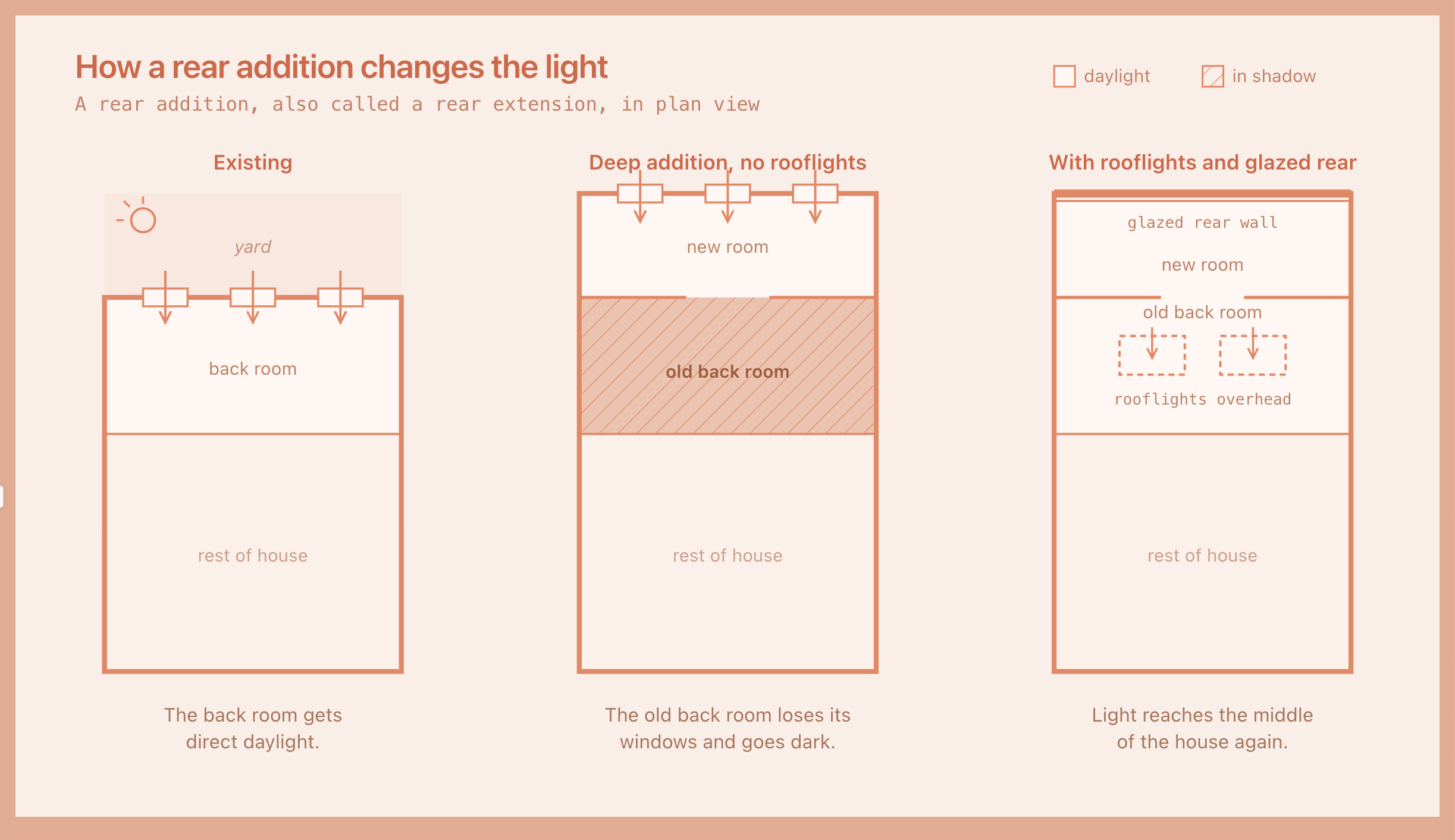
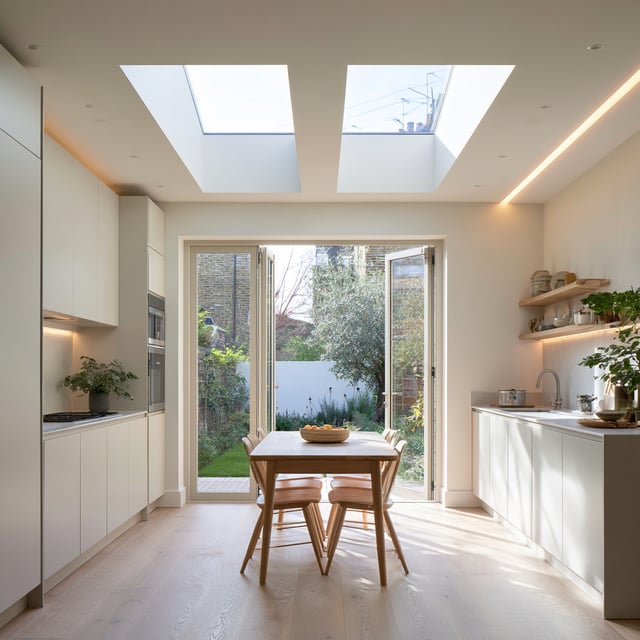
The fix is daylight from above and from the new rear wall. Rooflights over the junction between old and new bring light down into the part of the plan that lost its windows. A generously glazed rear wall, sized for the orientation, carries light deep into the new room. Plan both at the design stage, because adding rooflights after the roof is framed is expensive and sometimes not possible. As a rough guide, the deeper the addition and the more north-facing the rear, the more you should treat overhead glazing as part of the core budget rather than an upgrade.
The most reliable use of a single-level rear addition is to combine a cramped kitchen and a back room into one larger, open space that connects to the yard. This is where most homeowners get the biggest day-to-day payoff. Decide early how the new layout handles cooking, eating, and gathering, and how the opening between old and new is sized, since that opening drives the structural work.
Large glazed doors and windows along the rear wall make the new room feel bigger and pull the yard into the house. Orientation decides how this performs. A south-facing wall of glass needs shading or the right glass spec to avoid overheating in summer, while a north-facing one needs more glazing and rooflights to stay bright. Match the glass to the direction the back of your house faces before you fix the design.
A rear addition can add value, though the size of the return depends on what the new space is and where the house sits in its local market. Adding a usable bedroom or a full bath tends to move an appraisal more than making an existing kitchen larger, because appraisers count rooms and bathrooms directly. Enlarging a room improves how the house lives and can help it sell faster, even where it does not show up dollar for dollar in the appraised value. There is also a ceiling. Spending well past the typical sale price for your block can produce a lovely home that does not recover its cost at resale, so it helps to know the high end of your area before committing to a large addition.
A rear addition is a months-long project, and the schedule has more soft spots than most homeowners expect. Design and engineering usually take four to eight weeks, longer if the layout changes several times. Permitting is the least predictable stage and can run from a few weeks to a few months, depending on the municipality and whether a build-over approval or a variance is involved. Construction for a single storey addition is commonly two to four months, with a two storey or wraparound running longer. Sequence matters too. If the addition takes out your kitchen, plan for the weeks you will be without one and decide early whether you can live in the house during the work.
These come up early in any serious rear addition conversation, and knowing them helps you hold your own with a contractor or designer.
Block Renovation works with homeowners planning rear additions and extensions from the feasibility stage onward. Before you commit, Block Renovation can help you pressure-test whether the addition fits your lot, what it should realistically cost, and how to phase the work, then match you with vetted contractors who have built rear additions before. Getting the feasibility and budget questions answered up front is what keeps a rear addition from stalling halfway through, and it is the part Block Renovation is built to handle.
Remodel with confidence through Block

Connect to vetted local contractors
We only work with top-tier, thoroughly vetted contractors

Get expert guidance
Our project planners offer expert advice, scope review, and ongoing support as needed
Enjoy peace of mind throughout your renovation
Secure payment system puts you in control and protects your remodel


Renovate confidently with Block
Easily compare quotes from top quality contractors, and get peace of mind with warranty & price protections.
Living Space
Bump Out Living Room: Cost, Feasibility & Options
09.06.2026
Closet
Bump Out Closet Addition: Sizing and Cost by Closet Type
08.27.2026
Additions
Bathroom Bump Out Ideas, Costs & Planning
08.27.2026
Additions
Two Story Addition at the Back of the House: Cost, Design, and Scope
08.19.2026

Additions
400 Sq. Ft. Master Suite Addition Cost: 2026 Guide
06.30.2026