



Bathroom
Walk-In Tub vs. Walk-In Shower for Seniors
09.16.2026
06.02.2026


In This Article
The minimum shower dimensions allowed in most of the United States are 30 inches by 30 inches, or 900 square inches of finished floor. That's about six and a quarter square feet, roughly the footprint of a large bath mat. A shower at that minimum size passes inspection, and most adults who use one end up standing upright with their elbows tucked, rinsing off in slow quarter-turns.
Code only sets the legal minimum. The right shower size for you depends on your height, who shares the bathroom, how the room is laid out, and how long you plan to live with the result.
|
Tile eats your inches |
Tile and waterproofing take nearly an inch off each wall, so a stall framed at exactly 30 inches can finish near 28 and fail inspection. Frame to 32 or 33 for a usable 30. |
|
Plumbing drives the bill |
Going from 30 by 30 to 36 by 36 within the same walls costs a few hundred dollars in tile. Moving the drain to fit a larger or shifted shower runs $1,000 to $3,000 before any wall work. |
|
Wider beats longer |
The default 60 by 30 alcove drops into the old tub's footprint but showers like a narrow lane. A 42 by 42 holds nearly the same area, 1,764 square inches, in a far more usable shape, so favor width over length for one user. |
Many jurisdictions in the United States base their residential rules on the International Residential Code (IRC). The edition your town has adopted, plus any local amendments, is what actually controls. Under IRC Section P2708.1, a residential shower needs:
The IRC allows one size exception: a single dimension can shrink to 25 inches as long as the total area reaches 1,300 square inches, which covers narrow compartments that make up for tight width with extra length.
Some areas follow Uniform Plumbing Code (UPC) rules instead, which require the compartment to fit a 30-inch circle and meet a larger minimum area. Confirm which code your local building department enforces before you settle on a size.
The 30-inch minimum applies to the finished interior, measured tile to tile after everything is installed. Plenty of showers fail final inspection because they were framed to that number instead.
Backer board, waterproofing membrane, mortar, and tile each occupy space. Together they pull somewhere between half an inch and a full inch off every wall. A shower framed at exactly 30 inches can finish at 27 or 28, which lands under the limit and feels cramped on top of it.
Before the demo begins, pin down three numbers.
Write down the finished interior, the size left once backer and tile are on. That figure has to clear 30 inches, and it decides whether the shower feels tight or comfortable.
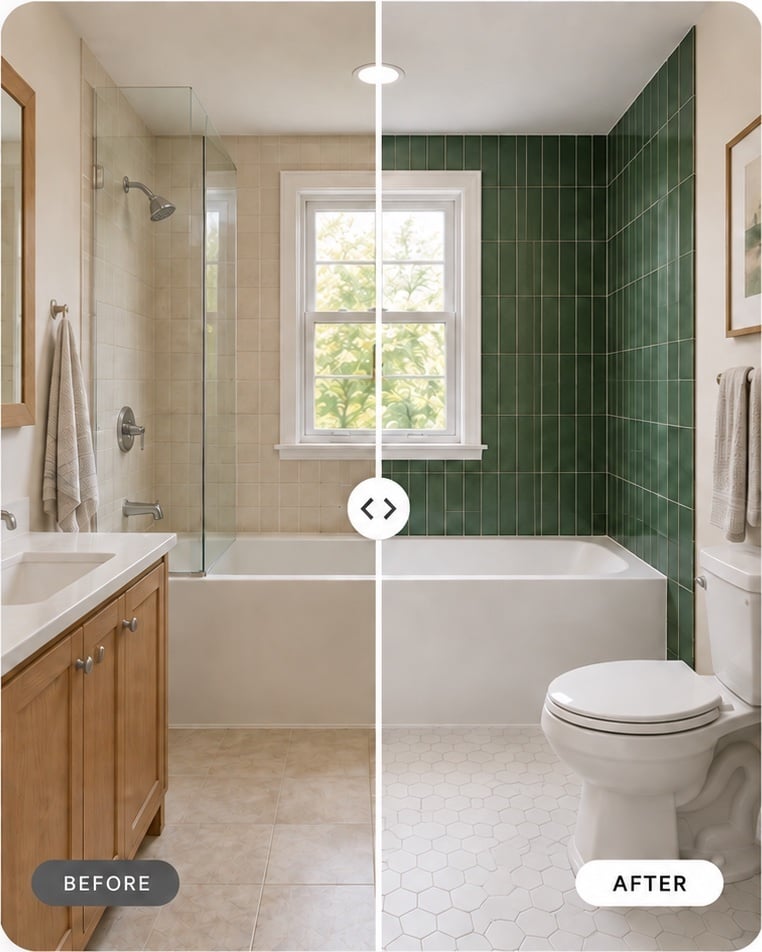
The same square footage feels different depending on the shape, so here is how the common sizes play out in daily use:
The 60 x 30 gets recommended more than it should. Stretched to 60 inches one way and held to 30 the other, it becomes a narrow channel. You stand under the showerhead at one end while the far end turns into a wet corner you rarely step into. The same 1,800 square inches laid out as a 42 x 42 (1,764 square inches) gives one person much more usable room. The long alcove earns its keep when you're keeping the existing plumbing in place, or when two people use the length at once. For a single user with room to choose, a wider footprint serves better than a longer one.
A doorless walk-in with high ceilings looks impressive and tends to run cold. The more open volume the space holds, the more heat and steam drift off before they reach you. Adding square footage past a certain point can leave you with a draftier shower unless the design includes a partial wall, a thoughtfully placed showerhead, or a dedicated heat source like a ceiling heater.
Know the Cost Before You Start
You'll likely live with this shower for decades, and most people plan to stay put: 75% of adults 50 and older want to remain in their current homes as they age, so it pays to build in future mobility now. Changing it later means tearing out tile and moving the drain.
Building wider and curbless from the start costs far less than retrofitting after the fact. A few choices now keep the options open:
None of this looks institutional. The payoff shows up years later, when a knee surgery or an aging parent turns a curb and a tight corner into a daily problem.
Each door style trades floor space differently, and the wrong one can block the toilet or vanity it opens toward.
Leave roughly 24 inches of clear floor in front of the opening so there's room to step in and towel off. Frameless glass panels also carry practical size limits, with single panels typically capped around 36 inches wide before they need bracing, which can nudge your layout up or down a size.
Height and built-ins shape the shower as much as the floor footprint does.
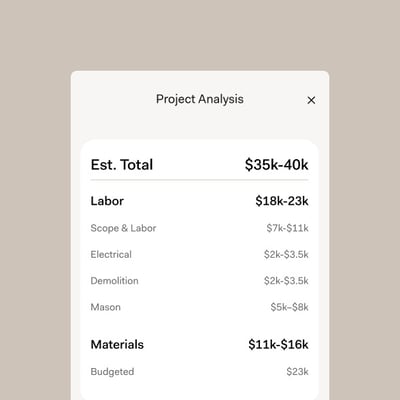
A bigger shower costs more in fairly predictable ways: extra tile and waterproofing, larger glass panels, and sometimes a relocated drain or a moved wall. For scale, a full midrange bathroom remodel averages about $25,000 nationally, with the shower just one line item within it, per Remodeling's Cost vs. Value report. The ranges below are rough national figures, and local labor and finish choices move them in either direction.
Most of the added cost comes from plumbing relocations and structural moves. Knowing which size triggers a drain relocation or a wall change keeps the estimate clean and heads off change orders, the kind an expert scope review catches before you commit.
Once you know the size that fits, the next step is matching with a contractor who can build it right. Block pairs your project with vetted local contractors who compete for the work, with every scope reviewed up front to catch missing line items before they turn into change orders. Start in Block's free Renovation Studio to set your dimensions and budget, then have your contractor matches quote against a scope you can compare side by side.
Remodel with confidence through Block
Connect to vetted local contractors
We only work with top-tier, thoroughly vetted contractors

Get expert guidance
Our project planners offer expert advice, scope review, and ongoing support as needed
Enjoy peace of mind throughout your renovation
Secure payment system puts you in control and protects your remodel

Renovate confidently with Block
Easily compare quotes from top quality contractors, and get peace of mind with warranty & price protections.
Bathroom
Walk-In Tub vs. Walk-In Shower for Seniors
09.16.2026
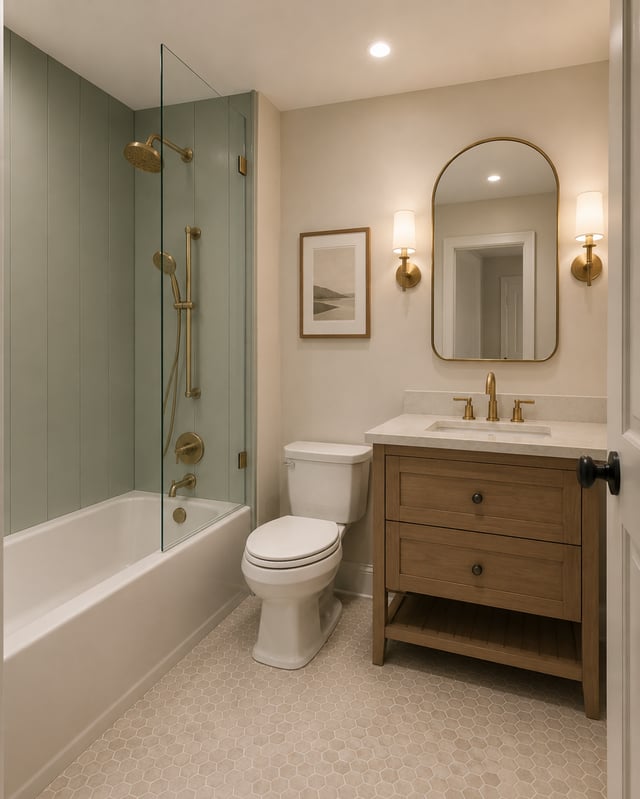
Shower
Best Shower Wall Panel Brands: Composite, Acrylic, and Solid Surface
08.12.2026
Design
Bathtub to Shower Conversion: Cost, Ideas, Examples & More
08.11.2026
Shower
Shower Panel Types: Costs, Materials & How to Choose
08.11.2026
Shower
Glass Shower Enclosure With a Half Wall: What to Know
07.28.2026