



New York
Interior Renovation NYC: Costs, Rules & Contractors
10.22.2026
10.22.2026


In This Article
An interior renovation in NYC covers everything inside your existing walls, from kitchens and bathrooms to floors, partitions, doors, and the plumbing and wiring behind them. Costs start around $100 to $200 per square foot for cosmetic work. A full apartment interior renovation can reach $190,000, like the Manhattan project below. Your building gets a say before the city does, and that is where budgets go wrong. The sections below cover what the work costs, what co-op and condo boards control, and which contractors already work under those rules.
An interior renovation changes what's inside your home without adding to it. Kitchens, bathrooms, flooring, walls, doors, built-ins, and lighting are in scope. So are the plumbing and wiring behind them. The exterior, the roof, and the footprint stay put. In NYC the distinction decides who has to approve the work:
Design a Home That’s Uniquely Yours
Block can help you achieve your renovation goals and bring your dream remodel to life with price assurance and expert support.
Get Started
Price by scope rather than by square foot. You end up with a number you can defend to a board and to a contractor. Labor is roughly 60% of any NYC renovation budget, and kitchens and bathrooms carry the most trades, which is why they set the pace for the whole project.
Interior renovation cost in NYC by scope, 2026 planning ranges, labor and materials included
|
Scope |
Planning range |
What it usually includes |
|---|---|---|
|
Cosmetic refresh |
$100 to $200 per square foot |
Paint, refinished or new flooring, lighting, hardware, cabinet refacing, like-for-like fixtures |
|
One kitchen or one bathroom |
$30,000 to $85,000 |
Demolition of one room, new fixtures, tile, cabinetry, counters, and electrical brought to code |
|
Kitchen plus bathroom with living-area finishes |
$75,000 to $150,000 |
Two wet rooms, new flooring through adjoining rooms, often one or two partitions removed |
|
Full-apartment interior renovation |
$130,000 to $300,000+ |
Every room, flooring throughout, skim-coated walls, new doors, plumbing and electrical updated |
Townhouse owners, including anyone renovating a Brooklyn brownstone, can use the same per-room ranges with two adjustments. Access is easier without a freight elevator. The systems you open are yours alone, and that means no shared riser to tie into and no board to satisfy. Still, the Department of Buildings permits the same work. On a landmarked block, anything visible from the street, including window replacement, needs Landmarks Preservation Commission approval first.
Whatever the scope, hold back 10 to 20% as contingency. On a $100,000 interior renovation, that's $10,000 to $20,000 you don't touch unless something turns up behind the walls.
Two published projects from contractors in Block Renovation's network show where the money and the time go on an NYC interior renovation.
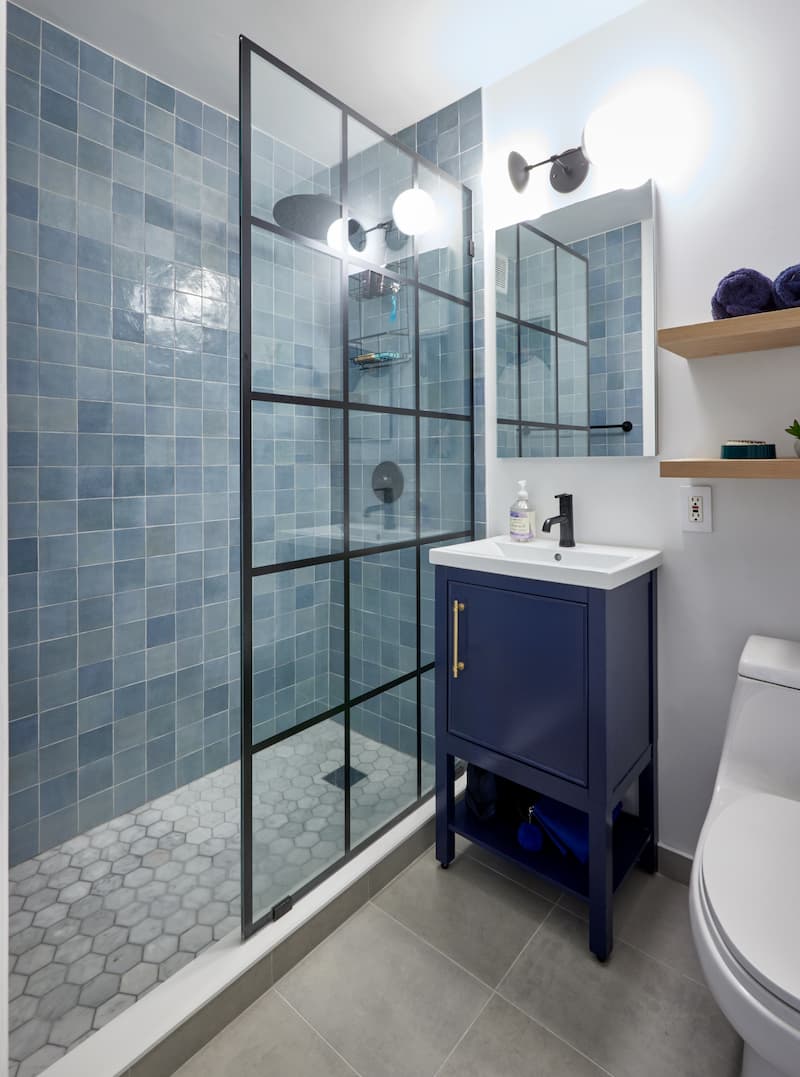
On the first project, the management company controlled the schedule. A Brooklyn apartment interior renovation by Art Deco Enterprises covered a kitchen, a bathroom, and a bedroom for $88,974, and construction took 10 weeks. The approval took months longer than the construction did. Because the contractor had already bought the bathroom materials and kept them in its own warehouse, the delay cost the homeowner time rather than a second round of purchasing. When you compare bids, ask each contractor what happens to your materials if the board stalls.
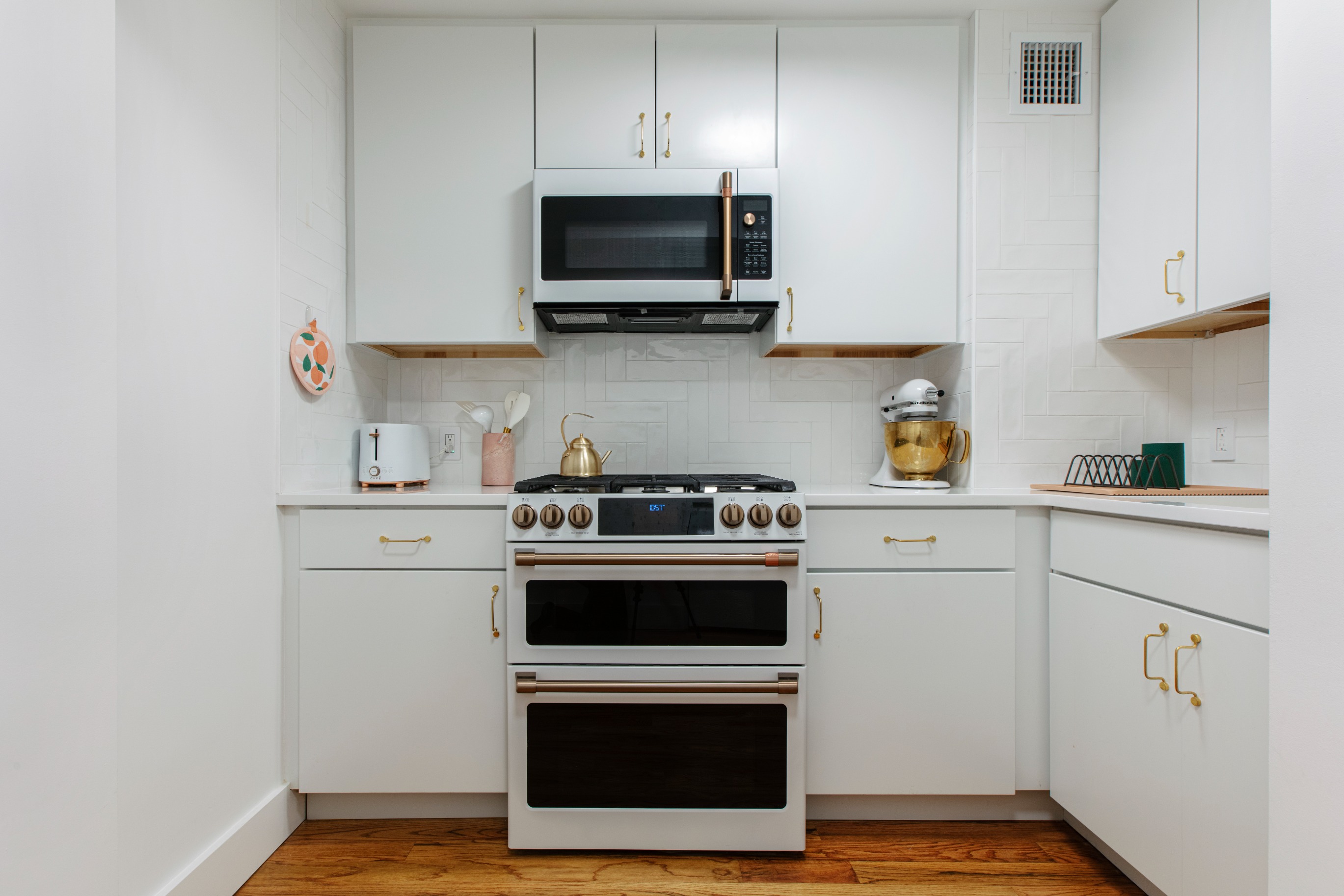
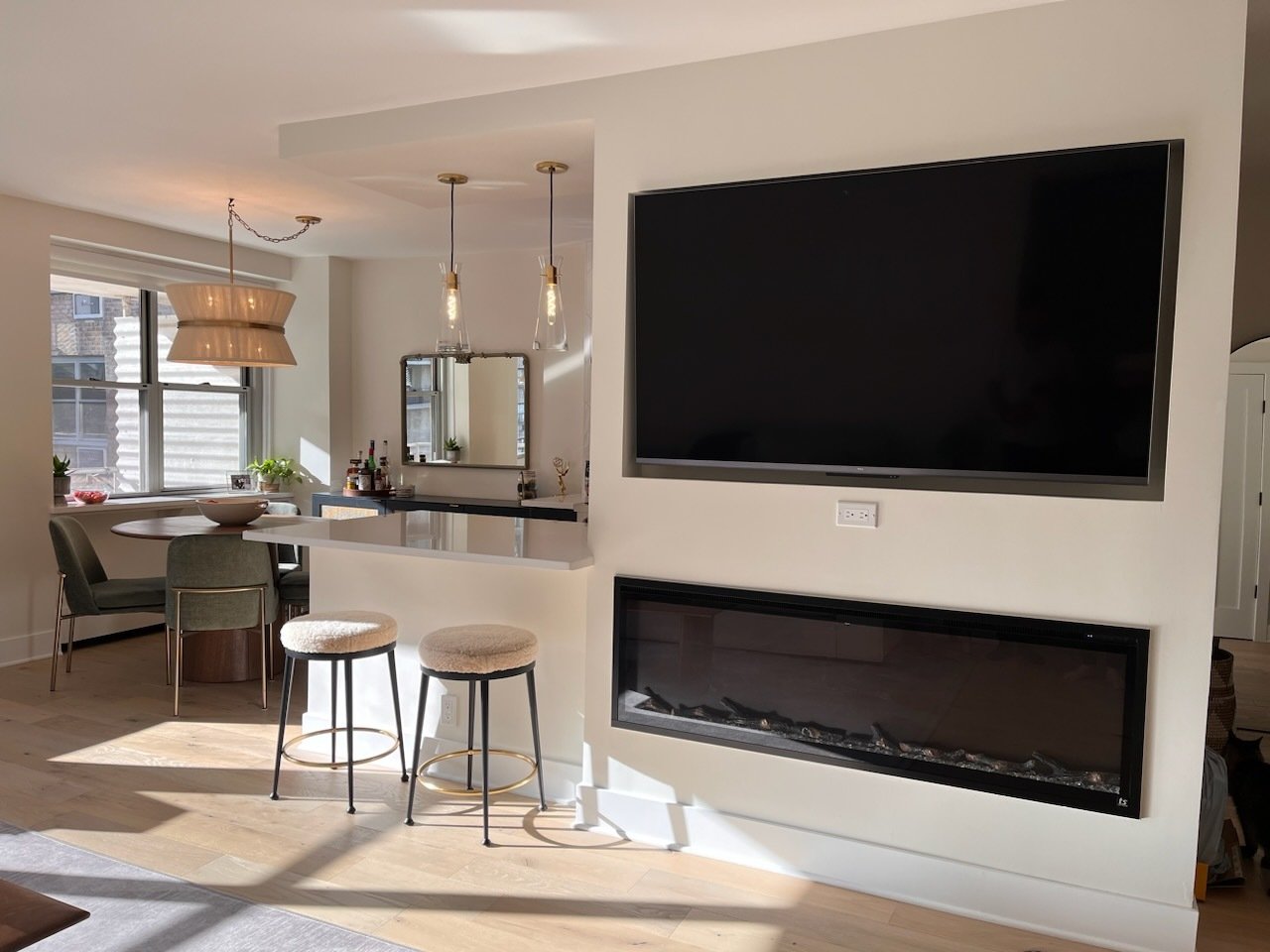
At the top of the range, and especially in luxury apartment remodels in NYC, the budget goes into the layout as much as the finishes. A full Manhattan apartment renovation by JC Construction NY Corp ran $190,000 over 15 weeks. For that price the apartment got a new floor plan, with partition walls removed to open the kitchen, plus skim-coated walls, a tub-to-shower conversion, new doors throughout, and custom cabinetry with heater covers. The schedule is the second takeaway. A full scope finished only 5 weeks after the three-room Brooklyn project. Wet rooms and approvals set the timeline on both jobs, and the extra finishes added less time than you'd expect.
A board reviews what your renovation could do to the building. The questions you'll field are about water, electrical load, noise, and insurance, rather than tile. An apartment interior renovation in NYC therefore starts with the alteration package. The sooner it goes in, the less of your contractor's calendar sits idle.
Cosmetic work usually clears on a decoration agreement, signed by the managing agent within days. Anything touching plumbing, electrical, or walls needs the full alteration agreement. That document sets the work hours, the insurance minimums, the deposit, and the drawings the building's architect wants to see. Submit it before you sign a construction contract. Board meeting schedules can add 4 to 8 weeks, and no contractor can shorten them.
Most boards will refuse a kitchen, bathroom, or laundry placed over a neighbor's bedroom or living room. A leak there does the most damage. The same logic keeps wet rooms close to the existing plumbing stack. Plan your layout around the riser first, and put a cross-apartment bathroom move in front of the board before you put it in front of a plumber.
Give every bidder the same alteration agreement and insurance requirements before they price the job. Otherwise one proposal looks cheaper only because another already priced in rules the building will enforce either way.
A townhouse has no board, and with it the decoration-versus-alteration question disappears. The Department of Buildings still permits the same work. Lead-safe and asbestos rules still apply in older houses. On a landmarked block, any street-facing change goes to the Landmarks Preservation Commission before a permit can issue.
The contractor you hire signs the alteration agreement, carries the insurance the board demands, books the elevator, and files with the DOB. They're also the person in your apartment when an old cast-iron riser turns up behind the plaster. For example, an interior renovation contractor in NYC who has never worked in a prewar co-op can build a beautiful kitchen. The same contractor can also cost you 6 weeks on a rejected alteration package. Check the following before you compare totals:
Block puts every matched contractor's bid on the same expert-reviewed scope. The line items you compare are the same line items. The proposal review before you sign is where a missing asbestos survey or an undersized electrical allowance gets caught.
The 8 contractors below are part of Block's New York network. Each has a published portfolio of apartment and townhouse interiors, and they aren't interchangeable. One phases work around a family still in the apartment, another builds cabinetry for out-of-square prewar walls, and a third keeps a warehouse for materials stranded by a board delay.
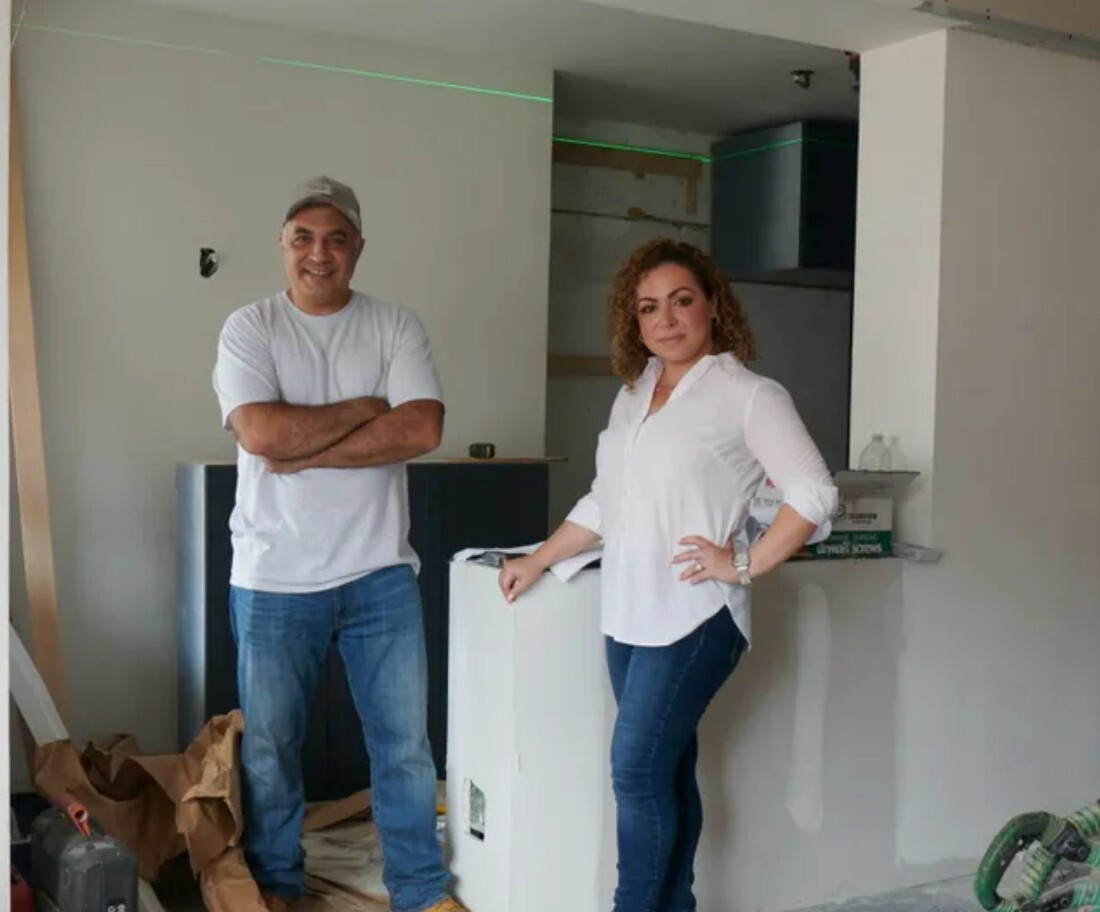
Nina and Ilya Suleymanov run I&N Builders as a husband-and-wife team. She handles design and client communication, and he runs construction. The bulk of their work is in Manhattan apartments, condos, and townhouses, including a $145,000 Upper West Side renovation of a kitchen, a bathroom, and the living spaces, and a Murray Hill project that joined two side-by-side units into one home. Homeowners who have worked with them consistently describe the process as collaborative.
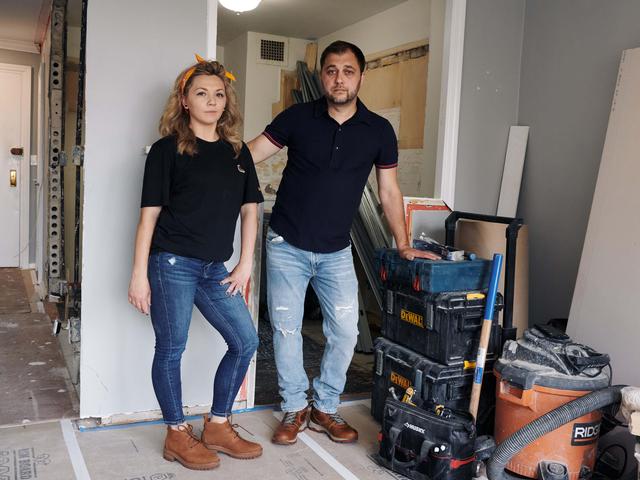
Ion Dodu and Sorina Panfil founded Art Deco Enterprises in 2012 and still run the construction and client sides themselves. The Brooklyn condo above shows the logistics side of their work, with materials bought and stored in their own warehouse through a long board approval. A Queens condo kitchen shows the design side. Opening the kitchen to the dining room left no spot for a conventional hood, and their answer was a downdraft unit that rises while you cook.

Metro Contractors deals with New York City apartment filings constantly. They can tell you early whether your scope stays simple or pulls in DOB or Landmarks review, the kind of approval that adds 4 to 12 weeks. Nearly everything they build is a city apartment or condo, from prewar kitchens with checkerboard floors to exposed-brick lofts, and they staff those jobs with their own craftspeople under a dedicated project manager.

Knockout Renovation has combined a design studio, a retail showroom, and a construction crew under one roof since 1992. The people choosing finishes sit next to the people installing them. Their tradespeople work on co-ops and condos rather than rotating through unrelated construction. The firm backs its work with a 7-year labor and product warranty that transfers if you sell. A co-op expansion in their portfolio shows the scale they can handle inside an occupied building.

Stock cabinetry assumes straight walls and square corners. A prewar apartment rarely offers either. Supreme Renovation A2Z runs its own woodworking shop, and an Upper West Side kitchen in its portfolio shows what that buys. The veneer cabinetry, lacquer uppers, waterfall quartz island, and hood enclosure built into the cabinet line all came out of that shop. Aslam and Mike carry homeowners from 3D visualizations through permitting, with filings handled in-house.

You don't always get to move out while your apartment is renovated. The Line Construction, a family-run team, plans around that. Work is phased so you aren't giving up the whole apartment at once, and a larger scope can be split across two seasons. Their portfolio of smaller city spaces, such as a Brooklyn bathroom and a one-wall Sunnyside kitchen, feels custom without alienating a future buyer.
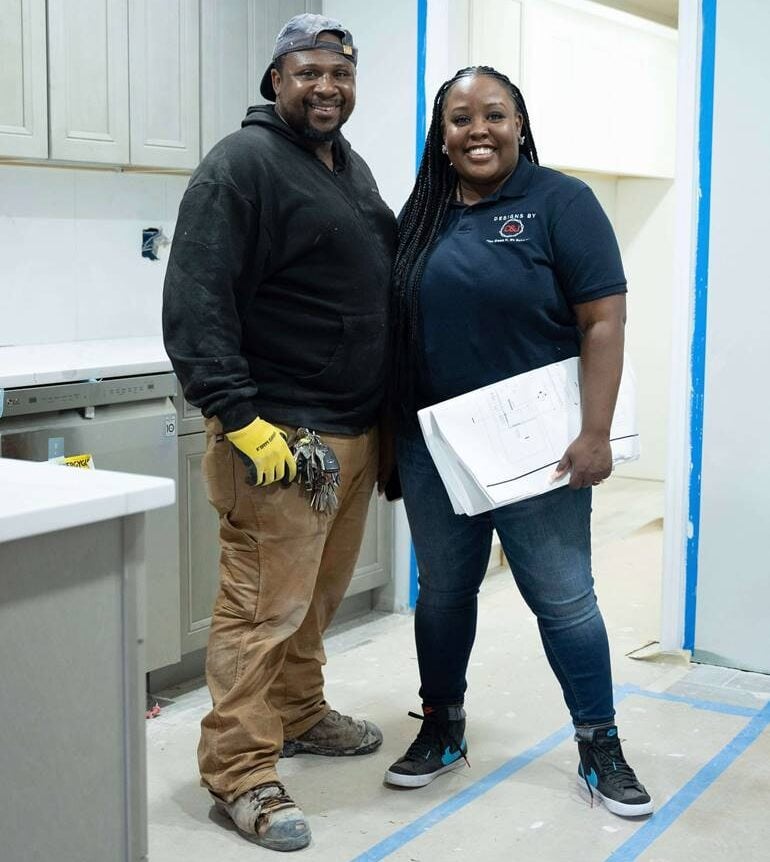
Designs by D & J takes on landmarked buildings, complicated prewar layouts, and multi-floor gut renovations, the projects that make other contractors hesitate. Owners Jay and Dominique stay on the job themselves. The firm publishes its license numbers, change-order policy, and weekly check-in schedule before you sign. Homeowners receive a written 1-year workmanship warranty, a close-out package, and final DOB sign-off where the scope requires it. A recent condo renovation shows the finish level.
The contractor who is fantastic at combining apartments isn't automatically the one you want for a phased kitchen in an occupied one-bedroom. The 8 above are only part of the network. Tell Block about your building, your scope, and your timeline once. You're matched with vetted New York contractors whose recent work fits the interior renovation you're planning.
Matching is free for homeowners. You get up to 4 competing bids on the same scope, and a project planner reviews the proposal with you before you sign.
Remodel with confidence through Block

Connect to vetted local contractors
We only work with top-tier, thoroughly vetted contractors

Get expert guidance
Our project planners offer expert advice, scope review, and ongoing support as needed
Enjoy peace of mind throughout your renovation
Secure payment system puts you in control and protects your remodel

Renovate confidently with Block
Easily compare quotes from top quality contractors, and get peace of mind with warranty & price protections.
New York
Interior Renovation NYC: Costs, Rules & Contractors
10.22.2026
New York
Custom Millwork NYC: Costs, Ideas & Expert Advice
10.20.2026

New York
Brooklyn Basement Remodeling Costs: What to Budget
10.10.2026

New York
Prewar Condo Renovations: NYC Costs and Contractors
10.09.2026
New York
Apartment Gut Renovation NYC: A Unit Owner's Guide
10.06.2026